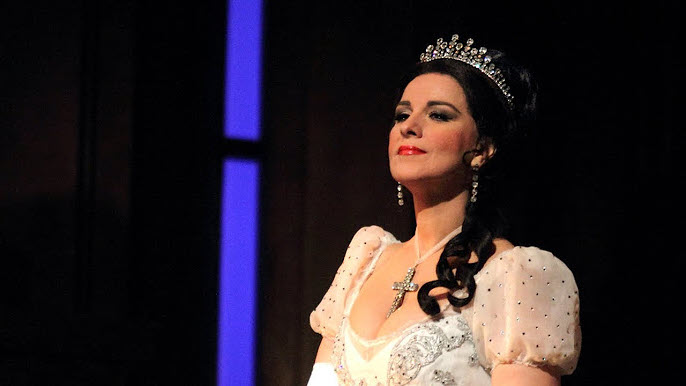
Opera is the ultimate fusion of drama, passion, and vocal brilliance—and at its heart are the unforgettable arias that have captivated audiences for centuries. These songs are more than just beautiful melodies; they are emotional powerhouses that bring epic stories to life, from tragic love affairs to triumphant declarations of victory. Whether you’re a lifelong opera lover or a curious newcomer, you’ve likely heard some of these legendary tunes echo through concert halls, film soundtracks, or even pop culture moments. In this list, we’re diving into the 15 most popular opera songs of all time—the arias and duets that have defined the genre and earned eternal standing ovations. From the fiery passion of Carmen to the haunting beauty of Madama Butterfly, these pieces showcase the very best of what opera has to offer. Get ready to explore the soaring highs, heartbreaking lows, and spellbinding artistry of opera’s greatest hits. Each song on this list has left an indelible mark on music history—and once you hear them, you’ll understand why. Whether it’s your first step into the world of opera or your hundredth encore, these masterpieces demand to be heard. Curtain up—let the music begin! 🎭🎶
1. Nessun Dorma (Turandot, 1926 – Puccini)
Few operatic moments resonate as powerfully as “Nessun Dorma,” the triumphant aria from Puccini’s final opera Turandot. Premiered posthumously in 1926, the aria is sung by Prince Calaf as he faces a perilous challenge: solving Princess Turandot’s riddles or facing execution. Alone in the night, he declares with unwavering certainty that “none shall sleep” until the riddle is answered—and that he, victorious, will win her love. With its soaring vocal line and sweeping orchestration, the aria builds to the electrifying cry of “Vincerò!” (“I will win!”), a phrase that has transcended opera to become a global anthem of perseverance. Immortalized by legendary tenor Luciano Pavarotti during the 1990 FIFA World Cup, “Nessun Dorma” became a cultural touchstone, introducing opera to millions. Emotionally charged and vocally demanding, it captures the essence of Puccini’s dramatic genius—combining passion, resolve, and melody in a way that still gives listeners chills nearly a century later.
2. La donna è mobile (Rigoletto, 1851 – Verdi)
“La donna è mobile” is perhaps the most instantly recognizable aria in all of opera—a veritable “hit single” from Giuseppe Verdi’s 1851 masterpiece Rigoletto. Sung by the Duke of Mantua, a charming but morally questionable nobleman, the aria mocks the fickleness of women, all while seducing the audience with its buoyant rhythm and joyful melody. Ironically, it’s the Duke—shallow and manipulative—who is truly unstable, making the song’s playful cynicism all the more biting. Verdi knew he had a gem on his hands and kept it under tight wraps before the premiere to prevent it from leaking. Once the curtain rose, the tune swept across Italy like wildfire. Despite the opera’s dark and tragic storyline, “La donna è mobile” provides a moment of effervescent charm that’s impossible to resist. Its bouncy phrasing, light-hearted tone, and sheer memorability have made it a staple of popular culture—from cartoons to commercials—and a favorite for tenors eager to show off their charm and vocal dexterity.
3. Largo al factotum (The Barber of Seville, 1816 – Rossini)
With a thunderous “Figaro! Figaro! Figaro!” the comic opera The Barber of Seville bursts to life in “Largo al factotum,” one of the most exhilarating arias ever written for baritone. Composed by Gioachino Rossini in 1816, the aria introduces Figaro, the beloved barber of Seville, who is equal parts clever schemer, town gossip, and indispensable helper to everyone. Brimming with energy and self-assurance, Figaro boasts of his endless duties and popularity, reveling in the chaos of his daily life. The aria’s rapid-fire delivery and tongue-twisting lyrics demand exceptional vocal agility, stamina, and a flair for comedic timing. It’s a true showcase piece that never fails to wow an audience, whether they’re seasoned opera-goers or first-timers. With its spirited humor and dazzling technique, “Largo al factotum” sets the tone for the opera’s zany plot and cements Figaro as one of opera’s most charismatic and unforgettable characters.
4. O mio babbino caro (Gianni Schicchi, 1918 – Puccini)
Delicate, tender, and achingly beautiful, “O mio babbino caro” is one of opera’s most beloved arias. Composed by Giacomo Puccini and premiered in 1918 as part of his one-act comic opera Gianni Schicchi, the aria is sung by Lauretta, a young woman pleading with her father to allow her to marry the man she loves. Though the opera itself is a farcical tale of greed and deception, this aria stands out as a moment of sincere emotional clarity. With a gently lilting melody and heartfelt lyrics, Lauretta’s plea tugs at the heartstrings of even the most cynical listeners. The aria’s simplicity is its strength—there’s no dramatic vocal acrobatics here, just pure, honest feeling wrapped in Puccini’s incomparable melodic gift. It’s a favorite for sopranos and often appears in concerts, films, and weddings due to its universal message of love and longing. Short but unforgettable, “O mio babbino caro” is a shining example of how opera can express the deepest human emotions in just a few exquisite minutes.
5. Habanera (“L’amour est un oiseau rebelle”) (Carmen, 1875 – Bizet)
Sensual, confident, and utterly captivating, “Habanera” is the unforgettable entrance of Bizet’s fiery heroine Carmen. First performed in 1875, this iconic aria opens the opera’s second scene and instantly establishes Carmen’s character: seductive, defiant, and completely in control. With the sultry rhythm of a Cuban-inspired habanera beat, she warns that love is wild and untamable—“like a rebellious bird.” The melody, adapted from a Spanish folk tune, winds sinuously through the orchestra, mirroring Carmen’s teasing allure. Though initially a flop, Carmen later became one of the most performed operas in the world, thanks in part to this show-stopping number. “Habanera” has transcended the opera stage to become a pop culture staple, appearing in countless movies, commercials, and cartoons. But even stripped of its fame, the aria remains a masterpiece of character writing and musical seduction. Through “Habanera,” Bizet gives us one of opera’s most iconic moments—equal parts flirtation, warning, and declaration of freedom.
6. Queen of the Night Aria (“Der Hölle Rache”) (The Magic Flute, 1791 – Mozart)
“Der Hölle Rache,” known widely as the Queen of the Night aria, is one of the most jaw-dropping moments in opera—both technically and dramatically. From Mozart’s The Magic Flute, premiered in 1791, the aria is sung by the Queen of the Night in a scene of white-hot rage as she demands that her daughter commit murder. Clocking in at under four minutes, the piece nonetheless delivers a torrent of fury through lightning-fast coloratura runs, stratospheric high Fs, and razor-sharp precision. It’s a dazzling showpiece that tests the outer limits of what a human voice can do. But beyond the vocal fireworks, the aria’s brilliance lies in its emotional intensity—this is a mother’s rage weaponized, cloaked in virtuosic beauty. Mozart’s genius for drama and melody is on full display, making “Der Hölle Rache” not just a technical marvel, but an unforgettable emotional experience. It’s no wonder this aria remains a rite of passage for sopranos and a jaw-dropping thrill for audiences.
7. Un bel dì vedremo (Madama Butterfly, 1904 – Puccini)
“Un bel dì vedremo” (“One fine day we’ll see”) is the emotional centerpiece of Madama Butterfly, Puccini’s tragic opera that premiered in 1904. Sung by the hopeful Cio-Cio San, or Butterfly, the aria paints a vivid picture of the day her American husband, Pinkerton, will return to her. She imagines the ship approaching the harbor, his arrival, and their joyous reunion—completely unaware that Pinkerton has abandoned her. The music is gentle and yearning, gradually building to a heartbreaking climax as Butterfly’s fragile dream takes flight. Puccini’s orchestration tenderly cushions the soprano’s voice, allowing every nuance of hope, love, and denial to shine through. This aria is more than just a beautiful melody—it’s a poignant study of faith clashing with reality. As audiences listen, the emotional weight of what’s to come looms in the background, making the aria all the more tragic. “Un bel dì vedremo” is a stunning example of Puccini’s gift for combining lyrical beauty with deep emotional resonance.
8. E lucevan le stelle (Tosca, 1900 – Puccini)
“E lucevan le stelle” from Tosca (1900) is a haunting meditation on love, beauty, and the finality of death. Sung by the painter Cavaradossi as he awaits execution, the aria recalls the tender moments he shared with Tosca—her scent, her touch, their passion. As he reflects under the starry sky, his memories become more painful, knowing he’ll never experience them again. Puccini’s orchestration opens quietly, almost like a whispered sigh, setting a mournful mood before the voice enters with aching lyricism. As the melody rises, the pain in Cavaradossi’s heart becomes palpable. It’s a simple, sorrowful farewell to life that speaks to anyone who’s loved deeply and lost. With its intimate phrasing and emotional clarity, “E lucevan le stelle” captures the tragic beauty at the core of Tosca. It’s a moment of stillness in an opera filled with political intrigue and melodrama—a soul laid bare, framed by one of Puccini’s most exquisite melodies.
9. Celeste Aida (Aida, 1871 – Verdi)
“Celeste Aida” opens Verdi’s Aida with quiet grandeur and noble yearning. Sung by Radamès, an Egyptian military commander, the aria expresses his deep and idealized love for Aida, an Ethiopian slave who is, unbeknownst to him, also a princess. Verdi composed this aria not as a bombastic opener, but as a refined, soaring declaration of passion wrapped in military pride and romantic reverie. While it’s a favorite for dramatic tenors, “Celeste Aida” is deceptively challenging. The vocal line demands both power and delicacy, especially in the famous final high B-flat, which Verdi marked to be sung softly—an almost impossible ask after such demanding lines. The aria floats between the personal and the ceremonial, as Radamès imagines returning victorious from battle and crowning Aida with glory and love. It sets the tone for the opera’s emotional depth and grandeur while also revealing the tender soul beneath the hero’s armor. With its sweeping melodies and regal character, “Celeste Aida” is a standout moment that continues to challenge singers and stir the hearts of audiences more than 150 years after its premiere.
10. Casta Diva (Norma, 1831 – Bellini)
“Casta Diva” from Bellini’s Norma is one of the most sublime arias in all of opera—an ethereal prayer wrapped in the elegance of bel canto. Premiered in 1831, the aria is sung by Norma, a Druid high priestess, as she pleads with the moon goddess for peace during a time of war. The music unfolds in long, graceful arcs, requiring the soprano to sing with utter control, purity of tone, and spiritual serenity. It’s not a show of force but of restraint and transcendence. The beauty of “Casta Diva” lies in its simplicity and emotional depth: a sacred invocation that conveys inner turmoil through the serenity of the music. The orchestration is hushed and reverent, allowing the voice to shine like moonlight over a still landscape. Maria Callas famously made this piece one of her calling cards, bringing both vocal finesse and dramatic depth to its every note. “Casta Diva” is more than just a highlight of Norma—it’s a meditative experience that suspends time and invites listeners into a space of reflection, longing, and divine beauty.
11. Di quella pira (Il Trovatore, 1853 – Verdi)
Few arias ignite the stage with the sheer fire of “Di quella pira” from Verdi’s Il Trovatore, premiered in 1853. Sung by Manrico, a troubadour turned warrior, the aria explodes with urgency as he learns that his mother is about to be burned alive. What follows is a short, blazing burst of resolve and fury. The music drives forward like a galloping horse, with a rhythm that mirrors Manrico’s determination to rescue her. The vocal line is intense, demanding forceful projection and heroic flair, culminating in a climactic high C that has become a proving ground for tenors worldwide. Though the aria lasts just over a minute, it delivers a wallop of dramatic and vocal intensity. “Di quella pira” encapsulates the passionate extremes of Il Trovatore—a world where love, vengeance, and family loyalty collide in spectacular fashion. For audiences, it’s an adrenaline rush; for tenors, it’s a thrilling challenge. Every time it’s performed, it reminds us that opera can burn as hot as any battlefield.
12. Che gelida manina (La Bohème, 1896 – Puccini)
“Che gelida manina” (“What a cold little hand”) is one of Puccini’s most heart-melting creations, and a cornerstone of La Bohème, which premiered in 1896. In this aria, the poet Rodolfo reaches out—literally and emotionally—to Mimì, a fragile seamstress he’s just met. As he takes her hand to warm it, he begins to open up, telling her about his life, his dreams, and his loneliness. What begins as gentle flirtation blossoms into a full-throated declaration of love, all in a few unforgettable minutes. Puccini’s music follows every emotional twist, from soft introspection to passionate exultation, painting a picture of youthful romance that’s both touching and universal. The aria demands both warmth and vocal finesse, showcasing a tenor’s lyrical power and expressive nuance. “Che gelida manina” is a masterclass in romantic storytelling, blending poetic imagery with emotional immediacy. It captures the magic of love’s first spark—fleeting, fragile, and unforgettable.
13. Bella figlia dell’amore (Rigoletto, 1851 – Verdi)
“Bella figlia dell’amore,” a standout quartet from Verdi’s Rigoletto, is one of the finest ensemble pieces in all opera. Set in a tense and emotionally charged scene, it unfolds as the Duke seduces the flirtatious Maddalena, while Gilda, heartbroken, watches from the shadows, accompanied by her anguished father, Rigoletto. Each character sings from a different emotional place—lust, sarcasm, heartbreak, vengeance—and yet their voices weave together in breathtaking harmony. Verdi’s genius lies in how he balances these layers, creating a moment that’s both musically stunning and dramatically rich. The quartet doesn’t just move the plot forward—it deepens the tragedy by showing how completely these characters misunderstand one another. The Duke is carefree and arrogant, Maddalena is amused, Gilda is devastated, and Rigoletto burns with fury. The result is a complex tapestry of human emotion that’s as compelling to the ear as it is to the heart. “Bella figlia dell’amore” is more than an aria—it’s a microcosm of the opera’s themes, captured in just a few minutes of exquisite vocal interplay.
14. Vissi d’arte (Tosca, 1900 – Puccini)
“Vissi d’arte” (“I lived for art”) is a moment of soul-baring vulnerability in Puccini’s Tosca, sung by the title character at a time of desperation and betrayal. As Tosca, a famous singer, confronts the cruel Baron Scarpia, who has threatened the man she loves, she turns inward and questions why God would let her suffer when she has lived a life of faith, kindness, and devotion. The aria unfolds as a quiet, prayer-like lament, with a gentle orchestral backdrop that allows Tosca’s heartbreak to shine through every phrase. It’s a masterful blend of lyric beauty and emotional intensity. Unlike the dramatic fire of many operatic showpieces, “Vissi d’arte” requires restraint, purity of tone, and heartfelt sincerity. Sopranos must walk a delicate line between fragility and strength, making it a favorite for singers who excel in both vocal control and deep character portrayal. It’s a haunting pause in the opera’s storm of violence—a moment when time seems to stop, and we are allowed to hear a woman’s heart breaking.
15. Au fond du temple saint (Les pêcheurs de perles, 1863 – Bizet)
“Au fond du temple saint” is one of opera’s most treasured duets—a radiant moment of shared memory and unspoken tension from Georges Bizet’s The Pearl Fishers, premiered in 1863. Sung by two old friends, Nadir and Zurga, the duet recalls a moment from their past when they first saw a mysterious priestess at a temple and both fell in love with her. The music is tender and nostalgic, with the tenor and baritone voices intertwining in perfect harmony, reflecting their deep bond and lingering affection. There’s a quiet sadness beneath the surface, hinting at the emotional conflicts yet to unfold. While The Pearl Fishers is not performed as frequently as Bizet’s Carmen, this duet has endured as a concert favorite thanks to its lyrical beauty and emotional richness. “Au fond du temple saint” is more than just a song of friendship—it’s a meditation on longing, loyalty, and the delicate balance between love and rivalry. Its serene elegance continues to enchant audiences around the world.

Samuel Moore is a frequent contributor to Singers Room. Since 2005, Singersroom has been the voice of R&B around the world. Connect with us via social media below.









