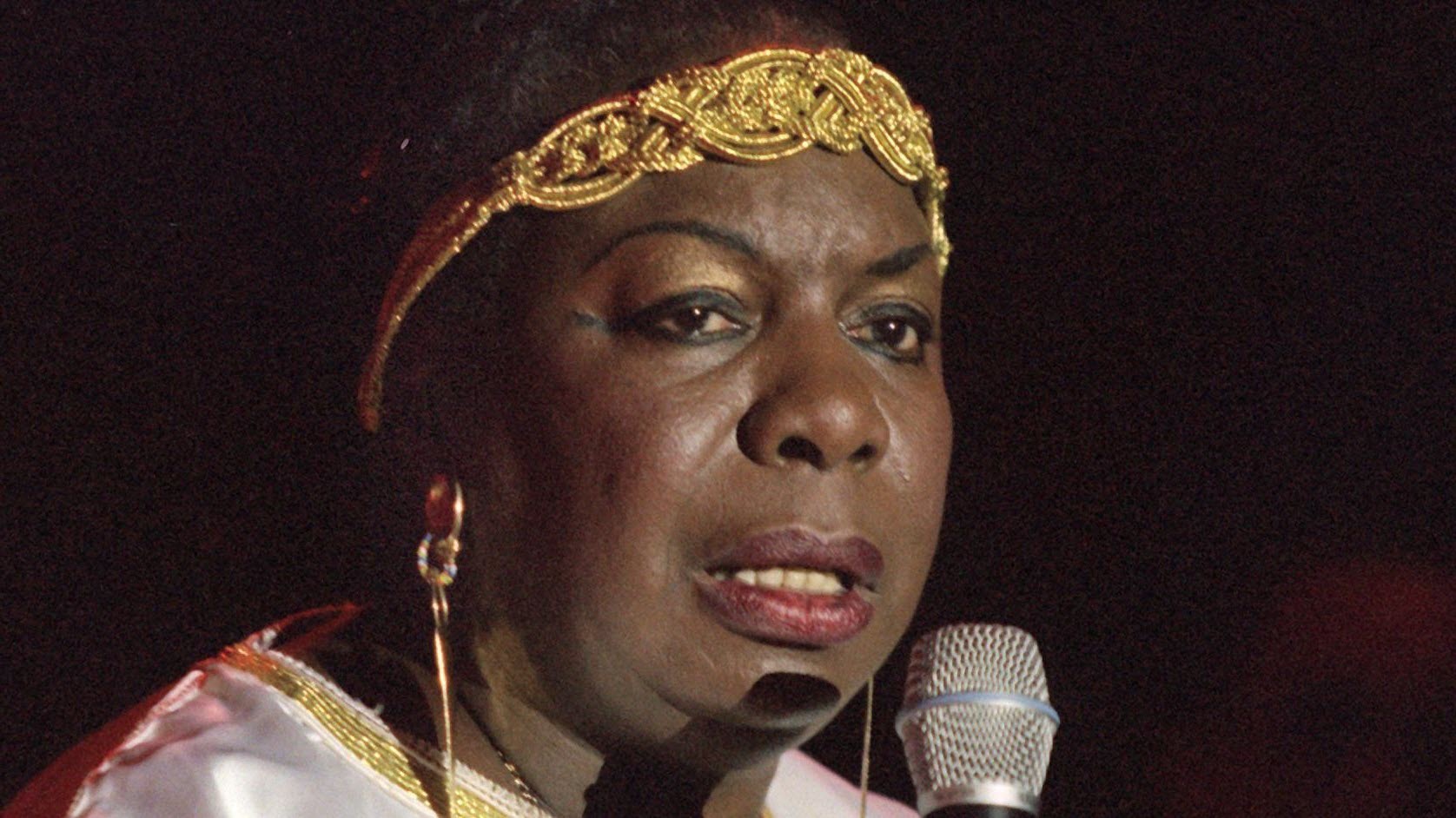
Nina Simone, the legendary singer, songwriter, and civil rights activist, transcended the boundaries of music with her soulful voice and poignant lyrics. Her unique blend of jazz, blues, and classical elements carved a distinct niche in the music world, making her one of the most influential artists of the 20th century. With a career that spanned several decades, Simone’s songs resonate with themes of love, struggle, and empowerment, often reflecting the turbulent socio-political climate of her time.
In this article, we dive into the top 10 most popular Nina Simone songs of all time, celebrating the tracks that have left an indelible mark on generations of listeners. From her haunting rendition of “Strange Fruit,” which confronts the brutal realities of racism, to the empowering anthem “Feeling Good,” each song showcases Simone’s extraordinary ability to evoke deep emotions and provoke thought.
Join us as we explore the music that not only defined an era but also continues to inspire artists and fans alike. Whether you’re a longtime admirer or discovering her work for the first time, these iconic tracks are sure to captivate your heart and soul. Let’s celebrate the timeless genius of Nina Simone!
1. “Feeling Good” (1965)
“Feeling Good” is one of Nina Simone’s most iconic and electrifying performances, released in 1965. From the first notes, the song radiates a sense of power, liberation, and rebirth. With its lush orchestration, soaring horns, and dramatic pauses, Simone’s voice rises above everything — commanding attention and capturing the spirit of freedom. Originally written for a musical, Nina transformed it into something much bigger: an anthem for anyone yearning to break free from oppression, negativity, or the weight of the world. Her delivery isn’t just about sounding good; it feels like a declaration of triumph. Each line evokes vivid imagery — birds flying, fish swimming, the breeze blowing — symbolizing the beauty of living fully and unapologetically. “Feeling Good” has since become a staple in pop culture, appearing in films, commercials, and countless covers, but none carry the same soul-shaking power as Simone’s original. It’s a song that transcends its time, continuing to inspire generations with its message of empowerment, resilience, and the joy of simply being alive.
2. “I Put a Spell on You” (1965)
When Nina Simone released her version of “I Put a Spell on You” in 1965, she completely redefined the song’s meaning. Originally a theatrical, bluesy number by Screamin’ Jay Hawkins, Simone stripped it down and rebuilt it with her signature mix of jazz, blues, and deep emotional gravity. Her sultry, smoky vocals turn the lyrics into an intimate confession of longing and desperation. It’s not just about casting a spell in the playful sense; it’s about the ache of wanting someone so badly that it feels like magic or madness. The haunting piano chords, gentle strings, and her subtle vocal inflections create a hypnotic atmosphere that pulls listeners deep into her world. Every note carries both strength and vulnerability — a balance only Simone could master. Her version doesn’t just ask for love; it demands it, wrapped in a spell of sheer emotional power. To this day, this rendition remains one of the most definitive and unforgettable expressions of love’s intoxicating grip.
3. “Sinnerman” (1965)
“Sinnerman,” released in 1965, is a ten-minute epic that feels more like a spiritual experience than a song. It’s a relentless, pulsing track driven by Simone’s frantic piano, thunderous percussion, and call-and-response vocals rooted in African-American gospel tradition. The lyrics tell the story of a desperate sinner running everywhere — to the river, the sea, the rock — searching for a place to hide from judgment, only to find there’s no escape from the truth. Simone’s vocal intensity builds and builds, reflecting both the urgency of the sinner’s plight and the inescapability of conscience and justice. It’s a song that speaks to universal themes: guilt, redemption, and the reckoning every soul must face. The repetition becomes almost trance-like, creating a hypnotic experience that grips listeners from start to finish. Over the years, “Sinnerman” has been sampled in countless films, commercials, and hip-hop tracks, but nothing compares to the raw, spiritual power of Nina Simone’s original performance. It’s a masterwork of emotion, storytelling, and musical brilliance.
4. “Ain’t Got No, I Got Life” (1968)
“Ain’t Got No, I Got Life,” released in 1968, is a powerful declaration of self-worth, resilience, and joy in the face of adversity. The song cleverly contrasts what the narrator lacks — material possessions, status, and comfort — with what truly matters: her body, her soul, and her existence. It begins as a lament, listing everything she doesn’t have, but shifts into an exuberant celebration of life itself. Simone’s voice radiates vitality and strength as the tempo picks up, transforming despair into empowerment. Her delivery feels like a conversation, an affirmation, and a rallying cry all at once. The song emerged during the height of the Civil Rights Movement, resonating deeply with marginalized communities who were fighting for dignity, equality, and recognition. Its universal message — that no matter what’s taken from you, your life, spirit, and humanity are untouchable — continues to inspire listeners today. More than just a song, “Ain’t Got No, I Got Life” is an anthem of survival and a reminder to embrace the beauty of simply being alive.
5. “My Baby Just Cares for Me” (1958)
Released in 1958, “My Baby Just Cares for Me” is a charming, playful tune that highlights Nina Simone’s lighter, jazzier side. Originally recorded for her debut album Little Girl Blue, the song became an unexpected hit decades later when it was featured in a 1987 commercial, reigniting public love for this delightful track. With its sprightly piano riffs and bouncy rhythm, the song feels like a carefree stroll through the early days of falling in love. Simone’s vocals are both cheeky and affectionate as she lists all the glamorous things her lover doesn’t care about — wealth, fashion, or fame — because all that matters is her. Her piano playing dances joyfully alongside the lyrics, adding an extra layer of warmth and charm. Unlike some of her heavier, politically charged songs, “My Baby Just Cares for Me” offers a glimpse into Nina’s versatility — proof that she could master not just soul-stirring ballads but also lighthearted, feel-good jazz standards that make listeners smile every time.
6. “Mississippi Goddam” (1964)
“Mississippi Goddam,” released in 1964, is one of Nina Simone’s most fearless and explosive protest songs. Written in response to the murder of civil rights leader Medgar Evers in Mississippi and the bombing of a Black church in Birmingham, Alabama, that killed four young girls, the song is a blistering indictment of racial injustice in America. Unlike her usual jazzy ballads, this track uses an upbeat, almost show-tune style melody as a sharp contrast to its brutally honest lyrics. Simone’s voice brims with rage, frustration, and heartbreak as she calls out the hypocrisy of a society demanding patience from those being oppressed. “This is a show tune,” she famously quips at the beginning, “but the show hasn’t been written for it yet.” With every verse, her sarcasm becomes more biting and her tone more defiant. The song was banned in several states for its frankness, but Simone refused to be silenced. “Mississippi Goddam” isn’t just a song — it’s a rallying cry, a courageous act of musical protest that remains hauntingly relevant today.
7. “To Be Young, Gifted and Black” (1970)
“To Be Young, Gifted and Black,” released in 1970, is one of Nina Simone’s most uplifting and empowering songs. Inspired by her close friend Lorraine Hansberry — the playwright behind A Raisin in the Sun — the song is a love letter to Black youth, encouraging them to take pride in their identity and heritage. Simone’s voice is both nurturing and powerful as she delivers a message of hope, strength, and limitless potential. The arrangement is rich and soulful, filled with harmonies that uplift and inspire. During a time when the fight for civil rights was still very much alive, this song became an anthem for empowerment, resonating deeply within Black communities worldwide. Its lyrics speak directly to the hearts of young people who may have felt marginalized or diminished by a society that often refused to see their worth. Decades later, “To Be Young, Gifted and Black” continues to serve as a timeless reminder that greatness resides in embracing one’s true self — a message as crucial now as it was then.
8. “Four Women” (1970)
“Four Women,” released in 1970, is a deeply moving narrative that paints vivid portraits of four Black women, each representing a different facet of the Black female experience in America. Through the characters — Aunt Sarah, Saffronia, Sweet Thing, and Peaches — Nina Simone explores issues of skin color, racial identity, oppression, and resilience. Each verse gives voice to one woman’s story, shaped by generational pain, societal judgment, and survival. Simone’s vocals shift tone with each character — from weary and dignified to sensual, defiant, and fiery — demonstrating her extraordinary ability to inhabit each role. The instrumentation is sparse but haunting, allowing the weight of the lyrics to take center stage. As the song builds toward its emotional climax, Simone’s voice grows sharper, culminating in a powerful, cathartic declaration of rage and empowerment. “Four Women” forces listeners to confront uncomfortable truths about racism and sexism while also honoring the strength and complexity of Black women. It remains one of her most compelling and socially resonant works.
9. “Black is the Color of My True Love’s Hair” (1965)
“Black is the Color of My True Love’s Hair,” released in 1965, is a hauntingly beautiful love song that captures the depths of longing and devotion. Originally a traditional folk ballad, Nina Simone’s rendition infuses it with profound emotional weight. Her voice is tender yet commanding, floating above sparse piano and subtle strings, allowing every word to linger with aching beauty. The lyrics are simple but deeply evocative, describing the features of a beloved — their black hair, their face, and the gentle grace of their presence. Rather than a flashy or dramatic performance, Simone opts for subtlety, letting the raw honesty of her emotions carry the song. It’s less about grand declarations and more about the quiet, enduring power of love. This track stands as a testament to Simone’s ability to transform even the simplest melodies into something utterly transcendent. Whether heard as a romantic ballad or a reflection on the beauty of Blackness, it leaves an indelible mark on anyone who listens.
10. “I Wish I Knew How It Would Feel to Be Free” (1963)
“I Wish I Knew How It Would Feel to Be Free,” released in 1963, is one of Nina Simone’s most stirring anthems of hope and liberation. Originally written by Billy Taylor, Simone’s version elevates the song into a soulful, heartfelt plea for freedom — not just for herself, but for anyone feeling confined by the shackles of inequality, prejudice, or circumstance. Her voice soars with both yearning and defiance as she sings of a deep desire to break free from limitations, to speak, to live, and to love without restriction. The upbeat piano-driven melody contrasts beautifully with the weight of the lyrics, creating a feeling that’s both joyful and profound. The song quickly became a symbol of the Civil Rights Movement, capturing the emotional core of the fight for equality and justice. Its message is universal — the longing for freedom in every sense, whether political, social, or personal. Decades later, “I Wish I Knew How It Would Feel to Be Free” still resonates, inspiring listeners to envision and strive for a world where true freedom exists for all.

Edward Tomlin is a frequent contributor to Singers Room. Since 2005, Singersroom has been the voice of R&B around the world. Connect with us via social media below.









