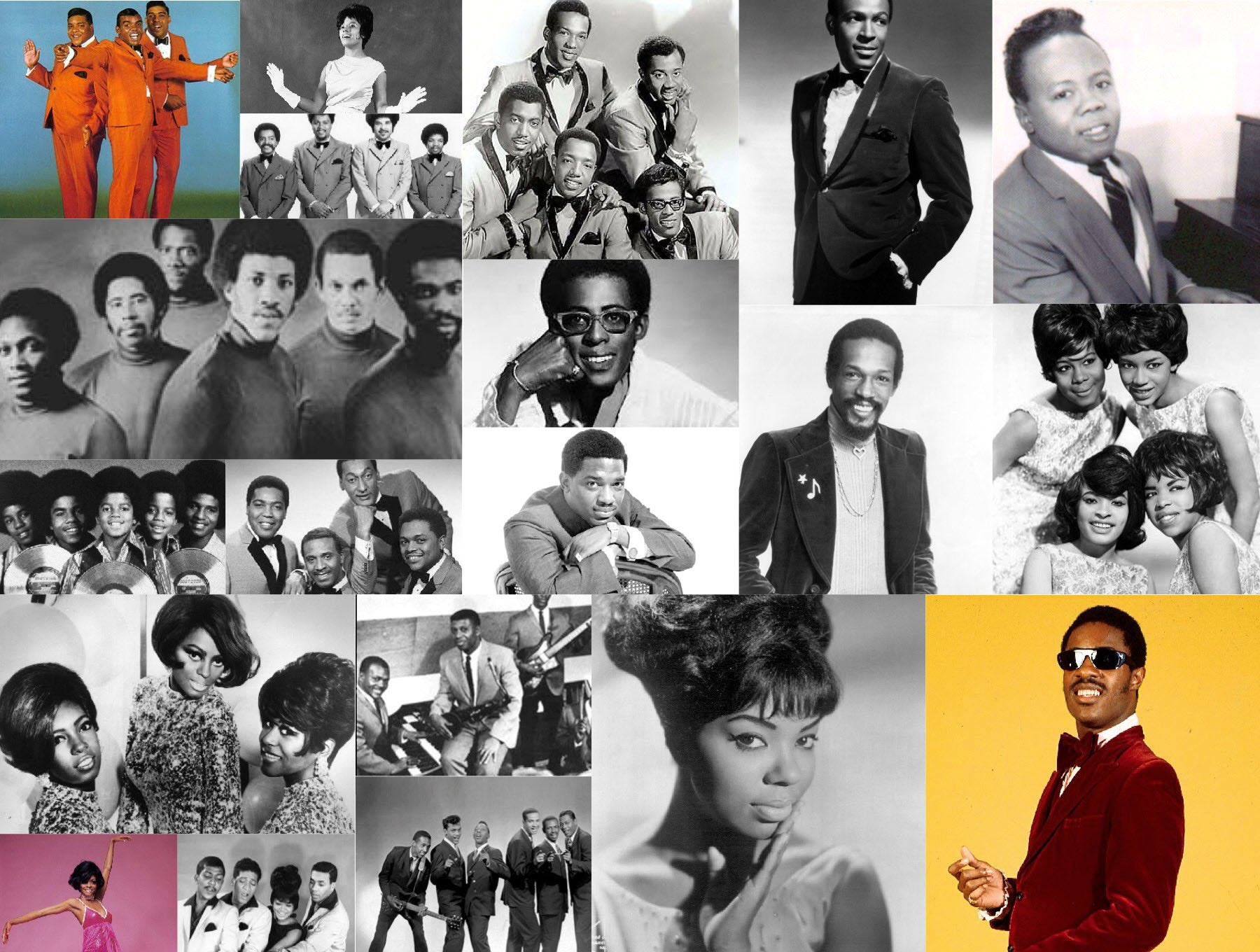
From the moment that signature tambourine shake hits your ears, you know you’re about to experience something magical. Welcome to the world of Motown—a sound that defined a generation, broke racial barriers, and forever changed the course of popular music. Founded in 1959 by Berry Gordy in Detroit, Motown Records gave rise to some of the most unforgettable voices and timeless tracks in music history. These weren’t just songs—they were movements, powered by heart-thumping rhythms, soaring vocals, and lyrics that spoke to love, loss, hope, and change.
This list of the Top 15 Most Popular Motown Songs of All Time celebrates the very best of that golden era. From the silky harmonies of The Temptations to the powerhouse emotion of Marvin Gaye, and the youthful fire of The Jackson 5 to the fierce elegance of The Supremes—these songs didn’t just climb the charts, they defined them. Each track is a masterpiece, a moment in time that continues to resonate across generations.
So crank up the volume, dust off your dancing shoes, and get ready to groove through the greatest Motown hits ever recorded. The soul train is ready to roll—are you coming along?
1. “My Girl” – The Temptations (1964)
Released in December 1964, “My Girl” is one of Motown’s most beloved and enduring love songs. Written and produced by Smokey Robinson and Ronald White, the track became the breakout hit for The Temptations, particularly spotlighting the golden voice of David Ruffin. From the very first notes of that unmistakable bassline, you know you’re in for something special. Ruffin’s smooth and soulful vocals radiate warmth, perfectly matched with the heartfelt lyrics that express pure, uncomplicated love. The Funk Brothers, Motown’s legendary house band, provide a gently grooving backdrop with lush strings, crisp horns, and subtle percussion that elevate the song without overpowering it. “My Girl” marked a historic moment—it was the Temptations’ first No. 1 hit and Motown’s first chart-topper on the Billboard Hot 100. But beyond statistics, the song’s legacy lies in how it makes people feel. It’s a soundtrack for first dances, family cookouts, and everyday moments of joy. Decades later, it still feels fresh, timeless, and full of soul. Few songs manage to be both musically impeccable and emotionally universal, but “My Girl” remains a perfect blend of both—a genuine classic that keeps on shining.
2. “What’s Going On” – Marvin Gaye (1971)
Marvin Gaye’s “What’s Going On,” released in 1971, was a revolutionary shift in both his career and Motown’s legacy. Stepping away from love songs, Gaye delivered a heartfelt and poignant reflection on the state of the world—one that still resonates more than fifty years later. Inspired by stories from his brother returning from Vietnam and the social unrest gripping the U.S., Gaye created a protest song wrapped in beauty. His voice glides over a jazz-inflected arrangement filled with soft strings, distant horns, and a laid-back groove that contrasts with the urgency of the message. The conversational tone draws listeners in like a personal plea, asking not just rhetorical questions, but real ones—“Who really cares?” “What’s going on?” Initially met with resistance by Motown’s Berry Gordy, who feared it was too political, the song was ultimately released and became a landmark in soul music. It topped charts and changed the expectations of what a pop song could be. More than just a hit, “What’s Going On” is a timeless artistic statement—a soulful call for compassion, unity, and awareness, delivered with unmatched grace. It’s one of the most important and beautifully crafted songs in American music history.
3. “I Heard It Through the Grapevine” – Marvin Gaye (1968)
Marvin Gaye’s 1968 version of “I Heard It Through the Grapevine” is the one that made the song iconic, even though it was first recorded by others. Gaye transformed the tune into a slow-burning soul epic, infused with suspicion, heartache, and raw emotion. His haunting vocal performance perfectly captures the pain of discovering betrayal through whispers instead of honesty. The production, helmed by Norman Whitfield, is layered and atmospheric—haunting piano, dramatic strings, and gospel-inspired backing vocals all contribute to a moody soundscape that feels cinematic in scope. There’s a creeping tension throughout the song that makes every note feel like it’s on the verge of unraveling. Interestingly, Motown initially shelved Gaye’s version, unsure of its commercial appeal. But when it was finally released, it skyrocketed to No. 1 on the Billboard Hot 100 and became Motown’s biggest-selling single at the time. It redefined what a soul record could be—polished yet deeply emotional, dramatic but rooted in reality. Gaye’s version of “Grapevine” isn’t just a tale of lost love—it’s a masterclass in building atmosphere and emotion, turning a personal moment of heartbreak into a universally felt soul anthem.
4. “Ain’t No Mountain High Enough” – Marvin Gaye & Tammi Terrell (1967)
Released in 1967, “Ain’t No Mountain High Enough” is a jubilant celebration of love’s unwavering strength. Written by Nickolas Ashford and Valerie Simpson, the song came alive through the electric chemistry between Marvin Gaye and Tammi Terrell. Their voices complement each other beautifully—his smooth and laid-back, hers vibrant and bright—creating a vocal dance that radiates joy and connection. From its very first bars, with tambourines shaking and horns blaring, the track pulls you into its uplifting energy. It’s not just a love song—it’s a promise of loyalty, a pledge to be there no matter what stands in the way. The arrangement is punchy and crisp, with a driving rhythm that makes it impossible not to smile or sing along. While Diana Ross’s later solo version took the song in a more dramatic, orchestral direction, it’s this original duet that remains the most heartfelt and fun. It’s a soul classic that manages to be both powerful and playful, proving that real love doesn’t need grand gestures—it just needs two voices singing in harmony. “Ain’t No Mountain High Enough” continues to inspire with its boundless spirit and timeless message of devotion.
5. “Superstition” – Stevie Wonder (1972)
“Superstition,” released in 1972, is the sound of Stevie Wonder at full creative power, bending funk, soul, and rock into something entirely his own. Right from the jump, that clavinet riff—crunchy, syncopated, unforgettable—grabs your attention and doesn’t let go. Wonder played nearly every instrument on the track himself, including drums, showing off his genius not just as a vocalist, but as a multi-instrumentalist and producer. The song was originally written for Jeff Beck, but once Wonder laid down his own version, it was clear this was something special. Lyrically, “Superstition” warns against blindly following irrational beliefs, but the message is delivered with groove and grit rather than preachiness. Wonder’s vocals are playful and urgent, dancing in lockstep with the tight horn stabs and percussive rhythm. It hit No. 1 on the Billboard Hot 100 and became one of the defining tracks of the ’70s. More than just a hit, “Superstition” set a new bar for what funk-infused pop could be—complex, funky, and socially sharp. It’s a musical lightning bolt, and decades later, it still strikes with the same electrifying force.
6. “Dancing in the Street” – Martha and the Vandellas (1964)
“Dancing in the Street” is more than just a Motown dance hit—it’s a cultural time capsule, capturing the energy, urgency, and optimism of the 1960s. Released in 1964, the song was co-written by Marvin Gaye, William “Mickey” Stevenson, and Ivy Jo Hunter. While it was originally intended to be a fun, upbeat anthem for summer block parties, Martha Reeves’ powerhouse delivery turned it into something more. With her commanding voice leading the charge, the song became an accidental protest anthem. During the civil rights movement, it was interpreted as a call for unity and freedom—a soundtrack for peaceful resistance as much as celebration. The explosive horns, booming drums, and catchy chorus make it impossible not to move. Cities are called out one by one, inviting people everywhere to come together in joy and purpose. Whether you hear it as a party track or a subtle rallying cry, “Dancing in the Street” remains a symbol of community and expression. It’s proof that music can be both joyful and powerful, and that sometimes the best way to take to the streets is with rhythm and soul.
7. “Stop! In the Name of Love” – The Supremes (1965)
Released in 1965, “Stop! In the Name of Love” by The Supremes is a perfect storm of polished pop and emotional drama. Written and produced by the iconic team of Holland–Dozier–Holland, the song features Diana Ross’s crystal-clear vocals at their finest—equal parts pleading and poised. With Mary Wilson and Florence Ballard providing graceful harmonies, the trio delivers a breakup song that’s as elegant as it is commanding. The title itself, shouted like a warning, became iconic—especially when paired with the group’s famous “stop” hand gesture, which quickly became a signature moment in their live shows. Musically, it’s driven by a bright organ, a pulsing beat, and shimmering strings, creating a sonic blend that’s both sophisticated and irresistibly catchy. “Stop! In the Name of Love” reached No. 1 on the Billboard Hot 100 and cemented The Supremes as queens of both the charts and pop culture. It’s more than just a catchy tune—it’s a snapshot of 1960s glamour and girl group power, wrapped in heartbreak, hope, and a melody you’ll never forget.
8. “I Want You Back” – The Jackson 5 (1969)
“I Want You Back,” released in 1969, wasn’t just a debut single—it was a declaration. The Jackson 5 burst onto the scene with explosive energy, and this track introduced the world to a young Michael Jackson, whose voice—youthful but full of soul—stole the spotlight from the first note. Written by Motown’s hit-making team The Corporation, the song blends funk, soul, and bubblegum pop into a thrilling three-minute ride. The punchy piano, funky bassline, and infectious rhythm create a wall of sound that’s impossible to resist. Lyrically, it’s a story of regret and pleading for a second chance, delivered with more maturity and emotion than most would expect from a pre-teen singer. Michael’s vocal delivery—sharp, sincere, and dazzling—makes every lyric hit home. The track rocketed to No. 1 on the Billboard Hot 100 and marked the beginning of the Jackson 5’s chart domination. Decades later, “I Want You Back” still bursts with life. It’s more than a nostalgic favorite—it’s a pop masterpiece that continues to bring joy to new generations. It marked the start of one of music’s most legendary careers and remains one of Motown’s brightest gems.
9. “You Can’t Hurry Love” – The Supremes (1966)
With its infectious beat and wise lyrics, “You Can’t Hurry Love” became an instant Motown classic when it was released in 1966. Written and produced by the powerhouse trio Holland–Dozier–Holland, the song combines catchy melodies with a timeless message about patience and trust in matters of the heart. Diana Ross leads the charge with a warm and confident vocal performance, drawing listeners into a conversation passed down from “mother dear,” offering advice that still rings true today: real love takes time. Behind her, the rhythmic bounce, gospel-tinged backing vocals, and vibrant instrumentation—courtesy of the Funk Brothers—create an irresistible groove that makes the song as danceable as it is meaningful. The track soared to No. 1 on the Billboard Hot 100 and became one of The Supremes’ most beloved hits. It’s been covered countless times—most notably by Phil Collins in the 1980s—but the original retains a certain spark and spirit that no version has ever quite matched. “You Can’t Hurry Love” is a shining example of how Motown fused wisdom with rhythm, creating songs that could move your feet and touch your heart at the same time.
10. “Signed, Sealed, Delivered I’m Yours” – Stevie Wonder (1970)
“Signed, Sealed, Delivered I’m Yours” marked a pivotal moment in Stevie Wonder’s career. Released in 1970, the song was the first major hit that Wonder wrote, produced, and performed almost entirely on his own—signaling the dawn of his artistic independence. Bursting with energy and charm, the track is a joyful explosion of love, redemption, and personal declaration. Wonder’s powerful, expressive vocals bring the lyrics to life with a mix of urgency and playfulness, as he sings of a man owning up to past mistakes and pledging himself fully to someone new. The bright horns, handclaps, and bouncing rhythm give the song a contagious feel-good quality. Co-written with Syreeta Wright, the track also features vibrant backing vocals from Wonderlove, which included Wright herself. “Signed, Sealed, Delivered” quickly climbed the charts and became a staple in Wonder’s live performances and greatest hits collections. Its blend of classic Motown soul with a fresh, funky edge laid the groundwork for the groundbreaking work Wonder would do in the 1970s. It remains an anthem of commitment and exuberance, proof of Stevie Wonder’s ability to create timeless music that overflows with personality, rhythm, and soul.
11. “Reach Out I’ll Be There” – The Four Tops (1966)
“Reach Out I’ll Be There” isn’t just one of The Four Tops’ biggest hits—it’s one of Motown’s most dramatic and powerful recordings. Released in 1966 and penned by the legendary Holland–Dozier–Holland team, the song feels like a passionate cry of support and solidarity. At its heart is Levi Stubbs, whose emotionally charged and almost desperate vocal delivery transforms the lyrics into a soul-stirring promise of unwavering love and loyalty. The arrangement is bold and theatrical, combining elements of classical music, gospel, and pop in a way that builds tension and release. A galloping rhythm, blaring flutes, and thundering drums all swirl around Stubbs’ impassioned voice, creating a sense of urgency that feels almost operatic. The result is a song that doesn’t just ask you to listen—it demands it. “Reach Out I’ll Be There” became a No. 1 hit and remains one of Motown’s most memorable tracks, covered and sampled by artists across generations. It’s a towering declaration of love and support, wrapped in a thrilling soundscape that captures the heights of both musical drama and emotional resonance.
12. “Ain’t Too Proud to Beg” – The Temptations (1966)
The Temptations struck emotional gold with “Ain’t Too Proud to Beg,” released in 1966. Produced by Norman Whitfield and written with Edward Holland Jr., the song is a soul plea wrapped in rhythm and urgency. David Ruffin takes center stage with a vocal performance that’s as gritty as it is heartfelt—he doesn’t just sing; he begs, pouring out emotion with each line. The desperation in his voice is matched by the song’s driving groove, anchored by the Funk Brothers’ tight instrumentation and accented with bold horns and snapping drums. The track’s arrangement is fast-paced and relentless, echoing the anxiety and vulnerability in the lyrics. It’s not just a song about wanting someone back—it’s about laying pride aside for love, a theme that resonated deeply with listeners. “Ain’t Too Proud to Beg” became a major hit, climbing into the Top 20 on the Billboard Hot 100 and becoming one of the Temptations’ most defining tracks. It’s raw, real, and undeniably catchy—a perfect example of how Motown could turn personal turmoil into something everyone wanted to dance to. It’s soul music at its most human.
13. “Let’s Get It On” – Marvin Gaye (1973)
In 1973, Marvin Gaye released “Let’s Get It On,” a song that redefined how sensuality and soul could coexist in popular music. After the socially conscious depth of “What’s Going On,” Gaye shifted gears to explore the emotional and physical aspects of love, delivering a sultry ballad that was as honest as it was groundbreaking. Co-written with Ed Townsend, the track starts with a warm, mellow groove—gentle guitar riffs, soft strings, and a smooth funk bass line set the stage. Then Gaye’s voice enters: tender, passionate, and unfiltered. His delivery is both seductive and sincere, inviting rather than demanding. It’s a song about vulnerability and intimacy, wrapped in an arrangement that’s both slow-burning and sophisticated. Though provocative at the time, the song’s message was ultimately about connection—spiritual, emotional, and physical. It became a chart-topping hit and one of Gaye’s most iconic recordings, frequently appearing in romantic moments on screen and in real life. “Let’s Get It On” is more than just a slow jam—it’s a landmark in soul music that combines desire with dignity and groove with grace, proving Marvin Gaye was a master of musical expression.
14. “Just My Imagination (Running Away with Me)” – The Temptations (1971)
Released in 1971, “Just My Imagination (Running Away with Me)” is a tender, wistful ballad that shows a softer, more introspective side of The Temptations. Moving away from the psychedelic soul that had defined their late ’60s sound, the group returned to their roots with a song rich in emotional nuance and melodic beauty. Eddie Kendricks delivers the lead vocal with a gentle, almost ethereal touch, his falsetto perfectly capturing the vulnerability of a man lost in daydreams of love that’s not real. The lush orchestration—featuring strings, flutes, and a delicate rhythm section—creates a dreamy atmosphere that enhances the bittersweet tone. The lyrics tell a story of quiet yearning, a fantasy so vivid it feels real, until the heartbreaking realization sets in. It topped the Billboard Hot 100 and became one of the group’s most beloved ballads. “Just My Imagination” is more than a love song—it’s a portrait of longing and loneliness wrapped in some of Motown’s most elegant production. It’s a reminder of the power of dreams, and how deeply we can feel love, even when it only lives in our minds.
15. “You Are the Sunshine of My Life” – Stevie Wonder (1973)
“You Are the Sunshine of My Life,” released in 1973, is a heartfelt expression of love and gratitude from Stevie Wonder, taken from his classic album Talking Book. The song opens unusually with guest vocalists Jim Gilstrap and Lani Groves, setting a warm, communal tone before Wonder steps in with his unmistakable voice. What follows is three minutes of pure joy—both musically and emotionally. The arrangement is light and jazzy, carried by electric piano, horns, and a breezy rhythm section that gives it an easy, timeless feel. Wonder’s lyrics are simple yet deeply moving, declaring unwavering affection with a sincerity that feels like a warm embrace. The song quickly became a No. 1 hit and earned Wonder a Grammy Award for Best Male Pop Vocal Performance. Beyond its accolades, it has become a staple at weddings, anniversaries, and family gatherings—a true love anthem. “You Are the Sunshine of My Life” exemplifies the kind of optimism and musical craftsmanship that defined Wonder’s early ’70s work. It’s an enduring tribute to love’s ability to brighten our days and a shining example of Stevie Wonder’s emotional and musical brilliance.

Samuel Moore is a frequent contributor to Singers Room. Since 2005, Singersroom has been the voice of R&B around the world. Connect with us via social media below.









