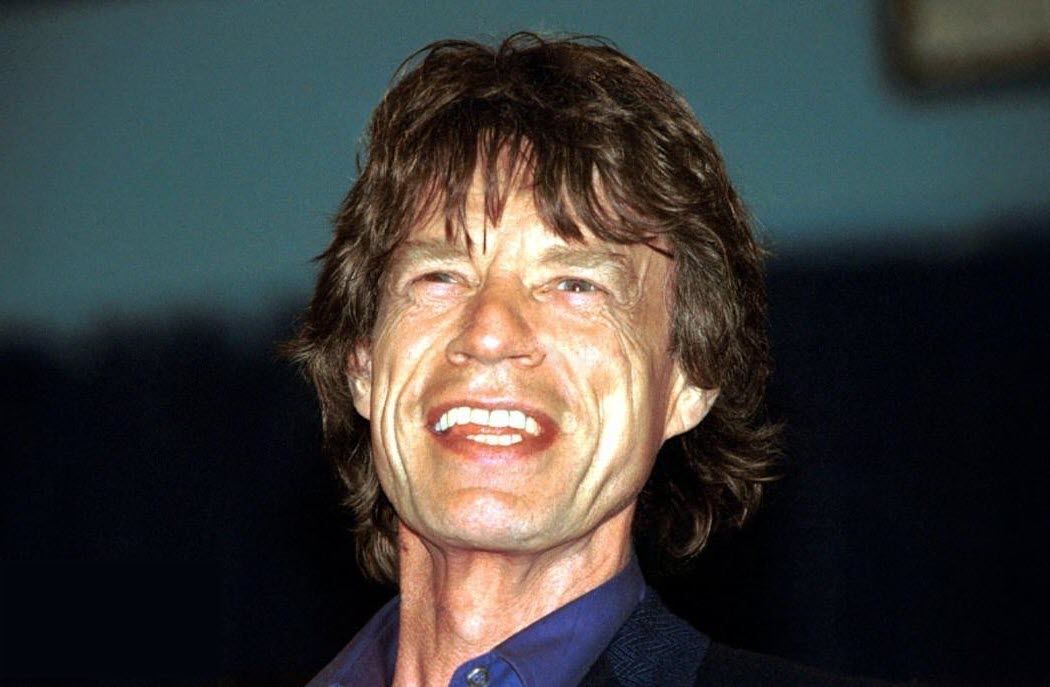
Mick Jagger is more than just a rock icon; he’s a musical legend whose voice and charisma have left an indelible mark on the landscape of popular music. As the frontman of The Rolling Stones, Jagger has penned and performed some of the most unforgettable songs in rock history, captivating audiences across generations. From the raw energy of early hits to the sophisticated melodies of later works, his solo career also shines brightly, showcasing his versatility and enduring appeal.
In this article, we’ll dive into the top 10 most popular Mick Jagger songs of all time, celebrating the tracks that have defined his career and influenced countless artists. Whether you’re a lifelong fan or newly discovering his music, these tracks embody the essence of rock and roll—full of passion, rebellion, and timeless artistry. Get ready to relive the thrill of iconic anthems and hidden gems alike, as we explore the songs that have solidified Mick Jagger’s status as one of the greatest entertainers of all time. Join us on this musical journey and find out which songs made the cut!
1. “(I Can’t Get No) Satisfaction” (1965)
“(I Can’t Get No) Satisfaction” is the Rolling Stones’ definitive breakthrough—a raw, electrifying anthem that tapped directly into the frustrations of a restless generation. Released in 1965, the song’s instantly recognizable guitar riff, crafted by Keith Richards in a dream, became one of rock’s most iconic hooks. Mick Jagger’s biting lyrics cut through the noise of commercialism and societal expectations, giving voice to a growing sense of disillusionment. His vocal delivery, swaggering and urgent, encapsulated the spirit of rebellion brewing in the youth of the era. More than just a hit single, the song sparked a cultural shift, helping to define the British Invasion and the sound of ’60s rock. Its raw production and unapologetic attitude were revolutionary at the time, challenging norms and setting a new standard for what rock music could express. Even decades later, the song’s message of dissatisfaction in the face of consumer culture and media overload feels strikingly relevant. “Satisfaction” isn’t just a song—it’s a generational statement, a moment in time captured in fuzz-toned guitar and gritty vocals. It remains one of the Rolling Stones’ most enduring and influential recordings.
2. “Paint It Black” (1966)
“Paint It Black” is a dark, hypnotic masterpiece that revealed a more experimental and introspective side of the Rolling Stones. Released in 1966, the track immediately stands out for its haunting sitar line, played by Brian Jones, which adds a unique Eastern influence that was groundbreaking for Western rock at the time. Lyrically, the song dives into deep emotional territory—grief, loss, and depression—set against a world that keeps moving forward, indifferent to personal sorrow. Mick Jagger’s voice carries an urgent sorrow, perfectly paired with the song’s driving rhythm and shadowy atmosphere. The blend of psychedelic instrumentation and rock roots created a sound that was both fresh and unsettling. “Paint It Black” tapped into the darker emotions bubbling beneath the surface of the ’60s counterculture, offering a cathartic outlet for listeners wrestling with change and uncertainty. Its cinematic quality and raw intensity have made it a timeless favorite, often used in film and television to evoke turmoil and inner conflict. The song is not just a stylistic evolution for the Stones—it’s a deeply emotional experience that still resonates today for its honesty, innovation, and emotional weight.
3. “Sympathy for the Devil” (1968)
“Sympathy for the Devil” is one of the Rolling Stones’ most daring and provocative tracks—both musically and thematically. Released in 1968 on Beggars Banquet, the song introduces Lucifer as a suave narrator who recounts humanity’s darkest moments throughout history. Mick Jagger’s performance is charismatic and unsettling, offering a chilling perspective on human nature and collective responsibility. With a samba-inspired rhythm driven by congas, piano, and maracas, the song defied rock conventions and leaned into a worldly, rhythmic sound that was as infectious as it was unexpected. Keith Richards’ guitar solo adds urgency and edge, elevating the tension with each phrase. Lyrically, the track is rich in historical references—wars, assassinations, revolutions—all delivered with a sneering smile. At its core, the song challenges the listener: is the devil the villain, or is it human nature itself? The controversy it sparked only added to its mystique, cementing it as one of the band’s most intellectually provocative works. “Sympathy for the Devil” isn’t just a song—it’s a philosophical confrontation wrapped in rhythm, wit, and fire. It’s a masterclass in turning controversy into high art.
4. “Gimme Shelter” (1969)
“Gimme Shelter” is a chilling, urgent reflection of a world on the brink, encapsulating the chaos and unrest of the late 1960s. From the eerie, tremolo-soaked guitar intro to the explosive chorus, the song creates an atmosphere of apocalyptic tension. Mick Jagger’s vocals are filled with dread and desperation, but it’s Merry Clayton’s unforgettable guest performance that steals the spotlight—her fierce, soulful cries of “rape, murder—it’s just a shot away” send shivers down the spine. Released in 1969 as the opening track of Let It Bleed, “Gimme Shelter” speaks to a generation overwhelmed by war, civil rights struggles, and cultural upheaval. The track’s production is stark yet powerful, with every element—guitar, percussion, and voice—contributing to the mood of imminent danger. It’s a song that doesn’t just describe fear; it embodies it. Over time, “Gimme Shelter” has grown into one of the most iconic protest songs ever recorded, continuing to resonate in times of crisis. It’s not just a call for shelter from physical violence, but a metaphor for spiritual refuge in a world gone mad. It remains one of the Stones’ most haunting achievements.
5. “Angie” (1973)
“Angie” is a tender and melancholic ballad that reveals the Rolling Stones at their most vulnerable. Released in 1973 on the album Goats Head Soup, the track showcases a softer, more introspective side of the band. With its gentle acoustic guitar and rich piano accompaniment, “Angie” stands out from the band’s typically gritty rock sound. Mick Jagger’s vocals are raw and emotional, capturing the ache of a love that’s fading despite lingering affection. The lyrics are ambiguous enough to spark endless speculation—was Angie a real person, or a symbol of something more universal? Regardless of its origin, the song’s emotional honesty struck a chord with listeners worldwide. Its stripped-back arrangement allows Jagger’s voice to take center stage, drawing listeners into the heartbreak and resignation that runs through every line. “Angie” topped the charts in several countries and became a concert staple, cherished for its lyrical depth and beautiful melody. It’s a poignant reminder that beneath the Stones’ rock ‘n’ roll bravado lies a real sensitivity and poetic spirit. “Angie” remains one of their most beloved ballads—a quiet storm of emotion and reflection.
6. “Start Me Up” (1981)
“Start Me Up” is a pure shot of adrenaline—an explosive anthem that captures the raw energy of the Rolling Stones well into their second decade of success. Released in 1981 as the lead single from the Tattoo You album, the song began life as a reggae experiment before evolving into the riff-driven rock powerhouse we know today. Keith Richards’ iconic guitar riff kicks in with swagger and confidence, instantly setting the tone. Mick Jagger’s vocals are flirtatious and full of attitude, delivering lines that balance between suggestive and playful. The chorus is an instant earworm—”Start me up, I’ll never stop”—perfectly summarizing the band’s endless drive and stamina. It’s no surprise the song became a staple of stadium tours, sports arenas, and commercials—it’s practically built to be blasted at full volume. Beneath the catchy exterior, though, is a tight arrangement and flawless execution that reflects the band’s years of experience. “Start Me Up” isn’t just a fun track—it’s a declaration that the Stones were still alive, kicking, and ready to roll. Decades later, its punch hasn’t dulled, and its place as a rock classic is more than secure.
7. “Miss You” (1978)
“Miss You” showcases the Rolling Stones at their most experimental and groove-driven, embracing the disco-influenced rhythms of the late ’70s while keeping their rock edge intact. Released in 1978 as the lead single from Some Girls, the song marked a shift in sound that surprised some fans—but it quickly proved to be a massive hit. From the moment that slick, hypnotic bassline kicks in, it’s clear this track is designed for the dancefloor. Mick Jagger’s vocals are sultry and emotional, portraying a man caught in the loneliness of longing and late-night city wanderings. Lyrically, it’s a vulnerable track wrapped in a smooth, almost seductive package. Charlie Watts’ crisp drumming and the subtle use of harmonica add layers of texture, making the song both moody and infectious. “Miss You” didn’t just keep the Stones relevant during the rise of disco—it elevated them, proving they could adapt without losing their core identity. The track became a crossover success, topping charts and filling clubs. Today, it stands as a bold reminder of the band’s range and their willingness to evolve, without sacrificing their unmistakable sound.
8. “You Can’t Always Get What You Want” (1969)
“You Can’t Always Get What You Want” is a sprawling, ambitious anthem that captures the bittersweet reality of life with beauty and grace. Released in 1969 on the Let It Bleed album, the song opens with the angelic tones of the London Bach Choir—a contrast to the Stones’ usual gritty vibe—and sets the stage for something truly unique. As the song progresses, it transitions into a soulful, gospel-tinged ballad led by Mick Jagger’s reflective vocals and rich instrumentation. The lyrics explore themes of disappointment, desire, and acceptance, all while affirming a simple but profound truth: sometimes not getting what you want leads to exactly what you need. With its layered arrangement, including French horn, piano, and gospel backing vocals, the song feels more like a journey than a standard rock track. It became a defining piece of the Stones’ catalog, often closing their concerts with emotional resonance. More than five decades later, “You Can’t Always Get What You Want” remains a universal anthem—one that speaks to the human experience with timeless honesty and hope.
9. “Brown Sugar” (1971)
“Brown Sugar” is one of the Rolling Stones’ most high-energy and provocative songs, blending infectious rock ‘n’ roll swagger with controversial themes. Released in 1971 as the opening track of Sticky Fingers, the song kicks off with a searing riff from Keith Richards that immediately grabs attention. Mick Jagger’s vocals are full of unfiltered bravado as he tears through lyrics that touch on race, sexuality, and power—topics that have fueled both fascination and criticism. Despite its lyrical content sparking debate, the song’s musicality is undeniable. Charlie Watts’ tight drumming and Bobby Keys’ wailing sax solo add to the raw, unrelenting momentum. It’s gritty, catchy, and pulsing with the Stones’ trademark energy. Over the years, “Brown Sugar” has remained a fan favorite, often opening live shows and igniting crowds with its raucous spirit. The song is a reflection of its era—reckless, edgy, and bursting with attitude. Though its lyrics have been reexamined in modern times, its place in rock history is secure. “Brown Sugar” encapsulates both the power and the controversy that have defined the Rolling Stones for decades.
10. “It’s Only Rock ‘n Roll (But I Like It)” (1974)
“It’s Only Rock ‘n Roll (But I Like It)” is a self-aware, tongue-in-cheek celebration of the very genre the Rolling Stones helped define. Released in 1974, the song served as the title track for their It’s Only Rock ‘n Roll album and offered a cheeky response to critics and fans alike. With its bouncing rhythm, catchy chorus, and Jagger’s charismatic vocals, the track feels like a nod to the band’s enduring love for rock despite its flaws. Keith Richards’ guitar work drives the song with a relaxed, confident swagger, while the playful lyrics poke fun at fame, media scrutiny, and the ever-changing trends in music. The song reminds listeners—and perhaps the band themselves—that at the end of the day, the joy of rock ‘n’ roll is what really matters. It’s not about perfection or polish; it’s about the feeling, the energy, and the connection. Over time, “It’s Only Rock ‘n Roll” became more than just a song—it became a mission statement. For the Rolling Stones, it summed up their attitude perfectly: rock may not be everything, but they like it—and we do too.

Edward Tomlin is a frequent contributor to Singers Room. Since 2005, Singersroom has been the voice of R&B around the world. Connect with us via social media below.









