Jazz—a genre that pulsates with emotion, creativity, and a rich tapestry of history—has given birth to some of the most extraordinary artists the world has ever known. From the smoky clubs of New Orleans to the vibrant streets of New York, these musicians have not only defined the sound of jazz but have also influenced countless other genres. In this article, we delve into the top 15 best jazz artists of all time, celebrating their groundbreaking contributions and timeless legacies.
Imagine the improvisational genius of Louis Armstrong, whose trumpet echoed the spirit of freedom and innovation, or the smooth, soulful melodies of Ella Fitzgerald, whose voice could both soothe and electrify audiences. We’ll explore the revolutionary sounds of John Coltrane, whose complex compositions pushed jazz into new territories, and the intricate rhythms of Duke Ellington, a maestro who transformed the big band era with his orchestral brilliance.
Each artist on our list has left an indelible mark on the world of music, captivating listeners with their unique styles and profound artistry. Join us as we journey through the lives and legacies of these jazz legends, discovering the magic that continues to inspire generations.
1. Louis Armstrong
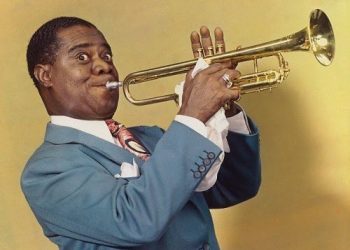
Louis Armstrong wasn’t just a jazz musician—he was a cultural force who changed the face of American music forever. With his gravelly voice and joyful trumpet, Armstrong introduced improvisation to a broad audience, turning jazz into a global sensation. Songs like “What a Wonderful World,” “Hello, Dolly!” and “When the Saints Go Marching In” showcase his infectious energy and deep emotional resonance. More than a brilliant performer, he was also a trailblazer who broke racial barriers during a deeply segregated era. His charisma on stage and screen made him beloved worldwide, and his musical phrasing, rhythmic timing, and heartfelt expression influenced not just jazz, but pop, blues, and beyond. Armstrong’s technical brilliance on the trumpet revolutionized solo performance in jazz, setting new standards for generations. He could make his horn sing and his voice cry, often doing both in the same song. To this day, you can hear echoes of his style in countless musicians across genres. Armstrong wasn’t just the sound of jazz—he was its heart and soul.
2. Duke Ellington
Duke Ellington was more than a composer or bandleader—he was a visionary who elevated jazz to the level of fine art. Leading one of the most celebrated big bands in history, Ellington wrote over a thousand compositions that remain timeless. Classics like “Mood Indigo,” “Take the ‘A’ Train,” and “It Don’t Mean a Thing (If It Ain’t Got That Swing)” are just a glimpse into his vast, sophisticated catalog. He was a master of orchestration, blending the unique voices of his band members into lush, intricate arrangements that defied traditional jazz structure. Ellington’s music transcended genre—drawing from classical, gospel, blues, and even world music—and always carried a strong sense of dignity and refinement. His collaborations with Billy Strayhorn and his ability to highlight the talents of legends like Johnny Hodges and Cootie Williams gave his band a signature sound that was always evolving. A cultural ambassador and proud African American artist, Ellington used his platform to challenge perceptions of jazz and its place in American society. Even decades after his death, his influence can still be felt in both jazz and contemporary orchestral music.
3. Charlie Parker
Charlie Parker, affectionately nicknamed “Bird,” was one of the most revolutionary figures in the history of jazz. His playing redefined the saxophone and helped launch the bebop movement—a style marked by rapid tempos, complex chord changes, and dizzying improvisation. With lightning-fast fingers and a fearless musical imagination, Parker transformed jazz from dance music into an art form that demanded active listening. Tracks like “Ornithology,” “Ko-Ko,” and “Now’s the Time” display his unmatched ability to create melodic lines that twist and soar with energy and intellect. Despite a life marked by personal struggles and addiction, Parker’s influence on jazz—and music as a whole—is immeasurable. He inspired not only saxophonists but pianists, drummers, and composers across the board. Parker’s phrasing, harmonic innovations, and emotional expressiveness still serve as a benchmark for aspiring jazz musicians. He didn’t just play notes; he told stories with every solo. His legacy is one of genius, complexity, and transformation—proof that art can emerge from even the most chaotic life.
4. John Coltrane
John Coltrane was a seeker—of sound, of spirituality, of truth. A saxophonist of unmatched intensity and innovation, Coltrane pushed the boundaries of jazz beyond what anyone had previously imagined. Early in his career, he made waves as a sideman with Miles Davis and Thelonious Monk, but it was his own work, particularly on albums like *Giant Steps*, *My Favorite Things*, and *A Love Supreme*, that revealed his full artistic vision. Coltrane’s playing was marked by a relentless curiosity; he often practiced for hours daily, exploring new modes, scales, and harmonic concepts. *A Love Supreme*, a deeply spiritual suite, is widely considered one of the most profound musical expressions of faith and devotion ever recorded. He wasn’t content to stay within traditional jazz structures—instead, he helped usher in free jazz and avant-garde styles, expanding the vocabulary of improvisation. His collaborations with fellow visionaries like McCoy Tyner and Elvin Jones produced some of the most powerful music of the 20th century. Even now, Coltrane’s legacy continues to inspire not just musicians, but anyone in search of deeper meaning through art. He wasn’t just playing jazz—he was chasing the divine.
5. Billie Holiday
Billie Holiday, also known as “Lady Day,” had a voice that could break your heart in the best way possible. She didn’t have the widest range or the most powerful tone, but what she possessed was far more rare: pure emotional truth. Her phrasing was unlike anyone else’s—bending notes, holding back the beat, and pouring her soul into every word. Songs like “Strange Fruit,” a haunting protest against racism and lynching, and “God Bless the Child,” drawn from her own struggles, reveal the depth of her artistry and courage. Holiday’s life was filled with hardship, including battles with addiction and abuse, but she channeled her pain into performances that still resonate today. Her unique vocal style laid the groundwork for generations of jazz and pop vocalists. Listening to her feels like eavesdropping on someone’s most intimate thoughts—raw, beautiful, and unforgettable. Despite a short and turbulent life, Billie Holiday’s contributions to music and civil rights echo long past her time. She was more than a singer; she was a storyteller who sang the blues with elegance, sorrow, and grace.
6. Ella Fitzgerald
Ella Fitzgerald, lovingly known as the “First Lady of Song,” brought pure joy and effortless grace to everything she sang. With a voice as clear as a bell and a range that spanned three octaves, she made even the most complex melodies sound easy. Fitzgerald was a master of scat singing—turning her voice into a jazz instrument and delivering improvised runs that amazed listeners and fellow musicians alike. Her interpretations of the Great American Songbook, from Cole Porter to George Gershwin, remain definitive, blending technical precision with genuine warmth and charm. Hits like “Summertime” and “Dream a Little Dream of Me” showcase her tender emotional expression, while upbeat numbers like “A-Tisket, A-Tasket” highlight her playful spirit. She collaborated with legends such as Louis Armstrong, Duke Ellington, and Count Basie, elevating every performance with her presence. Behind her radiant smile was a quiet determination—Fitzgerald overcame poverty, racial discrimination, and health struggles to become one of the most respected and beloved figures in music history. She wasn’t just a remarkable jazz singer—she was an inspiration, proving that talent, resilience, and kindness can leave a legacy that lasts forever.
7. Thelonious Monk
Thelonious Monk was one of jazz’s most unconventional geniuses. A pianist and composer with a wholly original voice, Monk didn’t just play music—he created entire worlds with his idiosyncratic rhythms, unexpected harmonies, and unmistakable touch. His compositions, like “Round Midnight,” “Straight, No Chaser,” and “Blue Monk,” have become jazz standards, but they still retain a sense of mystery and surprise no matter how many times you hear them. Monk’s playing style could be described as percussive yet lyrical, jagged yet swinging—a contradiction that somehow made perfect musical sense. His sense of timing was unique, often landing notes just slightly behind or ahead of the beat, which gave his performances an eccentric, unpredictable feel. Beyond his music, Monk’s visual flair—complete with signature hats and spontaneous dance moves at the piano—made him a captivating presence. Though his work wasn’t always fully appreciated during his lifetime, today he’s recognized as one of jazz’s great architects. Monk taught musicians and listeners alike that creativity doesn’t always follow the rules—and that’s what makes it beautiful.
8. Miles Davis
Miles Davis wasn’t just a musician—he was a movement. Constantly evolving, Davis spent his entire career pushing the boundaries of jazz, refusing to be defined by a single style. Starting in bebop, he went on to pioneer cool jazz, modal jazz, and jazz fusion, always staying ahead of the curve. His album *Kind of Blue* is arguably the most iconic jazz record of all time, praised for its elegant simplicity and emotional depth. But Davis didn’t stop there—albums like *Bitches Brew* shattered jazz conventions and opened new sonic possibilities. Known for his muted trumpet tone and minimalist approach, Davis could express more in one note than others could in a flurry. His knack for assembling talent—like John Coltrane, Herbie Hancock, and Wayne Shorter—meant his bands were often launching pads for future legends. Davis was known for his cool demeanor, sharp fashion, and relentless pursuit of innovation. He once said, “Don’t play what’s there; play what’s not there”—a quote that sums up his fearless approach to music. Miles Davis didn’t just influence jazz—he reinvented it again and again, shaping the sound of modern music in the process.
9. Count Basie
Count Basie brought swing to life with elegance, precision, and an irresistible sense of fun. As a bandleader and pianist, he built one of the most powerful and enduring big bands in jazz history. Known for his minimalist piano style—often just a few perfectly placed notes—Basie understood the value of space and rhythm better than most. His band’s signature “Kansas City swing” sound was all about groove, featuring tight horn sections, bluesy riffs, and driving rhythms that made you want to move. Classics like “April in Paris” and “One O’Clock Jump” are timeless examples of his ensemble’s cohesion and vitality. Basie had a gift for spotting talent and nurturing musicians, giving a stage to future stars like Lester Young, Freddie Green, and Joe Williams. What set Basie apart was his ability to maintain a sense of joy and sophistication, even in the most energetic arrangements. He once said, “If you play a tune and a person don’t tap their feet, don’t play the tune.” His music invited everyone in, and his influence can still be heard in jazz, pop, and even film scores today.
10. Herbie Hancock
Herbie Hancock is a fearless innovator who has continuously redefined what jazz can be. From his early days with Miles Davis in the 1960s to his trailblazing solo career, Hancock has always embraced experimentation. His classic album *Head Hunters* fused jazz with funk and electronic music, producing hits like “Chameleon” that still feel fresh and forward-thinking. He was one of the first major jazz artists to incorporate synthesizers and modern production techniques into his work, opening the genre to new audiences. Yet Hancock is also a classically trained pianist with a deep respect for jazz traditions. Albums like *Maiden Voyage* reflect his lyrical touch and harmonic brilliance, while later projects showcase his global perspective and genre-crossing curiosity. Over the decades, Hancock has collaborated with everyone from Wayne Shorter to Joni Mitchell to Kendrick Lamar, proving his relevance across generations. Beyond the stage, he’s been an advocate for music education and innovation, and a UNESCO Goodwill Ambassador for Intercultural Dialogue. Herbie Hancock’s career is a testament to the power of reinvention—he’s not just a jazz icon; he’s a musical adventurer whose journey continues to inspire.
11. Chick Corea
Chick Corea was a musical trailblazer whose creativity knew no bounds. A virtuosic pianist and composer, Corea’s career spanned more than five decades and included ventures into jazz, classical, Latin, and fusion styles. He was a founding member of Return to Forever, one of the most influential jazz fusion groups of the 1970s. With albums like *Light as a Feather* and *Romantic Warrior*, Corea blended intricate rhythms and melodies with electric instruments, forging a bold new direction for jazz. His acoustic piano work was just as remarkable—filled with emotional nuance, technical brilliance, and adventurous harmonies. Corea was also a passionate collaborator, working with greats like Miles Davis, Gary Burton, and Herbie Hancock, always bringing his trademark curiosity and enthusiasm to the music. Beyond his dazzling technique, what truly defined Chick Corea was his spirit of exploration. Whether performing a delicate ballad or an energetic improvisation, he approached music with wonder and imagination. His compositions, such as “Spain,” have become jazz standards, continuing to challenge and inspire musicians worldwide. Chick Corea’s legacy is one of fearless innovation, deep musicality, and an unwavering joy for the art of creation.
12. Sarah Vaughan
Sarah Vaughan possessed one of the most extraordinary voices in jazz history—a voice rich with depth, precision, and emotion. Often called “Sassy” or “The Divine One,” Vaughan could glide effortlessly through octaves, shift dynamics with ease, and improvise with the skill of a seasoned instrumentalist. Songs like “Misty,” “Tenderly,” and “Lullaby of Birdland” showcase not only her technical brilliance but also her ability to draw deep feeling from every lyric. She had a background in classical music, which gave her a unique command of phrasing and vibrato, but her heart was always rooted in jazz. Vaughan’s voice was an instrument all its own, capable of bending time, altering tone, and turning melodies into deeply personal expressions. Whether singing a slow ballad or an up-tempo scat, she delivered every note with soul and sophistication. Throughout her long and celebrated career, she worked with jazz legends such as Dizzy Gillespie, Count Basie, and Billy Eckstine. Sarah Vaughan’s artistry elevated vocal jazz to new heights, influencing countless singers across genres. She wasn’t just a great jazz vocalist—she was a once-in-a-generation talent whose voice still resonates with warmth and majesty.
13. Chet Baker
Chet Baker was the embodiment of cool jazz—an artist whose haunting trumpet lines and soft, melancholic voice conveyed vulnerability like no one else. Rising to fame in the 1950s alongside baritone saxophonist Gerry Mulligan, Baker quickly became known for his lyrical phrasing and emotionally understated approach to both trumpet playing and singing. His rendition of “My Funny Valentine” remains one of the most iconic jazz ballads, capturing a delicate mix of sadness, beauty, and introspection. With boyish good looks and effortless charm, Baker seemed destined for stardom, but his career was often disrupted by personal struggles, including drug addiction and legal troubles. Despite these challenges, his musical voice remained remarkably consistent—intimate, restrained, and deeply human. His minimalist style rejected flashy virtuosity in favor of expressive nuance, making every note count. Baker recorded prolifically throughout his life, often in European studios, where he found a more welcoming audience in his later years. Chet Baker’s music feels timeless because it taps into something universal—the fragility and longing of the human spirit. His legacy continues to captivate jazz lovers who find beauty in simplicity and honesty.
14. Ornette Coleman
Ornette Coleman was a fearless innovator who forever changed the landscape of jazz with his concept of free jazz. He challenged the traditional roles of melody, harmony, and rhythm, encouraging musicians to improvise with complete freedom and emotional honesty. His 1959 album *The Shape of Jazz to Come* lives up to its title—it marked a dramatic shift in how jazz could sound. Coleman’s approach was often controversial at first, as his music abandoned fixed chord progressions and embraced a more intuitive, expressive style. But for those who embraced his vision, it opened the door to a new universe of creative possibilities. He played the alto saxophone with a raw, vocal-like tone, and his compositions—like “Lonely Woman” and “Peace”—were filled with emotion, tension, and beauty. Coleman’s influence extended beyond jazz, inspiring avant-garde musicians, classical composers, and even rock artists. Despite criticism early in his career, he stayed true to his vision, eventually gaining recognition as one of the most important musical thinkers of the 20th century. Ornette Coleman didn’t just play outside the box—he threw the box away entirely and invited everyone to explore with him.
15. Wynton Marsalis
Wynton Marsalis is a brilliant trumpeter, composer, and educator who has spent his career bridging tradition and innovation. A tireless advocate for jazz, Marsalis is known for his technical mastery, intellectual rigor, and deep respect for the roots of the genre. His album *Black Codes (From the Underground)* helped define the sound of 1980s jazz, blending modern complexity with historical reverence. But Marsalis is more than a performer—he’s a cultural force. As the artistic director of Jazz at Lincoln Center, he has led a movement to preserve and elevate jazz as a key element of American heritage. He was also the first artist ever to win Grammy Awards in both jazz and classical categories in the same year, proving his extraordinary versatility. Marsalis’s tone is warm, bold, and precise, and his improvisations reflect both scholarly depth and soulful expression. Whether leading an orchestra or mentoring young musicians, he brings the same level of passion and dedication. Some critics have labeled him traditionalist, but Marsalis has always focused on excellence and authenticity. His work ensures that jazz is not only preserved, but continually reimagined—and passed on to future generations with care.

Edward Tomlin is a frequent contributor to Singers Room. Since 2005, Singersroom has been the voice of R&B around the world. Connect with us via social media below.