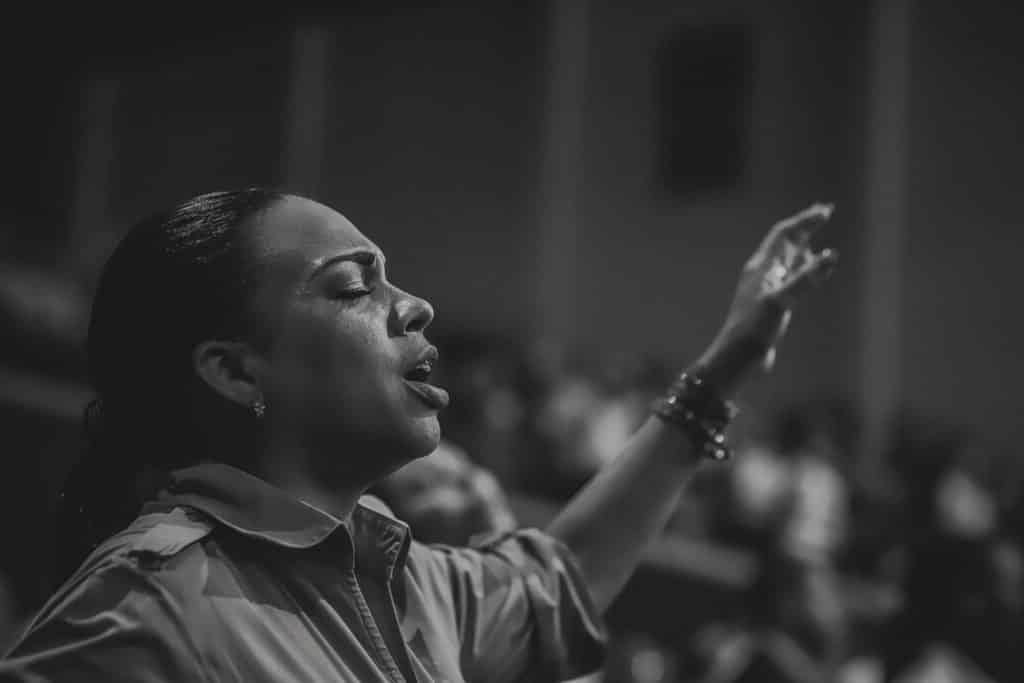
Gospel music has long been the soul-stirring heartbeat of spiritual expression—a genre that uplifts, empowers, and connects people across generations and cultures. From the pews of rural churches to the stages of worldwide concert halls, gospel songs have carried messages of hope, redemption, and unshakable faith. Whether it’s the timeless echo of a traditional hymn or the electrifying energy of a modern worship anthem, these songs speak to the deepest parts of the human spirit. In this article, we’re counting down the Top 15 Most Popular Best Gospel Songs of All Time—a powerful collection of music that has shaped the soundtrack of salvation for millions. Each track on this list has left a lasting impact, not just in the church, but often in pop culture, civil rights movements, and personal testimonies. You’ll find classics that have endured for centuries, as well as modern anthems that have redefined what gospel music can be. So whether you’re looking to lift your soul, stir your heart, or simply revel in the beauty of gospel’s finest, this list is a celebration of the songs that continue to inspire faith, stir worship, and bring light to even the darkest moments. Let’s dive in!
1. “Amazing Grace” – John Newton (1779)
“Amazing Grace” is one of the most enduring and beloved hymns ever written—a spiritual lifeline for millions across generations. Penned in 1779 by John Newton, a former slave ship captain who underwent a profound spiritual awakening and became an abolitionist, the song is a raw confession of redemption and grace. Its lyrics, reflecting Newton’s own transformation, speak universally to anyone who’s ever been lost and found again. Originally published in the Olney Hymns collection, the words were later paired with the tune “New Britain,” creating the hauntingly beautiful melody we know today. “Amazing Grace” has since been sung in churches, on battlefields, at funerals, and during pivotal civil rights marches. Its resonance lies in its simplicity and emotional honesty—it doesn’t preach, it pleads. Artists from Mahalia Jackson to Aretha Franklin have reinterpreted it, each adding their own spiritual weight. Whether performed with the reverence of a solo voice or the strength of a full choir, the hymn remains a beacon of hope, humility, and healing. It’s not just a song—it’s a moment of reflection, a prayer in melody, and a timeless reminder of the boundless mercy of grace.
2. “How Great Thou Art” – Carl Boberg (1885)
“How Great Thou Art” began as a humble Swedish poem by Carl Boberg in 1885, inspired by a thunderstorm that gave way to blue skies and birdsong—a natural metaphor for divine majesty. Initially set to music in Sweden, the hymn traveled across borders and languages before British missionary Stuart K. Hine adapted it into the English version we know today in 1949. His lyrical translation and arrangement expanded the song’s reach, turning it into one of the most cherished worship anthems in the Christian world. Its soaring lines—particularly the unforgettable refrain, “Then sings my soul, my Savior God, to Thee”—capture the wonder and awe of God’s creation and sacrifice. “How Great Thou Art” became a signature song of the Billy Graham crusades in the 1950s, with George Beverly Shea’s resonant voice lifting it to heavenly heights. The hymn strikes a beautiful balance between quiet reverence and triumphant praise, making it equally powerful in both intimate worship and grand cathedral settings. Today, it remains a beloved staple in church services, funerals, and gospel recordings, a testament to the enduring appeal of its heartfelt message and majestic melody.
3. “Oh Happy Day” – Edwin Hawkins Singers (1967)
When the Edwin Hawkins Singers recorded “Oh Happy Day” in 1967, they weren’t just reviving an old hymn—they were creating a joyful gospel sensation that would shake the mainstream music world. Originally a simple 18th-century hymn, the song was transformed by Hawkins’ bold, modern arrangement, fusing gospel with soul, jazz, and pop elements. Dorothy Morrison’s electrifying lead vocal, backed by an exuberant choir, radiated uncontainable joy, celebrating salvation with a vibrancy that felt both sacred and revolutionary. In 1969, the song broke barriers by reaching No. 4 on the Billboard Hot 100—an extraordinary feat for a gospel track at the time. It introduced gospel music to a wider audience, influencing genres from R&B to rock and paving the way for future gospel crossover hits. “Oh Happy Day” isn’t just about religious conviction—it’s about freedom, transformation, and spiritual celebration. Its radiant energy continues to fill churches, inspire films, and bring people to their feet. More than 50 years later, it remains a landmark in gospel history, a song that turned worship into a universal anthem of happiness and grace.
4. “Take My Hand, Precious Lord” – Thomas A. Dorsey (1932)
“Take My Hand, Precious Lord” is a hymn born from deep personal sorrow and transformed into a timeless cry for spiritual comfort. Written by Thomas A. Dorsey in 1932 after the tragic loss of his wife and newborn son, the song channels heartbreak into a powerful prayer for guidance and peace. Dorsey, often called the father of gospel music, blended blues rhythms with sacred lyrics to create a new sound that reshaped American church music. This song, slow and mournful yet full of faith, became one of his most enduring compositions. Mahalia Jackson’s passionate rendition elevated the hymn to legendary status, bringing it into homes, churches, and civil rights gatherings across the country. Dr. Martin Luther King Jr. was so moved by the song that he often requested it at events—and it was sung at his funeral. “Take My Hand, Precious Lord” resonates because it gives voice to grief without losing sight of hope. It reminds listeners that even in our darkest moments, there’s a hand ready to guide us through. The song remains a sacred anthem for anyone seeking solace in their suffering.
5. “His Eye Is on the Sparrow” – Civilla D. Martin & Charles H. Gabriel (1905)
“His Eye Is on the Sparrow” is a hymn of quiet strength and unwavering faith, offering assurance that even in life’s loneliest hours, we are never alone. Written in 1905 by Civilla D. Martin, with music by Charles H. Gabriel, the song was inspired by the biblical verse in Matthew that speaks of God’s care for even the smallest creatures. This imagery—a sparrow watched and valued—strikes a deep chord with those facing hardship, reminding them of God’s constant presence. The melody is gentle and soothing, paired with lyrics that speak directly to the heart. The song found a powerful home in African American churches, where its message of divine attention and love resonated profoundly. Mahalia Jackson’s deeply emotional rendition brought it to mainstream audiences, and later versions by Whitney Houston and Lauryn Hill introduced it to younger generations. Each performance reinforces the hymn’s central truth: in every season of sorrow or joy, we are seen, known, and loved. “His Eye Is on the Sparrow” continues to uplift with its enduring promise of peace and divine care.
6. “I’ll Fly Away” – Albert E. Brumley (1932)
“I’ll Fly Away,” written by Albert E. Brumley in 1932, is one of gospel music’s most joyous and enduring expressions of faith and freedom. Inspired by a line from an old secular song, Brumley envisioned the afterlife not with fear but with excitement—a soaring escape from earthly troubles into eternal peace. Its bouncy rhythm, memorable chorus, and hopeful imagery made it an instant favorite in Southern churches. Over time, it crossed into bluegrass, country, and folk traditions, recorded by everyone from the Carter Family to Alison Krauss and Gillian Welch. The song’s adaptability—equally powerful as a somber hymn or a foot-stomping celebration—has contributed to its widespread popularity. Often sung at funerals or revival services, “I’ll Fly Away” is less about death and more about the promise of new life beyond. It gives comfort and courage to those left behind and joy to those envisioning a reunion in heaven. With each refrain, listeners are reminded of the hope that transcends life’s struggles—of a better, brighter tomorrow waiting just beyond the skies.
7. “Total Praise” – Richard Smallwood (1996)
“Total Praise” by Richard Smallwood stands as one of the most powerful and beloved gospel songs of the modern era. Written in 1996 during a season of personal trials, the song is a stirring declaration of complete trust in God’s guidance and strength. Smallwood, a classically trained musician, crafted a piece that seamlessly blends the sophistication of classical music with the soul-stirring emotion of gospel. It opens quietly, with gentle piano chords, before rising into a sweeping, choir-backed crescendo of pure praise. The climactic “Amen” section—rich in harmony and emotional depth—has become iconic, often performed in churches with hands raised and hearts full. “Total Praise” resonates because it speaks to worshippers in their most vulnerable moments, offering a musical pathway from pain to peace. It’s been performed in gospel concerts, liturgical services, and music conservatories, bridging sacred traditions and musical excellence. For many, it’s not just a song—it’s an act of surrender and celebration. Whether sung by a small ensemble or a mass choir, “Total Praise” reminds us of the beauty and power found in giving God our all, especially when life feels overwhelming.
8. “Break Every Chain” – Jesus Culture feat. Kristene DiMarco (2011)
“Break Every Chain,” released in 2011 by Jesus Culture featuring Kristene DiMarco, is a worship anthem that quickly became a modern spiritual rallying cry. Built around a simple, repeated refrain—“There is power in the name of Jesus to break every chain”—the song’s strength lies in its stark clarity and emotional intensity. Its minimal instrumentation and slow build create a space for deep personal reflection and powerful congregational worship. The song speaks directly to those seeking freedom from addiction, fear, or spiritual oppression, reminding them that deliverance is possible through faith. Its impact grew exponentially when gospel powerhouse Tasha Cobbs released her version in 2013, infusing the track with soul and fire, winning a Stellar Award and introducing it to an even wider audience. “Break Every Chain” became a fixture in church services, conferences, and healing ministries. Whether whispered in prayer or shouted in praise, the song’s message of liberation resonates across denominations. It’s not just a worship song—it’s a declaration of war against spiritual bondage. With its emotionally raw delivery and unwavering focus on divine power, “Break Every Chain” continues to inspire believers to walk in freedom.
9. “We Fall Down” – Donnie McClurkin (2000)
When Donnie McClurkin released “We Fall Down” in 2000, it felt like a quiet revolution in gospel music—a song that stripped away showiness and got straight to the heart. With just piano accompaniment and McClurkin’s heartfelt vocals, the song delivers a message of grace that is as intimate as it is powerful. The refrain, “We fall down, but we get up,” became more than lyrics—it became a mantra of resilience and redemption for countless listeners. At a time when many gospel songs emphasized strength and victory, McClurkin offered a vulnerable confession: that failure is human, but God’s grace is greater. The song resonated especially with those who felt unworthy, who needed to hear that God’s love isn’t dependent on perfection. It became an anthem for healing, inviting listeners back into faith no matter how far they had strayed. McClurkin’s sincerity, both in his voice and his story, made the song feel like a personal prayer shared in community. “We Fall Down” remains a sanctuary in song form—a gentle, powerful reminder that grace always makes room for comebacks.
10. “Shackles (Praise You)” – Mary Mary (2000)
When Mary Mary released “Shackles (Praise You)” in 2000, they kicked down the doors of traditional gospel and ushered in a bold, new era. With its irresistible beat, catchy chorus, and unapologetically faith-centered lyrics, the song was unlike anything gospel had heard before. Blending R&B grooves, hip-hop swagger, and a worshipful message, Mary Mary proved that praising God could sound fresh, modern, and ready for the dance floor. The opening line—“Take the shackles off my feet so I can dance”—was both a declaration of spiritual freedom and a metaphor for breaking out of societal and religious expectations. Though some initially questioned its place in gospel, “Shackles” became a crossover phenomenon, charting internationally and introducing gospel to a generation raised on MTV and mainstream radio. It didn’t dilute the message—it amplified it. Mary Mary’s groundbreaking sound helped redefine what gospel music could be, paving the way for artists who blend sacred and contemporary styles. More than two decades later, “Shackles” still gets people moving—not just physically, but spiritually. It’s a joyful, liberating celebration of faith that continues to inspire.
11. “Soon and Very Soon” – Andraé Crouch (1976)
“Soon and Very Soon” is a gospel classic that brims with hope, joy, and anticipation. Written by Andraé Crouch in 1976, the song delivers a simple but powerful message: we are going to see the King. Its repetitive structure and lively tempo make it instantly singable and perfect for corporate worship, funerals, or any setting where comfort is needed. Crouch, known as the “father of modern gospel,” brought soul, funk, and accessibility to sacred music, and “Soon and Very Soon” exemplifies his gift for creating songs that feel both joyful and reverent. The refrain “No more crying there” offers healing to the brokenhearted, reminding them of a place where pain and sorrow are no more. The song gained even greater poignancy when it was performed at Michael Jackson’s memorial service, cementing its role as a farewell anthem rooted in faith. For believers, “Soon and Very Soon” is more than a song—it’s a declaration of eternity, sung with confident expectation. It invites listeners not to fear the end, but to rejoice in the promise of what’s to come.
12. “I Give Myself Away” – William McDowell (2009)
William McDowell’s “I Give Myself Away,” released in 2009, is a stirring anthem of surrender that invites worshippers into a deeply personal moment of consecration. The song’s structure is beautifully simple—soft, repetitive verses paired with a soaring chorus—but its emotional impact is profound. With lyrics like “My life is not my own, to You I belong,” McDowell voices the kind of full-hearted devotion that’s often felt but hard to articulate. Born out of prayer and personal transformation, the song quickly became a favorite at worship nights, altar calls, and church services around the world. Its slow tempo and atmospheric production create space for reflection, allowing worshippers to lay down their ambitions, pain, and pride in exchange for divine purpose. McDowell’s sincere delivery turns the song into more than music—it becomes an offering. “I Give Myself Away” resonates because it gives people permission to let go and trust. Whether whispered in a small prayer circle or belted out in a packed sanctuary, the song creates sacred space—a moment where hearts meet heaven in surrender.
13. “Stand” – Donnie McClurkin (1996)
Donnie McClurkin’s “Stand,” released in 1996, is more than just a gospel song—it’s a spiritual declaration of endurance in the face of life’s hardest battles. Written during a time of deep personal struggle, McClurkin poured his pain and faith into lyrics that ask one of the most honest questions in Christian life: “What do you do when you’ve done all you can?” The answer, repeated with growing conviction, is both simple and powerful: you stand. With its dramatic arrangement—rising strings, piano, and choir—and McClurkin’s emotive, soul-baring vocals, the song moves from vulnerability to triumph. It speaks to anyone who’s faced impossible odds, who’s felt abandoned or broken, yet clung to hope. “Stand” isn’t about never falling—it’s about rising in spite of it all. It’s become a go-to anthem in times of grief, perseverance, and prayerful waiting, offering strength to those who feel they have none left. In the landscape of modern gospel, few songs capture the tension between human weakness and divine strength as clearly. “Stand” is a sermon in song, a reminder that when all else fails, faith remains.
14. “Jesus Is Love” – The Commodores (1980)
“Jesus Is Love,” released by The Commodores in 1980, is a rare and powerful blend of R&B soul and spiritual reverence. Tucked at the end of their Heroes album, the song was an unexpected but heartfelt tribute to the love of Christ, led by Lionel Richie’s deeply moving vocals. Unlike their funk-driven hits, “Jesus Is Love” slows things down, wrapping its message in lush arrangements, smooth harmonies, and emotional intensity. The lyrics speak of unity, peace, and the healing power of divine love—universal themes delivered with unmistakable sincerity. At a time when gospel rarely crossed into mainstream pop, this song resonated across both sacred and secular audiences. Its crossover appeal didn’t dilute its message; instead, it brought spiritual themes to those who may not typically seek them out. Richie’s performance is the soul of the track, elevating every line with heartfelt conviction. Decades later, “Jesus Is Love” still feels timeless—a beautifully composed, spiritually grounded ballad that serves as both prayer and proclamation. It remains one of the most memorable expressions of faith from a mainstream soul group.
15. “Never Would Have Made It” – Marvin Sapp (2007)
Marvin Sapp’s “Never Would Have Made It,” released in 2007, is a soul-stirring anthem born from real-life grief and triumph. Written in the aftermath of his father’s passing, the song is both a personal testimony and a universal expression of gratitude. With minimal instrumentation—initially just piano and Sapp’s raw, emotional voice—it begins as a whispered confession of brokenness, then builds into a mighty declaration of resilience and faith. “I’m stronger, I’m wiser, I’m better…” he sings, not with pride but with awe, acknowledging divine grace as the source of his survival. The track resonated far beyond the gospel charts, becoming a crossover hit and one of the most impactful gospel songs of the 2000s. Its honesty struck a chord with listeners navigating their own struggles, offering comfort and affirmation. “Never Would Have Made It” isn’t just about overcoming hardship—it’s about recognizing who walked with you through it. Marvin Sapp turned his personal pain into praise, and in doing so, gave the world a timeless reminder that faith can carry us through anything.

Samuel Moore is a frequent contributor to Singers Room. Since 2005, Singersroom has been the voice of R&B around the world. Connect with us via social media below.









