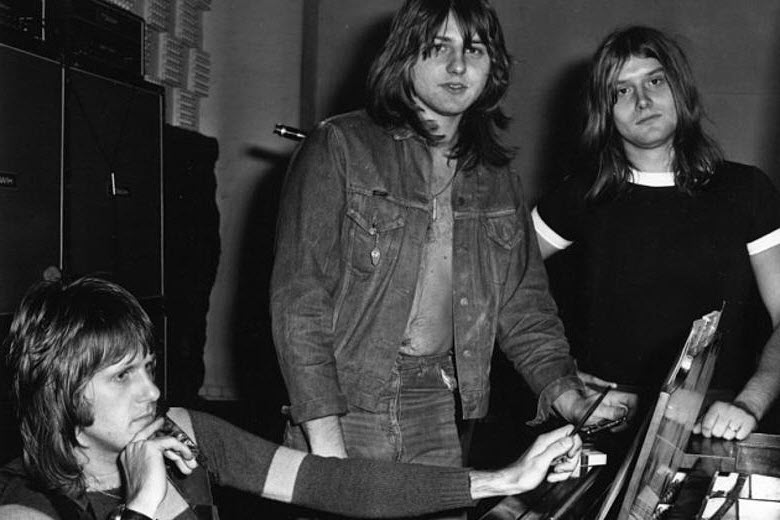
As pioneers of progressive rock, Emerson, Lake & Palmer (ELP) carved a unique niche in the music world, blending classical influences with electrifying rock elements. Formed in 1970, this iconic trio—consisting of keyboard virtuoso Keith Emerson, singer-bassist Greg Lake, and percussion maestro Carl Palmer—captivated audiences with their ambitious compositions and theatrical performances. Their music transcended traditional boundaries, inviting listeners into a realm where intricate melodies and powerful rhythms collided.
In this exploration of ELP’s most popular songs, we’ll take you on a nostalgic journey through their discography, highlighting tracks that not only defined an era but also showcased the band’s innovative spirit. From epic suites that span multiple movements to haunting ballads that tug at the heartstrings, each song tells a story that resonates with fans old and new. Whether you’re a lifelong aficionado or just discovering their genius, join us as we countdown the top 10 Emerson, Lake & Palmer songs of all time—a celebration of their legacy that continues to inspire generations of musicians and music lovers alike. Get ready to relive the magic of ELP!
1. Lucky Man (1970)
“Lucky Man” stands as one of Emerson, Lake & Palmer’s most iconic songs, blending simplicity with musical brilliance. Released in 1970 on their self-titled debut album, the song was famously written by Greg Lake when he was just a teenager. It begins with a gentle acoustic guitar melody and Lake’s earnest vocals, telling the tragic tale of a man who seemed to have it all—wealth, status, and admiration—but whose fate turned bitterly ironic. As the narrative unfolds, there’s a poignant reminder that outward blessings don’t always shield us from life’s unpredictable turns. The emotional impact of the lyrics is heightened by Keith Emerson’s groundbreaking Moog synthesizer solo at the end, which adds a surreal, almost otherworldly dimension to the track. This unexpected musical climax was revolutionary at the time and became a defining moment for the band. “Lucky Man” manages to feel both intimate and epic, a rare feat that helped it resonate across generations. It remains a powerful meditation on the illusion of fortune and the fragility of human life—melancholic, beautiful, and unforgettable.
2. Karn Evil 9 (1973)
“Karn Evil 9” is not just a song—it’s a full-blown progressive rock epic that showcases ELP at the peak of their creative powers. Released in 1973 on the landmark album Brain Salad Surgery, this sprawling multi-movement suite explores themes of dystopia, artificial intelligence, and the dehumanizing effects of technology. The most recognizable section, “Welcome back my friends to the show that never ends,” opens the First Impression and sets a surreal, carnival-like tone. As the music unfolds, listeners are taken on a theatrical journey, complete with complex time signatures, masterful solos, and dramatic dynamic shifts. Keith Emerson’s keyboard work is dazzling, Carl Palmer’s drumming is razor-sharp, and Greg Lake’s vocals narrate the descent into a world where machines eventually overthrow man. Each movement builds on the last, transitioning between haunting melodies, frenetic energy, and philosophical reflection. “Karn Evil 9” isn’t background music—it demands active listening. It’s an ambitious, genre-defining work that exemplifies the scope and intellect of progressive rock. Even decades later, its commentary on technological advancement and human identity feels strikingly relevant, making it a cornerstone of ELP’s legacy and a towering achievement in rock music history.
3. Fanfare for the Common Man (1977)
When ELP released their bold rock version of Aaron Copland’s “Fanfare for the Common Man” in 1977, they bridged the gap between classical grandeur and arena rock spectacle. Featured on the album Works Volume 1, their rendition retained the stately dignity of Copland’s original while injecting it with fresh energy and innovation. The track opens with a haunting, echoing synth line that slowly builds, signaling something monumental on the horizon. Then comes Carl Palmer’s thunderous drumming and Keith Emerson’s expansive keyboard flourishes, adding dramatic intensity and texture. Rather than merely covering the piece, ELP reimagined it, making it accessible to a rock audience while paying homage to its roots. The track’s sweeping dynamics mirror the struggles and triumphs of ordinary people, making the piece both powerful and deeply human. It’s not just a celebration of the “common man” in name—it feels like a true tribute through sound, reaching emotional heights that elevate its message. A staple of their live shows and a favorite among fans, “Fanfare for the Common Man” proved that rock could hold its own next to the concert hall, blurring the lines between genres with fearless ambition.
4. From the Beginning (1972)
“From the Beginning,” released in 1972 on Trilogy, is one of ELP’s most intimate and emotionally resonant songs. Stripping back the band’s usual bombast, this track offers a more personal and introspective look at love, regret, and vulnerability. Greg Lake’s warm, expressive vocals are front and center, paired with his gentle acoustic guitar lines that set a contemplative tone from the outset. The lyrics touch on the difficulties of communication and the pain that can arise in close relationships—universal themes that give the song timeless appeal. As the track progresses, subtle synth textures and percussion are layered in, creating a lush soundscape without overwhelming the song’s quiet heart. It’s this careful balance of simplicity and sophistication that makes “From the Beginning” so special. While it may not have the theatrical flair of some of ELP’s longer epics, it showcases the band’s ability to craft beauty in minimalism. It’s a reflective, soul-searching piece that invites listeners to pause and feel. For many fans, this song represents the softer, more human side of ELP—a reminder that even among the grandeur, they never lost touch with emotional truth.
5. Trilogy (1972)
The title track of ELP’s 1972 album Trilogy is a masterclass in progressive rock composition, showcasing the band’s dynamic range, technical skill, and emotional depth. The song begins with a delicate piano introduction, as Keith Emerson lays down a graceful, almost romantic melody. Greg Lake’s vocals enter softly, drawing the listener into a reflective mood. But just when the song seems settled, it shifts gears—building in intensity until it erupts into a powerful, electrifying middle section driven by Emerson’s synth work and Carl Palmer’s propulsive drumming. This sudden change gives the song a theatrical quality, making it feel like a journey through shifting emotions and musical landscapes. The transitions are seamless, blending soft introspection with moments of bold, virtuosic display. “Trilogy” encapsulates everything that made ELP unique: their fusion of classical precision with rock energy, their flair for the dramatic, and their ability to surprise. It’s a sonic adventure that rewards repeated listening, revealing new layers each time. For many fans, this track is the heartbeat of the Trilogy album—a dazzling statement of artistic ambition and technical brilliance that continues to inspire musicians and listeners alike.
6. Jerusalem (1973)
“Jerusalem,” ELP’s stirring interpretation of the famous hymn based on William Blake’s poem, is both reverent and revolutionary. Released in 1973 on Brain Salad Surgery, the track takes a familiar, deeply spiritual piece and infuses it with progressive rock grandeur. Greg Lake delivers the vocals with a sense of solemnity and strength, turning Blake’s vision of a renewed England into something grand and defiant. Keith Emerson’s pipe organ and synthesizer work elevate the arrangement to epic heights, while Carl Palmer’s drums ground the song in power and rhythm. The band’s version of “Jerusalem” caused some controversy at the time—UK radio stations initially refused to play it, fearing it was irreverent. But ELP’s intent was anything but. Their rendition is a tribute to the cultural and spiritual significance of the poem, portraying the dream of a just and noble land with passion and conviction. It stands out in their catalog as a rare moment where rock meets national identity and sacred tradition. The song is short, yet majestic, and remains one of ELP’s most emotionally charged and culturally resonant tracks—proof of how music can bridge the sacred and the contemporary.
7. Still… You Turn Me On (1973)
“Still… You Turn Me On” offers a tender contrast to the explosive energy of much of Brain Salad Surgery, the album it appears on. Released in 1973, this ballad is a heartfelt expression of romantic vulnerability, with Greg Lake’s soft, emotive vocals leading the way. The song is built around a simple, elegant acoustic guitar line, supported by delicate touches of electric piano and orchestration. It’s one of those rare tracks that captures the essence of longing in a way that feels personal and universal at once. Lake’s lyrics are poetic and raw—he doesn’t shy away from confessing confusion, desire, and affection, all in a few perfectly chosen lines. Although it wasn’t released as a single, the song quickly became a fan favorite and is often seen as one of ELP’s most accessible and emotionally resonant works. It also provides a brief moment of stillness amid an otherwise bombastic and complex album, giving listeners a chance to pause and reflect. “Still… You Turn Me On” is a beautiful example of how even a band known for grandiosity could also master intimacy and simplicity with equal power.
8. Tiger in a Spotlight (1977)
“Tiger in a Spotlight” is a funky, high-energy romp that shows off ELP’s playful side. Released in 1977 on Works Volume 2, the song has an infectious groove and a light-hearted attitude that stands apart from their more serious, classically inspired tracks. It kicks off with a punchy rhythm section, with Carl Palmer driving the beat while Keith Emerson lays down a gritty keyboard riff that gives the song its swagger. Greg Lake’s vocals are cheeky and confident, matching the boldness of the music. Lyrically, it plays with metaphor and bravado, portraying someone in the center of attention—like a tiger caught in the spotlight, watched and admired but also exposed and vulnerable. The track is short and sweet, but it packs a punch, filled with rhythmic shifts and instrumental flair that showcase the band’s tight chemistry. It’s a reminder that ELP didn’t always have to be grand or complex—they could also just let loose and have fun. “Tiger in a Spotlight” is a hidden gem in their catalog, proof that behind the technical wizardry and conceptual depth, ELP also knew how to rock with style and charm.
9. C’est La Vie (1977)
With its romantic tone and European flair, “C’est La Vie” is one of ELP’s most charming and emotionally nuanced songs. Released in 1977 on Works Volume 1, this track highlights Greg Lake’s sensitive vocal delivery and storytelling prowess. Sung partially in French, the title translates to “That’s life”—a sentiment that runs through the heart of the lyrics. The song reflects on love, loss, and acceptance with poetic grace. Accompanied by a gentle acoustic guitar and soft orchestral touches, the arrangement gradually swells to include elegant accordion-style melodies, evoking a Parisian café vibe. The music is rich yet restrained, allowing the lyrics and vocal performance to remain front and center. Unlike the complex epics ELP is known for, “C’est La Vie” opts for intimacy and simplicity, proving that emotional depth doesn’t require layers of sound. It became one of the standout tracks from the Works period and remains beloved by fans for its beauty and sincerity. The song’s blend of melancholy and romanticism makes it timeless—an evocative ballad that gently reminds us to embrace life’s unpredictability with open hearts.
10. Take a Pebble (1970)
“Take a Pebble” is one of ELP’s most ambitious and poetic pieces, first appearing on their 1970 debut album. The song begins with the sound of a lone piano note dropping like a pebble into still water, immediately creating a mood of quiet introspection. Greg Lake’s vocals are tender and searching, as he sings about memory, change, and the passing of time. The lyrics are wrapped in metaphor, inviting listeners to contemplate how small actions and moments ripple through our lives. As the song unfolds, it expands into a rich instrumental tapestry, featuring a breathtaking piano interlude by Keith Emerson, touches of folk guitar, and jazz-inspired passages. At nearly 12 minutes long, it’s a journey more than a typical song, moving through moods of melancholy, reflection, and catharsis. Carl Palmer’s subtle percussion adds depth without overwhelming the song’s introspective heart. “Take a Pebble” exemplifies what made ELP so compelling—the fusion of rock with classical, jazz, and folk influences, all tied together with emotional resonance. It’s a powerful reminder of how music can be both technically brilliant and deeply human. A true early masterpiece that set the tone for their groundbreaking career.

Edward Tomlin is a frequent contributor to Singers Room. Since 2005, Singersroom has been the voice of R&B around the world. Connect with us via social media below.









