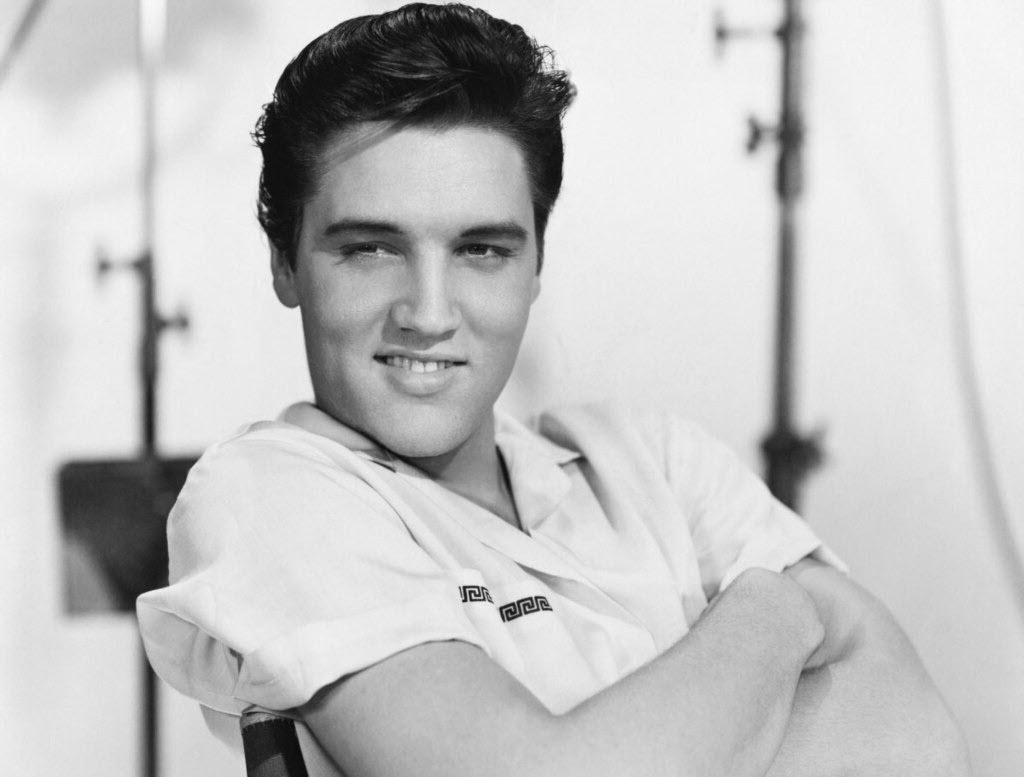
Few artists have shaped the course of music history quite like Elvis Presley. With his unmistakable voice, magnetic stage presence, and genre-defining sound, Elvis didn’t just perform rock ‘n’ roll—he embodied it. From the moment he burst onto the scene in the 1950s, he captivated audiences across the globe and forever changed the cultural landscape. But what truly cements his legacy are the songs—those timeless tracks that continue to inspire, thrill, and move listeners decades after their release. Whether he was crooning a heartfelt ballad or shaking the world with a rebellious rock anthem, Elvis had an uncanny ability to make every note unforgettable. In this article, we dive deep into the Top 10 Most Popular Elvis Presley Songs of All Time—a collection of hits that not only dominated the charts but also defined an era. These are the tracks that turned a young man from Tupelo, Mississippi, into the undisputed King of Rock and Roll. So get ready to revisit the magic, the music, and the moments that made Elvis Presley a global icon. Whether you’re a lifelong fan or a curious newcomer, these legendary songs are guaranteed to leave you all shook up.
1. “Can’t Help Falling in Love” (1961)
Few songs in Elvis Presley’s catalog capture the depth of romantic devotion quite like “Can’t Help Falling in Love.” Released in 1961 as part of the Blue Hawaii soundtrack, this ballad quickly became one of his most enduring and beloved tracks. The melody, inspired by the 18th-century French love song “Plaisir d’amour,” provides a timeless backdrop for lyrics that speak to the uncontrollable nature of love. With the opening line, “Wise men say, only fools rush in,” Elvis delivers a sentiment so universal it’s become iconic. His vocal performance here is gentle, intimate, and filled with vulnerability, a marked departure from the swaggering rock ‘n’ roll persona he was best known for. The arrangement is elegantly understated—graceful piano lines, soft strings, and a rhythm that sways like a slow dance. Though it debuted as part of a movie, the song soon stood on its own, becoming a wedding favorite and a regular finale in Elvis’s live performances throughout the 1970s. It reached No. 2 on the Billboard Hot 100 and topped charts internationally. More than six decades later, “Can’t Help Falling in Love” still resonates as one of the greatest love songs ever recorded, transcending genre and generation.
2. “Jailhouse Rock” (1957)
“Jailhouse Rock” didn’t just launch Elvis Presley further into stardom—it helped define an entire era. Released in 1957 and written by the prolific songwriting duo Jerry Leiber and Mike Stoller, the track was created for the film of the same name. But it quickly became much more than a movie song. Bursting with energy, swagger, and a sense of rebellious fun, “Jailhouse Rock” tells the story of a raucous party inside a prison, where the inmates boogie down behind bars. The lyrics are playful and full of tongue-in-cheek charm, and Elvis delivers them with electric charisma. The song’s pounding beat, rockabilly guitar licks, and Presley’s bluesy growl made it an instant sensation. It rocketed to No. 1 on the Billboard Hot 100, where it stayed for an impressive seven weeks. Just as iconic is the dance scene from the movie, choreographed by Elvis himself—a moment that’s still considered one of the most memorable in film history. “Jailhouse Rock” wasn’t just a catchy single; it was a cultural moment that captured the spirit of youthful defiance and fun. It remains a cornerstone of rock and roll and a shining example of Elvis at his most electrifying.
3. “Hound Dog” (1956)
When Elvis Presley released “Hound Dog” in 1956, he didn’t just record a hit—he lit a fire under American pop culture. Originally performed by blues legend Big Mama Thornton in 1952, the song took on an entirely new life in Elvis’s hands. With his snarling vocals, high-octane delivery, and suggestive hip-shaking, Elvis’s version was faster, louder, and far more rebellious. Backed by Scotty Moore’s searing guitar riffs and D.J. Fontana’s driving drumbeat, the track became an unstoppable force. Audiences were electrified—and some were scandalized—by Presley’s explosive live TV performances, which drew both controversy and massive viewership. The single dominated the charts, spending 11 consecutive weeks at No. 1 on the Billboard pop chart while also topping the country and R&B charts, a rare and remarkable feat. “Hound Dog” became an anthem of teen rebellion, challenging the conservative norms of the 1950s and helping to usher in the rock and roll revolution. More than just a catchy tune, it was a cultural lightning rod—bold, brash, and unapologetically cool. Today, “Hound Dog” still stands as a defining moment in music history, symbolizing the moment when Elvis—and rock and roll—truly arrived.
4. “Love Me Tender” (1956)
With “Love Me Tender,” Elvis Presley unveiled a softer, more sentimental side that captivated fans and critics alike. Released in 1956, the song marked a striking contrast to his rowdy rockabilly hits. Adapted from the Civil War ballad “Aura Lee,” it traded pounding drums and electric guitars for delicate acoustic strums and lush vocal harmonies. At the center of it all was Elvis’s voice—warm, gentle, and emotionally resonant. His performance revealed a romantic vulnerability that hadn’t been seen before, making the song an instant classic. “Love Me Tender” debuted during an appearance on The Ed Sullivan Show and caused such a sensation that over a million copies were pre-ordered before the record even hit store shelves. It became Elvis’s first ballad to top the Billboard chart and served as the title track for his feature film debut, cementing his crossover appeal from singer to full-fledged movie star. The lyrics, heartfelt and poetic, struck a chord with listeners: “Love me tender, love me sweet, never let me go…” Even decades later, the song retains its power to melt hearts. It’s not just a love song—it’s a defining moment in Elvis’s career, showcasing his range and emotional depth.
5. “Suspicious Minds” (1969)
By 1969, Elvis Presley was determined to reclaim his throne—and “Suspicious Minds” was the perfect anthem for his resurgence. Written by Mark James and recorded at American Sound Studio in Memphis, the song represented a bold return to form. With its soulful groove, layered instrumentation, and emotional tension, it spoke to a more mature audience and showcased a deeper, more complex Elvis. The lyrics paint a picture of a troubled relationship torn apart by doubt and mistrust: “We’re caught in a trap, I can’t walk out…” Elvis delivers each line with raw vulnerability and power, capturing the heartache and desperation at the core of the song. Its unusual structure—with a false fade-out that swells back into the chorus—added drama and intensity rarely heard in pop music at the time. Released in August 1969, “Suspicious Minds” became Elvis’s first No. 1 hit in seven years and one of the final chart-toppers of his career. More than a commercial success, it was a reminder of his unmatched ability to convey deep emotion through song. “Suspicious Minds” remains one of his greatest recordings—an essential track that helped define his iconic late-‘60s comeback.
6. “Heartbreak Hotel” (1956)
“Heartbreak Hotel” wasn’t just a hit—it was the spark that ignited Elvis Presley’s meteoric rise to superstardom. Released in early 1956, the song was inspired by a somber newspaper article about a man who took his own life, leaving behind a note that simply read: “I walk a lonely street.” That line became the emotional core of the song, which blended moody blues with a haunting, echo-drenched production. It was unlike anything on the radio at the time. Elvis’s vocal performance is filled with loneliness and anguish, his voice dripping with pain and sincerity. The sparse instrumentation—featuring a mournful piano and minimalist guitar—only heightened the song’s brooding atmosphere. “Heartbreak Hotel” quickly shot to No. 1 on the Billboard Hot 100 and stayed there for eight weeks. It also topped the country and R&B charts, a rare and groundbreaking crossover at the time. More than just a hit single, it announced that Elvis wasn’t a passing fad—he was here to stay. The song captured the emotional power of rock and roll in its infancy and set the tone for everything that followed. It remains one of the most iconic recordings in American music history.
7. “All Shook Up” (1957)
“All Shook Up,” released in 1957, is pure, unfiltered early Elvis—a masterclass in charm, rhythm, and rock ‘n’ roll energy. Written by Otis Blackwell, with Presley receiving co-writing credit, the song perfectly captures the head-spinning giddiness of falling hopelessly in love. With its bouncy beat, clipped rhythm, and playful lyrics, “All Shook Up” was an instant earworm. Elvis sings with a lighthearted swagger, making lines like “My hands are shaky and my knees are weak” feel both cheeky and relatable. His delivery is bursting with charisma, turning what could’ve been a novelty song into a timeless classic. The track quickly resonated with audiences, shooting to No. 1 on the Billboard Hot 100, where it stayed for eight weeks. It also topped the R&B and country charts, showing off Elvis’s unparalleled ability to bridge musical genres. The song’s breezy feel and infectious hook made it a signature hit during one of the most exciting periods in his career. “All Shook Up” remains one of the most joyous songs in Elvis’s discography—a perfect example of how he could turn a simple love song into a full-blown pop phenomenon.
8. “Burning Love” (1972)
“Burning Love” was a late-career burst of rock fire that proved Elvis Presley still had the spark that made him a legend. Released in 1972 and written by Dennis Linde, the track is a hard-driving, adrenaline-pumping anthem that brought Elvis roaring back into the rock ‘n’ roll spotlight. With searing guitar riffs, pounding drums, and a feverish tempo, the song crackles with urgency from the very first note. Elvis’s vocal performance is fierce and electrifying—he belts out lines like “I’m just a hunka hunka burnin’ love!” with all the passion and swagger of his early years. The song’s infectious energy and memorable chorus made it an instant fan favorite and a standout moment in his 1970s live shows. It climbed to No. 2 on the Billboard Hot 100 and became Elvis’s last major hit during his lifetime. At a time when many doubted whether he could still connect with a new generation, “Burning Love” silenced the critics and thrilled longtime fans. It reminded the world that the King could still rock the house with unmatched power. To this day, it’s one of his most exhilarating and beloved tracks.
9. “Blue Suede Shoes” (1956)
Though Carl Perkins originally wrote and recorded “Blue Suede Shoes” in 1955, it was Elvis Presley’s 1956 rendition that turned the song into a rock and roll anthem. Included on his debut album, Elvis’s version brought a faster tempo, more attitude, and a vocal swagger that elevated the track to legendary status. The lyrics—humorous yet defiant—center around a warning not to mess with the narrator’s prized footwear, which, in its own quirky way, became a symbol of youthful pride and rebellion. With its rollicking rockabilly beat, punchy rhythm guitar, and bold vocals, Elvis’s take on “Blue Suede Shoes” radiated confidence. While it peaked at No. 20 on the Billboard Hot 100, its influence far outstripped its chart position. The song became one of the defining moments of early rock and one of Elvis’s signature live numbers. It perfectly captured the irreverent spirit of the 1950s teen revolution and helped cement Presley’s image as a new kind of star—cool, rebellious, and dangerously fun. Even today, the phrase “blue suede shoes” is forever linked with Elvis and the birth of rock ‘n’ roll swagger.
10. “In the Ghetto” (1969)
“In the Ghetto,” released in 1969, marked one of Elvis Presley’s most socially conscious and emotionally powerful moments on record. Written by Mac Davis, the song tells the story of a boy born into poverty, trapped in a cycle of hardship and violence. With its haunting melody, gospel-tinged backing vocals, and understated arrangement, “In the Ghetto” stood in stark contrast to the flashy Vegas image Elvis had adopted by that time. Instead, it showcased a deeply empathetic artist willing to use his voice to tell a story that mattered. Elvis’s delivery is restrained but heart-wrenching, capturing the pain, sadness, and quiet anger of the song’s message. It climbed to No. 3 on the Billboard Hot 100 and became a major international hit, helping to reframe Elvis not just as an entertainer, but as a relevant and reflective voice in the cultural dialogue of the late ‘60s. “In the Ghetto” remains one of the most poignant and impactful songs in his catalog—a rare moment of introspection that resonated far beyond his usual fan base. It proved that even at the height of his fame, Elvis still had the courage to evolve and speak from the soul.

Samuel Moore is a frequent contributor to Singers Room. Since 2005, Singersroom has been the voice of R&B around the world. Connect with us via social media below.









