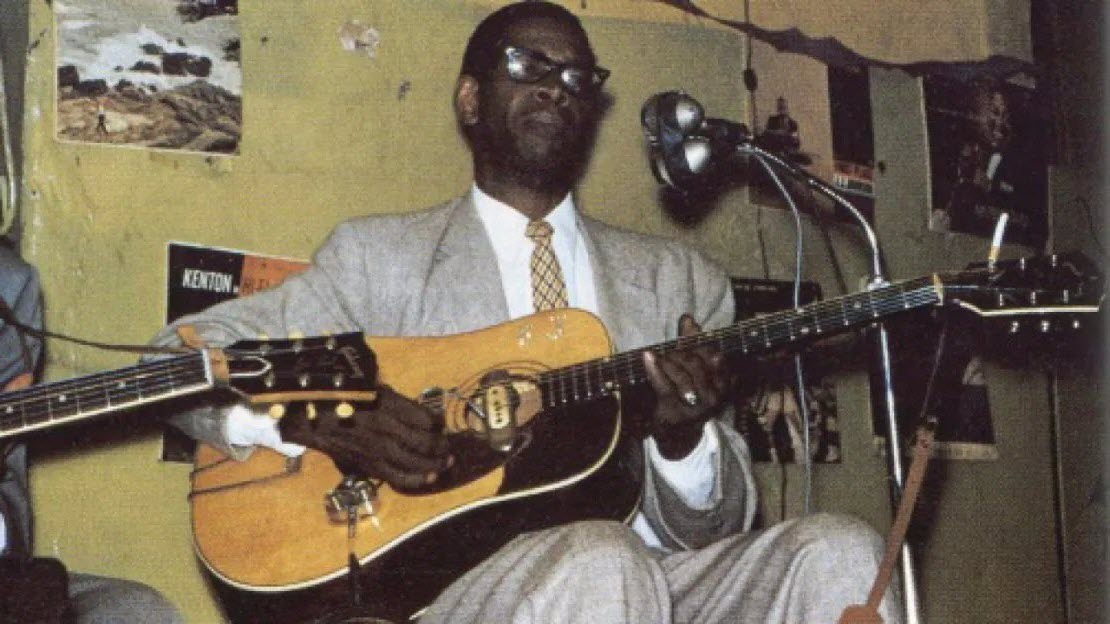
Elmore James, the legendary bluesman known as the “King of the Slide Guitar,” has left an indelible mark on the music world with his electrifying sound and soulful storytelling. Born in 1918 in Mississippi, James transformed the blues genre with his innovative techniques and passionate performances, captivating audiences and influencing countless artists. From his gritty vocals to his signature slide guitar riffs, his music resonates deeply with the struggles and triumphs of life. In this article, we dive into the top 10 most popular Elmore James songs of all time, showcasing the timeless tracks that have defined his legacy. Each song is a testament to his brilliance, featuring raw emotion and masterful musicianship. Whether you’re a lifelong fan or new to his work, prepare to embark on a journey through the heart of blues music, celebrating the tracks that continue to inspire and move listeners across generations. Join us as we explore the iconic melodies and unforgettable lyrics that cement Elmore James as a true pioneer of the blues, illuminating why his music remains as powerful today as it was during its inception. Get ready to rediscover the magic of Elmore James!
1. Dust My Broom (1951)
“Dust My Broom,” released in 1951, is the song that firmly etched Elmore James’ name into blues history. It’s a fiery declaration of moving on from a broken relationship, captured through his unmistakable slide guitar riff that became one of the most iconic in blues music. From the first shimmering slide across the strings, you feel the urgency and raw power that defined James’ sound. His gritty, impassioned vocals tell the story of a man who’s done with heartbreak, ready to hit the road and start fresh. The phrase “dust my broom” itself is a metaphor for leaving someone behind and clearing the slate. Backed by a driving rhythm section, the track balances pain with determination, blending Delta blues roots with electric blues energy. Over the decades, this song has influenced countless blues and rock legends, from Muddy Waters to The Rolling Stones. Its relentless groove and unforgettable guitar line make it a staple in jam sessions, blues bars, and rock stages alike. More than just a breakup anthem, “Dust My Broom” is a celebration of resilience, survival, and the power of starting over—served with a side of blistering slide guitar that never grows old.
2. The Sky Is Crying (1959)
Released in 1959, “The Sky Is Crying” is one of the most hauntingly beautiful blues ballads ever recorded. This slow, mournful track perfectly captures the ache of deep sorrow and personal loss. Elmore James’ voice is filled with raw emotion as he sings about the rain falling like tears from the sky, a poignant metaphor for his own heartbreak. His signature slide guitar moans alongside him, each note dripping with feeling, almost as if the guitar itself is crying. What makes this song truly special is its simplicity—it doesn’t rely on flashy solos or complex arrangements. Instead, it leans heavily on mood, emotion, and authenticity. The lyrics are minimal but powerful, allowing listeners to project their own stories of pain and longing into the song. Over time, “The Sky Is Crying” has become a standard in blues music, covered by legends like Stevie Ray Vaughan and Eric Clapton. It stands as a timeless reminder of the blues’ power to transform sadness into something beautiful and deeply human. Whether you’re grieving lost love or just having a rough day, this song reaches deep into the soul and holds you there.
3. Shake Your Moneymaker (1961)
“Shake Your Moneymaker,” released in 1961, is Elmore James at his most playful, energetic, and downright irresistible. This upbeat track is a joyous explosion of rhythm, designed to get people out of their seats and onto the dance floor. From the first strum of James’ searing slide guitar, the song radiates infectious energy. His vocal delivery is full of swagger and fun, urging listeners to let loose and dance their troubles away. Unlike his slower, more introspective blues numbers, this track is all about having a good time. The repetitive, catchy chorus makes it easy for anyone to sing along, and the driving boogie rhythm is impossible to ignore. Over the years, “Shake Your Moneymaker” has become a go-to anthem at blues festivals, bar gigs, and jam sessions. It showcases James’ versatility—not just a master of heartbreak songs, but also someone who could ignite pure joy with his guitar. This song has inspired generations of blues-rock bands, including The Black Crowes, who famously covered it. If “Dust My Broom” shows James’ grit, “Shake Your Moneymaker” shows his ability to make the blues feel like a celebration.
4. It Hurts Me Too (1959)
First recorded in 1959, “It Hurts Me Too” is one of Elmore James’ most soulful and moving tracks—a tender cry for someone he loves who’s being mistreated by another. From the very first note, the song wraps you in its gentle sadness. James’ expressive slide guitar weeps alongside his vocals, creating a perfect harmony of pain and compassion. The lyrics are simple yet universal: watching someone you care for suffer, knowing you can’t take away their pain, but feeling it just as deeply. His voice carries that rare quality of sounding both strong and fragile, making every word feel genuine. The melody, slow and haunting, lingers long after the song ends. “It Hurts Me Too” became one of his most covered songs, embraced by artists like Eric Clapton and The Rolling Stones. It transcends generations because its message is so deeply human—empathy, love, and helplessness all wrapped into a few verses. More than just a blues song, it feels like a conversation with the heart, reminding us that sometimes, seeing someone we care for hurt can be just as painful as if it were happening to ourselves.
5. One Way Out (1960)
“One Way Out,” recorded in 1960, is a high-octane, storytelling blues jam filled with tension, humor, and a sense of impending trouble. Right from the jump, Elmore James sets the scene: a man caught in a compromising situation, trying to sneak out before his lover’s husband comes home. The lyrics are playful but laced with anxiety, creating a blues narrative that feels like a short film in song form. James’ blistering slide guitar drives the track forward with a sense of urgency, adding drama to every note. His vocal delivery is animated, full of personality and wit, making the story come alive. The groove is infectious, with a rhythm section that keeps things moving at a brisk pace, pushing the listener to the edge of their seat. This song became a live favorite for blues and rock bands alike, famously covered by The Allman Brothers Band, who turned it into a jam-band staple. “One Way Out” exemplifies what the blues does so well: turning life’s close calls and sketchy situations into something fun, energetic, and universally relatable. It’s a thrilling ride from start to finish.
6. Rollin’ and Tumblin’ (1959)
“Rollin’ and Tumblin’,” released in 1959, is Elmore James’ electrifying take on one of the oldest blues standards. While many bluesmen had tackled this song before him, James injected it with his own brand of fiery slide guitar and energetic delivery. From the first driving riff, the song feels like it’s barreling down the tracks with no intention of slowing down. His vocals are urgent, almost shouted at times, matching the relentless pace of the guitar. Lyrically, it’s a classic blues tale of love lost, regret, and restlessness—common themes in the genre but made fresh by James’ magnetic energy. The stripped-down structure allows the rhythm and guitar to shine, creating an almost hypnotic loop that pulls listeners in. This version of “Rollin’ and Tumblin’” isn’t about subtlety—it’s about letting it all out, musically and emotionally. It stands as a testament to James’ ability to take a traditional tune and make it entirely his own. Whether you’re a blues purist or a rock fan, the raw power in this track is impossible to resist, proving why James remains one of the most influential figures in blues history.
7. Blues Before Sunrise (1951)
Released in 1951, “Blues Before Sunrise” captures the quiet loneliness of the darkest hours before dawn—a time when worries seem heavier and the world feels still. This slow, melancholic blues number finds Elmore James at his most introspective. His slide guitar, while still prominent, is softer here, used to paint a mood rather than drive the song forward. The lyrics speak of solitude, heartache, and reflection, perfectly matching the title’s evocative image. James’ vocals are soulful and weary, sounding like a man who’s spent the entire night wrestling with his thoughts. There’s a vulnerability in this song that sets it apart from his more energetic tracks. The simple, steady rhythm allows the emotional weight of the song to breathe, giving listeners space to sit with their own late-night blues. “Blues Before Sunrise” is a perfect example of how the blues isn’t just about flashy guitar work or infectious rhythms—it’s about expressing the deep, quiet moments of sadness that all of us experience at some point. It’s the kind of song that plays softly in the background while someone watches the sunrise after a sleepless, troubled night.
8. I Believe (1960)
“I Believe,” released in 1960, is a powerful, uplifting blues tune that blends faith, hope, and the universal longing for love and connection. While many of Elmore James’ songs focus on heartbreak or playful escapades, this track carries a more hopeful tone. The lyrics reflect a man’s steadfast belief in love, redemption, and perhaps even in the possibility of second chances. James’ vocals are filled with conviction, backed by his signature soaring slide guitar that dances between the verses like rays of sunlight breaking through clouds. The melody is warm and inviting, and the rhythm maintains a steady, comforting groove. What’s striking about this song is how it feels both deeply personal and widely relatable—whether it’s belief in oneself, in love, or in better days ahead. James manages to strike a balance between the melancholy that blues is known for and a sense of optimism that lifts the listener. “I Believe” stands as a testament to the blues’ ability to not only express sorrow but also to inspire resilience and hope. It’s a reminder that no matter how tough life gets, belief in something greater can carry us through.
9. Look on Yonder Wall (1960)
“Look on Yonder Wall,” recorded in 1960, is a blues tune steeped in tension, humor, and sly commentary on infidelity and suspicion. The lyrics tell the story of a man keeping a wary eye on the wall—watching for someone, likely the husband of his secret lover, who could come around at any moment. It’s playful but tinged with the real danger that fuels so many great blues narratives. Elmore James delivers the story with a mix of charm and grit, his voice carrying just the right amount of mischief. His slide guitar work is particularly tasty here—sharp, punchy, and perfectly timed to match the song’s rhythmic bounce. The groove is infectious, a shuffle that makes the listener want to tap their foot even as the tension in the story builds. This track is a perfect example of how blues artists could take everyday situations—whether humorous, dangerous, or heartbreaking—and turn them into compelling, unforgettable songs. “Look on Yonder Wall” isn’t just a song about peeking out the window; it’s a witty, energetic slice of blues life that listeners return to again and again.
10. Talk to Me Baby (1960)
“Talk to Me Baby,” also known as “I Can’t Hold Out,” is one of Elmore James’ most energetic and fiery tracks, released in 1960. From the opening riff, James unleashes a storm of slide guitar that immediately demands attention. The song is a passionate plea for communication, love, and understanding—a man begging his lover to stop giving him the silent treatment and open her heart. His vocals are powerful, full of urgency and emotion, perfectly complemented by the relentless, driving rhythm section. The lyrics are simple but direct, cutting straight to the emotional core of anyone who has ever felt ignored or misunderstood in a relationship. Meanwhile, the guitar solos are electrifying, matching the intensity of the vocal performance note for note. This track perfectly captures the raw energy of James’ live performances, where the sheer power of his slide guitar and vocals could bring an audience to their feet. “Talk to Me Baby” isn’t just a blues standard—it’s a masterclass in how to channel frustration, desire, and love into a song that hits you right in the gut while making you want to move.

Edward Tomlin is a frequent contributor to Singers Room. Since 2005, Singersroom has been the voice of R&B around the world. Connect with us via social media below.









