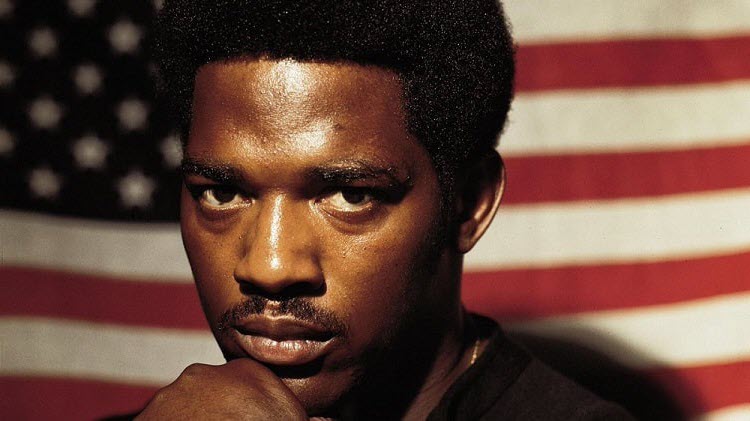
When it comes to soul music with fire, fury, and fierce conviction, few voices hit as hard as Edwin Starr. Best known for his thunderous 1970 protest anthem “War,” Starr was much more than a one-hit wonder—he was a powerhouse of passion, rhythm, and raw truth. From the grittiest funk grooves to heartfelt ballads and foot-stomping disco anthems, Starr’s music electrified audiences across decades and continents. Whether he was railing against injustice, marching toward love, or simply celebrating the joy of music, his voice carried a sense of urgency that couldn’t be ignored.
This list dives deep into the top 10 most popular Edwin Starr songs of all time, exploring the tracks that defined his career and left an indelible mark on soul, R&B, and pop music alike. With each song, we’ll revisit the energy, message, and musical brilliance that made Starr an enduring icon. So crank up the volume, prepare for some serious groove, and let’s celebrate the legacy of a man whose music still echoes with power and purpose. From Motown magic to disco dynamite—this is Edwin Starr at his very best.
1. “War” (1970)
Few songs in music history have embodied the anger of a generation quite like Edwin Starr’s explosive protest anthem, “War.” Released in 1970 at the height of the Vietnam conflict, this Motown juggernaut wasn’t just a chart-topping hit—it was a bold political statement. Originally recorded by The Temptations, Motown executives feared the song was too controversial for their mainstream stars, so the task fell to Starr. His performance was nothing short of volcanic. Backed by thunderous drums, fiery horns, and a soul-stirring groove, Starr shouted the unforgettable refrain—“War! Huh! Yeah! What is it good for? Absolutely nothing!”—with a fury that demanded attention. The single rocketed to No. 1 on the Billboard Hot 100 and quickly became a defining soundtrack for the anti-war movement. Starr’s voice captured not just frustration, but a deep yearning for peace, equality, and sanity in a chaotic era. “War” remains a timeless rallying cry, a reminder that music can be both entertainment and revolution. Its urgency still resonates today, proving that a protest song—when delivered with heart, fire, and purpose—can become an anthem for the ages.
2. “Twenty-Five Miles” (1969)
Edwin Starr’s 1969 hit “Twenty-Five Miles” is a soul-powered celebration of determination and love that captures the urgency of a man literally racing to be reunited with his sweetheart. It’s more than just a song—it’s a workout, both physically and emotionally. Driven by a relentless beat, infectious handclaps, and a pulsing rhythm section, the track moves like a freight train. Starr’s performance is pure dynamism—he doesn’t just sing; he belts, pants, and pushes forward like a man on a mission. Every mile ticked off in the lyrics builds suspense, making listeners feel like they’re taking every gritty step with him. At its core, “Twenty-Five Miles” is a love song, but it’s one wrapped in urgency, grit, and sweat. It became a major crossover success, climbing to No. 6 on the Billboard Hot 100 and securing Starr’s place in the pantheon of 60s soul greats. Even decades later, it’s a track that demands movement—whether you’re marching in protest, dancing at a party, or just walking home with someone waiting for you. It’s soul with speed, and Starr sells every second of it.
3. “Stop the War Now” (1971)
Following the thunderous success of “War,” Edwin Starr returned with another potent plea for peace in 1971’s “Stop the War Now.” While not as explosive as its predecessor, the song delivered its message with no less emotional depth. This time, Starr opted for a smoother, gospel-influenced arrangement, allowing the power of his lyrics and the conviction in his voice to take center stage. The track opens with a slow-burning groove and swelling backing vocals that feel like a prayer offered on behalf of a weary world. Starr’s delivery balances sorrow with urgency, as he begs for an end to the bloodshed and division. “Stop the War Now” might not have reached the commercial heights of “War,” but it reinforced Starr’s role as a socially conscious artist unafraid to take a stand. In an era when many artists steered clear of overtly political content, Starr doubled down—giving voice to the voiceless and turning his platform into a megaphone for justice. The song stands as a powerful reminder that peace, like music, requires persistence and soul.
4. “Agent Double-O-Soul” (1965)
Before Edwin Starr became the voice of protest anthems, he introduced himself to the music world in unforgettable style with “Agent Double-O-Soul.” Released in 1965, the track is a playful, funky romp that taps into the pop culture obsession with secret agents and spy flicks—most notably James Bond. Starr steps into the role of a suave, mission-ready figure who’s not fighting villains, but spreading soul and charm. With blaring horns, cheeky lyrics, and a groove that refuses to sit still, the song showcased Starr’s magnetic personality and bold vocal talent. His delivery is brimming with flair, striking the perfect balance between tongue-in-cheek fun and genuine musical chops. It became his first major hit, cracking the R&B charts and proving that Starr was more than just a gimmick—he was a powerhouse. “Agent Double-O-Soul” didn’t just parody spy movies; it announced the arrival of a unique talent who could command both novelty numbers and, later, deep protest anthems with equal force. This track was the first clue that Starr had range—and that his voice was going to be heard.
5. “Time” (1970)
With “Time,” released in 1970, Edwin Starr stepped away from the fiery defiance of his protest hits and revealed a more introspective, contemplative side of his artistry. The track is a soulful ballad that dives deep into the emotional weight of passing years and lost moments. Built on a foundation of rich orchestration and a slow, deliberate tempo, “Time” gives Starr space to stretch out vocally and emotionally. His voice—usually known for its thunderous passion—is gentler here, laced with melancholy and reflection. He sings of love, regrets, and the inescapable march of time with a vulnerability that’s disarming. The result is a track that showcases not only his vocal range but his emotional depth. Though it didn’t enjoy the commercial success of “War” or “Twenty-Five Miles,” “Time” remains one of the hidden gems in Starr’s discography—a moment of quiet soul searching amid a career often defined by social fire and funk. It’s a beautiful reminder that even the boldest voices carry tenderness beneath the surface.
6. “Hell Up in Harlem” (1974)
In 1974, Edwin Starr brought his explosive vocal presence to the big screen with “Hell Up in Harlem,” the theme song for the sequel to the hit blaxploitation film Black Caesar. From the first note, it’s clear this isn’t just background music—it’s a declaration. With wah-wah guitar licks, cinematic strings, and a funk rhythm as thick as city smog, the track oozes streetwise cool. Starr’s voice cuts through the soundscape like a razor: sharp, commanding, and filled with grit. His delivery mirrors the tough, urban storyline of the film, bringing swagger, soul, and intensity in equal measure. Unlike the more polished soul of Motown’s early days, “Hell Up in Harlem” leans heavily into the raw, groove-heavy style of early ’70s funk. It’s dramatic, stylish, and perfectly suited to the era’s gritty film narratives. Starr doesn’t just sing the song—he owns it, infusing every line with urgency and cinematic flair. The track not only elevated the movie’s soundtrack but also proved that Starr could seamlessly blend music and storytelling, delivering funk with the weight and drama of a motion picture.
7. “Funky Music Sho Nuff Turns Me On” (1971)
With 1971’s “Funky Music Sho Nuff Turns Me On,” Edwin Starr fully embraced the funk revolution that was sweeping soul music into a new decade. From the first note, the song is an unstoppable groove machine—driven by sizzling wah-wah guitar riffs, punchy horns, and a bassline that practically dares you not to move. Starr is in his element here, letting loose with an electrifying vocal performance that oozes joy, rhythm, and unfiltered charisma. The lyrics are simple but effective: a pure celebration of the power of music to move the body and uplift the soul. Starr’s enthusiasm is infectious—he sounds like a man possessed by the beat, and it’s impossible not to get swept up in his energy. While the song didn’t reach the same commercial heights as “War,” it became a fan favorite and earned new life through covers by The Temptations and samples in hip-hop. “Funky Music” is proof that Starr could ride a funk groove with as much fire as he brought to protest anthems. It’s a party in a song—and Starr is the life of it.
8. “Contact” (1978)
By 1978, disco had fully taken over the airwaves, and Edwin Starr proved he could still lead the charge with “Contact.” A dramatic shift from his gritty soul and protest roots, “Contact” is pure dance-floor magic—drenched in synths, driving bass, and a pulsating beat that propels you into orbit. From its spacey intro to Starr’s soaring vocals, the song feels like a sci-fi disco journey, complete with futuristic sound effects and cosmic energy. The lyrics play with double meanings of physical and emotional connection, making it both playful and seductive. While it didn’t make a huge splash in the U.S., “Contact” was a massive hit in the U.K., reaching No. 6 on the charts and breathing fresh life into Starr’s career. His performance here is as vibrant as ever, showing he could adapt with the times without losing his signature intensity. “Contact” is a stellar example of disco done right—infectious, theatrical, and endlessly fun. It’s a testament to Starr’s versatility and proof that even a soul warrior can command a glittering dance floor.
9. “H.A.P.P.Y. Radio” (1979)
Hot on the heels of his disco success with “Contact,” Edwin Starr released “H.A.P.P.Y. Radio” in 1979, a joyous slice of feel-good funk that sparkles with positivity. Built on an irresistible groove and bright, bouncy production, the song is a love letter to radio’s golden power—the ability to bring people together through music. With his trademark charisma, Starr delivers a performance filled with infectious energy and unshakeable optimism. The chorus is catchy and uplifting, encouraging listeners to turn up the volume and let the rhythm take over. “H.A.P.P.Y. Radio” found major success in the U.K., where Starr had become a disco icon by the late ’70s, and it remains one of his most beloved tracks overseas. While it lacks the social urgency of his earlier hits, it showcases a different strength: Starr’s uncanny ability to spread joy through sound. Whether you’re dancing alone in your room or driving with the windows down, “H.A.P.P.Y. Radio” is a guaranteed mood-booster—a disco-era anthem with a big, open heart and soul to spare.
10. “Ain’t It Hell Up in Harlem” (1974)
A companion piece to the title track of Hell Up in Harlem, “Ain’t It Hell Up in Harlem” takes listeners deeper into the film’s gritty, urban world. Released in 1974, this track captures the raw emotion and high-stakes drama of street survival with a heavy dose of funk. Edwin Starr’s performance is fierce and evocative—he doesn’t just sing about the tension and turmoil, he seems to live it with every note. The production is tight and cinematic, featuring tight guitar riffs, stabbing horns, and a rhythm section that echoes the urgency of the streets. Starr narrates the trials of Harlem with equal parts swagger and sorrow, offering a musical snapshot of life in a city at war with itself. Though often overshadowed by the more widely known theme song, “Ain’t It Hell Up in Harlem” stands tall on its own. It’s a hidden gem for fans of funk, film scores, and Starr’s more dramatic side. More than just soundtrack filler, it’s a story told through soul—gritty, gripping, and impossible to ignore.

Samuel Moore is a frequent contributor to Singers Room. Since 2005, Singersroom has been the voice of R&B around the world. Connect with us via social media below.







