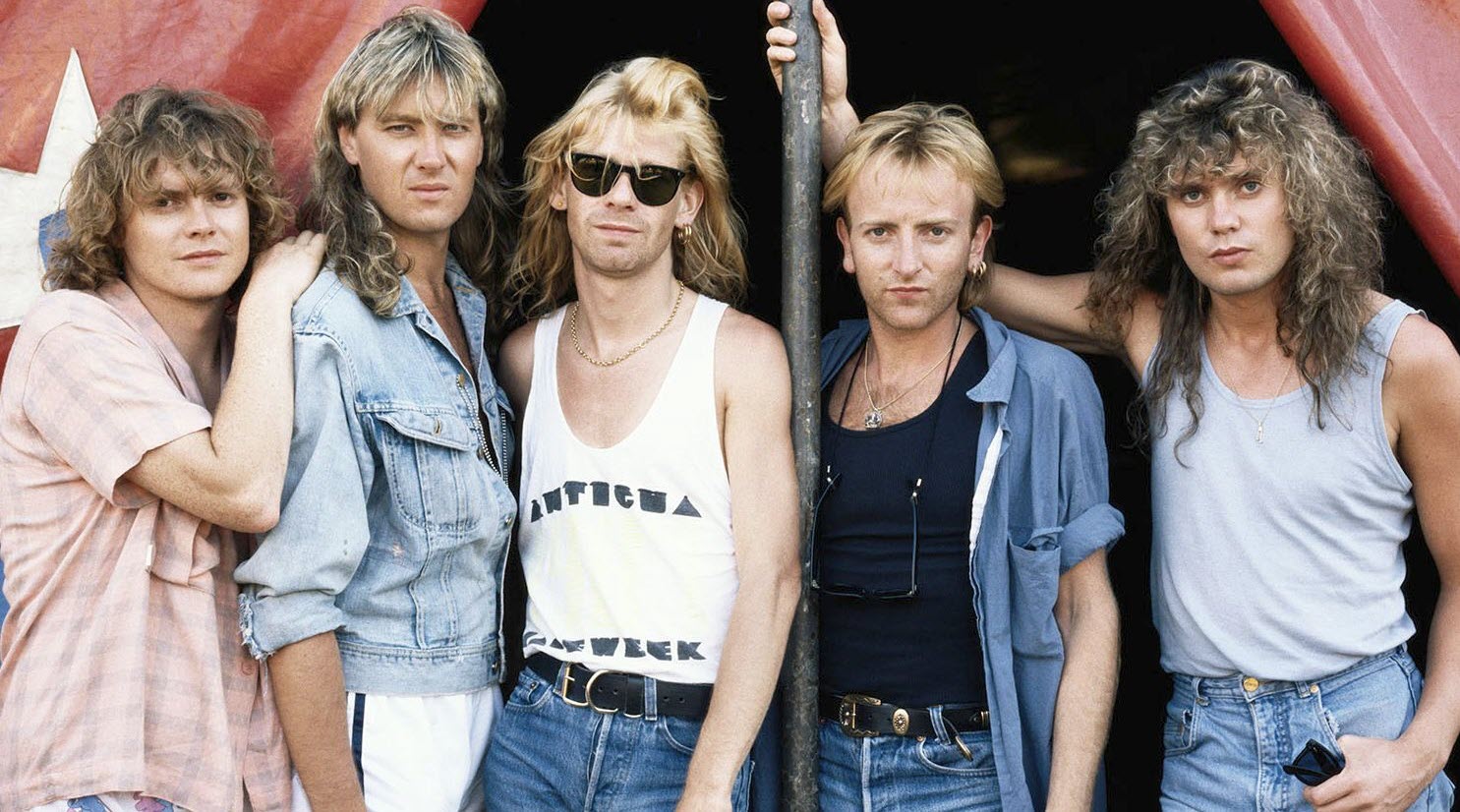
Few bands have defined the sound and spirit of ’80s rock quite like Def Leppard. With their explosive riffs, anthemic choruses, and stadium-shaking performances, the British rockers carved out a legacy that still echoes through arenas and playlists around the world. From their gritty early days to the polished power of Hysteria, Def Leppard mastered the art of balancing raw energy with radio-ready hooks—creating some of the most iconic rock songs of all time.
But which of their hits stand tallest in the pantheon of rock greatness?
In this countdown, we dive into the top 10 most popular Def Leppard songs ever, based on a mix of chart performance, fan favorites, and timeless impact. These are the tracks that made us crank the volume, scream the lyrics, and throw our fists in the air. Whether you’re a die-hard fan or just discovering the band’s electrifying catalog, this list is your backstage pass to the songs that made Def Leppard legends.
So grab your air guitar, turn it up to 11, and let’s relive the thunder, the heartbreak, and the hysteria—one hit at a time. 🎸🔥
1. “Pour Some Sugar on Me” (1987)
“Pour Some Sugar on Me” isn’t just one of Def Leppard’s biggest hits—it’s a defining anthem of ‘80s rock. Released in 1987 on their massive Hysteria album, the song was a late addition to the record, but it ended up stealing the spotlight. Built around a swaggering, riff-heavy groove and layered with playful, sexually-charged lyrics, it perfectly captured the decadent, high-energy spirit of the era. Joe Elliott’s gritty vocal delivery rides atop a sleek wall of guitars and pounding drums, engineered to perfection by producer Mutt Lange. With its anthemic chorus and sing-along appeal, it quickly became a stadium favorite. MTV amplified its popularity with a high-octane live performance video that introduced the band to an even wider audience. Though the lyrics flirt with innuendo, the song never takes itself too seriously—making it a rock party essential. It surged up the charts and secured its place as a cultural mainstay, earning play everywhere from sports arenas to karaoke bars. “Pour Some Sugar on Me” wasn’t just a chart-topper—it became a rock ‘n’ roll ritual and a defining track of both Def Leppard’s career and 1980s pop culture.
2. “Photograph” (1983)
“Photograph,” the breakout single from 1983’s Pyromania, was the song that officially launched Def Leppard into the American mainstream. With a flawless blend of arena-ready rock and polished pop hooks, it signaled a new sound for the band and for hard rock in general. Produced by the legendary Mutt Lange, “Photograph” opens with razor-sharp guitar riffs and a tight rhythm section, immediately pulling listeners in. Joe Elliott’s vocals are equal parts raw and melodic, pouring emotion into the lyrics about an unattainable dream girl seen only in a photograph. The track’s emotional urgency and its soaring harmonies helped it dominate rock radio and MTV alike, thanks in part to a slick, cinematic music video that established the band’s charismatic image. “Photograph” wasn’t just a hit—it was a landmark moment in ‘80s rock, proving that hard-edged music could be radio-friendly without losing its bite. It elevated Def Leppard to headliner status and set the stage for their massive success with Hysteria a few years later. Decades later, the song still holds up as one of their most beloved and enduring tracks.
3. “Love Bites” (1987)
Released in 1987, “Love Bites” offered a surprising emotional twist to Def Leppard’s hard rock arsenal. Featured on their blockbuster album Hysteria, the track is a sweeping, slow-burning power ballad that revealed a more tender, vulnerable side of the band. Built around haunting guitar melodies and rich vocal harmonies, the song gradually builds in intensity until it hits a heart-wrenching chorus, with Joe Elliott delivering a vocal performance steeped in yearning and heartbreak. Lyrically, it deals with the pain and confusion of romantic betrayal—a theme that resonated deeply with listeners. “Love Bites” became Def Leppard’s first and only number one single on the Billboard Hot 100, further broadening their appeal beyond just rock audiences. Mutt Lange’s meticulous production helped make the song sound massive yet intimate, a signature of the album’s lush sonic design. Its blend of sentimentality and glam-metal style made it a quintessential late-‘80s love anthem. Today, it remains a highlight of Def Leppard’s live shows and a fan favorite, proof that even a band known for their bombastic riffs could master the art of the slow, aching ballad.
4. “Rock of Ages” (1983)
Few songs scream “arena rock” louder than “Rock of Ages.” Released in 1983 as the second single from Pyromania, this track quickly became a rock radio staple. It kicks off with one of the most iconic nonsensical phrases in rock history—“Gunter glieben glauchen globen”—a playful studio quip from producer Mutt Lange that instantly grabs your attention. What follows is a hard-hitting anthem packed with defiant lyrics, sharp guitar riffs, and an irresistibly chantable chorus. The track captures the essence of Def Leppard’s sound at the time: bold, confident, and designed to shake stadium rafters. Joe Elliott’s commanding vocals and the band’s tight musicianship create a perfect balance between grit and glam. “Rock of Ages” became more than just a hit—it was a declaration of rock and roll’s enduring power, embraced by fans who saw it as a rallying cry. Its impact extended far beyond the charts, influencing countless bands and securing its place in rock history. Whether blasting from car stereos or echoing across packed arenas, “Rock of Ages” is a song that demands to be played loud and proud.
5. “Hysteria” (1987)
The title track of Hysteria may not be the loudest song on the album, but it’s arguably one of the most beautiful. Released in 1987, “Hysteria” represents a more introspective, dreamy side of Def Leppard. Unlike the thunderous guitars of their earlier hits, this song relies on rich textures and slow, atmospheric build-ups. The lyrics delve into the all-consuming nature of love and obsession, wrapped in an emotional vocal performance by Joe Elliott. His delivery is restrained yet aching, perfectly matching the song’s lush arrangement. Mutt Lange’s production shines here, layering harmonies and effects with surgical precision to create a sonic landscape that feels intimate yet expansive. “Hysteria” serves as a soothing moment of reflection in an otherwise high-octane album, offering listeners a chance to sink into emotion rather than adrenaline. It showcases the band’s versatility and ambition, proving they weren’t afraid to slow things down and explore new sonic territory. Decades later, it’s still a standout track that resonates deeply with fans for its emotional honesty and dreamy ambiance.
6. “Animal” (1987)
“Animal” was the first single released from Hysteria in 1987, and it marked a major evolution in Def Leppard’s sound. The song introduced a sleeker, more polished production style that emphasized melody and texture without sacrificing the band’s rock roots. With a steady mid-tempo rhythm, catchy chorus, and layered harmonies, “Animal” immediately hooked listeners. The lyrics are primal and sensual, exploring desire with a mix of tension and exhilaration. Joe Elliott’s vocals are passionate and controlled, balancing smoothness with urgency. The track’s shimmering guitar lines and tight instrumentation, courtesy of producer Mutt Lange’s meticulous work, gave it a modern edge that helped it stand out in a crowded rock landscape. “Animal” became a major hit in the UK and later made waves in the U.S., helping Hysteria gain international momentum. Its success proved that Def Leppard could refine their sound without losing their identity, and it remains a fan favorite, often featured in the band’s high-energy live sets. “Animal” signaled that Def Leppard was entering a bold new era—more melodic, more sophisticated, but just as powerful.
7. “Foolin’” (1983)
“Foolin’” is a masterclass in dynamics, a song that moves from soft reflection to full-throttle rock with dramatic flair. Released in 1983 on the Pyromania album, it begins with a gentle acoustic intro that feels almost medieval in tone, before exploding into an electrified, emotionally charged chorus. This contrast creates a powerful tension that mirrors the song’s lyrics, which center around deception, confusion, and heartbreak. Joe Elliott’s vocals swing from vulnerable to defiant, capturing the emotional push and pull of someone grappling with lost love. Musically, it’s a tightly constructed piece, with Mutt Lange’s signature production ensuring every guitar lick and drum beat hits with precision. The song’s theatricality made it a perfect match for MTV, and its cinematic video only amplified its mystique. “Foolin’” wasn’t just another rock song—it was a dramatic narrative wrapped in a hard rock shell. It helped solidify Def Leppard’s image as more than just a party band; they could tell compelling stories, too. Decades later, it remains a fan favorite for its emotional depth and dramatic intensity.
8. “Armageddon It” (1987)
Cheeky, bold, and undeniably catchy, “Armageddon It” is one of the most fun tracks on Hysteria. Released in 1987, it leans heavily into Def Leppard’s pop-metal identity, fusing slick production with an irresistible groove. The guitar riff is funky and infectious, driving a playful, almost flirtatious rhythm that sets the tone. The lyrics are loaded with double entendres and a wink of humor, showing the band’s lighter side without compromising their musicianship. Joe Elliott’s vocals strut with confidence, and the call-and-response chorus makes it impossible not to sing along. Though the song has a tongue-in-cheek vibe, it’s a technically sharp piece of songwriting, thanks again to Mutt Lange’s polished production. Every element, from the harmonized guitars to the layered backing vocals, is carefully crafted. “Armageddon It” became yet another hit off Hysteria, further proving that the album was a rare mix of mass appeal and musical sophistication. The song may not take itself too seriously, but its craftsmanship is anything but careless. It remains a staple of the band’s live shows and a joyful reminder of the excess and fun of late-‘80s rock.
9. “Bringin’ On the Heartbreak” (1981)
“Bringin’ On the Heartbreak” was a game-changer—not just for Def Leppard, but for heavy metal ballads in general. Released in 1981 on High ‘n’ Dry, the song broke new ground by combining emotional vulnerability with hard rock instrumentation. It begins with a mournful guitar riff that sets a tone of longing and melancholy, slowly building in intensity until it bursts into a powerful, emotive chorus. Joe Elliott’s vocals are filled with raw emotion, and the twin guitars of Steve Clark and Pete Willis bring both grit and grandeur to the track. At a time when metal was largely about aggression and swagger, “Bringin’ On the Heartbreak” dared to be heartfelt. Its emotional weight and melodic sensibility helped it gain traction on MTV, making it one of the first metal ballads to find mainstream success. The song was a crucial stepping stone in the band’s evolution, pointing toward the more refined sound they’d embrace in Pyromania and Hysteria. Today, it’s considered a classic and a fan favorite—proof that rock can break your heart as easily as it can shake your walls.
10. “Too Late for Love” (1983)
“Too Late for Love” is one of the most atmospheric and dramatic tracks on Pyromania. Released in 1983, it opens with an eerie, almost cinematic guitar intro that builds suspense before unleashing a thunderous blend of riffs, drums, and soaring vocals. The song tells a haunting tale of missed chances and emotional alienation, conveyed through poetic lyrics and Joe Elliott’s passionate vocal delivery. There’s a symphonic quality to the song’s structure, as it moves through sections with a sense of grandeur and purpose. Mutt Lange’s production is especially notable here—every detail, from the choral backing vocals to the finely tuned guitar harmonies, contributes to the song’s larger-than-life feel. While it may not have been the biggest hit from Pyromania, “Too Late for Love” stands as one of the album’s most artistically ambitious moments. It reveals Def Leppard’s ability to go beyond traditional rock tropes and explore deeper emotional territory. The result is a dark, powerful track that remains a beloved deep cut for fans and a testament to the band’s creative depth.

Samuel Moore is a frequent contributor to Singers Room. Since 2005, Singersroom has been the voice of R&B around the world. Connect with us via social media below.









