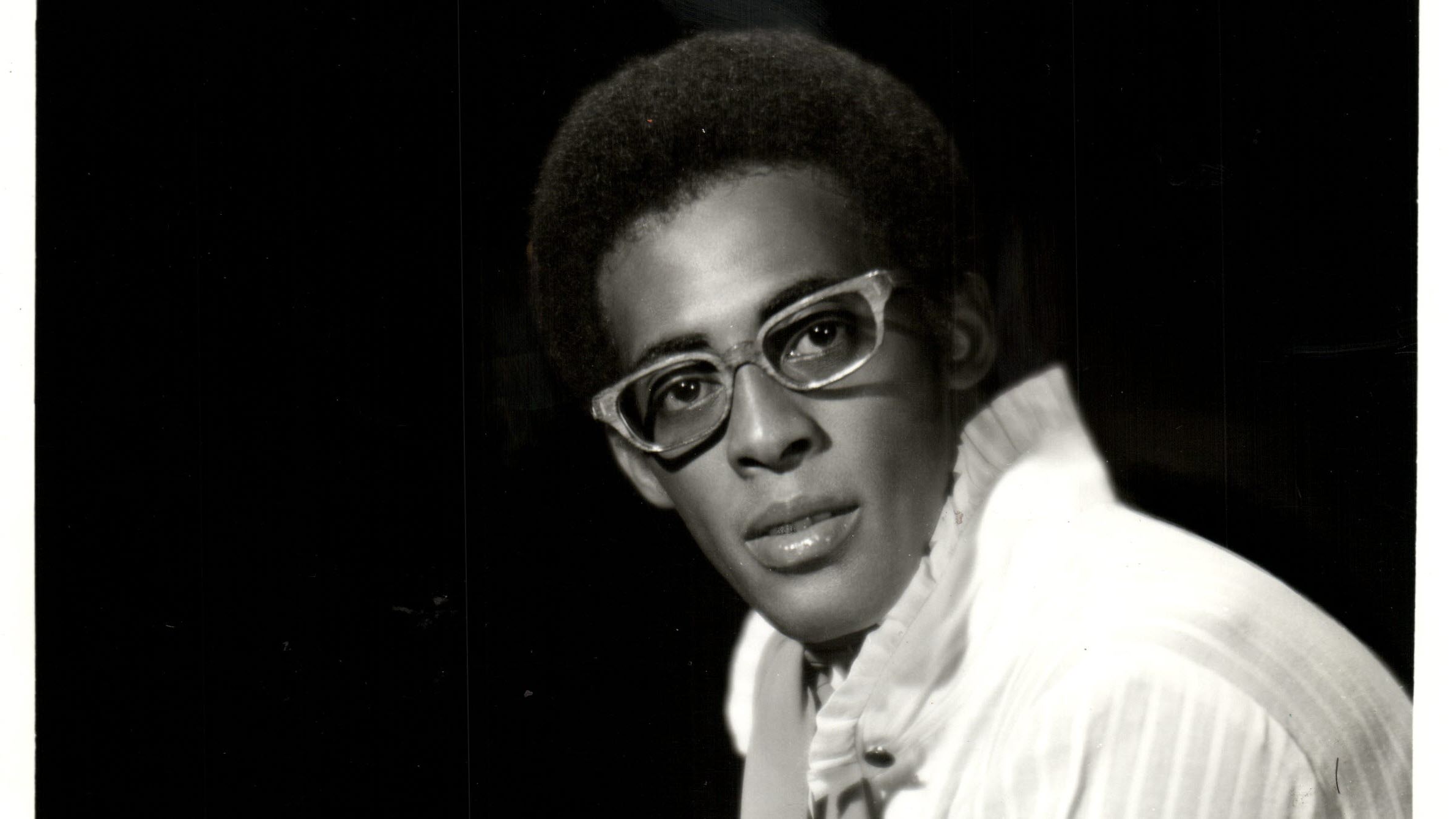
When you hear that unmistakable raspy tenor cutting through a Motown groove, there’s no mistaking it — David Ruffin has entered the room. As the iconic voice behind some of The Temptations’ greatest hits and a powerhouse solo artist in his own right, Ruffin carved his name into the bedrock of soul music. With a voice that could soar with heartbreak one moment and roar with passion the next, he brought raw emotion to every track he touched. From the timeless romance of “My Girl” to the gut-wrenching vulnerability of “Walk Away from Love”, Ruffin didn’t just sing songs — he lived them.
This list dives into the top 10 most popular David Ruffin songs of all time, spanning his legendary work with The Temptations and his unforgettable solo career. Each song is a snapshot of soul history, filled with the kind of vocal fire and lyrical storytelling that made Ruffin a voice for the lovesick, the hopeful, and the brokenhearted. Whether you’re a lifelong fan or just discovering his music, this journey through Ruffin’s greatest hits is bound to stir your soul and remind you why his voice still echoes through generations.
1. “My Girl” – The Temptations (1964)
Released in late 1964 and rising to No. 1 in early 1965, “My Girl” isn’t just The Temptations’ signature hit—it’s one of the most beloved songs in Motown history. Written by Smokey Robinson and Ronald White, the track marked David Ruffin’s debut as lead vocalist for the group, and what a debut it was. His warm, expressive delivery turns a simple love song into something truly magical. From the unforgettable opening bassline to the sweet orchestral flourishes, “My Girl” radiates joy and romantic devotion. Ruffin’s voice is equal parts tenderness and pride, making every word feel deeply personal, like he’s singing directly to you. The song’s universal message of love and appreciation helped it cross over to mainstream audiences and catapulted The Temptations to superstardom. Over the years, “My Girl” has become a go-to anthem for weddings, anniversaries, and Valentine’s Day playlists, beloved by generations. Its timeless appeal lies not only in its flawless composition and smooth production but in the sheer sincerity of Ruffin’s voice. More than just a chart-topper, “My Girl” is a cultural touchstone that continues to define what a classic love song should sound like.
2. “Ain’t Too Proud to Beg” – The Temptations (1966)
By 1966, The Temptations were evolving their sound, and “Ain’t Too Proud to Beg” captured that transformation perfectly. Gritty, passionate, and unrelentingly honest, the song showcased a rawer, more emotionally intense side of the group—driven by David Ruffin’s unforgettable lead vocal. Written by Norman Whitfield and Edward Holland Jr., the track bursts with urgency, with Ruffin practically pleading for love over a pounding, uptempo groove. His raspy voice carries the desperation of a man with nothing left to lose, and it’s that vulnerability—wrapped in unwavering strength—that makes the song so powerful. The horns stab like heartbreak, the rhythm section pulses with anxious energy, and Ruffin rides it all with the fiery conviction of someone whose world is slipping away. “Ain’t Too Proud to Beg” climbed to No. 13 on the Billboard Hot 100 and became a staple of The Temptations’ live shows. Its raw emotional power helped redefine the group’s image and solidify Ruffin’s role as a soul music powerhouse. Even decades later, the song remains a masterclass in vocal passion, a testament to how pleading for love can be as commanding as proclaiming it.
3. “I Wish It Would Rain” – The Temptations (1967)
Released in late 1967, “I Wish It Would Rain” stands as one of The Temptations’ most emotionally gut-wrenching ballads. Written by Norman Whitfield, Barrett Strong, and lyricist Roger Penzabene—who tragically wrote the lyrics while grappling with heartbreak and depression—the song is steeped in genuine sorrow. David Ruffin’s performance takes that sorrow and turns it into something transcendent. His voice, fragile yet strong, cracks and swells with the weight of emotional devastation. He doesn’t just sing about pain—he lives it in every note. The lush string arrangement and soft backing vocals contrast beautifully with the lyrical content, enhancing the sense of a man putting on a brave face while dying inside. When Ruffin pleads for rain to hide his tears, it’s more than a metaphor—it’s a cry for emotional shelter. The track reached No. 4 on the Billboard Hot 100 in early 1968, and its tragic beauty still resonates. More than just a hit single, “I Wish It Would Rain” is a soul opera of grief and longing, a lasting reminder of David Ruffin’s ability to channel heartbreak into unforgettable music.
4. “Beauty Is Only Skin Deep” – The Temptations (1966)
With its irresistible beat and uplifting message, “Beauty Is Only Skin Deep,” released in 1966, became one of The Temptations’ most enduring hits. Written by Norman Whitfield and Edward Holland Jr., the song delivers a timeless reminder that true love sees beyond physical appearance. David Ruffin’s lead vocals are a perfect match for the song’s breezy, upbeat arrangement—infusing it with sincerity and warmth without losing its danceable energy. His delivery is effortlessly charismatic, striking a balance between playful and profound. The instrumentation, full of lively horns and steady Motown grooves, makes it impossible not to tap your foot or sing along. It reached No. 3 on the Billboard Hot 100 and helped further establish the group’s crossover appeal. But beyond the catchy hook, the song carries a deeper resonance—it challenges superficial standards and celebrates inner beauty in a way that still feels relevant today. “Beauty Is Only Skin Deep” is more than a radio-friendly hit; it’s a feel-good anthem with heart, and Ruffin’s voice is the soul of its message.
5. “(I Know) I’m Losing You” – The Temptations (1966)
“I Know I’m Losing You,” released in 1966, is one of the rawest and most visceral songs in The Temptations’ catalog. From the very first drumbeat, it’s clear that this isn’t just another love song—it’s a full-on emotional reckoning. The track, written by Norman Whitfield, Edward Holland Jr., and Cornelius Grant, is driven by paranoia, pain, and mounting suspicion, all embodied in David Ruffin’s searing vocal performance. His voice practically bursts with torment, dancing between controlled restraint and explosive desperation. Each lyric lands like a confession—intimate and fevered—as if Ruffin is trying to shout back the inevitable loss of a lover. The tight instrumentation—tense guitars, a thunderous rhythm, and haunting backing vocals—adds to the song’s almost cinematic intensity. It peaked at No. 8 on the Billboard Hot 100 and was later covered by several artists, including Rod Stewart, who brought a rock edge to the soul classic. But it’s Ruffin’s anguished original that continues to define the song. “I Know I’m Losing You” isn’t just about heartbreak—it’s about the agony of knowing it’s coming and being powerless to stop it.
6. “Walk Away from Love” – David Ruffin (1975)
Released in 1975, “Walk Away from Love” marked a major turning point in David Ruffin’s solo career, proving he could command just as much power on his own as he did with The Temptations. Produced by Van McCoy—best known for the disco smash “The Hustle”—the track beautifully blends smooth, mid-’70s soul with subtle disco flourishes. But it’s Ruffin’s voice that makes the song unforgettable. His delivery is measured, yet every note is soaked in heartbreak. The lyrics tell the story of a man choosing to leave a relationship rather than let it destroy him, and Ruffin sells that emotional struggle with quiet conviction and aching vulnerability. There’s a bittersweet nobility in the way he sings, walking away not out of anger, but out of necessity. The track reached No. 9 on the Billboard Hot 100 and hit No. 1 on the R&B chart, further cementing Ruffin’s legacy as a soul icon. “Walk Away from Love” endures as one of his most recognizable solo hits—a slow-burning anthem of emotional self-preservation that resonates just as deeply today as it did in the 1970s.
7. “Statue of a Fool” – David Ruffin (1975)
David Ruffin’s rendition of “Statue of a Fool,” released in 1975, is a soul-baring performance that feels more like a theatrical monologue than a song. Originally penned by Jan Crutchfield, the ballad had been recorded by several artists, but Ruffin took it to another level entirely. His version is grand and emotionally charged, driven by lush orchestration and a deliberate, mournful tempo. It tells the story of a man left devastated by love, who now stands metaphorically frozen in shame and regret—like a statue carved from heartbreak. Ruffin inhabits the role completely. His voice soars, trembles, and breaks in all the right places, capturing the song’s overwhelming sense of loss and humiliation. What makes this recording especially powerful is how Ruffin transforms a country-flavored ballad into a full-blown soul drama. Every lyric feels deeply personal, as though he’s lived through the heartache himself. While the song didn’t chart as high as some of his other solo work, it has become a fan favorite and a showcase of his emotional range. “Statue of a Fool” remains one of Ruffin’s most stirring performances—a haunting tribute to love’s sometimes cruel aftermath.
8. “My Whole World Ended (The Moment You Left Me)” – David Ruffin (1969)
David Ruffin’s debut solo single, “My Whole World Ended (The Moment You Left Me),” was released in 1969, and it hit like an emotional tidal wave. As his first song after parting ways with The Temptations, it needed to make a statement—and it did. From the opening burst of dramatic strings to the anguished vocals that follow, the track announces Ruffin’s solo artistry in bold, heartbreaking fashion. Written by Harvey Fuqua, Johnny Bristol, Pam Sawyer, and James Roach, the song is a sweeping ode to lost love, built on layers of orchestration, gospel-tinged backing vocals, and a melody that tugs relentlessly at the heart. Ruffin’s vocal performance is masterful. He doesn’t just sing about despair—he embodies it, delivering each line with raw intensity and unfiltered pain. The song climbed to No. 9 on the Billboard Hot 100 and No. 1 on the R&B chart, cementing Ruffin’s ability to carry a song entirely on his own. “My Whole World Ended” is more than a breakup song—it’s a soul opera that captures the emotional fallout of love lost with breathtaking power.
9. “I Could Never Love Another (After Loving You)” – The Temptations (1968)
Released in 1968, “I Could Never Love Another (After Loving You)” served as a poignant farewell for David Ruffin, marking his final single as lead vocalist for The Temptations. The song was penned by the same writing team—Norman Whitfield, Barrett Strong, and Roger Penzabene—behind “I Wish It Would Rain,” and it carries a similar emotional weight. Inspired by Penzabene’s real-life heartbreak, the lyrics are deeply personal, and Ruffin’s delivery makes them feel even more devastating. His voice is full of sorrow, yet never melodramatic—he walks the line between broken and resolute with remarkable finesse. The orchestration swells behind him, but it’s Ruffin’s performance that cuts through most powerfully, giving voice to a man shattered by love who knows he’ll never recover. Though the single didn’t match the chart success of previous hits, peaking at No. 13 on the R&B chart, it remains a fan favorite and a stunning swan song for Ruffin’s time with the group. “I Could Never Love Another” is a soul confessional—raw, honest, and unforgettable.
10. “Since I Lost My Baby” – The Temptations (1965)
“Since I Lost My Baby,” released in 1965, is a masterclass in subtle emotional storytelling, wrapped in Smokey Robinson’s silky songwriting and delivered with David Ruffin’s signature heartache. The song doesn’t burst with drama; instead, it simmers with quiet pain. The lyrics speak of a man who seemingly has everything—sunshine, success, material comfort—but none of it matters since losing the love of his life. Ruffin’s voice is restrained but full of longing, turning every line into a gentle sigh of regret. The musical arrangement is smooth and elegant, featuring mellow horns, soft percussion, and string accents that underscore the melancholy. Unlike some of The Temptations’ more upbeat tracks, this one glides along at a mid-tempo pace, letting the emotion do the heavy lifting. While it peaked at No. 17 on the Billboard Hot 100, it has remained one of their most underrated gems. “Since I Lost My Baby” is a soul slow-burner that proves you don’t have to shout to be heard—sometimes the quietest sorrow speaks the loudest, especially when delivered by a voice as nuanced as Ruffin’s.

Samuel Moore is a frequent contributor to Singers Room. Since 2005, Singersroom has been the voice of R&B around the world. Connect with us via social media below.









