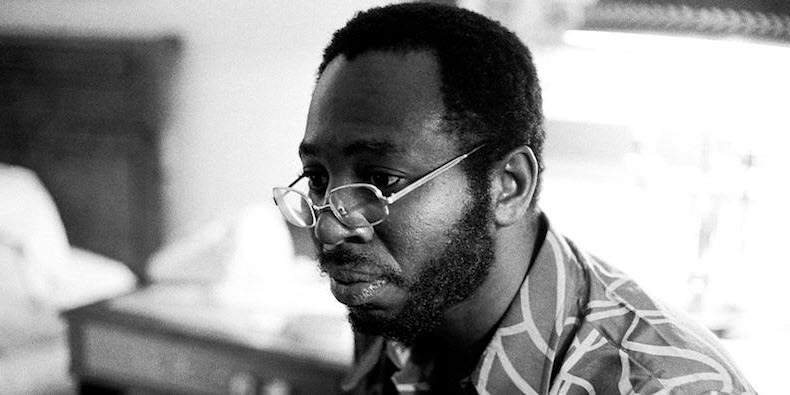
Few artists in American music history have blended soul, funk, and social consciousness with as much grace and power as Curtis Mayfield. From his early days with The Impressions to his groundbreaking solo work, Mayfield was more than a singer—he was a storyteller, a prophet, and a voice for the voiceless. His music spoke directly to the struggles and triumphs of Black America, offering both sharp critiques and messages of hope. With soaring falsettos, irresistible grooves, and lyrics that cut straight to the heart, Mayfield crafted a catalog that remains as vital today as it was during the civil rights era. Whether he was urging people to “keep on keeping on” or delivering cinematic funk on the Super Fly soundtrack, his songs resonated far beyond the radio waves. In this article, we count down the top 10 most popular Curtis Mayfield songs of all time—tracks that defined generations, inspired movements, and solidified his place as one of the most influential artists in soul and R&B history. So turn up the volume, feel the rhythm, and dive into the timeless genius of Curtis Mayfield. These are the songs that moved the world—and still do.
1. “Move On Up” (1970)
Curtis Mayfield’s “Move On Up,” released in 1970 on his debut solo album Curtis, is a jubilant soul-funk anthem that radiates positivity and purpose. From the very first blare of horns and tight percussion, the song establishes a relentless groove that carries through its nearly nine-minute runtime. Mayfield’s unmistakable falsetto floats above the rhythm with clarity and conviction, urging listeners to keep striving, keep climbing, and never let hardship define them. Though it didn’t chart high in the U.S. at the time, the song found great success overseas—especially in the U.K.—and later became a beloved classic around the globe. More than just a danceable track, “Move On Up” is a motivational call to arms, combining sonic euphoria with a powerful social message. It’s been sampled widely in hip-hop and frequently used in political rallies and commercials, underscoring its timeless appeal. What makes the song endure isn’t just its irresistible rhythm, but the sincerity and hope at its core. Mayfield didn’t just want you to move your feet—he wanted to move your spirit. In a world often marked by struggle, “Move On Up” remains a beacon of encouragement and one of Mayfield’s most iconic contributions to music.
2. “Superfly” (1972)
The title track from the Super Fly soundtrack, “Superfly” is a landmark piece of early ’70s funk and a defining moment in Curtis Mayfield’s career. Released in 1972, the song mixes razor-sharp guitar riffs, punchy horns, and slick bass grooves to create a sound that’s as cinematic as the film it accompanies. But what really sets “Superfly” apart is the depth of its narrative. Instead of glamorizing the drug-dealing antihero of the movie, Mayfield crafts a more complex picture—a man shaped by his environment, respected by some, pitied by others, and ultimately trapped by his own choices. His vocals are smooth yet knowing, filled with subtle irony and quiet judgment. The song’s commercial success—it reached the Top 10 on the Billboard charts—proved that a film soundtrack could be both a critical commentary and a pop sensation. “Superfly” not only elevated the movie, but it also expanded what was possible for soul music in a socially conscious era. With this track, Mayfield didn’t just write a hit; he created a cultural artifact that continues to resonate in conversations around art, morality, and survival in America’s inner cities.
3. “Freddie’s Dead” (1972)
Released ahead of the Super Fly soundtrack in 1972, “Freddie’s Dead” is a powerful, mournful piece that blends gritty funk with poignant social commentary. The track opens with an unforgettable groove—string flourishes, a bubbling bassline, and clavinet stabs—that sets an urgent tone. At its heart is the story of Freddie, a character in the film who becomes a casualty of the drug trade. But the song transcends the narrative confines of the movie, turning Freddie into a symbol of systemic failure and urban neglect. Mayfield’s lyrics are cutting yet heartfelt, mourning Freddie’s fate while indicting the environment that sealed it. With lines like “Everybody’s misused him, ripped him off and abused him,” Mayfield gives voice to the voiceless. The song climbed to No. 4 on the Billboard Hot 100, proving that commercial hits could carry a heavy conscience. “Freddie’s Dead” endures because it balances groove and grief so masterfully. It’s at once a funk classic and a rallying cry against injustice—a track that makes you move, then makes you think.
4. “People Get Ready” (1965)
Curtis Mayfield wrote “People Get Ready” in 1965 during his time with The Impressions, and the song quickly became one of the most spiritually resonant and politically meaningful anthems of the Civil Rights era. Anchored in gospel tradition, the melody is gentle, the harmonies rich, and the message universal. Mayfield invokes the metaphor of a train—bound for a better place—inviting all to climb aboard with faith, love, and unity. There’s no judgment here, just a heartfelt plea for togetherness. The track became a beacon of hope during marches and rallies, often sung in churches and community gatherings as both prayer and protest. What makes “People Get Ready” so timeless is its spiritual openness; though rooted in a specific struggle, its call for justice and compassion resonates far beyond its era. Over the decades, it has been covered by countless artists, but none capture the quiet power of the original. With this song, Mayfield didn’t just write a hit—he offered a musical sanctuary. It remains one of the most important American songs ever written, both for its beauty and its unwavering moral clarity.
5. “Pusherman” (1972)
“Pusherman,” from 1972’s Super Fly, is perhaps one of Curtis Mayfield’s most daring and provocative songs. Built on a simmering bassline, congas, and eerie psychedelic textures, the track oozes a cool confidence that’s both seductive and unsettling. Here, Mayfield adopts the persona of a drug dealer, speaking directly to the listener with lines like “I’m your mama, I’m your daddy, I’m that n**** in the alley.” The delivery is slick, but it’s not celebratory—it’s a dissection. Mayfield’s genius lies in his ability to expose the complex layers of street life, portraying the pusher not simply as a villain, but as a byproduct of systemic failure and economic desperation. The music pulls you in, but the lyrics make you pause and reflect. “Pusherman” walks a razor-thin line between allure and condemnation, making it one of the most layered tracks in Mayfield’s catalog. It has since become a staple sample in hip-hop and a touchstone for storytelling in Black music. Few songs are this sonically captivating while also offering such sharp social critique. “Pusherman” is gritty, hypnotic, and unafraid to speak hard truths.
6. “If There’s a Hell Below, We’re All Going to Go” (1970)
Curtis Mayfield didn’t ease into his solo career—he kicked it off with a thunderclap. “If There’s a Hell Below, We’re All Going to Go,” the explosive opening track from his 1970 solo debut Curtis, is a furious, unfiltered sermon set to a funk inferno. The song begins with a spoken-word warning, then erupts into a maelstrom of distorted bass, shrieking strings, and relentless drums. Over this sonic chaos, Mayfield unleashes a scathing indictment of racism, political corruption, war, and spiritual decay. His delivery is urgent, almost prophetic, like a preacher shouting truth from the pulpit. He doesn’t spare anyone—Black, white, rich, poor—all are complicit, all are in danger of going down together. This track wasn’t made for easy listening; it was a wake-up call. While many soul records of the time offered escapism, Mayfield chose confrontation. “If There’s a Hell Below” was way ahead of its time both musically and thematically, laying the groundwork for the politically charged funk of the decade to follow. More than 50 years later, it still resonates as a bold, unapologetic challenge to complacency.
7. “Keep On Keeping On” (1970)
Tucked into the middle of Curtis (1970), “Keep On Keeping On” is one of Curtis Mayfield’s most quietly powerful songs. Unlike his more explosive or politically charged tracks, this one offers a gentle, soulful reminder to persevere through life’s struggles. Built around a mellow groove, soft guitar strums, and laid-back drums, the music provides a warm foundation for Mayfield’s tender falsetto. There’s a calmness in his voice that feels like a friend offering comfort in a time of need. The lyrics—encouraging listeners to stay strong, stay focused, and remain true to themselves—are timeless in their simplicity. While the song may lack the grand drama of “If There’s a Hell Below” or “Superfly,” its emotional weight is undeniable. It’s the kind of tune that doesn’t shout to be heard but leaves a lasting impression nonetheless. Over the years, “Keep On Keeping On” has been embraced by listeners looking for reassurance, and it continues to resonate across generations. In a world often consumed by noise and chaos, this track stands as a gentle reminder that persistence, kindness, and inner strength matter.
8. “We the People Who Are Darker Than Blue” (1970)
One of the most profound tracks on Curtis, “We the People Who Are Darker Than Blue” is a deeply introspective and emotionally stirring piece. Instead of addressing external forces of oppression, Mayfield turns inward to confront the fractures within the Black community itself. The arrangement is slow and rich, anchored by mournful strings, restrained horns, and a soulful rhythm section that lets his message breathe. Mayfield challenges listeners with unflinching honesty: “Are we gonna stand around this town / And let what others say come true?” The song grapples with issues of colorism, internal division, and the struggle for dignity in the face of systemic degradation. Yet, it never loses hope. There’s compassion in his voice, and a desire for healing that runs beneath every lyric. This isn’t just a protest song—it’s a plea for unity, self-love, and progress. Musically lush and lyrically courageous, “We the People Who Are Darker Than Blue” is Curtis Mayfield at his most vulnerable and wise. It remains one of his most essential and enduring works.
9. “Choice of Colors” (1969)
Released in 1969 with The Impressions, “Choice of Colors” is Curtis Mayfield’s heartfelt meditation on race, justice, and identity in America. At a time when the country was boiling with civil unrest, Mayfield delivered a song that was both provocative and deeply human. Over a gentle, gospel-tinged melody, he asks probing questions that cut to the core of the American experience: “If you had a choice of colors, which one would you choose, my brothers?” It’s a line that invites self-reflection without accusation, creating space for honesty and dialogue. The track became a No. 1 R&B hit, offering a calm but powerful voice during a turbulent period. Mayfield’s approach was unique—he didn’t shout; he asked, he wondered, he reached out. “Choice of Colors” doesn’t demand answers—it encourages empathy. Its emotional intelligence and grace make it one of the most enduring civil rights songs of its time. Even today, its questions remain relevant, its hope still inspiring. In Mayfield’s hands, music became not just a form of expression, but a tool for healing and understanding.
10. “It’s All Right” (1963)
Before Curtis Mayfield became a solo icon, he was already reshaping the sound of soul with The Impressions. “It’s All Right,” released in 1963, stands as one of the group’s most joyous and uplifting songs—and a defining moment in Mayfield’s early career. Built around a cheerful rhythm and warm, breezy harmonies, the track is a pure celebration of life’s simple pleasures. Mayfield’s voice glides effortlessly through the melody, radiating assurance and calm with every note. At a time when America was on the cusp of massive social change, “It’s All Right” delivered a message of optimism and resilience. The song climbed to No. 4 on the Billboard Hot 100, cementing The Impressions’ status as leaders of the soul movement. But beyond commercial success, the track offered emotional shelter—a three-minute reminder that, despite everything, things could get better. “It’s All Right” isn’t just feel-good music; it’s soul medicine. Decades later, it still carries that same magic, the kind that can turn a bad day around with a single listen. It’s the sound of sunlight breaking through the clouds, and proof that sometimes, simplicity is the deepest kind of genius.

Samuel Moore is a frequent contributor to Singers Room. Since 2005, Singersroom has been the voice of R&B around the world. Connect with us via social media below.









