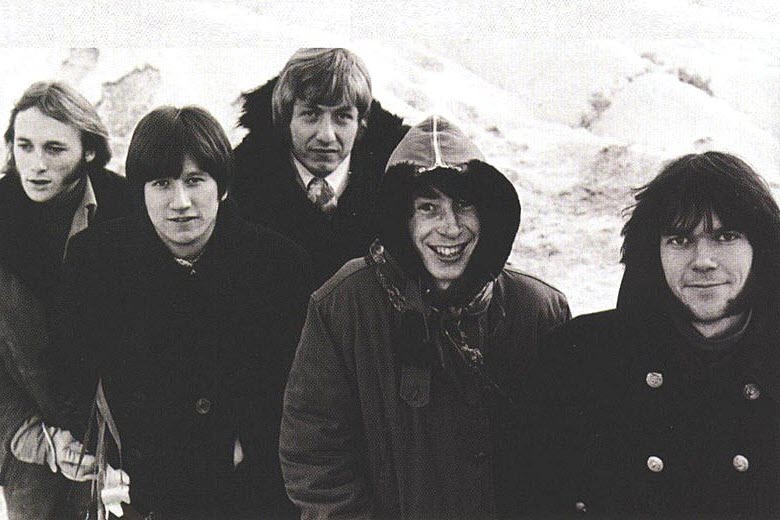
Buffalo Springfield, the iconic band that emerged from the vibrant 1960s music scene, left an indelible mark on rock history with their powerful lyrics and unforgettable melodies. Formed in 1966, this California group became the voice of a generation, blending folk, rock, and social commentary into a sound that resonated deeply with the tumultuous spirit of the era. Featuring legendary talents like Neil Young, Stephen Stills, and Richie Furay, Buffalo Springfield crafted songs that not only captured the essence of their time but also paved the way for future musical movements.
In this article, we dive into the top 10 most popular Buffalo Springfield songs of all time, celebrating their enduring legacy and exploring the themes that made them resonate with fans across decades. From anthems of protest to poignant love songs, each track offers a glimpse into the band’s unique ability to convey powerful emotions and thought-provoking messages. Join us as we revisit the unforgettable sounds that defined a generation and continue to inspire new listeners today. Whether you’re a lifelong fan or discovering their music for the first time, this countdown promises to ignite your passion for one of rock’s most influential bands!
1. For What It’s Worth (1966)
Released in 1966, “For What It’s Worth” became more than just a song—it became the defining anthem of a generation seeking change. Written by Stephen Stills, this track was inspired by the Sunset Strip curfew riots in Los Angeles but quickly evolved into a broader symbol of protest and resistance. With its haunting guitar riff and eerie, almost whispered vocals, the song perfectly captures the uncertainty, fear, and frustration of the late 1960s. The lyrics, “Stop, hey, what’s that sound, everybody look what’s going down,” have echoed through decades of social movements, continuing to resonate whenever civil unrest or political tension arises. Musically, it’s a masterclass in minimalism, where space and silence carry as much weight as the instruments. The harmonies between Stills and Neil Young add an unsettling beauty that mirrors the tension in the world it describes. Even now, “For What It’s Worth” feels timeless. Whether it’s playing during a documentary on civil rights or echoing through modern protests, the song remains a haunting reminder that the struggle for justice, equality, and understanding is an ongoing fight—and music has always been one of its most powerful weapons.
2. Buffalo Springfield Again (1967)
“Buffalo Springfield Again,” released in 1967, serves as a deeply introspective reflection on the band’s whirlwind rise to fame and the complicated dynamics that came with it. Written by Neil Young, this song isn’t just about their experiences—it’s also a commentary on the fleeting nature of success and the longing for something more meaningful amidst the chaos of the music industry. The layered guitar work, gentle percussion, and introspective harmonies create an atmosphere that feels both nostalgic and melancholic. Lyrically, it wrestles with the highs and lows of being thrust into the spotlight, where dreams meet harsh realities. You can hear both the weariness and the affection in Young’s delivery, capturing the bittersweet feeling of being part of something special that feels impossible to hold onto. The instrumentation is intricate yet understated, allowing the lyrics to shine. In many ways, the song embodies the spirit of the late ’60s—full of hope, disillusionment, and the search for authenticity in a rapidly changing world. It’s a track that rewards repeated listens, offering new layers of meaning each time, and stands as one of Buffalo Springfield’s most thoughtful and revealing compositions.
3. Expecting to Fly (1967)
“Expecting to Fly,” released in 1967, is a breathtaking departure from Buffalo Springfield’s typical folk-rock sound. This Neil Young-penned ballad feels like an otherworldly experience from start to finish. The lush orchestration—complete with sweeping strings, subtle horns, and gentle piano—creates an almost cinematic backdrop that elevates the song into something truly transcendent. Young’s vocals are fragile yet hauntingly beautiful, conveying a deep sense of longing, loss, and the bittersweet hope of something better. The lyrics paint a picture of fleeting love, missed chances, and the pain of letting go, with lines that evoke vivid emotional landscapes. What makes “Expecting to Fly” stand out is how it feels suspended in time—ethereal, weightless, and yet profoundly heavy in its emotional impact. The song doesn’t just tell a story; it immerses you in it, making listeners reflect on their own experiences of love and heartbreak. As the strings swell and the final notes fade, there’s a lingering sense of unresolved yearning that stays with you long after it ends. This track is not just a highlight of the Buffalo Springfield catalog but a masterclass in songwriting and emotional storytelling.
4. Mr. Soul (1967)
Released in 1967, “Mr. Soul” is Neil Young’s raw and introspective response to the sudden pressures of fame and the challenges of being thrust into the spotlight. Driven by a gritty, blues-infused riff that feels reminiscent of the Rolling Stones, the track pulses with a sense of urgency and swagger. Lyrically, Young grapples with the disconnection that fame can bring, using clever wordplay and vivid metaphors to explore his own identity crisis. “Mr. Soul” serves as both a commentary on the music industry and a personal reflection on the alienation that success can cause. The biting sarcasm in the lyrics contrasts beautifully with the song’s infectious groove, making it both thought-provoking and incredibly catchy. The band’s tight instrumentation, coupled with Young’s distinctive vocals, gives the song a timeless quality that feels as relevant today as it did in the late ’60s. Whether interpreted as a critique of celebrity culture or a deeply personal confessional, “Mr. Soul” remains one of Buffalo Springfield’s most iconic tracks—a bold fusion of rock attitude and introspective songwriting that captures the turbulence of both the era and the human experience.
5. Bluebird (1967)
“Bluebird,” released in 1967, is a stunning example of Buffalo Springfield’s ability to seamlessly blend folk, rock, and blues into one cohesive masterpiece. Written by Stephen Stills, the song starts with intricate acoustic guitar picking before exploding into powerful electric guitar riffs, creating a dynamic contrast that keeps listeners engaged from start to finish. The lyrics are poetic and open to interpretation, touching on themes of love, freedom, and the desire for escape. As the song progresses, it evolves into an extended jam session, showcasing the incredible musical chemistry between the band members. The interplay between Stills’ acoustic finesse and Neil Young’s electric guitar prowess feels like a conversation, each instrument answering the other in a perfect musical dialogue. “Bluebird” is not just a song—it’s a journey. It captures the experimental spirit of the late ’60s while remaining grounded in strong songwriting and lyrical depth. The transitions between gentle folk verses and electrified rock sections mirror the emotional push and pull within the lyrics, offering a sonic experience that feels both intimate and epic. It’s a track that perfectly encapsulates Buffalo Springfield’s artistic brilliance.
6. A Child’s Claim to Fame (1967)
“A Child’s Claim to Fame,” released in 1967, is one of Buffalo Springfield’s most charming and introspective tracks. Written by Richie Furay, this song delivers a gentle yet pointed commentary on the fleeting nature of fame and the challenges of staying true to oneself in an industry that often demands compromise. Musically, it leans heavily into country-rock, with jangly guitars, steady percussion, and rich vocal harmonies that give it a warm, rootsy feel. The lyrics reflect on youthful ambition and the struggle to carve out an identity amidst pressure and expectations, likely a subtle nod to internal band tensions, particularly with Neil Young’s sporadic departures. Furay’s earnest delivery adds a layer of sincerity that makes the message resonate even more. It’s a song that feels both personal and universal, touching on the longing we all have to be recognized while also questioning what that recognition is truly worth. “A Child’s Claim to Fame” stands as a testament to the band’s versatility, showcasing their ability to craft songs that are both musically rich and lyrically thoughtful, and it continues to strike a chord with listeners today.
7. Rock and Roll Woman (1967)
Released in 1967, “Rock and Roll Woman” is a vibrant, infectious track that captures the spirit of the era with its upbeat tempo and infectious groove. Written by Stephen Stills, the song is rumored to be about Grace Slick of Jefferson Airplane, reflecting the powerful presence of women in the rock scene at the time. Musically, it’s a perfect blend of jangly guitars, tight harmonies, and a driving rhythm that makes it instantly catchy. The lyrics are playful yet reverent, celebrating the allure and independence of a woman who embodies the rock and roll lifestyle. Stills’ lead vocals, paired with the band’s layered harmonies, create a rich, textured sound that elevates the track beyond a simple pop tune. What makes “Rock and Roll Woman” stand out is its balance of energy and sophistication—it’s fun and carefree on the surface but carries an undercurrent of admiration and respect for the subject. The song remains a fan favorite not only for its catchy hook but also for its recognition of the growing role of women in shaping the music of the ’60s, making it both a celebration and a statement.
8. I Am a Child (1969)
“I Am a Child,” released in 1969, is a gentle, introspective ballad penned and performed by Neil Young that captures the essence of innocence and the bittersweet transition from childhood to adulthood. Stripped-down and raw, the song features simple acoustic guitar, subtle bass, and soft harmonies that allow Young’s earnest vocals to shine. The lyrics are deeply personal, reflecting a child’s plea for understanding and acceptance while subtly highlighting the confusion that often comes with growing up. It’s a song that resonates with listeners of all ages, evoking memories of simpler times and the challenges of navigating an increasingly complicated world. Despite its minimalistic arrangement, “I Am a Child” carries immense emotional weight. Young’s delivery is fragile yet purposeful, conveying both vulnerability and wisdom beyond his years. The beauty of this track lies in its simplicity—it doesn’t try to be grand or flashy but instead offers a quiet space for reflection. It serves as a reminder that sometimes the most profound messages are delivered in the simplest ways, and it remains one of the most touching pieces in the Buffalo Springfield catalog.
9. Sit Down, I Think I Love You (1967)
“Sit Down, I Think I Love You,” released in 1967, is a delightful burst of sunshine pop mixed with the signature folk-rock sound that made Buffalo Springfield famous. Written by Stephen Stills, the song perfectly captures the giddy excitement of falling in love at first sight. Its upbeat melody, chiming guitars, and bouncy rhythm create an infectious, feel-good atmosphere that’s impossible to resist. The lyrics are refreshingly straightforward, expressing the impulsive yet heartfelt confession of love, complete with a catchy chorus that invites listeners to sing along. What makes this song stand out is its simplicity—it doesn’t overcomplicate the message but instead leans into the universal joy of romantic discovery. The band’s harmonies are tight and sweet, adding an extra layer of charm to the already buoyant tune. “Sit Down, I Think I Love You” became a minor hit for the band and was later covered by The Mojo Men, whose version also found success. Even decades later, this track remains a testament to the timeless appeal of honest, joyful songwriting that captures the magic of those early sparks of love.
10. Nowadays Clancy Can’t Even Sing (1966)
“Nowadays Clancy Can’t Even Sing,” released in 1966, is one of Buffalo Springfield’s most introspective and poetic tracks. Written by Neil Young, the song grapples with themes of isolation, frustration, and the search for meaning in a world that often feels indifferent. Musically, it’s a beautifully layered composition, featuring gentle acoustic guitar, rich harmonies, and a haunting melody that perfectly complements the melancholic tone of the lyrics. The title itself suggests a loss of voice or agency—Clancy, a symbolic figure, can no longer express himself in a world that doesn’t listen. Young’s lyrics are abstract but deeply evocative, capturing the disillusionment of youth and the desire to stay true to oneself amidst overwhelming societal pressures. Richie Furay handles the lead vocals, delivering the lines with a gentle yet emotionally charged sincerity that heightens the song’s impact. “Nowadays Clancy Can’t Even Sing” stands as an early example of Young’s gift for introspective songwriting, setting the stage for his future solo work. It’s a song that feels just as relevant today, offering comfort to anyone who’s ever felt misunderstood or out of step with the world around them.

Edward Tomlin is a frequent contributor to Singers Room. Since 2005, Singersroom has been the voice of R&B around the world. Connect with us via social media below.









