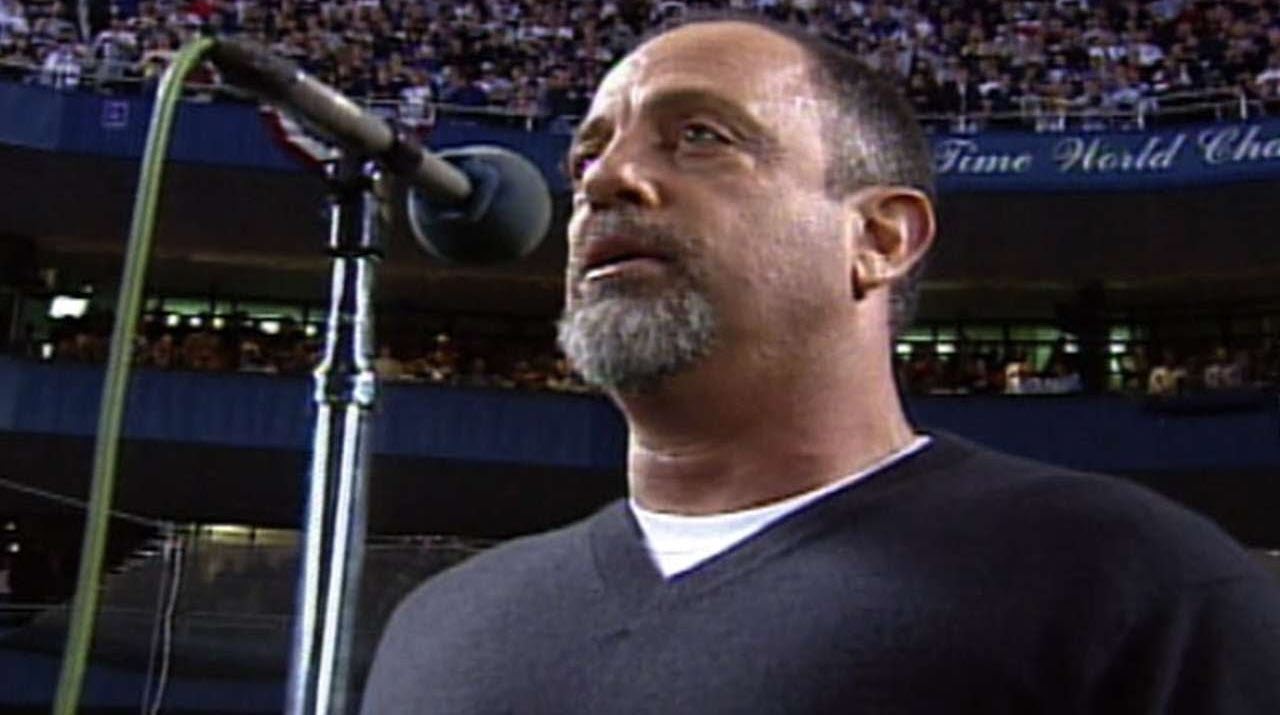
Few artists have left as profound a mark on popular music as Billy Joel, the “Piano Man” himself. With a career spanning over five decades, Joel has crafted timeless songs that blend storytelling, melody, and emotion like no one else. Whether he’s crooning a heartfelt ballad, belting out a rock anthem, or spinning history into hit records, his music resonates across generations. From dive bars in New York to sold-out arenas worldwide, Joel’s voice and piano have become iconic symbols of American songwriting. His catalog is a genre-spanning journey—equal parts pop, rock, jazz, and soul—filled with unforgettable characters, sentimental snapshots, and rebellious declarations. But with such an expansive and beloved discography, which tracks truly stand out as his most popular and enduring? In this article, we dive deep into the Top 10 most popular Billy Joel songs of all time, celebrating the hits that have captivated fans, dominated the charts, and stood the test of time. Whether you’re a lifelong fan or a curious newcomer, this list is your perfect guide to the songs that made Billy Joel a legend. So sit back, press play in your mind, and get ready to rediscover the magic of one of music’s greatest storytellers.
1. Piano Man (1973)
When “Piano Man” arrived in 1973, it didn’t just mark Billy Joel’s breakthrough—it introduced the world to his gift for transforming real-life moments into vivid musical stories. Inspired by his stint playing in a Los Angeles piano bar, Joel turns a smoky room full of drifters, drinkers, and daydreamers into something almost mythic. Through the steady sway of its 6/8 time signature, harmonica flourishes, and a melancholic melody, Joel invites listeners into a world where every patron has a story, and every note carries emotion. The bartender, the real estate novelist, the waitress practicing politics—they’re all unforgettable characters in this beautifully textured narrative. Though it wasn’t a major hit at first, “Piano Man” steadily became Joel’s signature song, growing in stature with every barroom chorus of “Sing us a song, you’re the piano man.” It’s a masterclass in musical empathy—equal parts personal diary, stage play, and soul-searching confessional. More than a song, “Piano Man” feels like a conversation you didn’t know you needed, unfolding over a late-night drink. It’s no wonder that decades later, it still resonates with anyone who’s ever sought comfort in a familiar tune or a stranger’s company.
2. Uptown Girl (1983)
“Uptown Girl” is Billy Joel at his most playful and nostalgic, a gleaming tribute to the 1950s and early ’60s pop sound he grew up loving. Released in 1983 as part of An Innocent Man, the song explodes with doo-wop harmonies, snappy piano chords, and the feel-good energy of a bygone era. At its heart, it’s the classic tale of opposites attracting—a street-smart guy falling head over heels for a high-society beauty. The song’s inspiration? Joel’s real-life romance with supermodel Christie Brinkley, who would later star in the iconic music video and become his wife. That real-world connection only adds to the charm. “Uptown Girl” soared up the charts worldwide, hitting No. 3 in the U.S. and claiming the top spot in the UK, where it stayed for five straight weeks. Its retro style, irresistible melody, and Joel’s infectious performance made it a global smash—and a timeless crowd-pleaser. Even decades later, the song radiates an irresistible joy, transporting listeners to a sunlit corner of pop music history where love stories are simple, upbeat, and unforgettable. It’s one of those rare tracks that makes you smile from the first note to the last.
3. Just the Way You Are (1977)
With “Just the Way You Are,” Billy Joel delivered a ballad of unwavering affection that became one of his most celebrated songs. Released in 1977 as part of The Stranger, the song’s gentle jazz-infused arrangement—with its velvety Fender Rhodes keyboard and an iconic sax solo by jazz legend Phil Woods—creates an atmosphere of sincerity and vulnerability. Written as a birthday gift for his then-wife, Elizabeth Weber, the song expresses a love that asks for nothing but honesty and authenticity. “Don’t go changing to try and please me” became a defining lyric, resonating with anyone who’s ever loved someone for exactly who they are. While Joel reportedly had mixed feelings about including it on the album, producer Phil Ramone convinced him otherwise—a wise move, as the song went on to win two Grammy Awards in 1979, including Record and Song of the Year. It was a turning point in Joel’s career, showcasing his ability to craft tender, emotionally rich ballads with mass appeal. “Just the Way You Are” isn’t just a romantic hit; it’s a timeless message about acceptance, serving as a gentle reminder of the beauty found in staying true to oneself.
4. We Didn’t Start the Fire (1989)
In 1989, Billy Joel lit a cultural spark with “We Didn’t Start the Fire,” a whirlwind of history set to a pulsing rock beat. Spanning 40 years of political events, pop culture moments, and social change, the song name-checks everyone from Marilyn Monroe to Richard Nixon in a breathless lyrical sprint. It was born out of a conversation Joel had with a teenager who complained that his generation was inheriting a broken world. Joel’s response? That every generation has its crises, and history has always been chaotic. The result was this rapid-fire anthem, which lists over 100 references in chronological order, weaving a tapestry of post-war America. Critics were divided—some praised its ambition, others questioned its musicality—but fans embraced its boldness and uniqueness. The song shot to No. 1 on the Billboard Hot 100 and has since become a pop culture fixture, taught in classrooms and parodied endlessly. “We Didn’t Start the Fire” isn’t just a song—it’s a time capsule, a conversation starter, and a testament to Joel’s willingness to take creative risks. Even today, it’s a fascinating reminder that while the names and events may change, the flame keeps burning.
5. New York State of Mind (1976)
“New York State of Mind” is Billy Joel’s heartfelt love letter to the city that shaped him. Released in 1976 on his Turnstiles album, the song marked his emotional return to New York after a stint living in Los Angeles. Set to a smoky, jazz-inflected piano and enriched by lush saxophone solos, the track has the unhurried, late-night feel of cruising down the Hudson or watching the skyline from a quiet bridge. Joel’s vocals are restrained yet brimming with warmth and nostalgia, painting a portrait of the city not as a tourist attraction, but as home—messy, beautiful, and irreplaceable. Though it was never released as a single, “New York State of Mind” became a beloved fan favorite and a staple in Joel’s concerts. Over the years, it’s taken on iconic status, especially among New Yorkers who see it as an anthem of pride and identity. The song has been covered by legends like Barbra Streisand and Tony Bennett, but Joel’s original remains unmatched in emotional depth. It’s not just about a place—it’s about belonging, memory, and the enduring pull of where you come from.
6. Scenes from an Italian Restaurant (1977)
“Scenes from an Italian Restaurant,” released in 1977 on The Stranger, is Billy Joel’s sprawling, multi-part masterpiece that showcases his storytelling genius. The song unfolds like a Broadway mini-musical, blending classical flourishes, jazzy piano lines, and rock rhythms into a seamless, seven-minute journey. It begins with a cozy dinner between old friends reminiscing, then shifts gears into a nostalgic retelling of Brenda and Eddie’s doomed romance—a suburban love story filled with youthful promise and eventual regret. Each section flows effortlessly into the next, capturing the ebb and flow of life’s chapters. The song’s brilliance lies not only in its shifting musical landscapes but in Joel’s ability to paint relatable characters with just a few lines. Though it was never released as a single, “Scenes from an Italian Restaurant” became one of his most beloved tracks, often cited by fans as a personal favorite. It’s a testament to Joel’s ambition and versatility as a songwriter, proving he could write not just hits, but epics. Listening to it feels like watching a movie unfold through music—a layered, emotional ride that’s as rich and satisfying as the Italian meal it’s named after.
7. Movin’ Out (Anthony’s Song) (1977)
“Movin’ Out (Anthony’s Song),” featured on Billy Joel’s The Stranger (1977), is a bold and biting critique of the American Dream, dressed up in a punchy piano-driven rock arrangement. With its instantly recognizable keyboard riff and no-nonsense lyrics, the song tells the story of working-class individuals chasing status symbols—Cadillacs, condos, white-collar promotions—at the expense of their health and happiness. Joel introduces characters like Anthony, who sees the rat race for what it is, and others who fall victim to it, like Mama Leone’s restless clientele. The rebellious spirit of the lyrics—”It seems such a waste of time, if that’s what it’s all about”—strikes a chord with anyone who’s questioned society’s definitions of success. Adding flair to the song is the sound of a motorcycle revving up and driving off, a perfect audio metaphor for breaking free. Despite—or perhaps because of—its cynicism, the track became a staple in Joel’s catalog and a fan favorite in his live sets. More than four decades later, “Movin’ Out” still resonates as an anthem for those tired of living to impress others and ready to reclaim their time, their peace, and their lives.
8. My Life (1978)
“My Life,” released in 1978 as the lead single from 52nd Street, is Billy Joel’s unapologetic declaration of personal independence. From the very first piano riff, the song bursts with confidence and clarity, as Joel firmly stakes his claim to self-direction with the memorable line, “I don’t care what you say anymore, this is my life.” It’s a rallying cry for individuality—rejecting the pressures of conformity and societal expectations. The bouncy, upbeat melody contrasts with the defiant tone of the lyrics, making it both a personal statement and a pop hit. Backing vocals by Peter Cetera and Donnie Dacus of Chicago add extra polish to the production, giving the song an anthemic, radio-friendly sound. “My Life” climbed to the Top 10 on the Billboard Hot 100 and later became the theme song for the sitcom Bosom Buddies, extending its cultural reach. The message is as relevant today as it was in the late ’70s: live life on your own terms. Whether you’re shaking off judgment, choosing a new path, or simply asserting your freedom, “My Life” is the perfect soundtrack to standing your ground with style and swagger.
9. The Longest Time (1984)
Released in 1984 on An Innocent Man, “The Longest Time” is Billy Joel’s heartfelt and remarkably authentic tribute to doo-wop music. What makes this track truly special is that almost every vocal harmony—including the basslines, backups, and leads—was performed by Joel himself, layered meticulously in the studio to evoke the warm, nostalgic sound of 1950s vocal groups. With nothing more than finger snaps, upright bass, and voice, the song proves that simplicity can be profoundly powerful. Lyrically, “The Longest Time” reflects the hopeful vulnerability of someone rediscovering love after a long period of emotional guardedness. The narrator marvels at how deeply he’s fallen again, despite swearing he wouldn’t. There’s a sweetness to the song that makes it instantly endearing, and its sincerity has helped it endure across generations. It became a Top 20 hit and a staple on radio and in Joel’s concerts, often performed a cappella to showcase its vocal craftsmanship. More than just a nostalgic throwback, “The Longest Time” captures the essence of renewal, trust, and the kind of innocent optimism that makes falling in love feel brand new—even after all this time.
10. Only the Good Die Young (1978)
Few Billy Joel songs sparked as much debate and delight as “Only the Good Die Young,” released in 1978 on The Stranger. Wrapped in an infectious blend of upbeat piano, playful rhythm, and saxophone flourishes, the song tells the story of a young man trying to tempt a Catholic girl into rebellion. Inspired by a real crush from Joel’s youth, the lyrics push against religious restraint with lines like “You Catholic girls start much too late,” delivering a cheeky, controversial take on freedom and temptation. Unsurprisingly, some radio stations banned the song, but the backlash only fueled its popularity—proving that sometimes, controversy can be the best publicity. Joel defended the song not as anti-religious, but as pro-choice and pro-living-life-to-the-fullest. Over time, “Only the Good Die Young” has become a bold anthem of youthful defiance, loved for its irresistible hook and fearless message. It’s more than a coming-of-age tale—it’s a celebration of questioning authority, following desire, and embracing the urgency of the moment. Even today, it crackles with the same rebellious spark that made it a lightning rod—and a hit—when it first dropped.

Samuel Moore is a frequent contributor to Singers Room. Since 2005, Singersroom has been the voice of R&B around the world. Connect with us via social media below.









