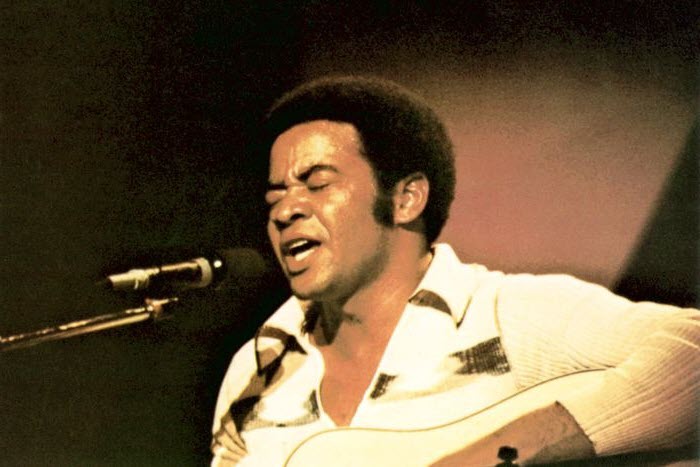
Bill Withers, a legendary figure in the world of soul and R&B, has left an indelible mark on the music industry with his heartfelt lyrics and unforgettable melodies. Bursting onto the scene in the early 1970s, Withers captivated audiences with a unique blend of storytelling and emotion that resonated deeply with listeners from all walks of life. His songs, often steeped in themes of love, resilience, and the human experience, have become timeless classics that continue to inspire new generations.
From the soulful grooves of “Ain’t No Sunshine” to the uplifting anthem of “Lean on Me,” Withers crafted tunes that transcended mere entertainment; they became the soundtrack to our lives. His ability to convey raw emotions through simple yet profound lyrics has solidified his status as one of the greatest songwriters of all time. In this article, we’ll dive into the top 10 most popular Bill Withers songs, exploring the stories behind them and the impact they’ve had on music and culture. Get ready to rediscover the magic of Withers’ music and celebrate the legacy of a true icon!
1. Ain’t No Sunshine
Released in 1971, “Ain’t No Sunshine” stands as one of Bill Withers’ most haunting and emotionally charged songs. With its stripped-down arrangement—featuring only a simple guitar, subtle strings, and Withers’ raw, soulful voice—the song conveys the heavy emptiness that comes when someone you love is suddenly gone. The repetitive line, “I know, I know, I know…”, wasn’t originally intended to stay, but Withers felt it perfectly captured the obsessive ache of missing someone. This repetition adds to the song’s hypnotic, almost meditative pull, drawing listeners deeper into its sorrow. Withers wrote the song after watching Days of Wine and Roses, a film about addiction and loss, which influenced the song’s somber mood. Despite its sadness, there’s beauty in its honesty—an acknowledgment that love, in absence, can feel like darkness. “Ain’t No Sunshine” became a breakthrough hit for Withers, proving his unmatched ability to capture the raw, unfiltered emotions of life. To this day, its simple yet profound lyrics continue to resonate with anyone who has ever experienced the deep ache of longing for someone who’s no longer there.
2. Lean on Me
Released in 1972, “Lean on Me” quickly became more than just a song—it became an anthem for unity, friendship, and mutual support. Written during a period of reflection when Withers was missing his small-town upbringing in Slab Fork, West Virginia, the song channels a deep sense of community and connection. The piano-driven melody is warm and inviting, mirroring the comforting message found in the lyrics. Withers’ voice is sincere and reassuring as he reminds us that in life’s most difficult moments, we all need someone to lean on. The line, “We all need somebody to lean on”, has transcended generations, sung in churches, schools, concerts, and community gatherings worldwide. What makes the song so powerful is its universal message—no matter who you are or where you’re from, everyone faces struggles, and we all benefit from offering and receiving support. “Lean on Me” is not only one of Bill Withers’ biggest hits but also a timeless reminder of human kindness, empathy, and the strength found in togetherness. It remains as relevant today as it was the day it was released.
3. Just the Two of Us
“Just the Two of Us,” released in 1981, is a smooth, elegant blend of jazz, R&B, and soul that celebrates intimacy and the beauty of nurturing love. A collaboration with saxophonist Grover Washington Jr., the song features Withers’ velvety vocals layered over a silky, laid-back groove. The lyrics tell a story of two people building a life together, choosing to focus on the love between them rather than the distractions and troubles of the outside world. The famous line, “Just the two of us, we can make it if we try,” resonates with anyone who has ever believed in the power of partnership. The gentle rhythm and subtle saxophone flourishes create a warm, romantic atmosphere that feels both soothing and timeless. Whether played at weddings, quiet dinners, or lazy Sunday mornings, the song has remained a favorite for couples everywhere. Its enduring charm comes from its simplicity—a heartfelt declaration that love thrives when two people commit to facing life hand in hand.
4. Lovely Day
“Lovely Day,” released in 1977, radiates sunshine, joy, and optimism from the very first note. With its upbeat groove, smooth bassline, and cheerful guitar riffs, the song creates an instant mood lift. Bill Withers’ voice is warm and reassuring, and the simple message—that even on difficult days, love and gratitude can bring happiness—shines through effortlessly. The standout moment comes during the extended note on the word “day,” where Withers holds the note for an incredible 18 seconds, a vocal feat that remains iconic in music history. This song isn’t just about good weather or a pleasant morning—it’s about the mindset of choosing to see the beauty in everyday life. “Lovely Day” has become a go-to track for everything from feel-good playlists to commercials and films, often used to evoke happiness and positivity. It’s a timeless reminder that sometimes, all it takes is the right perspective—and perhaps a little love—to turn an ordinary day into a truly lovely one.
5. Use Me
Released in 1972, “Use Me” is one of Bill Withers’ most infectious and funky tracks, wrapped in a groove that’s impossible to resist. The song dives into the complexities of a relationship where one partner feels exploited—but enjoys it anyway. With its slinky bassline, rhythmic electric keys, and Withers’ dynamic vocal delivery, the track exudes both sensuality and tension. The lyrics, “I wanna spread the news that if it feels this good getting used, oh you just keep on using me,” challenge conventional ideas of power and control in relationships. There’s an intriguing balance between vulnerability and agency here—Withers admits to being “used,” but he’s not a victim; instead, he embraces the situation on his own terms. This emotional honesty, paired with the irresistible rhythm, made “Use Me” one of Withers’ biggest hits. It showcases his ability to blend deep lyrical meaning with a sound that’s danceable, funky, and timeless. Even today, it continues to be celebrated for its boldness, groove, and the way it captures the messiness of love and desire.
6. Grandma’s Hands
“Grandma’s Hands,” released in 1971, is one of the most tender and heartfelt songs in Bill Withers’ catalog. It’s a beautiful tribute to his grandmother, who played a significant role in shaping his life, values, and musical roots. Withers’ vocals are filled with reverence as he reflects on her gentle touch, her presence in church, and the comfort her hands provided during hard times. The simplicity of the arrangement—mostly acoustic guitar and subtle percussion—allows the deeply personal lyrics to shine. Lines like, “Grandma’s hands picked me up each time I fell,” evoke universal memories of those we love and the elders who have guided us. More than just a song about one person, “Grandma’s Hands” resonates with anyone who has experienced the profound influence of a caring family member. Its emotional depth serves as a reminder of the importance of family, love, and gratitude. The song also influenced later artists; notably, the melody inspired the famous hook in Blackstreet’s hit “No Diggity.” It remains one of the most beautiful musical expressions of love and remembrance.
7. Who Is He (And What Is He to You)?
“Who Is He (And What Is He to You)?,” released in 1972, is a sultry, jazz-infused track that captures the tension and suspicion of a relationship clouded by doubt. The groove is laid-back but simmering, driven by a hypnotic bassline and subtle guitar that underscore Withers’ measured but emotionally charged vocals. The lyrics unfold like a conversation—or perhaps an interrogation—as Withers confronts his partner about her interactions with another man. Lines like, “A man we passed just tried to stare me down,” capture the uneasy feeling of realizing something might be wrong. There’s a quiet intensity in his delivery, a mix of hurt, confusion, and restrained anger. Unlike typical heartbreak songs, this one doesn’t explode in rage; it simmers with unresolved questions and emotional complexity. The jazzy vibe and Withers’ smooth vocal phrasing elevate the song, making it as much about mood as it is about storytelling. “Who Is He (And What Is He to You)?” remains a standout for its cool, subtle tension and its honest exploration of love, jealousy, and mistrust.
8. Better Off Dead
“Better Off Dead,” released in 1973, is one of the darkest and most emotionally raw songs in Bill Withers’ discography. It’s a haunting exploration of despair, loneliness, and the unbearable weight of heartbreak. The sparse arrangement—featuring bluesy piano chords and restrained instrumentation—creates an intimate, almost claustrophobic atmosphere that mirrors the narrator’s mental state. Withers’ voice is heavy with sorrow as he tells the story of a man drowning in alcohol after losing his partner, culminating in a tragic ending. The lyrics are stark: “She’s better off without me, and I’m better off dead.” Unlike his more uplifting hits, this song refuses to sugarcoat pain, instead diving headfirst into the reality of depression and hopelessness. What makes it so powerful is its honesty—there’s no pretense, no polished veneer, just raw emotion. “Better Off Dead” serves as a stark reminder that even the strongest among us wrestle with darkness. While difficult to listen to, it’s a deeply moving piece that showcases Withers’ courage in addressing the more painful aspects of the human experience.
9. Kissin’ My Love
“Kissin’ My Love,” released in 1972, is a funky, joyful celebration of the irresistible thrill of being head-over-heels in love. Driven by a playful, syncopated drum groove—one of the most distinctive in Withers’ catalog—the song immediately hooks you with its infectious rhythm. The bass bounces, the guitar riffs snap, and Withers’ vocals glide effortlessly over the beat as he describes the happiness and excitement that comes from simply kissing the one he loves. The lyrics are straightforward but utterly charming: “When I’m kissin’ my love, I can hear the angels sing.” This isn’t a grand declaration of eternal love—it’s about the small, joyful moments that make love so intoxicating. There’s a sense of fun and flirtation in every note. The tight rhythm section gives it a groove that feels ahead of its time, influencing funk and R&B artists for decades to come. “Kissin’ My Love” stands out as a testament to Withers’ ability to make even the simplest expressions of affection feel fresh, fun, and unforgettable.
10. Heart in Your Life
“Heart in Your Life,” released in 1985, is a reflective, soul-stirring ballad that encourages listeners to live with passion, love, and emotional authenticity. This track came later in Withers’ career, but it still bears all the hallmarks of his best work—sincere lyrics, warm vocals, and a melody that feels both comforting and introspective. The song’s message is simple but profound: life is better, richer, and more meaningful when you lead with your heart. Lines like, “Put a little heart in your life, and you’ll find it’s worth the while,” serve as gentle reminders to prioritize love, kindness, and emotional connection over material success or shallow pursuits. The arrangement leans into a smoother, mid-80s soul sound, with subtle keyboards and a steady groove that supports Withers’ comforting voice. While not as commercially famous as his earlier hits, “Heart in Your Life” resonates deeply with those who appreciate its wisdom. It’s a beautiful reminder that no matter where you are in life’s journey, embracing love and vulnerability is always the right path forward.

Edward Tomlin is a frequent contributor to Singers Room. Since 2005, Singersroom has been the voice of R&B around the world. Connect with us via social media below.









