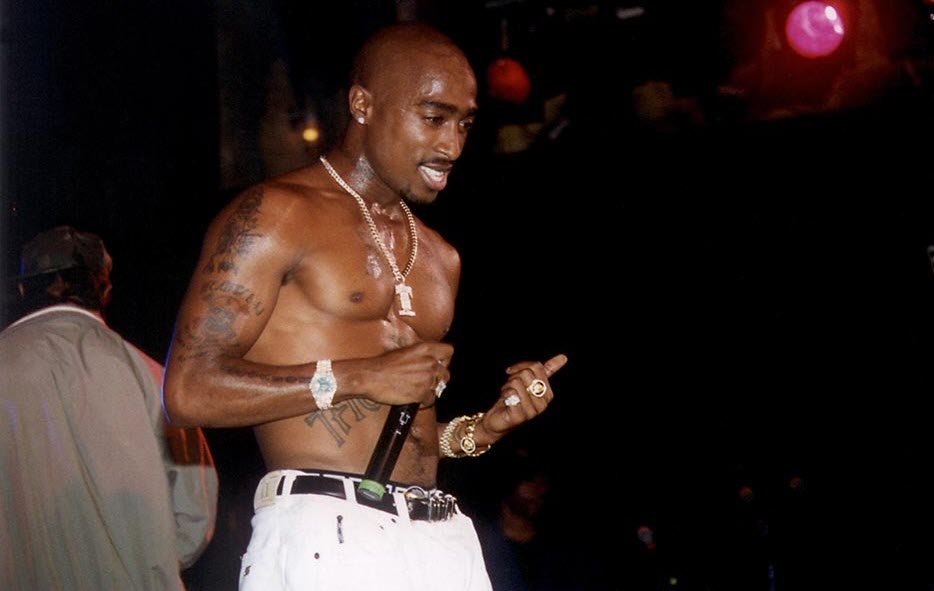
Few artists have left as deep and lasting a mark on music—and culture—as Tupac Shakur. A poet, prophet, and provocateur, 2Pac was more than just a rapper; he was a revolutionary voice for the voiceless. His music, raw and unfiltered, captured the struggles, hopes, and contradictions of life in America’s inner cities. From anthems of resistance to soul-baring reflections, 2Pac’s catalog is both vast and powerful—but some tracks rise above the rest, becoming timeless cornerstones of hip-hop history. These songs didn’t just dominate the charts—they ignited conversations, inspired generations, and cemented Shakur’s place as a legend. In this article, we’re counting down the top 10 most popular 2Pac songs of all time, based on impact, legacy, and fan devotion. Whether you’ve memorized every lyric or you’re just discovering his genius, this list will take you on a journey through the heart and soul of one of music’s most iconic figures. So turn up the volume, brace yourself for some unforgettable verses, and dive into the tracks that define the legacy of 2Pac—an artist who lived fast, spoke truth, and whose words still echo louder than ever.
1. California Love (1995)
Released in December 1995, “California Love” wasn’t just a comeback single—it was a West Coast celebration that announced 2Pac’s return to the rap game with swagger, style, and substance. Fresh out of prison and newly signed to Death Row Records, 2Pac teamed up with Dr. Dre to create what would become one of the most iconic anthems in hip-hop history. Dre’s signature G-funk production, complete with lush synths and a booming bassline, laid the perfect foundation for 2Pac’s magnetic verses. The track also features the unmistakable voice of Roger Troutman on the talkbox, adding a funky, futuristic touch that elevated the hook into legend status. Lyrically, the song captures the highs and lows of California life—from palm trees and lowriders to gang tension and street survival. It paints a vivid sonic portrait of the Golden State, dripping with pride and packed with charisma. More than just a hit single, “California Love” became a cultural moment, a definitive West Coast sound that dominated radio waves and music video channels alike. It marked a new chapter in 2Pac’s career and remains one of his most enduring and universally loved tracks.
2. Changes (1998)
Though it was released posthumously in 1998, “Changes” is one of the most emotionally resonant and socially conscious tracks in 2Pac’s catalog. Originally recorded in 1992, the song showcases 2Pac as a powerful voice for change—someone unafraid to speak on the painful realities facing Black communities in America. Built around a haunting sample of Bruce Hornsby’s “The Way It Is,” the beat provides a melancholy, piano-driven backdrop for 2Pac’s unflinching lyrics. He tackles topics like systemic racism, police brutality, drug addiction, and poverty with a clarity that feels both raw and prophetic. But it’s not just a protest song—it’s a reflection, full of frustration, sadness, and a glimmer of hope. 2Pac’s delivery is heartfelt and reflective, revealing a side of him often overshadowed by his harder-edged persona. His ability to convey both vulnerability and strength is what makes “Changes” so timeless. More than two decades later, the song’s message is sadly still relevant, a chilling reminder of how little has truly changed. “Changes” stands as a testament to 2Pac’s role not just as an artist, but as a poet of the people—honest, bold, and unafraid to demand better.
3. Hail Mary (1997)
“Hail Mary,” released in 1997 under 2Pac’s alias Makaveli, is one of his most haunting and enigmatic tracks. Recorded during the final months of his life and featured on The Don Killuminati: The 7 Day Theory, the song feels like a descent into the darkest corners of his mind. With its ominous, minimalistic beat and eerie, church-like ambiance, “Hail Mary” is less of a rap song and more of a spiritual seance. 2Pac invokes religious imagery and apocalyptic themes, blurring the lines between prayer and threat. Lines like “Come with me, Hail Mary…” invite listeners into a meditative, almost sacred space—one filled with pain, paranoia, and defiance. Featuring fellow Outlawz members Kastro, Young Noble, and Yaki Kadafi, the track is layered with a sense of loyalty and vengeance. This is not the charismatic 2Pac from “California Love”—this is a man contemplating his mortality, surrounded by betrayal and looming danger. “Hail Mary” is chilling, poetic, and intensely personal. It showcases 2Pac’s ability to blend introspection with menace, making it one of the most powerful and spiritually complex songs in hip-hop history.
4. Hit ‘Em Up (1996)
“Hit ‘Em Up,” released in 1996, is one of the most infamous and aggressive diss tracks ever recorded. From the explosive opening line—“That’s why I fed your bh, you fat motherf***er”—2Pac wastes no time launching a brutal verbal assault aimed primarily at The Notorious B.I.G. and Bad Boy Records. Backed by the Outlawz, 2Pac unleashes a tirade of insults, threats, and raw emotion that made the East Coast–West Coast feud impossible to ignore. The production is deceptively upbeat, but the lyrics are venomous, each verse more unrelenting than the last. There’s no room for metaphor or subtlety here—just pure, unfiltered rage. While the song was—and remains—controversial, it’s a testament to 2Pac’s ability to channel personal pain into powerful, unforgettable music. It revealed how deeply he felt wronged and betrayed, and he used his voice as a weapon. “Hit ‘Em Up” is less a song than it is a declaration of war, scrawled in all caps with blood and fury. It may be harsh and divisive, but it also cemented 2Pac’s legacy as a fearless, take-no-prisoners lyricist who refused to back down.
5. Keep Ya Head Up (1993)
Released in 1993 on Strictly 4 My N.I.G.G.A.Z., “Keep Ya Head Up” stands as one of 2Pac’s most compassionate and empowering songs. In a genre and era often criticized for misogyny, 2Pac used this track to uplift and honor women—especially Black women and single mothers. Built around a soulful sample of Zapp’s “Be Alright,” the beat is smooth, breezy, and emotionally warm, setting the stage for some of 2Pac’s most heartfelt lyrics. He addresses issues like teenage pregnancy, deadbeat fathers, and the struggles faced by women in poverty, all with sincerity and respect. “Keep Ya Head Up” isn’t preachy—it’s personal. 2Pac speaks as a brother, a son, and a witness, encouraging resilience and self-love in the face of adversity. The hook, “You got to keep your head up,” is simple but powerful—an enduring message of hope that continues to resonate. The track reveals a softer, more thoughtful side of 2Pac, often overlooked in the shadow of his controversy. It’s a reminder that at his core, 2Pac was a deeply empathetic artist who sought justice and healing through his music.
6. Dear Mama (1995)
“Dear Mama,” released in 1995 on Me Against the World, is widely regarded as one of the most touching and personal songs in hip-hop history. A deeply emotional tribute to his mother, Afeni Shakur, the track blends gratitude, regret, and raw vulnerability into a heartfelt confessional. Over a smooth, soulful sample of The Spinners’ “Sadie,” 2Pac recounts his childhood experiences, marked by poverty, instability, and his mother’s struggle with addiction. Yet, despite the hardship, he expresses nothing but love and admiration for the woman who raised him against all odds. “You are appreciated,” he raps, offering a rare moment of tenderness and reverence in a genre often defined by bravado. The song’s emotional depth struck a universal chord, earning critical acclaim and later inclusion in the Library of Congress’s National Recording Registry. “Dear Mama” stands as a shining example of 2Pac’s storytelling brilliance and emotional intelligence. It’s a song that transcends rap—a love letter that continues to move listeners of all backgrounds and generations. With this track, 2Pac reminded the world that strength and sensitivity can coexist, and that even the hardest voices can carry a heart full of grace.
7. 2 of Amerikaz Most Wanted (1996)
“2 of Amerikaz Most Wanted,” released in 1996 on All Eyez on Me, is a high-octane collaboration between two West Coast rap titans: 2Pac and Snoop Dogg. The track plays like a cinematic buddy cop film turned gangster flick, full of swagger, bravado, and unfiltered charisma. Over a laid-back yet funky beat, the duo trade verses about fame, survival, and staying one step ahead of enemies. Snoop’s smooth, effortless flow contrasts perfectly with 2Pac’s fiery, in-your-face delivery, creating a dynamic chemistry that feels both natural and electrifying. The track is playful yet serious, full of memorable one-liners and an unapologetic outlaw mentality. It captures the confidence and defiance of two men at the top of their game, unbothered by controversy and energized by adversity. “2 of Amerikaz Most Wanted” became an instant classic not only for its lyrical sharpness and infectious beat but for the larger-than-life personalities behind the mic. It’s a celebration of brotherhood, rebellion, and resilience—a snapshot of a moment when the West Coast ruled the rap world.
8. I Ain’t Mad at Cha (1996)
“I Ain’t Mad at Cha,” released shortly after 2Pac’s death in 1996, is a bittersweet meditation on friendship, change, and acceptance. Produced by Daz Dillinger and featuring Danny Boy on the soulful hook, the track is built around a smooth, piano-driven beat that gives it a warm, introspective feel. Lyrically, 2Pac reflects on how people grow apart as they evolve in life, particularly after finding religion, success, or a new path. Instead of bitterness, he offers grace and understanding—“I ain’t mad at cha”—a rare sentiment in a genre known for its confrontational edge. The song feels like a heartfelt letter to old friends, with 2Pac reminiscing about shared struggles and youthful mistakes while acknowledging that change is inevitable. There’s a sense of closure and calm in his delivery, as though he’s made peace with the past. Tragically, the song’s release following his death gave it an even deeper resonance, as fans interpreted it as a farewell from beyond the grave. “I Ain’t Mad at Cha” reveals 2Pac’s emotional intelligence and his capacity for empathy, making it one of the most poignant tracks in his catalog.
9. Ambitionz Az a Ridah (1996)
“Ambitionz Az a Ridah” kicks off 2Pac’s All Eyez on Me album with a bang, setting the tone for what would become one of the most defining records of his career. From the very first note—an eerie, looping piano riff—listeners are thrown headfirst into 2Pac’s world of defiance, loyalty, and raw determination. The track is a lyrical mission statement, declaring 2Pac’s unbreakable allegiance to the outlaw lifestyle and his readiness to face any enemy. His flow is relentless, riding the beat with a level of confidence and aggression that commands attention. The phrase “I won’t deny it, I’m a straight ridah” became more than a lyric—it became an ethos for fans who saw 2Pac as a symbol of resistance and resilience. The production is lean and hard-hitting, allowing his words to land with full force. “Ambitionz Az a Ridah” isn’t just a song—it’s an adrenaline rush, a sonic embodiment of street survival and unshakable pride. It remains one of 2Pac’s most celebrated tracks, regularly referenced and sampled by artists who admire his unapologetic energy and larger-than-life presence.
10. Ghetto Gospel (2005)
Released in 2005, nearly a decade after his death, “Ghetto Gospel” is a powerful reminder of 2Pac’s spiritual depth and lyrical insight. Originally recorded during his prolific 1992 sessions, the track was posthumously produced by Eminem and features a poignant sample of Elton John’s “Indian Sunset.” The result is a unique fusion of hip-hop soul and reflective storytelling. Unlike his more aggressive material, “Ghetto Gospel” carries a somber, contemplative tone. 2Pac raps about inner-city struggles, his yearning for peace, and the contradictions of faith and violence in a broken world. His delivery is passionate yet subdued, giving the impression of a man torn between survival and salvation. The track feels like a sermon from a weary prophet—one who has lived through chaos and still clings to hope. The song resonated with audiences worldwide, topping charts and introducing a new generation to 2Pac’s message. “Ghetto Gospel” isn’t just a posthumous release—it’s a statement of legacy, showing that even in death, 2Pac had something vital to say. It’s a reflective, emotional piece that proves his voice still carries wisdom, urgency, and truth.

Samuel Moore is a frequent contributor to Singers Room. Since 2005, Singersroom has been the voice of R&B around the world. Connect with us via social media below.









