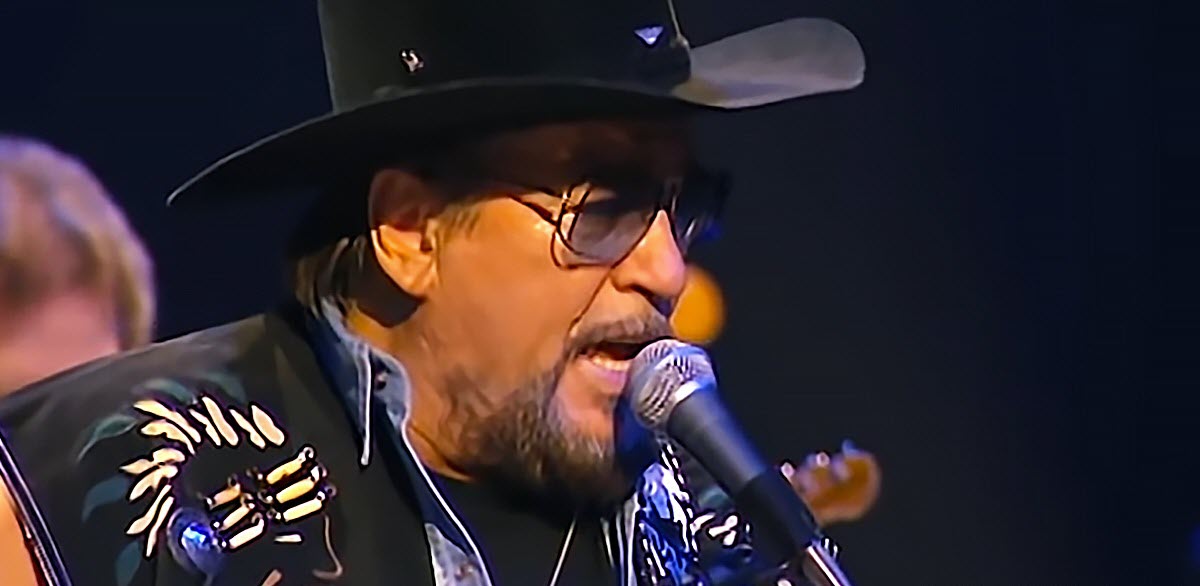
Few artists have left a boot print on country music quite like Waylon Jennings. A true pioneer of the Outlaw Country movement, Waylon broke the mold of Nashville’s polished sound with his gritty voice, raw honesty, and uncompromising attitude. From smoky barrooms to packed arenas, his music told stories of freedom, rebellion, heartbreak, and the rugged road between. Whether he was crooning about love lost or raising hell with his fellow outlaws, Jennings always stayed true to himself — and that authenticity made him a legend.
With a career spanning over four decades, Jennings delivered hit after hit, each one infused with his signature blend of Texas swagger and heartfelt soul. His songs weren’t just country—they were declarations of independence, musical revolutions wrapped in steel guitars and that unmistakable baritone. Fans didn’t just listen to Waylon—they lived his songs.
In this article, we’re counting down the Top 10 Most Popular Waylon Jennings Songs of All Time, based on chart performance, cultural impact, and fan favorites. These tracks capture the essence of what made Waylon a towering figure in American music. So dust off your boots, crank up the volume, and let’s dive into the timeless sound of one of country’s most fearless legends.
1. “Luckenbach, Texas (Back to the Basics of Love)” – 1977
Released in 1977 on the Ol’ Waylon album, “Luckenbach, Texas (Back to the Basics of Love)” struck a powerful chord with a generation wearied by the hustle of modern life. With its easygoing melody, rich steel guitar, and warm, conversational vocals, the song became more than just a country hit—it was a call to simplify, to slow down, and to reconnect with what really matters. Waylon Jennings paints a vivid picture of leaving behind materialism and fame to rediscover authenticity in a small Texas town. His gravelly voice brings weight to lyrics that speak of escaping the “four-car garage and we’re still building on.” The song resonated so deeply with listeners that it soared to No. 1 on the country charts and became a defining anthem of the outlaw country movement. It wasn’t just about geography—it was a mindset, a desire to return to roots, to love, and to a life unburdened by pretense. With help from Willie Nelson’s spoken-word cameo, “Luckenbach, Texas” became a timeless ballad of retreat and rebellion—one that still feels just as relevant today.
2. “Good Hearted Woman” (with Willie Nelson) – 1971 / 1976
Originally recorded solo by Waylon Jennings in 1971, “Good Hearted Woman” took on new life when it was reimagined as a duet with Willie Nelson on 1976’s Wanted! The Outlaws—the first country album to go platinum. The song was sparked by a newspaper blurb about Tina Turner, which Waylon turned into a rough-edged tribute to the kind of loyal woman who sticks by a wild man’s side. With its honky-tonk piano, twangy guitars, and matter-of-fact delivery, the tune explores the contradiction of flawed men and the forgiving women who love them. When Waylon and Willie teamed up, their chemistry brought new energy to the track, especially on the live version, which captured the spontaneity and grit of outlaw country at its best. Their interplay feels effortless, like two longtime friends finishing each other’s musical sentences. The song climbed to No. 1 and became a cornerstone of both men’s legacies. It’s a snapshot of a bygone era—one where love was messy, music was raw, and honesty mattered more than polish.
3. “Mammas Don’t Let Your Babies Grow Up to Be Cowboys” (with Willie Nelson) – 1978
Released in 1978 on the Waylon & Willie album, “Mammas Don’t Let Your Babies Grow Up to Be Cowboys” is a wry, heartfelt anthem that celebrates and laments the restless cowboy spirit. Originally written by Ed and Patsy Bruce, the song gained national prominence when Waylon Jennings and Willie Nelson recorded their now-iconic duet. Their weathered harmonies lend depth and charm to the lyrics, which walk a tightrope between pride and warning. With lines like “They’ll never stay home and they’re always alone,” it’s both a celebration of independence and a cautionary tale for mothers raising sons with big dreams and wild streaks. The melody is classic country—slow, deliberate, and soaked in twang—while the delivery feels conversational and sincere. It quickly became a No. 1 hit and earned the duo a Grammy for Best Country Performance by a Duo or Group. The song helped solidify Jennings and Nelson as torchbearers of the outlaw movement, offering country music that was rugged, real, and deeply resonant. It remains one of the genre’s most beloved and enduring duets.
4. “Are You Sure Hank Done It This Way” – 1975
“Are You Sure Hank Done It This Way,” released in 1975 on Dreaming My Dreams, is one of Waylon Jennings’ most pointed and powerful statements as an artist. At a time when Nashville was becoming increasingly commercialized and glittery, Waylon delivered a no-frills song that openly questioned the direction country music was heading. Using Hank Williams as a symbol of authenticity, the lyrics criticize the flashy, formulaic trappings that had overtaken the industry. With its minimalist instrumentation and steady, thumping rhythm, the song drives home its message with an understated intensity. Jennings doesn’t just sing the words—he inhabits them, bringing a palpable sense of frustration and rebellion to each line. “Rhinestone suits and new shiny cars,” he growls, “it’s been the same way for years.” More than just a nostalgic nod to the past, the song became a rallying cry for the outlaw country movement, challenging the status quo and paving the way for greater artistic freedom. It’s not only one of Waylon’s most memorable songs—it’s also one of the most important.
5. “I’ve Always Been Crazy” – 1978
With “I’ve Always Been Crazy,” the title track from his 1978 album, Waylon Jennings delivers one of his most revealing and introspective performances. The song plays like a personal confession, one steeped in the contradictions that defined his life—rebellion and vulnerability, defiance and regret. Over a steady, almost hypnotic groove, Jennings lays bare the toll his lifestyle has taken, both on himself and those around him. The lyrics, which include lines like “I’ve always been crazy but it’s kept me from going insane,” blur the line between excuse and explanation. Musically, the song is smooth and moody, with a subtle blend of electric guitar and pedal steel that underscores the emotional complexity of the narrative. This wasn’t just another outlaw anthem—it was a window into the man behind the myth. Fans responded in kind, sending the song to No. 1 and embracing it as one of his most personal and poignant hits. It captures Jennings at a moment of clarity, acknowledging his past while holding on to the freedom that made him a legend.
6. “Amanda” – 1974 / Re-released 1979
Originally recorded for The Ramblin’ Man in 1974, “Amanda” wasn’t released as a single until 1979, but once it was, it quickly became one of Waylon Jennings’ most cherished songs. A stark contrast to his rowdier outlaw anthems, “Amanda” is a quiet, heartfelt ballad that strips everything down to its emotional core. With gentle acoustic guitar and soft backing harmonies, Jennings sings to the woman who brings calm to his storm—a love that’s steady, grounding, and deeply appreciated. His voice, rugged and worn, carries a tenderness that makes the sentiment all the more genuine. “Amanda, light of my life,” he sings, not with grandiosity, but with sincerity, like a man who finally sees what he nearly lost. When the song was re-released on a compilation album, it resonated deeply with fans and climbed to No. 1 on the country charts. It reminded audiences that beneath the outlaw bravado was a man capable of deep emotional expression. “Amanda” stands as one of Jennings’ most personal and touching performances—a love letter to simplicity, commitment, and the kind of devotion that endures beyond the noise.
7. “Theme from The Dukes of Hazzard (Good Ol’ Boys)” – 1980
Few TV theme songs have ever left a mark quite like “Good Ol’ Boys,” the unforgettable opener for The Dukes of Hazzard. Released in 1980, the song became a crossover hit, introducing Waylon Jennings to an even broader audience beyond country music. With its catchy chorus—“Just the good ol’ boys, never meanin’ no harm”—and rollicking rhythm, the track captured the mischief, charm, and rebellion of the show’s iconic characters. Jennings didn’t just write and perform the song; he also served as the show’s narrator, his voice becoming synonymous with the Duke boys’ wild escapades and Southern pride. While it’s playful on the surface, there’s an undercurrent of defiance in the lyrics—an ode to rural outlaws who might break the rules but do so with heart. The song climbed to the top of the country charts and earned enduring pop culture status. It’s lighthearted, full of swagger, and completely infectious. “Good Ol’ Boys” isn’t just a TV theme—it’s a celebration of Southern grit and good-natured rebellion, wrapped in Waylon’s signature voice and storytelling charm.
8. “Lonesome, On’ry and Mean” – 1973
“Lonesome, On’ry and Mean,” released in 1973, marked a turning point in Waylon Jennings’ career and the birth of his outlaw era. Though the song was written by Steve Young, Jennings took it and made it unmistakably his own. The title alone reads like a personal mission statement—a gritty portrait of a man shaped by the road, tired of conformity, and unwilling to be tamed. From the opening chords, the song pulses with a raw, restless energy. Jennings’ vocals are steeped in weariness, rebellion, and truth, drawing listeners into the lonely, defiant life of a wandering musician. The lyrics speak of desert highways, broken rules, and a soul that can’t be boxed in. It’s not glamorous—it’s honest, even bruised. And that honesty is exactly what connected with fans who felt the same disconnect from polished, mainstream country. Lonesome, On’ry and Mean became a theme not just for Jennings, but for a whole movement of artists seeking to chart their own course. It’s a rallying cry for outsiders, and a defining piece of Waylon’s outlaw identity.
9. “Rose in Paradise” – 1987
“Rose in Paradise,” released in 1987 on Hangin’ Tough, is a haunting Southern Gothic ballad that shows another side of Waylon Jennings—the storyteller steeped in mystery and shadow. The song unfolds like a dark fable: a wealthy man hides his beautiful wife away from the world, fearing she might fall for someone else. Then one day, both she and the hired man disappear. Did they run off together—or was there a more sinister ending? The song never says, and that ambiguity is part of its power. With its brooding melody and moody instrumentation, “Rose in Paradise” paints a vivid cinematic picture. Jennings’ voice is full of tension and intrigue, giving weight to every line. The production is more polished than his earlier outlaw work, but the sense of drama and depth remains. The song became Jennings’ final No. 1 hit on the country charts, proof that even in the later stages of his career, he could still command the attention of listeners with a well-told tale. “Rose in Paradise” blends country roots with Southern storytelling and remains one of his most captivating narrative tracks.
10. “Only Daddy That’ll Walk the Line” – 1968
Released in 1968 on Only the Greatest, “Only Daddy That’ll Walk the Line” is one of the songs that first put Waylon Jennings on the map—and hinted at the boundary-breaking path he was about to take. With its bold, swaggering lyrics and rock-inflected country twang, the track is pure attitude. Jennings sings of a man who refuses to be told what to do, a theme that would later define the outlaw movement he helped spearhead. His voice is sharp and defiant, practically daring anyone to challenge him. The guitar work is gritty, the tempo urgent, and the message clear: he’s his own man, and he’s not about to change. While it predates the official outlaw era, “Only Daddy That’ll Walk the Line” carries all the hallmarks—independence, edge, and a dose of rebellion. It reached No. 2 on the country charts and marked Jennings as a rising force, one who would soon push back against Nashville’s restrictive mold. The song remains a fan favorite, a vintage classic that captures Jennings’ early fire and unshakable sense of identity.

Samuel Moore is a frequent contributor to Singers Room. Since 2005, Singersroom has been the voice of R&B around the world. Connect with us via social media below.









