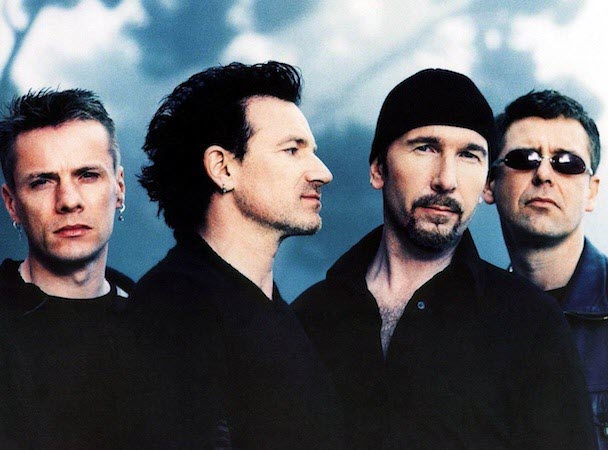
Few bands have left as indelible a mark on the music landscape as U2. With their anthemic sound, profound lyrics, and electrifying performances, the Irish rockers have captured the hearts of millions across the globe. From their humble beginnings in Dublin to becoming one of the world’s most celebrated bands, U2’s journey is nothing short of legendary. With a career spanning over four decades, they have produced a remarkable catalog of songs that resonate with themes of love, conflict, and social justice.
In this article, we delve into the top 10 most popular U2 songs of all time, exploring the tracks that have defined their career and solidified their status as rock icons. Each selection reflects not only the band’s musical evolution but also their ability to connect deeply with listeners. Whether it’s the soaring melodies of their early hits or the experimental sounds of their later work, U2’s music continues to inspire and provoke thought. Join us as we countdown the songs that have not only topped charts but have also defined generations, igniting passion and sparking change around the world. Get ready to relive the magic of U2!
1. “With or Without You” (1987)
“With or Without You” is one of U2’s most emotionally raw and haunting songs, released in 1987 as part of their landmark album The Joshua Tree. It’s a ballad that explores the pain and complexity of love—particularly the internal conflict of needing someone deeply while also feeling burdened by the relationship. The Edge’s minimalist guitar work, featuring sustained notes and ambient textures, creates an atmosphere of quiet desperation that slowly builds. Bono’s vocals capture the anguish of this emotional tension, starting soft and subdued before rising into passionate pleas. The lyrics reflect a profound duality: being caught between holding on and letting go, desire and detachment. “With or without you, I can’t live” becomes a refrain that speaks to the heart of many listeners navigating similar emotional landscapes. The song’s dramatic build and release make it a staple of U2’s live performances, often met with rapturous applause. It was their first number-one hit in the United States and remains one of their most enduring classics. “With or Without You” is more than just a love song—it’s a universal expression of longing, loss, and the human condition.
2. “I Still Haven’t Found What I’m Looking For” (1987)
“I Still Haven’t Found What I’m Looking For” is more than just a song—it’s a spiritual journey set to music. Released in 1987 as part of The Joshua Tree, it expresses the deep human yearning for meaning, love, faith, and fulfillment. The track’s gospel-inspired rhythms and soaring melodies make it feel like both a confession and a prayer. Bono’s vocals are filled with conviction and vulnerability as he sings about chasing after something just beyond reach—despite already having experienced love, faith, and transcendence. The lyrics are deceptively simple but deeply profound, touching on the contradictions many people feel in their search for purpose. The song’s instrumentation is warm and earthy, blending traditional rock with spiritual overtones that elevate the listening experience. Its repetitive chorus, “I still haven’t found what I’m looking for,” becomes a meditative mantra that resonates universally. Whether interpreted religiously, romantically, or existentially, the track speaks to that quiet hunger within all of us. It’s a defining moment in U2’s catalog, showing their ability to turn inward and explore the soul without losing their signature anthemic style.
3. “Where the Streets Have No Name” (1987)
“Where the Streets Have No Name” is a sweeping, transcendent anthem that opens The Joshua Tree with breathtaking momentum. From the moment The Edge’s iconic delay-drenched guitar riff starts to build, the song carries a sense of escape and hope. Inspired by Bono’s reflections on the divisions within society—economic, religious, and political—the title refers to a place free from such labels, where people are united beyond the constraints of geography or class. The music mirrors this vision: it begins gradually, like a sunrise, and erupts into a soaring crescendo that feels boundless. Bono’s impassioned vocals give voice to a longing for liberation and renewal, urging listeners to imagine a better world. The rhythm section, anchored by Adam Clayton’s bass and Larry Mullen Jr.’s pounding drums, gives the song a heartbeat that drives its urgency. It’s become one of U2’s most beloved concert staples, often performed with dazzling visuals that enhance its powerful message. “Where the Streets Have No Name” is more than just a song—it’s an invocation for unity, a yearning for a world without barriers, and a masterclass in the art of building musical emotion.
4. “One” (1991)
“One” is arguably U2’s most emotionally potent and universally embraced song. Released in 1991 on Achtung Baby, it arrived during a turbulent time for the band, but what emerged was a soul-stirring ballad about division, healing, and reconciliation. The track unfolds with a subdued, mournful guitar line from The Edge, gradually expanding into an anthem of quiet strength. Bono’s lyrics are deeply introspective, acknowledging pain and misunderstanding but also insisting on the possibility of unity. “We’re one, but we’re not the same” captures the bittersweet reality of human relationships—whether between lovers, friends, or even nations. The song has been interpreted in countless ways, from a plea for global solidarity to a deeply personal reflection on strained love. Its beauty lies in its emotional ambiguity; it doesn’t offer easy answers, only the sincere hope that connection can endure. U2’s restrained arrangement allows the message to shine without overshadowing its subtle power. Over the years, “One” has become a staple at benefit concerts and humanitarian causes, underlining its enduring message. It’s more than a fan favorite—it’s a song that reaches across divides and reminds us of our shared humanity.
5. “Beautiful Day” (2000)
“Beautiful Day” marked a thrilling comeback for U2 at the dawn of the new millennium. Released in 2000 on the album All That You Can’t Leave Behind, it’s a joyous, defiant reminder to find beauty in the everyday—even when life doesn’t go as planned. The song opens with anthemic synths and bright guitar chords, setting the tone for a track that practically radiates sunlight. Bono’s vocals are filled with gratitude and exuberance, praising the world’s simple wonders while acknowledging past loss and disappointment. It’s this contrast—hope in the face of adversity—that makes “Beautiful Day” so emotionally uplifting. The lyrics reference everything from broken dreams to open skies, but the chorus brings it all back to a central truth: life is a gift, and every day is an opportunity. The Edge’s guitar work soars, adding energy and brightness to the track’s hopeful tone. The song went on to win multiple Grammy Awards and has become a staple in both U2’s live shows and global events meant to inspire resilience. “Beautiful Day” reminds us that optimism isn’t naive—it’s powerful, and sometimes, it’s exactly what the world needs.
6. “Sunday Bloody Sunday” (1983)
“Sunday Bloody Sunday” is one of U2’s most politically charged and emotionally gripping songs. Released in 1983 as part of the War album, it addresses the tragic events of January 30, 1972, when British soldiers shot unarmed civil rights protesters in Northern Ireland. The song opens with a militaristic drumbeat that immediately grabs attention, creating a mood of urgency and unrest. Bono’s vocals are filled with restrained fury and sorrow as he delivers lyrics that mourn the loss of life and the cycle of violence that grips the region. Yet, what makes the song so powerful is its refusal to take sides—it’s not about revenge or blame, but a desperate cry for peace and understanding. The line “How long must we sing this song?” has become a universal plea against war and injustice. Musically, the band balances raw rock energy with haunting melodies that mirror the pain of the lyrics. Over time, “Sunday Bloody Sunday” has become a defining protest anthem, resonating beyond its historical context to speak to conflicts around the world. It’s a bold statement of conscience, showing how music can raise awareness, stir emotion, and become a call for real change.
7. “New Year’s Day” (1983)
“New Year’s Day” is a stirring anthem of hope and resistance, released in 1983 on U2’s breakthrough album War. Inspired by the Polish Solidarity movement and the broader fight for freedom, the song captures a spirit of determination amidst political turmoil. Its driving bassline, courtesy of Adam Clayton, and The Edge’s shimmering guitar work provide an unforgettable musical foundation that feels both icy and alive—perfectly matching the song’s imagery of snow-covered fields and new beginnings. Bono’s vocals move between introspection and resolve, singing of love and loyalty amid societal upheaval. While the lyrics were born from a specific moment in European history, they tap into a timeless desire for change, unity, and personal renewal. The chorus—soaring and hopeful—has a universal appeal, making the song a fixture at New Year celebrations and moments of transition. “New Year’s Day” helped solidify U2’s reputation for writing rock songs with purpose and emotional resonance. It’s not just about the passing of time—it’s a rallying cry for a fresh start, a reminder that even in the darkest of winters, the seeds of something better can still be planted.
8. “Vertigo” (2004)
“Vertigo” hit the airwaves in 2004 like a sonic adrenaline rush, signaling U2’s energetic return with their album How to Dismantle an Atomic Bomb. The song opens with a chaotic guitar riff and Bono’s now-iconic shout—“Uno, dos, tres, catorce!”—which immediately throws listeners into a whirlwind of rhythm and excitement. It’s a track that captures the dizzying pace and disorientation of modern life, as well as the temptation and danger that come with fame, consumerism, and spiritual emptiness. The Edge’s guitar work is electric and raw, driving the song forward with relentless momentum. Bono’s lyrics paint a picture of confusion and desire, placing the listener at the center of a surreal, almost out-of-control experience. Despite its chaotic energy, “Vertigo” isn’t just about losing balance—it’s also about the yearning to find something real in a noisy, over-stimulated world. The song quickly became a fan favorite, opening many of U2’s concerts with explosive energy. It also won several Grammy Awards, affirming the band’s ability to evolve while staying true to their powerful, anthemic sound. “Vertigo” stands as proof that U2 could still rock hard while asking deeper questions about life and meaning.
9. “Mysterious Ways” (1991)
“Mysterious Ways” is a rhythmic, soulful journey through the complexities of love and the divine, released in 1991 on the critically acclaimed album Achtung Baby. The song showcases U2’s shift toward a more experimental, groove-driven sound. From the first funky guitar riff by The Edge, it’s clear this track is something different—playful, spiritual, and steeped in mystery. Bono’s lyrics celebrate the unpredictability of love and womanhood, portraying both as powerful forces that can’t be fully understood or controlled. Lines like “She moves in mysterious ways” blur the lines between romantic devotion and spiritual awe, giving the song a double meaning that’s open to interpretation. Musically, it’s rich with texture, featuring a danceable beat, layered guitar effects, and an infectious energy that makes it a live show favorite. The accompanying music video, with its kaleidoscopic imagery and belly-dancing visuals, further amplifies its hypnotic charm. “Mysterious Ways” captures U2 at their most adventurous, embracing sensuality, spirituality, and sonic innovation. It’s a reminder that not all questions have clear answers—and that sometimes, the beauty lies in the mystery itself.
10. “Pride (In the Name of Love)” (1984)
“Pride (In the Name of Love)” is one of U2’s most powerful and enduring anthems, released in 1984 as part of the The Unforgettable Fire album. Written as a tribute to Martin Luther King Jr., the song honors those who stand up for justice and equality in the face of adversity. From the opening chords, The Edge’s guitar sparkles with clarity, setting the stage for a passionate, emotionally charged performance. Bono’s lyrics celebrate the courage of those who “gave the last ounce of devotion” in the pursuit of peace. While the line “Early morning, April 4” famously contains a factual error about the time of King’s assassination, the song’s spirit remains heartfelt and impactful. It transforms a tragic history into a call for unity and love that transcends generations. The soaring chorus—“In the name of love, what more in the name of love?”—is both a tribute and a challenge to live with purpose and conviction. “Pride” has become a cornerstone of U2’s identity, played at countless rallies, memorials, and concerts. Its message still resonates today, reminding us that love, when lived out with courage, can be the most powerful force for change.

Edward Tomlin is a frequent contributor to Singers Room. Since 2005, Singersroom has been the voice of R&B around the world. Connect with us via social media below.









