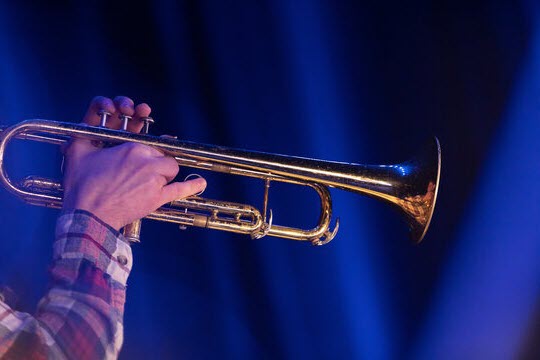
The trumpet, with its brilliant sound and commanding presence, has shaped the landscape of music across genres and generations. From the smoky jazz clubs of New Orleans to grand orchestral halls, trumpet players have dazzled audiences with their virtuosity, emotional depth, and innovative techniques. In this article, we dive into the lives and legacies of the top 15 trumpet players of all time, celebrating those who have pushed the boundaries of this iconic instrument.
Imagine the smooth, soulful notes of Louis Armstrong, whose warm tones transcended racial barriers and brought jazz to the forefront of American culture. Or picture the electrifying performances of Dizzy Gillespie, a pioneer of bebop whose unique style and charismatic flair forever changed the jazz scene. Each artist on our list has left an indelible mark on the world of music, influencing countless musicians and captivating listeners around the globe.
Join us as we explore the extraordinary journeys of these trumpet titans, highlighting their groundbreaking achievements and the unforgettable contributions they made to the art of music. Whether you’re a seasoned aficionado or a curious newcomer, this journey through the golden ages of trumpet playing promises to inspire and entertain.
1. Louis Armstrong
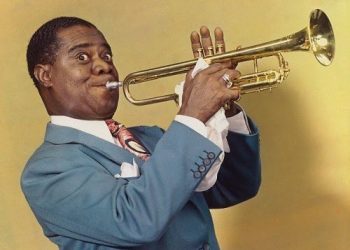
Louis Armstrong wasn’t just a jazz musician—he was a cultural icon whose influence stretched far beyond music. Known affectionately as “Satchmo,” Armstrong brought an entirely new energy and charisma to the stage that helped popularize jazz around the world. Born in New Orleans in 1901, he rose from humble beginnings to become one of the most beloved figures in 20th-century music. His trumpet playing was bold, inventive, and expressive, full of personality and dazzling technique. But what truly set Armstrong apart was his distinctive gravelly voice and his joyful, heartfelt approach to every performance. Songs like “What a Wonderful World,” “Hello, Dolly!” and “When the Saints Go Marching In” remain timeless, not just because of their melodies, but because of the soul he poured into them. Armstrong’s improvisational brilliance helped shape the foundations of modern jazz, influencing generations of musicians who followed. His infectious smile and boundless optimism made him a beacon of hope and joy, especially during turbulent times. Whether playing a blazing trumpet solo or delivering a heartfelt vocal line, Louis Armstrong reminded the world of the power of music to uplift, inspire, and unite people across cultures and generations.
2. Miles Davis
Miles Davis was more than just a great trumpeter—he was a visionary who transformed the very essence of jazz multiple times over the course of his career. Born in 1926, Davis had an unmatched ability to adapt, innovate, and stay ahead of musical trends. From the cool, modal stylings of Kind of Blue to the electric fusion experiments of Bitches Brew, he consistently pushed the genre forward. His trumpet playing was often understated yet deeply expressive, full of nuance, space, and emotion. Davis understood the power of silence as much as sound, using restraint to create tension and depth. He surrounded himself with brilliant collaborators, nurturing talents like Herbie Hancock, John Coltrane, and Wayne Shorter. But it wasn’t just his technical skill that made him legendary—it was his daring approach to composition and his refusal to stand still. Miles was always evolving, embracing change, and challenging both himself and his audience. His fashion, demeanor, and attitude influenced culture far beyond music. Even today, his legacy remains a beacon of creativity and artistic integrity. For many, Miles Davis didn’t just play jazz—he redefined what it could be.
3. Dizzy Gillespie
Dizzy Gillespie was a joyful explosion of sound, wit, and innovation. With his puffed cheeks, bent trumpet, and infectious grin, he brought bebop to the forefront and infused it with an energy that lit up every stage he touched. Born in 1917, Gillespie was one of the architects of bebop alongside Charlie Parker, pushing jazz into more complex, rapid-fire territory. His playing was technically dazzling, full of breakneck runs, unexpected harmonic twists, and rhythmic surprises. But Dizzy wasn’t just about speed—he was also deeply musical, crafting solos that were both clever and emotionally stirring. He was a pioneer of Afro-Cuban jazz as well, collaborating with Cuban percussionist Chano Pozo to create vibrant, rhythmically rich works that added a whole new dimension to jazz. Songs like “A Night in Tunisia” and “Manteca” still pulse with innovation. Beyond his playing, Gillespie had a big heart and a magnetic personality. He mentored countless younger musicians and always brought humor and warmth to his performances. With his blend of virtuosity, creativity, and charisma, Dizzy Gillespie didn’t just play jazz—he helped make it a global language of joy and imagination.
4. Chet Baker
Chet Baker was the embodiment of cool, both in sound and in style. Known for his soft, almost whispery trumpet tone and equally intimate vocals, he became a defining figure in the West Coast jazz scene of the 1950s. Born in 1929, Baker rose to prominence with the Gerry Mulligan Quartet, where his lyrical approach stood in contrast to the fiery bebop style dominating the East Coast. His music was all about emotion and nuance—he didn’t need to shout to be heard. Albums like Chet Baker Sings and It Could Happen to You showcase his unique ability to blend trumpet and voice into a seamless expression of vulnerability. But Baker’s life was as tragic as it was talented. Struggles with addiction haunted his career, leading to periods of instability and decline. Yet even in his later years, Baker’s playing retained a fragile beauty that felt deeply human. His haunting interpretations of ballads, filled with longing and regret, struck a chord with listeners who saw the man behind the myth. Chet Baker’s legacy lives on through his music—a bittersweet reminder that jazz can be as soft as a sigh and as moving as a confession.
5. Arturo Sandoval
Arturo Sandoval is a trumpet virtuoso whose music overflows with passion, precision, and fire. Born in Cuba in 1949, Sandoval began as a classical trumpet student before falling in love with jazz—particularly the work of Dizzy Gillespie, who would later become his mentor and friend. Sandoval’s technical mastery is almost unmatched, capable of soaring into the highest registers with flawless clarity and dazzling speed. But his artistry goes beyond technique; he brings a deep emotional intensity to every performance, whether he’s playing a fiery Latin jazz piece or a tender ballad. After defecting from Cuba in 1990, Sandoval found a new home in the United States and quickly became one of the most respected and versatile musicians in the jazz world. He has won multiple Grammy Awards, an Emmy, and even a Presidential Medal of Freedom. His compositions blend elements of jazz, classical, and Afro-Cuban rhythms, resulting in a sound that’s both deeply rooted and constantly evolving. In concerts, Sandoval’s charisma and energy light up the stage. He’s not just a trumpet player—he’s a storyteller, a showman, and a tireless ambassador for the power of music to cross boundaries and ignite the soul.
6. Freddie Hubbard
Freddie Hubbard brought fire and finesse to jazz trumpet like few others before or since. Born in 1938, Hubbard emerged in the 1960s as a central figure in the hard bop movement, known for his bold tone, technical mastery, and fearless improvisation. He had a way of playing that was both aggressive and elegant, balancing raw power with lyrical sensitivity. Hubbard worked with some of the biggest names in jazz—Art Blakey, Herbie Hancock, Wayne Shorter—and his solos lit up classic recordings like Maiden Voyage and Red Clay. His trumpet lines often danced at the edge of control, brimming with emotion and urgency. But he was also a prolific composer in his own right, penning jazz staples like “Little Sunflower” and “Arietis.” Hubbard wasn’t afraid to push boundaries, experimenting with avant-garde sounds and later embracing jazz fusion in the 1970s. Despite health struggles later in life, his early recordings remain explosive and full of life. Freddie Hubbard’s influence stretches across generations, inspiring countless trumpet players to embrace risk, power, and beauty in their playing. His music continues to pulse with the spirit of exploration and a relentless drive to create something new.
7. Wynton Marsalis
Wynton Marsalis is a rare figure in the music world—a classically trained virtuoso and a passionate jazz historian rolled into one. Born in 1961 into a talented New Orleans musical family, Marsalis quickly established himself as a trumpet prodigy, winning Grammy Awards in both jazz and classical categories in the same year—an unprecedented feat. But beyond the accolades, what truly sets Marsalis apart is his deep respect for the jazz tradition and his mission to preserve and promote it. As the artistic director of Jazz at Lincoln Center, he has become one of the genre’s most vocal and visible ambassadors. His trumpet playing is fluid and precise, marked by emotional depth and technical brilliance. Albums like Black Codes (From the Underground) and The Majesty of the Blues highlight his ability to weave complex themes into accessible, compelling music. Marsalis is also a teacher, author, and public speaker, passionately advocating for arts education and cultural awareness. Whether performing on stage, speaking at universities, or mentoring young musicians, Wynton Marsalis embodies excellence and integrity. His contributions to music go far beyond performance—he’s a guardian of jazz history and a torchbearer for its future.
8. Clark Terry
Clark Terry was a jazz treasure, admired for his joyful spirit, masterful musicianship, and incredible sense of humor. Born in 1920, Terry enjoyed a career that spanned more than 70 years, playing with some of the greatest names in jazz—including Duke Ellington, Count Basie, and The Tonight Show Band with Johnny Carson. He was one of the first African-American musicians to become a regular on a major television program, breaking barriers while sharing his infectious personality with millions. Terry’s trumpet and flugelhorn playing was warm, lyrical, and effortlessly swinging. He could make even the most complex passages sound natural and conversational. Known for his “mumbles” scat singing, he brought a sense of play to everything he touched, making audiences laugh even as he dazzled them with skill. But his greatest legacy may be as a mentor. Terry taught and inspired countless younger musicians, including Wynton Marsalis and Quincy Jones, offering guidance with generosity and grace. His devotion to teaching and uplifting others left a lasting mark on jazz education. Clark Terry’s music was full of life, humor, and heart—a celebration of all the joy that jazz has to offer.
9. Maynard Ferguson
Maynard Ferguson was a trumpet player who lived in the stratosphere—literally. Famous for his unbelievable high-note playing, Ferguson redefined what was physically and musically possible on the trumpet. Born in 1928 in Canada, he began performing professionally in his teens and quickly rose to prominence in the United States with big bands like Stan Kenton’s. But it was with his own bands in the ’60s and ’70s that Ferguson truly soared. His music often blended jazz with rock, funk, and classical elements, thrilling audiences with its energy and showmanship. Albums like Chameleon and Conquistador, which included his hit version of “Gonna Fly Now” (the Rocky theme), brought jazz into stadiums and onto pop charts. Ferguson wasn’t just a soloist—he was a bandleader who loved showcasing young talent. His ensembles were often incubators for up-and-coming musicians, giving them a platform to grow. Watching Maynard perform was a thrill—his power, precision, and charisma were unforgettable. Even in his later years, he played with the excitement of someone discovering the trumpet for the first time. Maynard Ferguson’s legacy is one of inspiration, proving that with passion and fearlessness, the trumpet can reach unimaginable heights.
10. Jon Faddis
Jon Faddis is a modern trumpet marvel, known for his jaw-dropping technical ability and fearless improvisation. A protégé of Dizzy Gillespie, Faddis was just a teenager when he began turning heads with his brilliant high-register playing and total control of the horn. He has often been described as the heir to Gillespie’s legacy, not just because of his range and tone, but because of his deep understanding of bebop’s intricacies. Faddis has played with a who’s who of jazz legends, from Charles Mingus to Count Basie, and he has also carved out his own space as a bandleader and educator. Albums like Into the Faddisphere showcase his versatility, moving effortlessly between fiery bebop lines, soulful ballads, and Latin grooves. Off the bandstand, Faddis is a dedicated mentor, often working with young musicians and directing jazz orchestras. He brings humor and humility to his teaching, encouraging students to explore the full emotional and technical potential of their instruments. Whether on stage or in the classroom, Jon Faddis plays with a sense of joy and awe that reminds us why jazz is such a thrilling and deeply human art form.
11. Terence Blanchard
Terence Blanchard is one of the most compelling voices in modern jazz, known not only for his powerful trumpet playing but also for his evocative compositions for film and stage. A New Orleans native, Blanchard got his start with Art Blakey’s Jazz Messengers before launching a solo career that combined musical excellence with deep emotional storytelling. His playing is soulful and expressive, often marked by a lyrical quality that speaks directly to the heart. Blanchard has composed numerous film scores, most notably for director Spike Lee, contributing to acclaimed movies like Malcolm X and Inside Man. These works blend jazz with orchestral elements, showcasing his unique ability to marry music with narrative. Beyond the screen, Blanchard is a vocal advocate for social justice, using his art to comment on issues like race, inequality, and identity. His opera Fire Shut Up in My Bones made history as the first opera by a Black composer to be performed at the Metropolitan Opera. Whether through a stirring solo or a sweeping cinematic score, Blanchard’s music resonates with honesty and purpose, making him not just a brilliant musician, but a powerful cultural voice.
12. Lee Morgan
Lee Morgan was a prodigious trumpet player whose fierce energy and bold sound left a lasting mark on the jazz world. Born in Philadelphia in 1938, Morgan was already turning heads as a teenager when he joined Dizzy Gillespie’s big band. He later became a key figure in Art Blakey’s Jazz Messengers, where his fiery solos and confident presence helped define the group’s sound. Morgan’s most famous recording, “The Sidewinder,” became an unexpected hit in 1964, crossing over into mainstream popularity and bringing hard bop to a wider audience. His style was dynamic—rich in blues, deeply rhythmic, and always emotionally resonant. Morgan had a gift for composing memorable melodies that grooved hard and swung deeply. Tracks like “Ceora” reveal his sensitive side, offering lush harmonies and warm, lyrical phrasing. Tragically, Morgan’s life was cut short at just 33 years old, but his legacy is far-reaching. His music remains a vibrant part of jazz history, celebrated for its soul, swagger, and sheer vitality. Lee Morgan embodied the spirit of jazz in its purest form—passionate, fearless, and alive with possibility.
13. Bobby Hutcherson
Though most widely recognized as a vibraphonist, Bobby Hutcherson was a multifaceted musician whose influence stretched across the entire jazz landscape, including his lesser-known work on trumpet. A vital part of the post-bop and avant-garde scenes of the 1960s and 70s, Hutcherson’s approach to music was marked by innovation, exploration, and an uncanny sense of melody and harmony. His contributions to classic Blue Note recordings—whether as a leader or sideman with artists like Eric Dolphy, McCoy Tyner, and Jackie McLean—showcase his unique ability to bring a shimmering, ethereal quality to any ensemble. His playing was both cerebral and deeply emotive, blurring the line between structured composition and free-flowing improvisation. Hutcherson also composed some of the most hauntingly beautiful pieces in jazz, like “Little B’s Poem,” which highlighted his gift for melody and mood. While his trumpet work was more limited, it revealed his boundless curiosity and creative vision. Bobby Hutcherson wasn’t confined by tradition—he expanded it, reshaping what was possible in modern jazz. His legacy continues to inspire musicians seeking to break boundaries and reach new musical heights with both heart and intellect.
14. Chris Botti
Chris Botti is a contemporary trumpet star whose elegant tone and romantic style have won him legions of fans beyond the traditional jazz crowd. Blending jazz with elements of pop, classical, and adult contemporary, Botti has carved out a distinctive niche that emphasizes mood, melody, and emotional connection. His tone is warm, silky, and immediately recognizable—perfectly suited for both grand concert halls and intimate settings. Botti’s collaborations read like a who’s who of modern music, featuring stars like Sting, Andrea Bocelli, Yo-Yo Ma, and Paul Simon. Albums such as When I Fall in Love and Italia showcase his lush, cinematic sound and cross-genre appeal. Though often labeled a “smooth jazz” artist, Botti’s roots are firmly in traditional jazz, and his technical skill is undeniable. On stage, he’s both charismatic and soulful, drawing audiences in with heartfelt solos that feel more like whispered conversations than flashy displays. He’s also a dedicated live performer, touring constantly and refining his sound in front of audiences worldwide. Chris Botti proves that the trumpet can be a voice of intimacy, elegance, and emotional storytelling, reaching listeners far beyond the borders of jazz.
15. Miles Davis
Miles Davis was the ultimate shape-shifter of jazz—a restless innovator who never stopped evolving. Though he appears earlier in this list, it’s worth emphasizing just how monumental his impact was across multiple eras of music. From the smoky clubs of bebop to the ethereal landscapes of cool jazz and the electric energy of jazz fusion, Davis constantly redefined the sound of modern music. Albums like Birth of the Cool, Sketches of Spain, Kind of Blue, and Bitches Brew weren’t just successful—they were seismic events that shifted the direction of the genre. Davis’s trumpet playing was introspective, minimalist, and incredibly expressive. He wasn’t about flashy runs or towering volume; he knew how to say more with one note than most players could with twenty. Offstage, Davis was complex—intense, stylish, and unapologetically bold. His band lineups nurtured talents like John Coltrane, Herbie Hancock, and Wayne Shorter, shaping the future of jazz through mentorship and collaboration. Miles Davis was a visionary, an artist who followed no one and inspired everyone. His work remains a blueprint for creativity and fearless innovation, reminding us that music must always keep moving forward.

Edward Tomlin is a frequent contributor to Singers Room. Since 2005, Singersroom has been the voice of R&B around the world. Connect with us via social media below.