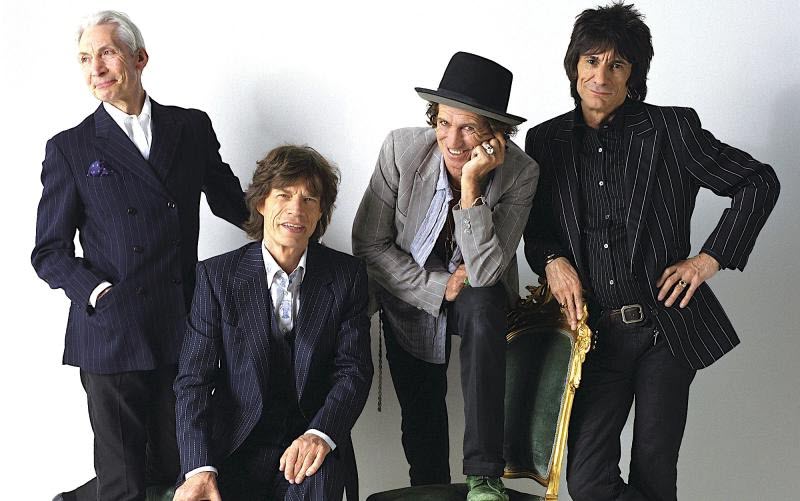
Few bands have shaped the sound and spirit of rock ‘n’ roll like The Rolling Stones. With a career spanning over six decades, these British rock legends have delivered some of the most unforgettable songs in music history—tracks that not only topped charts but also captured the raw, rebellious energy of entire generations. From gritty blues roots to swaggering stadium anthems, the Stones have never been afraid to evolve, experiment, and push boundaries. Their music is the soundtrack of revolution, heartbreak, desire, and defiance.
In this list, we’re counting down the Top 10 Most Popular Rolling Stones Songs of All Time—not just based on chart success, but on cultural impact, fan devotion, and the timelessness that keeps these tracks alive decades after their release. Whether you’re a lifelong Stones fanatic or just beginning your journey through their legendary discography, these songs are essential listening. Get ready to revisit the riffs that shook the world, the lyrics that struck a chord, and the sound that made The Rolling Stones the indestructible force of rock they are today. Turn up the volume—this is rock history at its loudest, wildest, and most unforgettable.
1. “(I Can’t Get No) Satisfaction” – 1965
Released in 1965, “(I Can’t Get No) Satisfaction” wasn’t just a song—it was a seismic cultural shift. Keith Richards famously came up with the iconic riff in his sleep, and once paired with Mick Jagger’s sneering vocals, it became a fierce anthem of youthful frustration. The lyrics voice a restless dissatisfaction with consumer culture, conformity, and repressed desire, capturing the rebellious spirit of the ’60s in just under four minutes. The guitar’s fuzz-driven edge was revolutionary at the time, giving the song a gritty punch that stood in stark contrast to the polished pop dominating the charts. “Satisfaction” didn’t just climb the charts—it dominated them, hitting No. 1 in the U.S. and U.K. and catapulting the Rolling Stones into global superstardom. It encapsulated the defiant attitude that would come to define rock ‘n’ roll, cementing the band as its snarling, swaggering ambassadors. Decades later, that opening riff still electrifies, and the song’s message—about yearning for something more—remains universal. It’s a cornerstone of rock history and arguably the most essential Stones track of all time.
2. “Paint It, Black” – 1966
“Paint It, Black,” released in 1966, marked a bold evolution for the Rolling Stones. Abandoning their blues-based roots for a darker, more experimental sound, the track opens with a swirling sitar riff played by Brian Jones, introducing many Western listeners to Eastern instrumentation. The mood is haunting, driven by Charlie Watts’ relentless drumming and a melody that winds like a descent into madness. Lyrically, it deals with themes of grief, depression, and nihilism, cloaked in surreal, poetic imagery. Mick Jagger’s voice cuts through the gloom, channeling sorrow and existential angst with eerie precision. This was more than just a pop song—it was a window into the band’s darker creative impulses and a reflection of the turbulent cultural climate of the mid-’60s. “Paint It, Black” topped charts around the world and remains one of the earliest examples of raga rock, a genre-blending experiment that paid off brilliantly. The song’s brooding energy and unique instrumentation helped expand the boundaries of what rock music could express. Even today, its hypnotic pull and emotional depth continue to captivate new generations of listeners.
3. “Sympathy for the Devil” – 1968
Provocative, daring, and steeped in myth, “Sympathy for the Devil” was a defining moment for the Stones when it opened their 1968 album Beggars Banquet. With its samba-infused rhythm and darkly poetic lyrics, the song reimagines Lucifer as a suave narrator recounting humanity’s bloodiest chapters—from the crucifixion of Christ to the Russian Revolution. Mick Jagger’s performance is both menacing and magnetic, dancing between charm and evil as he inhabits the Devil with unsettling ease. The repetitive “woo-woo” chorus adds a layer of eeriness, making the song feel like a sinister celebration. Keith Richards’ guitar solo slices through the percussive groove with blistering heat, and the track’s hypnotic rhythm section pulses like a ritualistic chant. The song shocked and fascinated fans and critics alike, fueling the Stones’ image as the darker, more dangerous alternative to The Beatles. More than just a controversy magnet, “Sympathy for the Devil” is a masterclass in narrative songwriting and rhythmic experimentation. It’s a chilling exploration of evil, responsibility, and complicity, wrapped in one of the most seductive grooves in rock history.
4. “Gimme Shelter” – 1969
Released in 1969 at the peak of social unrest, “Gimme Shelter” is arguably the Stones’ most powerful and apocalyptic work. Opening with Keith Richards’ icy, tremolo-drenched riff, the song immediately conjures a sense of looming danger. It’s a snapshot of a world unraveling—rife with war, murder, and chaos—and the music echoes that urgency. Mick Jagger’s delivery is urgent and foreboding, but it’s Merry Clayton’s searing backing vocals that push the song into legendary territory. Her scream of “rape, murder—it’s just a shot away” remains one of the most electrifying moments in rock history, capturing the raw desperation of the times. As the Vietnam War raged and America grappled with political and cultural upheaval, “Gimme Shelter” became a haunting anthem for the end of the ’60s idealism. The song doesn’t just reflect fear—it is fear, with every beat dripping in dread and defiance. Still, in its final moments, it hints at hope—“love, sister, it’s just a kiss away.” It’s this balance of terror and tenderness that makes “Gimme Shelter” timeless, a sonic warning flare that still resonates in every era of uncertainty.
5. “Jumpin’ Jack Flash” – 1968
“Jumpin’ Jack Flash” blasted onto the scene in 1968 like a jolt of lightning, signaling the Rolling Stones’ triumphant return to their bluesy, hard-edged roots. After a psychedelic detour, this track was gritty, grounded, and brimming with swagger. Keith Richards’ opening riff—grimy and thunderous—immediately commands attention, while Charlie Watts and Bill Wyman lock in a muscular groove. Mick Jagger snarls his way through the lyrics, full of brash confidence and streetwise poetry. Lines like “I was born in a crossfire hurricane” aren’t just memorable—they’re myth-making. The song’s energy is primal, raw, and completely irresistible, channeling the rebellious essence of rock ‘n’ roll. “Jumpin’ Jack Flash” quickly became a concert staple and one of the band’s signature tracks, emblematic of their ability to shake off trends and reclaim their core sound with new intensity. It was a rebirth moment, reaffirming their place at the pinnacle of rock while paving the way for the gritty anthems that would follow. Over 50 years later, it still hits hard and remains a rallying cry for the enduring spirit of rock.
6. “Angie” – 1973
When “Angie” was released in 1973, it revealed a surprisingly tender side of the Rolling Stones. Stripped of the band’s usual bravado and swagger, this haunting ballad showcased their vulnerability. Built around a delicate acoustic guitar riff, the song’s sorrowful tone is driven by Mick Jagger’s heartfelt vocal performance, capturing the pain of love slipping away. While fans speculated endlessly about who “Angie” might be—ranging from David Bowie’s wife to Angela Richards—the band has consistently said the name was chosen simply for its lyrical sound. Regardless of its origins, the emotion in the track is universal. Strings sweep gently behind the melody, adding emotional gravity without overwhelming the sparse arrangement. “Angie” topped charts around the world and became a go-to slow-dance song for a generation. It proved that the Stones were more than just rock rebels—they were artists capable of deep introspection and emotional nuance. In a catalog filled with explosive riffs and gritty anthems, “Angie” stands apart as a quiet masterpiece, reminding us that sometimes the most powerful moments in music are the softest ones.
7. “Start Me Up” – 1981
“Start Me Up,” released in 1981, roars out of the gate with one of Keith Richards’ most infectious riffs, immediately setting the tone for one of the Stones’ most enduring late-career hits. Originally conceived as a reggae track, the band reworked it into a no-frills rock powerhouse, and the transformation paid off. The groove is lean and muscular, driven by Charlie Watts’ tight drumming and Richards’ sharp, chugging guitar lines. Mick Jagger’s performance is cheeky and full of energy, with lyrics that walk the line between playful and provocative. The song’s suggestive undertones only add to its swagger, making it the perfect opener for concerts and stadiums alike. “Start Me Up” marked the band’s ability to stay relevant and vibrant into the MTV era, proving they could still write an arena anthem with the best of them. It’s a testament to the band’s raw chemistry and knack for simplicity—just a killer riff, a driving beat, and unfiltered charisma. More than 40 years on, it still lives up to its name, instantly energizing any room the moment it kicks in.
8. “Wild Horses” – 1971
“Wild Horses,” released in 1971 on the Sticky Fingers album, is one of the most emotionally resonant songs in the Rolling Stones’ catalog. With its gentle acoustic guitars, mournful tone, and poetic lyrics, it stands as a deeply personal ballad about love, longing, and emotional surrender. The song’s country-tinged arrangement offers a stark contrast to the band’s typical swagger, showing their softer, more introspective side. Mick Jagger’s vocal performance is subdued and aching, perfectly matched by Keith Richards’ understated harmonies. Widely believed to be inspired by personal struggles and strained relationships—possibly between Jagger and Marianne Faithfull—it’s a rare glimpse into the band’s emotional vulnerability. “Wild Horses couldn’t drag me away,” Jagger sings, a line that speaks to a love that endures despite heartache and distance. The song has been covered by countless artists across genres, a testament to its timeless beauty and universal appeal. “Wild Horses” endures not just because it’s musically stunning, but because it feels real—raw and stripped of artifice. It’s one of those rare rock ballads that hits straight to the heart and lingers long after the final chord fades.
9. “Brown Sugar” – 1971
“Brown Sugar” kicks off the Sticky Fingers album with a blast of untamed rock energy. Released in 1971, it opens with one of the most recognizable guitar riffs in the Stones’ arsenal—a sleazy, swaggering lick from Keith Richards that sets the tone for what’s to come. The song’s lyrics, which touch on race, slavery, sex, and exploitation, have stirred controversy for decades, and rightfully so. But musically, it’s a tour de force: Jagger’s vocals are wild and raw, the groove is tight and relentless, and the band sounds like a locomotive running off the rails—in the best way. Horns punch through the mix, adding an extra layer of excitement and chaos. Despite its problematic subject matter, “Brown Sugar” remains a definitive Stones track: gritty, provocative, and unapologetically rock ‘n’ roll. It’s the sound of a band firing on all cylinders, capturing lightning in a bottle. While the song continues to spark debate, it also serves as a reminder of the Stones’ ability to push boundaries and command attention with fearless force.
10. “You Can’t Always Get What You Want” – 1969
Closing the Let It Bleed album in 1969, “You Can’t Always Get What You Want” is a sweeping, philosophical ballad that blends gospel, orchestral flourishes, and classic rock into one transcendent anthem. Opening with the angelic voices of the London Bach Choir, the song gradually unfolds into a deeply layered arrangement featuring French horns, piano, and soulful harmonies. Mick Jagger delivers a reflective vocal performance, exploring themes of disappointment, compromise, and unexpected redemption. Keith Richards’ acoustic guitar and backing vocals add warmth, while the buildup to the final chorus feels like a spiritual crescendo. The track stands as a counterpoint to the turbulence of the ’60s—acknowledging life’s harsh realities but clinging to the hope that sometimes, what we get might just be what we need. Frequently used in films, TV shows, and political events, the song has transcended its era to become a timeless piece of cultural wisdom. It’s a masterpiece of composition and emotion, and a poignant reminder that beauty often lies in imperfection. “You Can’t Always Get What You Want” is more than a song—it’s a life lesson wrapped in six and a half glorious minutes of music.

Samuel Moore is a frequent contributor to Singers Room. Since 2005, Singersroom has been the voice of R&B around the world. Connect with us via social media below.









