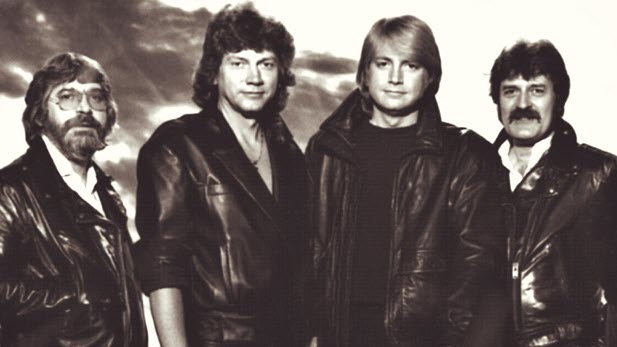
Few bands in rock history have dared to blend poetry, philosophy, and progressive soundscapes quite like The Moody Blues. Emerging from the British Invasion in the 1960s, they quickly transcended their R&B roots to become pioneers of symphonic rock—ushering in a new era of emotionally resonant, musically ambitious songwriting. With their signature use of the Mellotron, sweeping orchestration, and introspective lyrics, the Moody Blues created a sound both timeless and transcendental. Over the decades, their music has inspired dreamers, thinkers, and romantics, leaving an indelible mark on generations of listeners. In this article, we count down the Top 10 Most Popular Moody Blues Songs of All Time—a journey through their most iconic tracks, from haunting ballads to electrifying anthems. Whether you’re a lifelong fan or just discovering their catalog, these songs represent the very soul of a band that never stopped exploring the boundaries of rock. Each track on this list is more than a hit—it’s a sonic experience, a lyrical voyage, and a testament to the band’s enduring legacy. So dim the lights, cue the strings, and get ready to dive deep into the timeless world of the Moody Blues.
1. Nights in White Satin (1967)
“Nights in White Satin,” released in 1967 as part of Days of Future Passed, stands as the Moody Blues’ most iconic and emotionally resonant work. Written by Justin Hayward when he was just 19, the song captures a profound sense of longing, love, and existential introspection. Its lyrics—poetic and raw—feel both deeply personal and universally relatable, speaking to the ache of unspoken emotions and lost connections. The lush orchestral arrangement, layered with haunting Mellotron textures, dramatic strings, and a spoken-word coda, created a sound that was groundbreaking for its time. Although the track didn’t achieve major success upon its initial UK release, it found new life—and massive popularity—when re-released in the U.S. in 1972, becoming a worldwide hit. The song’s unique blend of symphonic grandeur and rock sensibility helped define the progressive rock movement. Decades later, its enduring appeal lies in the emotional depth and timeless beauty of its melody and lyrics. “Nights in White Satin” isn’t just a song—it’s a journey through memory, desire, and the aching corners of the heart. It remains a powerful testament to the band’s artistry and a landmark achievement in 20th-century music.
2. Tuesday Afternoon (Forever Afternoon) (1967)
“Tuesday Afternoon,” also from the Moody Blues’ landmark album Days of Future Passed (1967), is a beautifully reflective track that captures the dreamlike quality of a quiet, wandering day. Opening with gentle acoustic guitar and Justin Hayward’s soothing vocals, the song evokes a feeling of peaceful solitude, like drifting through a sun-dappled park with your thoughts floating freely. As it unfolds, the arrangement grows into a rich tapestry of orchestral swells and psychedelic textures—one of the earliest and most successful fusions of classical music and rock. The title itself suggests something fleeting and mundane, yet the song transforms the ordinary into something almost mystical. Lyrically, it embraces the wonder and simplicity of being in the moment, without the need for resolution or explanation. “Tuesday Afternoon” helped establish the Moody Blues not just as musicians, but as sonic storytellers and philosophical explorers. Its unconventional structure and layered harmonies made it a standout during the Summer of Love and a staple of the band’s catalog. Even today, the track holds a special place in the hearts of listeners, offering a gentle escape into introspection and tranquility—a true reflection of the band’s poetic spirit.
3. Question (1970)
Released in 1970, “Question” is one of the Moody Blues’ most impassioned and politically charged tracks. Written by Justin Hayward during a period of global unrest and disillusionment—particularly surrounding the Vietnam War—the song captures the urgent desire for truth, peace, and meaning. Opening with a brisk, aggressive acoustic guitar riff, it immediately grabs the listener, thrusting them into a whirlwind of lyrical inquiry and emotional urgency. As the song progresses, it transitions into a slower, more contemplative section, creating a dramatic contrast that reflects the inner conflict of its time. This duality gives “Question” its distinctive power, as it oscillates between protest anthem and soul-searching ballad. Unlike the band’s earlier orchestral work, this track leans on a stripped-down rock approach, emphasizing the rawness of its message. Hayward’s vocals carry both frustration and vulnerability, adding depth to every word. It’s a track that challenged the conventions of progressive rock, embracing political consciousness without sacrificing musical innovation. Over five decades later, “Question” remains strikingly relevant, a poignant reminder of music’s ability to give voice to social upheaval while still speaking to the eternal human search for clarity and peace.
4. Ride My See-Saw (1968)
“Ride My See-Saw,” released in 1968 on the album In Search of the Lost Chord, delivers a jolt of kinetic energy that set it apart from the Moody Blues’ more symphonic offerings. Written by bassist John Lodge, the song dives headfirst into the driving rhythm and fuzzed-out guitar lines characteristic of late ’60s rock, while still maintaining the band’s trademark depth. At its core, the track is a philosophical meditation wrapped in an infectious, upbeat package. The lyrics explore themes of personal growth and societal conditioning, using the see-saw metaphor to symbolize the ups and downs of life and the constant search for balance. With its high-energy tempo and compelling chorus, it became a fan favorite and a staple of the band’s live performances. “Ride My See-Saw” also marked the Moody Blues’ growing embrace of psychedelic rock, showcasing their versatility and willingness to evolve with the times. Its blend of intellectual curiosity and rocking momentum perfectly captured the spirit of the era—questioning the status quo while inviting listeners to enjoy the ride. Decades later, its message and musical punch still resonate, making it one of the band’s most enduring rock anthems.
5. The Story in Your Eyes (1971)
“The Story in Your Eyes,” featured on the 1971 album Every Good Boy Deserves Favour, showcases the Moody Blues at their most direct and electrifying. Right from the start, the song leaps to life with a gritty, distorted guitar riff that signals a shift toward a harder rock sound. Justin Hayward’s voice delivers with urgency, cutting through the mix with clarity and passion. Lyrically, the song explores themes of truth, perception, and emotional revelation, with Hayward contemplating what can be seen—or hidden—in a person’s eyes. Despite its punchier tone, the track retains the thoughtful introspection that defines the Moody Blues’ catalog. The Mellotron still weaves in subtle textures, but here it supports rather than leads, allowing the raw energy of the guitars and drums to shine. “The Story in Your Eyes” became a radio favorite and demonstrated that the band could rock as hard as any of their contemporaries without losing their artistic nuance. It’s a perfect blend of intensity and elegance, and one of the clearest examples of how the Moody Blues continually balanced poetic depth with sonic innovation. It remains a standout moment in their discography and a fan favorite in live sets.
6. Your Wildest Dreams (1986)
With “Your Wildest Dreams,” the Moody Blues embraced the changing tides of the 1980s and crafted one of their most memorable hits. Released in 1986 on The Other Side of Life, the track marked a bold sonic shift for the band, trading in their signature Mellotron and symphonic textures for sleek synths and polished production. Written by Justin Hayward, the song is a deeply nostalgic reflection on love lost and the enduring power of memory. The lyrics contemplate whether a past lover still remembers, striking a universal chord with listeners who’ve ever wondered about the “what ifs” of their own romantic histories. Despite its modern instrumentation, the song retains the emotional core that has always defined the Moody Blues—earnest, searching, and soul-stirring. “Your Wildest Dreams” became a surprise Top 10 hit in the U.S., and its success was boosted by a cinematic music video that found heavy rotation on MTV. This visual storytelling helped introduce the band to a new generation, proving that even after two decades in the business, the Moody Blues could evolve with style and emotional clarity. The song remains a standout in their later catalog and a testament to their enduring appeal.
7. I’m Just a Singer (In a Rock and Roll Band) (1972)
“I’m Just a Singer (In a Rock and Roll Band)” is a thunderous rebuttal to the idea of rock stars as gurus or prophets. Released in 1972 as part of Seventh Sojourn, this energetic anthem was written by bassist John Lodge in response to fans who sought spiritual guidance through the band’s music. Instead of claiming wisdom, the Moody Blues take a grounded approach, asserting that they’re simply musicians doing what they love. The track opens with a driving bassline and explosive horn section, launching into one of the band’s most powerful rock performances. The song is full of raw urgency, with Lodge delivering the vocals with defiant passion, backed by thunderous drums and swirling keys. Thematically, it draws a clear line between art and ideology, reinforcing the idea that while music can inspire, it shouldn’t be mistaken for doctrine. Its no-nonsense energy and tight arrangement helped it break into the U.S. Top 20, making it one of the band’s biggest American hits. Decades later, it remains a fan favorite and a concert staple, not just for its electrifying sound, but for its timeless message about the role of the artist in a chaotic world.
8. The Voice (1981)
Released in 1981 on their successful album Long Distance Voyager, “The Voice” represents the Moody Blues at their most expansive and anthemic. Written and sung by Justin Hayward, the song blends the band’s trademark introspection with sleek, early-’80s production. It opens with pulsing synthesizers and builds into a lush, soaring melody that carries themes of inner wisdom and spiritual connection. At its core, “The Voice” is about tuning into something greater than oneself—whether that’s intuition, destiny, or a universal force guiding us through life’s uncertainty. Hayward’s impassioned vocal performance elevates the track, giving weight to lyrics that walk the line between mysticism and pop clarity. The song’s dynamic instrumentation, including lush keyboards and urgent rhythms, underscores the journey from confusion to clarity. Commercially, “The Voice” was a major hit, reaching the Top 20 on U.S. charts and cementing the Moody Blues’ relevance in a new musical era. It was clear proof that the band could evolve without losing their philosophical core. With its combination of lyrical depth and radio-friendly polish, “The Voice” remains one of their most beloved tracks—a timeless reminder of the inner guidance we all seek.
9. Isn’t Life Strange (1972)
“Isn’t Life Strange” is one of the Moody Blues’ most haunting and contemplative songs, a sweeping orchestral ballad released in 1972 on the album Seventh Sojourn. Penned by John Lodge, the track grapples with the mysterious, often contradictory nature of life and love. It begins with a melancholic cello line that sets the emotional tone, gradually expanding into a lush, symphonic soundscape featuring the band’s signature Mellotron textures and rich vocal harmonies. Lyrically, Lodge ponders the beauty and pain that exist side by side in human experience, offering a deeply personal yet universally relatable meditation on existence. The song’s structure builds slowly, capturing the ebb and flow of life’s emotional tides with elegance and patience. Unlike typical rock ballads, “Isn’t Life Strange” leans into classical composition, elevating its sense of drama and poignancy without ever tipping into excess. The band’s restraint and musical sensitivity shine here, making the track a standout even within a discography known for its sophistication. Though less commercially bombastic than some of their other hits, its emotional resonance and poetic introspection have helped it endure as one of their most respected and beloved songs.
10. Gemini Dream (1981)
“Gemini Dream” marked a thrilling departure for the Moody Blues, signaling their embrace of the vibrant new wave sound that defined the early 1980s. Released as the lead single from Long Distance Voyager, the track showcased a sleeker, more modern version of the band—one unafraid to experiment with punchy rhythms, shimmering synthesizers, and tight vocal harmonies. Written by Justin Hayward and John Lodge, “Gemini Dream” explores themes of duality and fantasy, fitting given the title’s astrological reference. The lyrics paint a picture of life on the road, the disorientation of fame, and the blurred lines between dream and reality. Musically, it’s upbeat and infectious, blending rock energy with pop accessibility. The interplay between Hayward’s and Lodge’s vocals adds dynamic texture, and the crisp production gives the song a radio-ready shine. The gamble paid off: “Gemini Dream” became a Top 20 hit in the U.S. and helped reinvigorate the band’s career in a new decade. It also set the tone for the rest of Long Distance Voyager, an album that successfully bridged classic Moody Blues themes with contemporary sounds. “Gemini Dream” remains a symbol of the band’s creative versatility and willingness to evolve.

Samuel Moore is a frequent contributor to Singers Room. Since 2005, Singersroom has been the voice of R&B around the world. Connect with us via social media below.









