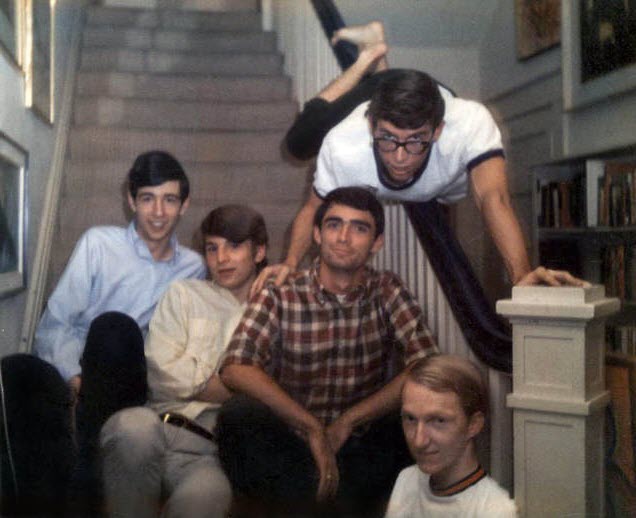
When it comes to the golden era of rock and pop, few bands capture the essence of the 1960s like The Box Tops. With their unique blend of blue-eyed soul and rock ‘n’ roll, this Memphis-based group skyrocketed to fame, leaving an indelible mark on the music scene. Fronted by the powerful vocals of a young Alex Chilton, The Box Tops produced a string of unforgettable hits that still resonate with audiences today. From heart-wrenching ballads to catchy anthems, their songs encapsulate the spirit of a generation yearning for change and connection.
In this article, we dive into the top 10 most popular Box Tops songs of all time, exploring the stories behind each track and their impact on music history. Whether you’re a lifelong fan or a newcomer discovering their sound for the first time, prepare to be swept away by the infectious melodies and poignant lyrics that defined an era. Join us as we celebrate the timeless classics that continue to inspire artists and fans alike, proving that the magic of The Box Tops is as vibrant today as it was over five decades ago. Get ready to sing along and relive the nostalgia!
1. The Letter (1967)
“The Letter” remains the defining smash that thrust The Box Tops into the spotlight in 1967. Clocking in at just under two minutes, this concise rock-soul hybrid packs a powerful emotional punch. Sixteen-year-old Alex Chilton sings with remarkable maturity, his voice gravel-rough yet earnest, perfectly capturing the desperation of a young man pleading, “Give me a ticket for an aeroplane, I ain’t got time to take a fast train.” That urgent tone—and the raw, organ-driven groove behind it—gives the track an unforgettable rip-roar energy. The no-frills production lets Chilton’s vocals shine, conveying a sense of immediacy that resonated deeply with the era’s listeners. The song surged to number one on the Billboard Hot 100, becoming an emblematic piece of 60s pop-rock and blue-eyed soul. Every chord feels pressed with longing; every lyric, like a page torn from a youthful heart seeking connection. Decades later, “The Letter” remains a classic—short, sweet, and emotionally electrifying—showing that sometimes the most enduring songs are born from raw feeling and musical simplicity.
2. Cry Like a Baby (1968)
Released in 1968, “Cry Like a Baby” was The Box Tops’ lush, soulful follow-up to their debut hit. It blends rock, R&B, and hints of psychedelic pop, featuring evocative strings, electric sitar, and a Muscle Shoals–style groove. Alex Chilton’s vocals are compelling, simmering with heartbreak and vulnerability as he pleads, “Baby, can’t you see / That you got the best of me?” His voice quivers with emotion, matching the evocative production that’s both polished and full of grit. The songwriters—Dan Penn and Spooner Oldham—deliver a melodic structure that’s intricate yet accessible, with a refrain that lingers long after the song ends. Backed by tight instrumentation and thoughtful layering, “Cry Like a Baby” reached No. 2 on the Billboard Hot 100, cementing The Box Tops’ reputation as more than a one-hit wonder. The track balances sophistication and raw feeling, making listeners not only hear the heartbreak but feel it. It stands as a powerful example of how blending genres—rock’s edge, soul’s sensitivity, and pop’s hook—can amplify a song’s emotional impact.
3. Soul Deep (1969)
Released in 1969, “Soul Deep” is a vibrant fusion of pop and soul that highlights The Box Tops’ maturation as musicians. The song’s title is a fitting metaphor, emphasizing love so profound that it transcends words. The arrangement buzzes with a lively bassline, smooth horn accents, and harmony-rich backing vocals that enrich the listening experience without overwhelming it. Alex Chilton brings sincerity to every line; his voice is robust and heartfelt, conveying an emotional depth that feels genuine and lived-in. Lyrically, the song feels heartfelt yet approachable—an invitation to recognize a bond that resonates “through your blood and through your mind.” The chorus is instantly catchy, imprinting upon the listener with easy sing-along charm. Though not as commercially dominant as earlier hits, “Soul Deep” climbed the charts and became a fan favorite, demonstrating that The Box Tops could create pop while preserving emotional sincerity. It captures a moment when the band leaned into soul and layered melodies, resulting in a track that’s both thought-provoking and irresistibly catchy. It’s a gem that stands as a testament to authentic feeling wrapped in melodic appeal.
4. Choo Choo Train (1970)
“Choo Choo Train,” released in 1970, is a playful and energetic track that highlights The Box Tops’ lighter musical side. From the opening bars, its rhythm mimics the chug and sway of a train, creating a fun, kinetic feel. The lyrics reflect themes of escape and movement, weaving in vibrant imagery like “steel wheels glidin’ down the track” and “freedom calling.” Alex Chilton’s vocal delivery includes a cheeky confidence, as though he’s both conductor and passenger on a locomotive ride toward liberation. The arrangement supports the theme with lively piano licks, rhythmic guitar, and spirited horn flourishes that reinforce the chugging momentum. Though it didn’t scale the charts like earlier singles, hardcore fans embraced its fun-loving charm. There’s a nostalgic innocence at its core—an anthem for letting go, hitting the road, and embracing spontaneity. “Choo Choo Train” captures a moment in pop rock when storytelling could be playful, metaphor-driven, and irresistibly danceable. It’s a delightful diversion in their catalog, reminding listeners that amid the emotional heaviness, there was room for joy and nostalgia.
5. Happy Times (1968)
Released in 1968, “Happy Times” is a radiant burst of positivity—an effortless ode to simple joys and sunshine-filled moments. From the upbeat tempo to the bright melody, the track feels like a musical daydream. Chilton’s warm, enthusiastic delivery bridges casual ease and genuine emotion, expressing sentiments like “I just want you to know that I’m happy for the first time.” The instrumentation features bouncy guitars, cheery percussion, and subtle backing vocals that lift every chorus. Unlike their heartache-driven hits, this track spotlights love’s uplifting, carefree side. The lyrics aren’t complex, but they sparkle with sincerity: the feeling of floating when you’re with someone who makes you feel “on top of the world.” Though it didn’t make major waves commercially, the song resonates deeply with fans who cherish its infectious optimism and nostalgia. “Happy Times” secures its place in The Box Tops’ repertoire as a feel-good classic, a reminder that pop music’s power often lies in its ability to elevate everyday happiness.
6. Neon Rainbow (1968)
“Neon Rainbow,” also from 1968, offers a dreamy sonic narrative that contrasts city spotlight with human longing. The song opens with a warm melody, setting a reflective mood as Chilton sings about neon lights illuminating streets yet failing to light up lonely hearts. The lyrics weave vignettes of romance lost and hopes dashed—“In the heart of the city life is happy, love is friendly / I can glimpse the city lights blinking bright.” Chilton’s voice resonates with yearning and wonder, each note wrapped in a subtle twang of melancholy. The lush production features layered harmonies, gentle percussion, and a melodic arrangement that feels cinematic yet intimate. It’s an invitation to seek something deeper beyond surface glamour—an emotional undercurrent masked by bright lights. Though it didn’t top charts like their breakout singles, the song became a cult favorite, cherished for its emotional nuance and sonic elegance. “Neon Rainbow” stands as a quietly sophisticated track, offering a bittersweet reminder that sometimes the glare of neon only highlights the ache in our souls.
7. I Met Her in Church (1969)
Released in 1969, “I Met Her in Church” tells a charming, unexpected love story with a playful edge. The song paints a vivid snapshot of an innocent, serendipitous meeting in a spiritual setting—“her eyes looked so kind”—that swiftly turns romantic. Chilton’s vocal delivery brims with sincerity, tenderness, and a touch of awe, as if surprised by the timing and magic of love. The arrangement marries soulful rock with pop sensibility: crisp rhythm guitar, fluid piano lines, and backing vocals that emphasize the song’s joyous tone. The melody skips forward with a spring in its step, inviting listeners into a romantic moment frozen in time. It doesn’t wrestle with heartbreak or philosophical weight—instead, it revels in serendipity and fresh affection. While not a blockbuster at the time, “I Met Her in Church” charms through its narrative clarity and emotional warmth. It stands as a reminder that some of life’s most meaningful connections happen in unexpected places, and that love can appear in a quiet moment of connection when you least expect it.
8. You Keep Tightening Up on Me (1968)
“You Keep Tightening Up on Me,” released in 1968, is a spirited exploration of romantic tension wrapped in an irresistible groove. From the punchy bassline to the syncopated guitar, the song conveys the push-pull dynamics of an intensifying relationship. Chilton’s vocals cut through with emotional clarity—he sounds intrigued, touched, and a bit off-balance as he sings, “You keep tightening up on me, baby / One day you’ll want to hold me tight.” The lyric captures the suspense of love just beyond grasp, where closeness meets fear. The chorus is catchy and dynamic, encouraging listeners to feel the ebb and flow of affection. The energy is playful yet palpable, balancing pop accessibility with emotional authenticity. Though it didn’t break into the top ten, it became a fan favorite due to its relatable emotional scenario and dance-ready feel. “You Keep Tightening Up on Me” exemplifies The Box Tops’ knack for marrying musical immediacy with heartfelt lyrics, creating a track that’s both fun and emotionally resonant.
9. Sweet Cream Ladies, Forward March (1970)
“Sweet Cream Ladies, Forward March,” released in 1970, combines toe-tapping rhythm with a surprising undercurrent of social commentary. The title may sound whimsical, but beneath the cheerful melody lies a narrative that hints at empathy for women laboring in challenging conditions. Chilton sings with upbeat vibrancy—his voice enthusiastic and buoyant—yet the lyrics paint a wry portrait, referencing “sweet cream ladies” marching forward despite hardship. The arrangement’s brassy horns and fast pace invite movement, even as the lyrics suggest deeper reflection. It’s an unusual pairing: danceable energy meeting veiled awareness. Though it didn’t become a chart-topper, the song gained cult status among listeners who appreciated its clever blend of entertainment and thematic depth. “Sweet Cream Ladies, Forward March” showcases The Box Tops’ willingness to experiment—offering catchy music while hinting at issues often ignored in pop. It stands as a testament to their subtle courage in addressing societal themes beneath a familiar beat.
10. We Can Work It Out (1970)
In 1970, The Box Tops delivered a warm, soulful take on the Beatles’ classic “We Can Work It Out.” Their version transforms the original’s tension-filled reconciliation into a heartfelt plea rooted in Southern soul. Alex Chilton’s vocals carry a conversational tone—equal parts earnest and pleading—breathing fresh vulnerability into lines like “Life is very short, and there’s no time / For fussing and fighting, my friend.” The arrangement wraps gentle guitar riffs, steady percussion, and cozy vocal harmonies around the melody, balancing familiarity with reinvention. They don’t mimic Lennon or McCartney; instead, they internalize the song’s message and re-express it through their distinct musical lens. While not a chart dominance, the cover exemplifies The Box Tops’ skill as interpreters, showcasing their ability to handle emotionally rich material with grace. Their rendition leaves listeners with a renewed appreciation for communication, empathy, and second chances. It’s a meaningful entry in their catalog, reminding us that great songs can be reborn through thoughtful, authentic reinterpretation.

Edward Tomlin is a frequent contributor to Singers Room. Since 2005, Singersroom has been the voice of R&B around the world. Connect with us via social media below.









