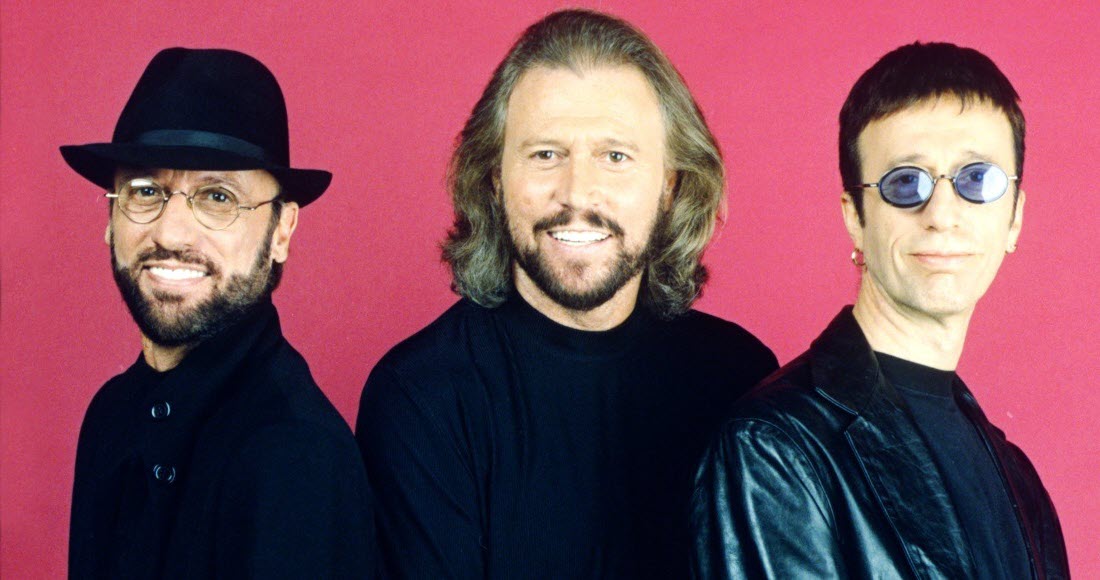
In the realm of music, few groups have left as indelible a mark as the Bee Gees. With their signature falsetto harmonies and timeless melodies, this trio transcended genres and generations, crafting songs that resonate with listeners around the globe. From the dance floors of the disco era to heartfelt ballads that tug at the heartstrings, the Bee Gees have showcased their extraordinary versatility and creativity.
As we delve into the top 10 most popular Bee Gees songs of all time, prepare to journey through a rich tapestry of sound that captures the essence of love, loss, and celebration. Each track on this list not only defined an era but also solidified the Bee Gees’ status as musical legends. Whether you’re a lifelong fan or a newcomer to their enchanting catalog, these songs promise to evoke nostalgia and spark joy.
Join us as we explore the unforgettable hits that have made the Bee Gees an enduring force in the music world, reminding us once again why their harmonies continue to echo through the ages. Get ready to relive the magic!
1. Stayin’ Alive (1977)
“Stayin’ Alive” isn’t just a song—it’s a cultural phenomenon that defined the spirit of the disco era. Released as part of the Saturday Night Fever soundtrack, it instantly caught fire with its pulsating beat and the Bee Gees’ electrifying falsetto vocals. But beyond the grooves and glitter, there’s something deeply resonant in the lyrics. It’s a song about perseverance, about getting through the grind of life with grit and swagger. That line—“I’m a woman’s man, no time to talk”—set the tone for a track that oozes confidence and survival. Barry Gibb’s falsetto rides the funky bassline like a wave, while the layered harmonies build a sound that’s both urgent and unforgettable. Whether you hear it blasting in a club or on a classic rock station, “Stayin’ Alive” feels timeless. It’s become shorthand for disco itself, but its message—staying strong through adversity—goes way beyond the dance floor. The track’s infectious energy and rhythmic drive still captivate listeners, making it one of the Bee Gees’ most enduring and iconic songs.
2. How Deep Is Your Love (1977)
“How Deep Is Your Love” reveals the Bee Gees’ romantic, tender side with stunning clarity. Released in 1977, the song became one of the standout ballads from the Saturday Night Fever soundtrack and remains a gold standard for love songs everywhere. There’s a quiet vulnerability in the way Barry Gibb delivers the opening lines—soft, earnest, and filled with emotional depth. The arrangement is silky-smooth, with gentle piano chords and lush string sections that wrap around the melody like a warm embrace. The lyrics are simple yet profound, asking one of the most important questions in any relationship: just how deep does your love run? It’s a plea for reassurance, for emotional honesty, and for lasting commitment. What makes it so timeless is its universality—it speaks to anyone who’s ever needed to feel secure in love. The harmonies, as always, are tight and beautifully blended, creating a dreamy soundscape that stays with you long after the final note. Whether you’re slow dancing with someone special or just reflecting on the nature of love, “How Deep Is Your Love” never fails to strike a chord.
3. Night Fever (1977)
“Night Fever” captures everything that made the disco era pulse with life. Released at the height of the Bee Gees’ popularity in 1977, it’s another standout from the Saturday Night Fever soundtrack. From the very first shimmering string riff, the song sets the mood—it’s late night, the city is alive, and the dance floor is calling. The beat is sleek and propulsive, with just enough funk to get your shoulders moving and your feet tapping. Barry Gibb’s falsetto glides effortlessly over the groove, and the chorus is pure gold—impossible not to sing along with. Lyrically, “Night Fever” is about more than just dancing. It’s about the rush of nightlife, the excitement of human connection, and the euphoria that comes from losing yourself in the moment. It’s music that feels like a celebration of youth, freedom, and rhythm. The song became a massive hit, topping charts around the world and becoming a fixture at parties for decades to come. It’s one of those tracks that instantly lights up a room, proof of the Bee Gees’ uncanny ability to turn a simple melody into a global anthem.
4. Massachusetts (1967)
“Massachusetts” is a hauntingly beautiful ballad that marked a significant moment in the Bee Gees’ early career. Released in 1967, the song was a departure from the upbeat pop that dominated the charts at the time. It carries a deep sense of melancholy and longing, telling the story of someone who left home in search of something more, only to realize that what they truly missed was the simplicity and comfort of where they came from. The arrangement is gentle and introspective, with soft acoustic guitar and mellow harmonies that add emotional weight. Robin Gibb’s lead vocal is particularly affecting, filled with a quiet sorrow that makes every line feel personal. The chorus, with its refrain of “I’ve got to get back to Massachusetts,” hits like a wave of homesickness. It’s not just about a place—it’s about finding one’s way back to a sense of belonging. This song showcased the Bee Gees’ storytelling ability and emotional depth, proving they could craft powerful music outside of the disco sphere. “Massachusetts” remains a poignant reminder that sometimes, the things we’re searching for are the things we’ve left behind.
5. To Love Somebody (1967)
“To Love Somebody” is one of the Bee Gees’ most enduring ballads, and for good reason. Released in 1967, it’s a heartfelt ode to unrequited love, sung with raw sincerity. Barry Gibb’s vocals are full of yearning, capturing the emotional pain of loving someone who doesn’t feel the same way. The song was originally written for Otis Redding, and you can feel that soulful influence throughout. From the gospel-tinged organ to the slow, deliberate pace of the melody, everything about the track is designed to highlight the ache in the lyrics. “You don’t know what it’s like… to love somebody the way I love you”—that line alone has touched millions. The harmonies are subtle but powerful, creating a sense of unity in the heartbreak. It’s a song that’s been covered by countless artists, from Nina Simone to Michael Bolton, yet the original version retains its power thanks to the Bee Gees’ emotional authenticity. “To Love Somebody” speaks to the quiet heartbreak of unspoken or unreturned love, and in doing so, it connects deeply with anyone who’s ever felt invisible in their affection.
6. Jive Talkin’ (1975)
“Jive Talkin’” marked a major turning point for the Bee Gees, signaling a bold leap into the funky, groove-driven sound that would define their late ‘70s success. Released in 1975, the song was unlike anything the band had done before. It kicks off with a tight, syncopated rhythm that instantly grabs attention—a funky guitar riff inspired by the sound of their car crossing the causeway into Miami. That accidental rhythm became the heartbeat of the track. Lyrically, “Jive Talkin’” is cheeky and clever, referring to someone who’s full of smooth lies and fast talk. The phrase itself—“jive talkin’”—was slang for deceptive speech, and the song leans into that playfully, with Barry Gibb delivering the lines in a sly, rhythmic style. The harmonies are slick, and the beat is infectious, combining R&B, funk, and pop in a way that was fresh and exciting at the time. It was their first major hit in years and a clear sign the Bee Gees were evolving. “Jive Talkin’” paved the way for their disco domination, and even now, it’s a standout groove that still gets heads nodding and feet tapping.
7. Fanny (Be Tender with My Love) (1975)
“Fanny (Be Tender with My Love)” is one of the Bee Gees’ most emotionally charged songs, and it stands out for its vulnerability and rich, orchestral arrangement. Released in 1975, it showcases a band that was mastering the art of the power ballad before the term was even popular. From the very first note, the song feels intimate and pleading. Barry Gibb’s lead vocal is filled with raw emotion as he begs for gentleness and understanding from a lover. The title character, Fanny, becomes a symbol for anyone who holds another’s heart in their hands. The arrangement swells with strings, soft piano, and lush harmonies, building to a powerful crescendo that’s both heartbreaking and beautiful. The chorus—“Be tender with my love”—is delivered with a mix of desperation and sincerity that hits hard. The track demonstrates the Bee Gees’ songwriting depth and emotional intelligence, capturing the fragility of love in a way few pop songs do. It’s not as flashy as their disco hits, but “Fanny” resonates with anyone who’s ever put their heart on the line, hoping the other person won’t break it.
8. You Should Be Dancing (1976)
If there’s one song that can instantly fill a dance floor, it’s “You Should Be Dancing.” Released in 1976, this track is pure energy—a fiery fusion of funk, disco, and rock that cemented the Bee Gees as kings of the dance scene. From the opening drumbeat to the wild guitar riffs and pulsing bassline, everything about this song screams movement. It’s a call to action, and Barry Gibb’s high-flying falsetto drives the message home: get up, let go, and dance. The lyrics are simple but direct—“You should be dancing, yeah!”—and the urgency is irresistible. There’s a playful sensuality to the track, with the rhythm section and horn stabs adding layers of excitement and anticipation. The song was a massive hit and remains a defining anthem of the disco era. It’s the kind of track that doesn’t age because it’s built on pure, universal joy. Whether you’re hearing it at a wedding, club, or retro party, “You Should Be Dancing” always delivers the same rush. It’s more than just a song—it’s a celebration of rhythm, freedom, and the sheer joy of movement.
9. Tragedy (1979)
“Tragedy” is a dramatic, emotionally intense track that showcases the Bee Gees’ flair for theatrical pop. Released in 1979, the song came during the peak of their disco reign, but it leans heavily into rock and synth elements, creating a powerful fusion that feels like an emotional rollercoaster. From the very beginning, there’s a sense of urgency—flashing synths, pounding drums, and an explosive intro that grabs your attention. Barry Gibb’s vocals soar with passion, as he sings about heartbreak and the overwhelming pain of love lost. The chorus—“Tragedy, when the feeling’s gone and you can’t go on”—is delivered with such intensity that it practically explodes out of the speakers. The harmonies are layered and haunting, reinforcing the sense of sorrow and desperation. There’s a cinematic quality to the production that makes it feel almost operatic. “Tragedy” isn’t just about a breakup; it’s about the complete collapse of emotional stability when love disappears. It’s big, bold, and unapologetically dramatic—an anthem for anyone who’s ever felt like their heartache could shake the world. The Bee Gees proved with this song that they weren’t just about dancing—they could devastate, too.
10. I Started a Joke (1968)
“I Started a Joke” is one of the Bee Gees’ most introspective and poignant ballads. Released in 1968, it taps into deep emotions of guilt, misunderstanding, and regret. Robin Gibb takes the lead vocal here, and his unique voice—fragile, melancholic, and haunting—perfectly suits the song’s tone. The lyrics unfold like a confessional, with the narrator reflecting on a moment when something meant as humor or lightness ended up causing pain. It’s a metaphor that speaks to the human condition—how we often misjudge our impact, unintentionally hurting others or being misunderstood. The arrangement is soft and minimal, giving space for the lyrics and vocals to shine. The chorus, “I started a joke, which started the whole world crying,” is one of the most memorable in the Bee Gees’ catalog, not because it’s grand, but because it’s so disarmingly honest. There’s something timeless about its emotional clarity, and it continues to resonate with anyone who has ever felt alone in their sorrow. “I Started a Joke” reveals the Bee Gees as more than pop hitmakers—it shows them as deeply thoughtful songwriters capable of capturing complex human feelings in just a few lines.

Edward Tomlin is a frequent contributor to Singers Room. Since 2005, Singersroom has been the voice of R&B around the world. Connect with us via social media below.









