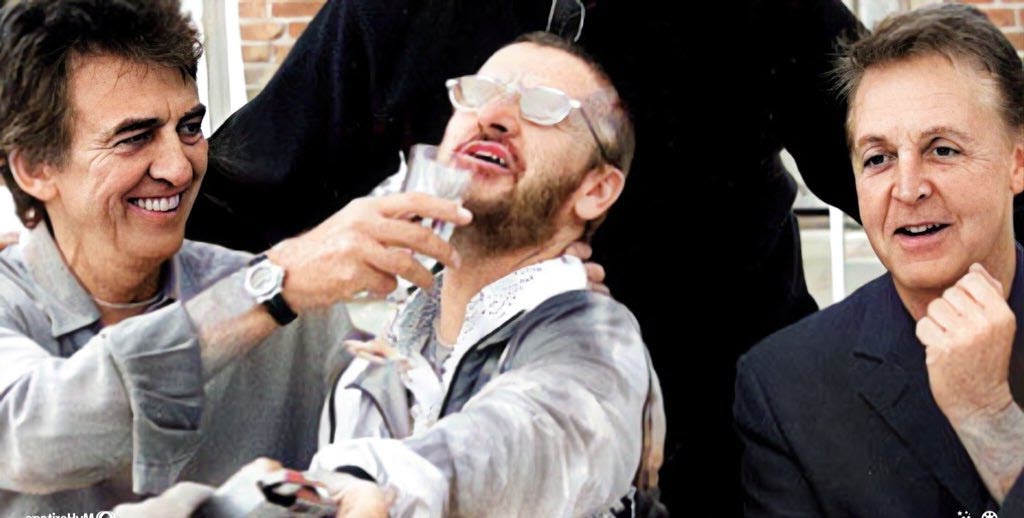
The Beatles, often hailed as the greatest band in history, revolutionized music and culture in the 1960s and beyond. Their innovative sound and timeless lyrics have captivated generations, leaving an indelible mark on the music landscape. From the infectious melodies of “Hey Jude” to the haunting harmonies of “Yesterday,” the Fab Four’s songs continue to resonate with fans old and new.
In this article, we dive into the top 10 most popular Beatles songs of all time, exploring the magic that made these tracks iconic. Each song tells a unique story, reflecting the band’s evolution from their early rock and roll roots to their experimental masterpieces. Whether you’re a lifelong Beatlemaniac or just discovering their music, these selections showcase the brilliance of John Lennon, Paul McCartney, George Harrison, and Ringo Starr.
Join us as we take a nostalgic journey through the melodies that defined a generation and continue to inspire artists today. Get ready to sing along and reminisce about the tracks that have become the soundtrack of countless lives. Let the countdown begin!
1. Hey Jude
Released in 1968, “Hey Jude” remains one of The Beatles’ most iconic and emotionally uplifting songs. Written by Paul McCartney for Julian Lennon during the emotional turbulence of his parents’ divorce, the song serves as a compassionate gesture—a musical embrace meant to bring comfort. What begins as a tender piano ballad gradually builds into a soaring anthem of encouragement and solidarity. The repetitive “na-na-na” chorus, which stretches for over four minutes, transforms the song into a communal experience, as if it were inviting the entire world to sing along and find healing together. McCartney’s soothing vocals and the gradual crescendo of instruments create a sense of catharsis, turning personal pain into universal hope. Its message is simple yet profound: even when things fall apart, it’s possible to take a sad song and make it better. Over the decades, “Hey Jude” has become more than just a song—it’s a source of comfort at difficult times, a staple at public gatherings, and a timeless reminder that kindness and empathy can go a long way. Its impact endures, not only because of its musical brilliance but also because of its emotional sincerity.
2. Let It Be
“Let It Be,” released in 1970, is perhaps The Beatles’ most spiritually resonant song. Paul McCartney wrote it after dreaming of his late mother, Mary, who comforted him with the now-iconic phrase “let it be.” Amid the band’s internal tensions and a world facing political unrest, the song offered a message of calm acceptance and inner peace. Its gentle piano-driven melody, paired with McCartney’s earnest vocals, provides a soothing balm for anxious hearts. The orchestral arrangement, while subtle, adds a layer of grandeur that elevates the track to hymn-like status. Its lyrics remind listeners that even in moments of sorrow or uncertainty, there is wisdom in trusting the process of life. The song doesn’t offer answers—it simply encourages stillness, faith, and grace. Over time, “Let It Be” has become a universal anthem for finding peace amidst chaos. It’s been played at funerals, weddings, vigils, and moments of both personal and collective reflection. More than just a farewell from a band on the brink of dissolution, it’s a lasting testament to the power of acceptance and the enduring beauty of hope.
3. Yesterday
“Yesterday,” which debuted in 1965, stands as one of the most poignant and universally beloved ballads ever written. Composed and performed by Paul McCartney with a string quartet accompaniment, the song departs from The Beatles’ usual rock sound and enters a realm of introspective melancholy. It tells the story of love lost and the aching realization that things can never return to the way they were. With just an acoustic guitar and McCartney’s tender voice, the emotional weight of the lyrics becomes all the more profound. The line “Why she had to go, I don’t know, she wouldn’t say” captures the confusion and regret that often follow heartbreak. Despite its simplicity, the song strikes a deeply emotional chord that resonates with listeners across generations. It’s no surprise that “Yesterday” has become one of the most covered songs in music history, transcending language and cultural barriers. Its timelessness lies in its ability to articulate a universal feeling—grief over what’s been lost and the quiet hope that memory can preserve beauty, even in absence. To this day, “Yesterday” continues to move hearts with its elegant sadness.
4. A Hard Day’s Night
Released in 1964 as both a single and the title track to The Beatles’ first feature film, “A Hard Day’s Night” encapsulates the thrill and chaos of their early fame. The song kicks off with one of the most instantly recognizable guitar chords in rock history—a jarring, ringing sound that sets the tone for the exuberant rush to follow. Lyrically, the track captures the feeling of relief and joy that comes after a long day’s work, especially when it ends in the arms of someone you love. With its driving beat, punchy guitar riffs, and the infectious blend of John Lennon’s lead vocals and Paul McCartney’s harmonies, the song is pure kinetic energy. It also reflects the band’s evolving lyrical wit and ability to blend personal sentiment with mass appeal. As the soundtrack to their breakthrough film, it helped solidify The Beatles’ image as charming, witty, and unstoppable cultural icons. “A Hard Day’s Night” isn’t just a catchy tune—it’s a time capsule of Beatlemania, capturing the electric charm of four young musicians on the cusp of global domination.
5. Come Together
“Come Together,” released in 1969 on the Abbey Road album, is one of The Beatles’ most enigmatic and groove-heavy tracks. Originally written by John Lennon for a political campaign, the song quickly transformed into a surreal, blues-infused anthem that oozes cool. From the very first bass line—thick, slinky, and unforgettable—the track pulls listeners into a shadowy world filled with strange characters and cryptic wordplay. Lennon’s vocal delivery is laid-back and hypnotic, practically dripping with swagger, while the band’s tight rhythm and experimental studio techniques add layers of texture. Though the lyrics defy straightforward interpretation, they create a mood of unity and rebellion, suggesting a call for people to unite despite their differences. The track became emblematic of The Beatles’ more psychedelic, exploratory phase and showcased their ability to innovate while still crafting a hit. “Come Together” remains a favorite for its infectious rhythm, mysterious aura, and unique atmosphere. It’s a masterclass in minimalist funk-rock and a prime example of how the band could reinvent their sound without losing their essence. Decades later, the song still commands attention and gets audiences moving—body and mind.
6. Help!
Released in 1965, “Help!” marked a pivotal moment in The Beatles’ career—both musically and personally. On the surface, it’s a bright, upbeat pop song, propelled by jangly guitars and catchy harmonies. But beneath that energetic exterior lies a deeper emotional cry from John Lennon, who later admitted the song was a genuine call for support during a period of intense pressure and insecurity. As the band’s fame skyrocketed, Lennon found himself overwhelmed by the demands of celebrity life, and “Help!” became his honest response to the chaos. The contrast between the music’s cheerful tempo and the vulnerability in the lyrics makes the track incredibly compelling. With lines like “I’m not so self-assured” and “Now I find I’ve changed my mind,” Lennon opens up about the disorientation of rapid success. “Help!” also signaled the band’s transition from light-hearted pop to more introspective and mature songwriting. It’s a turning point in their discography, where authenticity and artistry begin to merge more deeply. The song continues to resonate because it reminds us that even those who seem to have it all sometimes need someone to lean on. It’s an anthem for anyone who’s ever felt lost but didn’t know how to say it.
7. Something
“Something,” released in 1969 as part of the Abbey Road album, is George Harrison’s magnum opus and a stunning testament to his growth as a songwriter. Often regarded as one of the greatest love songs of all time, “Something” beautifully captures the indescribable nature of deep romantic affection. Harrison’s lyrics are simple yet profound—he doesn’t try to define love; instead, he marvels at its mystery. The line “Something in the way she moves attracts me like no other lover” has become iconic for its poetic subtlety. Musically, the song is lush and elegant, featuring a graceful guitar solo and a gentle, almost dreamlike arrangement. Unlike some of The Beatles’ more complex compositions, “Something” finds its strength in restraint, allowing emotion to shine through every note. It was so admired that even Frank Sinatra called it the greatest love song ever written. This track gave Harrison his long-deserved moment in the spotlight and helped elevate him from the “quiet Beatle” to a respected voice in his own right. “Something” is timeless—not only for its romantic sentiment but for the way it encapsulates the power of love without needing to say too much.
8. Here Comes the Sun
Released in 1969 on Abbey Road, “Here Comes the Sun” is one of the most uplifting and beloved tracks in The Beatles’ catalog. Written by George Harrison during a period of personal and professional stress, the song radiates warmth and relief like the first bright morning after a long, cold winter. Harrison penned it while visiting his friend Eric Clapton’s garden, trying to escape the pressures of business meetings and the band’s inner tensions. The result was a gentle, radiant tune that celebrates the simple joy of renewal and hope. Its acoustic guitar riff is instantly recognizable—cheerful, intricate, and inviting. The lyrics, with their repetition of “It’s all right,” feel like a soothing mantra, reassuring listeners that better days are just around the corner. Backed by subtle orchestration and layered harmonies, the song captures the spirit of optimism with grace and clarity. Over the decades, “Here Comes the Sun” has become more than just a song—it’s a symbol of perseverance, often used to mark new beginnings and moments of joy. Whether it’s the start of spring or a personal breakthrough, this track continues to light the way with its timeless message of hope.
9. All You Need Is Love
Released in 1967 during the height of the Summer of Love, “All You Need Is Love” is a bold and beautiful declaration of universal peace and unity. Commissioned for the first live global television broadcast, Our World, the song was The Beatles’ way of sending a message of harmony across borders and cultures. With its simple, repetitive chorus—“All you need is love”—John Lennon crafted a slogan that resonated with the idealism of the era. But beneath its apparent simplicity lies a clever composition, blending orchestral flourishes, brass fanfare, and unexpected musical quotes (like “La Marseillaise” and a nod to earlier Beatles songs). The arrangement showcases the band’s creative genius and sense of fun, while the lyrics serve as both a protest and a prescription. Lennon’s vocal is both sincere and coolly detached, as if he’s stating a truth that’s obvious yet often forgotten. This track isn’t just a song—it’s a statement, a cultural artifact, and a musical banner waved in the name of love over conflict. Decades later, its message remains as timely as ever. In a complicated world, “All You Need Is Love” is a reminder of what truly matters.
10. Twist and Shout
“Twist and Shout,” released in 1963 on Please Please Me, is The Beatles at their most raw, wild, and electrifying. Though originally recorded by The Top Notes and made famous by The Isley Brothers, it was The Beatles—specifically John Lennon—who turned the song into an absolute phenomenon. Recorded at the very end of a grueling session, Lennon’s vocals are shredded, raspy, and completely unforgettable. That unpolished intensity gave the track a sense of urgency and authenticity that lit a fire under the British Invasion. With its pounding rhythm, explosive chorus, and irresistible call to dance, “Twist and Shout” captured the uncontainable spirit of early Beatlemania. It wasn’t about poetic lyrics or deep meaning—it was about energy, freedom, and pure musical joy. Audiences couldn’t help but scream, shout, and twist along. The song became a staple of their live performances and still gets crowds dancing today. It also stands as a perfect snapshot of The Beatles’ youthful exuberance before fame matured them into more introspective artists. “Twist and Shout” reminds us of rock and roll’s power to move both bodies and souls—no polish necessary.

Edward Tomlin is a frequent contributor to Singers Room. Since 2005, Singersroom has been the voice of R&B around the world. Connect with us via social media below.









