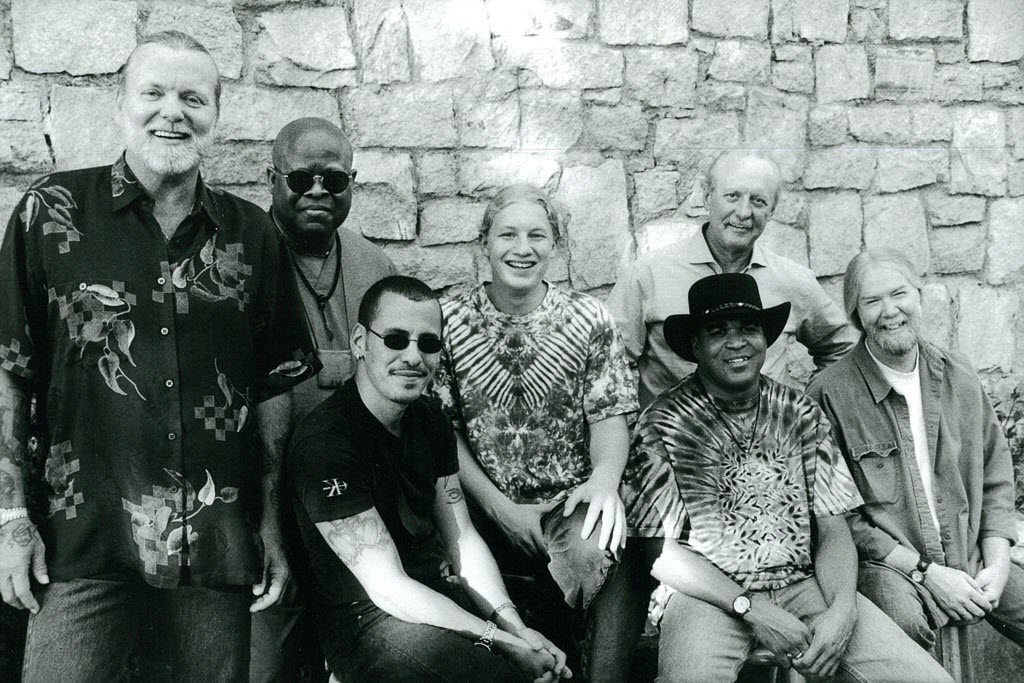
The Allman Brothers Band, a cornerstone of Southern rock, has left an indelible mark on the music world with their intricate melodies, soulful improvisation, and electrifying performances. With a career spanning over five decades, their unique blend of rock, blues, and jazz has captivated generations of fans. From their groundbreaking debut album to their legendary live shows, the band has produced a treasure trove of unforgettable tracks that continue to resonate with music lovers today.
In this article, we delve into the top 10 most popular songs by The Allman Brothers Band, celebrating the timeless classics that defined a genre and influenced countless artists. Each song on this list showcases the band’s remarkable musicianship, featuring soaring guitar solos, heartfelt lyrics, and the signature dual guitar harmonies of Duane Allman and Dickey Betts. Whether you’re a lifelong fan or new to their sound, prepare to be transported through the rich history and emotional depth of their music. Join us as we journey through the iconic tracks that have solidified The Allman Brothers Band’s legacy as one of the greatest rock bands of all time. Get ready to relive the magic!
1. “Ramblin’ Man” (1973)
“Ramblin’ Man” is more than just a song—it’s a declaration of independence, a heartfelt ode to the wandering spirit. Released in 1973, it became one of the Allman Brothers Band’s most commercially successful tracks and remains a defining Southern rock anthem. With its smooth blend of country twang and bluesy rock, the song paints a vivid picture of a man born to move, never tied down for too long. Dickey Betts wrote it as a tribute to his own father, but its lyrics resonate broadly with anyone who’s ever felt that pull to roam. “Lord, I was born a ramblin’ man” isn’t just a catchy hook—it’s a life philosophy. The track’s laid-back rhythm, melodic guitar licks, and Betts’ warm, twangy vocals perfectly capture the bittersweet feeling of living life on the road. Greg Allman’s organ fills and the dual guitar work give the song a rich, full sound that’s unmistakably Allman Brothers. Even decades after its release, “Ramblin’ Man” continues to stir something deep in listeners—the longing for freedom, the ache of goodbye, and the joy of the journey itself. It’s a timeless tribute to those who choose the highway over the hometown.
2. “Jessica” (1973)
“Jessica” is a joyful explosion of sound and movement, a pure instrumental that somehow says more without words than many songs do with them. Released in 1973 and written by guitarist Dickey Betts, the track was named after his daughter and reflects the exuberance and innocence of youth. It opens with a bright, instantly recognizable guitar riff that sets the tone for an upbeat musical journey full of soaring harmonies and intricate transitions. What makes “Jessica” so enduring is its ability to blend technical mastery with sheer fun—each musician contributes something unique, but it never feels self-indulgent. The twin guitar lines dance effortlessly around each other, while the rhythm section lays down a groove that keeps everything moving forward with confidence and warmth. Clocking in at over seven minutes, “Jessica” still feels light on its feet. It’s the kind of song that makes you want to roll down the windows and just drive. Over the years, it’s become a staple at sports events, road trips, and family gatherings—any moment that calls for celebration. “Jessica” is proof that music doesn’t need lyrics to stir the soul or lift the spirit. It’s musical sunshine.
3. “Whipping Post” (1969)
“Whipping Post” is the Allman Brothers Band at their rawest, most emotionally exposed, and musically daring. Released in 1969 on their debut album, the song quickly became a cornerstone of their live performances, often stretching into 20-minute-plus jams filled with intensity and improvisation. It begins with one of the most recognizable bass riffs in rock history—an ominous, driving pattern that sets the stage for what’s to come. Greg Allman’s anguished vocals come in hard, lamenting betrayal and heartbreak with lines like “Sometimes I feel like I’ve been tied to the whipping post.” The emotion in his voice is palpable, almost painful. Musically, the band builds around his despair with powerful guitar solos, shifting time signatures, and climactic crescendos that draw from blues, jazz, and psychedelic rock. The interplay between Duane Allman and Dickey Betts on guitar is electrifying, while the rhythm section keeps everything anchored through the chaos. “Whipping Post” isn’t just a song—it’s a cathartic release, a wail of frustration that connects deeply with anyone who’s felt trapped or tormented by love. It remains one of the most intense and thrilling experiences in the Allman Brothers’ catalog, especially in its legendary live form.
4. “Midnight Rider” (1970)
“Midnight Rider” is a haunting and evocative track that perfectly captures the spirit of solitude and determination. Released in 1970 on the album Idlewild South, the song sees Gregg Allman in top form, delivering one of his most soulful and memorable vocal performances. Built around a moody acoustic guitar riff and a sparse arrangement, “Midnight Rider” feels like a song you’d hear echoing through the darkness on a lonely stretch of highway. The lyrics speak of evasion and resilience—“I’ve gone past the point of caring, some old bed I’ll soon be sharing”—painting the portrait of a man constantly on the move, haunted by something he can’t outrun. The song’s atmosphere is rich with tension and resolve, making it both melancholy and empowering. It’s not just a story about running; it’s about surviving. The minimalist production leaves room for emotion to breathe, allowing the listener to truly absorb the pain and grit in every line. Over time, “Midnight Rider” has become one of the band’s most beloved songs and a touchstone of Southern rock storytelling. It’s the sound of a man who knows the road is hard—but still rides into the night.
5. “Statesboro Blues” (1971)
“Statesboro Blues” is a fiery reimagining of a Delta blues classic that shows off the Allman Brothers Band’s deep roots in Southern tradition and their unmatched ability to bring the past roaring into the present. Originally written by Blind Willie McTell in the 1920s, the song was given new life on the 1971 At Fillmore East live album, where it became one of the definitive Allman Brothers tracks. From the moment Duane Allman rips into the opening slide guitar riff, you know you’re in for something electrifying. His playing on this track is nothing short of legendary—fluid, expressive, and completely commanding. Gregg Allman’s gritty vocals deliver the blues lyrics with just the right amount of attitude and heartache, making the song feel both authentic and revitalized. The rhythm section keeps the energy high, and the band plays with such tightness and passion that the live performance feels spontaneous and explosive. “Statesboro Blues” is a masterclass in how to take traditional material and make it your own. It’s a staple of blues-rock and one of the clearest examples of the Allman Brothers’ ability to bridge genres, honor their influences, and still sound like nothing but themselves.
6. “In Memory of Elizabeth Reed” (1970)
“In Memory of Elizabeth Reed” stands as one of the Allman Brothers Band’s most ambitious and mesmerizing compositions. Released in 1970 on their Idlewild South album, this instrumental piece showcases the group’s uncanny ability to fuse jazz, blues, and rock into a seamless musical journey. Written by guitarist Dickey Betts and named after a headstone he spotted in a Macon, Georgia cemetery, the song has a mysterious, almost cinematic quality. From the opening guitar lines, it draws listeners into a world of fluid melodies and dynamic shifts. The guitars of Betts and Duane Allman intertwine with remarkable grace, while the rhythm section, anchored by Berry Oakley on bass and Butch Trucks and Jaimoe on drums, provides a pulsing, ever-shifting foundation. Each performance of this piece—especially in live settings—offers something new, with extended solos and spontaneous improvisations. It’s not just a song; it’s an evolving conversation among musicians. The beauty of “Elizabeth Reed” lies in its ability to transport listeners without saying a word. It’s haunting, complex, and deeply emotional, showing the band’s incredible range and musicianship. For many fans, this song is the ultimate expression of the Allman Brothers’ creative vision.
7. “Melissa” (1972)
“Melissa” is a beautifully tender song that showcases a softer, more introspective side of the Allman Brothers Band. Released in 1972 on the album Eat a Peach, this ballad was a long-cherished favorite of Gregg Allman, who penned it years earlier but held off on recording it until the right moment. The track is built around a gentle acoustic guitar progression and features one of Gregg’s most soulful and heartfelt vocal performances. The lyrics tell the story of a wandering man and the woman he can’t forget—“the gypsy flies from coast to coast, knowing many, loving none.” It’s a song about longing, distance, and the pain of a love that lingers even as life moves on. The arrangement is stripped down, allowing the emotion in Gregg’s voice and the delicate instrumentation to shine. There’s a quiet strength in “Melissa” that resonates deeply with listeners, especially those who have experienced love lost to time or circumstance. It’s become one of the band’s most beloved tracks and a standout in their catalog for its emotional clarity and simplicity. “Melissa” proves that sometimes the softest songs carry the most weight.
8. “Ain’t Wastin’ Time No More” (1972)
“Ain’t Wastin’ Time No More” is a moving anthem of resilience and renewal, released in 1972 as the opening track of the Eat a Peach album. Written by Gregg Allman in the wake of his brother Duane’s tragic death, the song carries the weight of grief but also the determination to keep pressing forward. Its lyrics speak of learning from the past and not dwelling on sorrow—“you don’t need no gypsy to tell you why, you can’t let one precious day slip by.” The melody is upbeat and catchy, with a lively piano and slide guitar leading the way, giving the track an optimistic feel despite its heavy backstory. Gregg’s vocals are full of conviction, as if he’s singing directly to the listener, urging them to live fully in the present. The band rallies behind him with an energetic performance that mixes soul, blues, and Southern rock into a seamless whole. “Ain’t Wastin’ Time No More” is a tribute to moving on with grace and courage, a reminder that life doesn’t stop for loss—but that it’s up to us to make it count. It’s both a farewell and a fresh beginning.
9. “You Don’t Love Me” (1970)
“You Don’t Love Me” is a fiery blues-rock track that channels heartache into pure, electrifying energy. Originally written and recorded by Willie Cobbs, the Allman Brothers Band made it their own in a scorching live version featured on the 1971 At Fillmore East album. This extended jam is a masterclass in musical chemistry and emotional expression, driven by explosive guitar solos, pounding rhythms, and Gregg Allman’s impassioned vocals. From the opening notes, the band dives into a raw, unfiltered groove that captures the sting of unrequited love. Duane Allman’s slide guitar work is particularly stunning here—expressive, fast, and soulful—turning pain into art with every note. The song evolves into a lengthy, improvisational showcase where each member gets room to stretch out, building tension and release in waves. The live version in particular shows the band at the height of their powers, feeding off each other and the energy of the crowd. “You Don’t Love Me” is more than just a cover—it’s a musical eruption, a cry of frustration and defiance that resonates deeply. It’s the kind of song that reminds you why the Allman Brothers were such a force on stage.
10. “Hot ‘Lanta” (1971)
“Hot ‘Lanta” is a bold and dynamic instrumental that captures the spirit of the Southern city it’s named after—Atlanta, Georgia. Released on the landmark live album At Fillmore East in 1971, this track is a perfect example of the Allman Brothers Band’s ability to blend structure with improvisation. It opens with a powerful drum pattern before diving into a tight, funky groove, anchored by Berry Oakley’s driving bass line. From there, the song unfolds in a series of layered movements, showcasing the group’s virtuosity and adventurousness. The guitars of Duane Allman and Dickey Betts lead the charge, weaving in and out of each other with dazzling speed and finesse. Meanwhile, Gregg Allman’s organ provides a swirling backdrop that adds depth and atmosphere. “Hot ‘Lanta” feels like a journey through a vibrant city—filled with turns, stops, and bursts of chaotic brilliance. It’s one of those songs that thrives in a live setting, where the band can stretch it out and feed off the crowd’s energy. At just under six minutes, it’s a compact but thrilling ride that highlights the band’s jazz-rock influences. “Hot ‘Lanta” remains a fiery tribute to the South and a showcase of the band’s creative fire.

Edward Tomlin is a frequent contributor to Singers Room. Since 2005, Singersroom has been the voice of R&B around the world. Connect with us via social media below.









