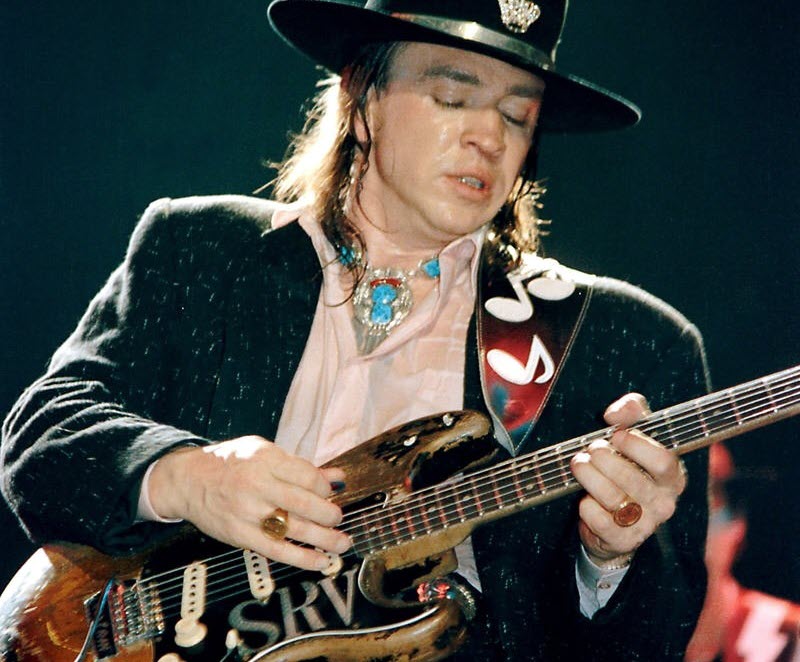
Stevie Ray Vaughan, the legendary Texas blues guitarist, left an indelible mark on the music world with his electrifying performances and soulful sound. Blending elements of blues, rock, and jazz, Vaughan’s style redefined the genre and inspired countless musicians. With a career that skyrocketed in the 1980s, his raw energy and unmatched guitar skills captivated audiences and earned him a dedicated fan base.
In this article, we delve into the top 10 most popular Stevie Ray Vaughan songs of all time. Each track showcases his extraordinary talent, from heart-wrenching ballads to high-octane anthems. Whether you’re a lifelong fan or new to his music, these selections highlight the essence of Vaughan’s artistry—his ability to convey deep emotion through powerful riffs and poignant lyrics.
Join us as we explore the songs that not only define his legacy but also continue to resonate with listeners today. Get ready to experience the magic of Stevie Ray Vaughan, a true guitar virtuoso whose music transcends time and genre. From “Pride and Joy” to “Texas Flood,” each song is a testament to his brilliance and passion, solidifying his place as one of the greatest musicians of all time.
1. Pride and Joy (1983)
“Pride and Joy,” released in 1983 on Stevie Ray Vaughan’s debut album Texas Flood, is the perfect showcase of his explosive guitar talent and passionate vocal delivery. Right from the first few notes, the song’s driving shuffle rhythm grabs hold of you and doesn’t let go. It’s a vibrant blend of Texas blues and rock, brimming with energy and raw emotion. Lyrically, it’s a straightforward love song—Vaughan celebrates his relationship with unwavering affection, referring to his partner as his “sweet little thang” and “pride and joy.” But what makes the track unforgettable is the way he says it with his guitar.
Each solo crackles with life, filled with sharp bends, fierce slides, and a confident swagger that became Vaughan’s signature. The interplay between his voice and instrument feels like a conversation between heart and soul, emphasizing the sincerity of his love. While the structure is rooted in classic blues, Vaughan injects it with a freshness that made it instantly appealing to a wide audience. “Pride and Joy” is more than just a standout blues number—it’s a declaration of style and spirit that helped launch Vaughan’s career and solidify his place among guitar greats.
2. Texas Flood (1983)
“Texas Flood,” the powerful title track from Stevie Ray Vaughan’s 1983 debut album, is an emotional storm set to blues. Clocking in at over five minutes, the song opens slowly, like gathering thunderclouds, before building into a heart-wrenching tale of pain and isolation. The lyrics speak of a man stranded in a metaphorical and literal flood, where everything around him is falling apart and love has seemingly washed away. It’s the kind of song that doesn’t just tell a story—it drags you into the middle of it.
Vaughan’s guitar playing is the centerpiece here. His phrasing is patient and expressive, each note carefully bent to wring out as much feeling as possible. The slow tempo gives him space to explore the emotional landscape, and he takes full advantage, weaving in licks that moan, scream, and sob with the kind of intensity only a true bluesman can deliver.
What really makes “Texas Flood” special is its authenticity. Vaughan doesn’t just perform the blues—he lives it in every chord. The song helped define his reputation as a blues revivalist and guitar virtuoso. To this day, it remains a cornerstone of his legacy, revered for its raw power and soul-bearing honesty.
3. Little Wing (1991)
Stevie Ray Vaughan’s version of “Little Wing,” released posthumously in 1991 on The Sky Is Crying, is a breathtaking tribute to his idol, Jimi Hendrix. But this isn’t a simple cover—it’s a reimagining that transforms the song into something uniquely Vaughan’s. Clocking in at over six minutes, this instrumental version speaks volumes without ever needing lyrics. Vaughan turns the song into a sweeping, emotional journey that captures the delicate beauty and aching melancholy Hendrix originally crafted, while adding his own intense, personal touch.
From the opening notes, Vaughan’s guitar floats gently, like wings catching a breeze. His touch is so sensitive and expressive that the guitar seems to sing. Each phrase is filled with feeling—long, weeping bends, softly picked harmonics, and swirling runs that seem to dance in the air. It’s less a technical showcase and more an emotional expression, a whispered conversation between Vaughan and the spirit of the song.
“Little Wing” showcases Vaughan’s incredible ability to channel emotion through his instrument. It’s a heartfelt homage that honors Hendrix while also solidifying Vaughan’s place in the pantheon of guitar legends. For many fans, this track is one of Vaughan’s most beautiful and soul-stirring performances.
4. Scuttle Buttin’ (1984)
“Scuttle Buttin’,” from Stevie Ray Vaughan’s 1984 album Couldn’t Stand the Weather, is an electrifying burst of guitar wizardry packed into less than two minutes. This fiery instrumental track is a whirlwind of speed, precision, and sheer excitement—designed to show just how fast and fluid Vaughan could be with a Stratocaster in his hands. With no vocals to distract, the spotlight falls squarely on his fretboard mastery.
The song races out of the gate with a relentless boogie rhythm, and Vaughan tears through lightning-fast licks with astonishing control. Despite the rapid tempo, every note is clean, intentional, and brimming with swagger. The influence of Texas blues and rockabilly is clear in the upbeat shuffle and finger-flying runs that pay homage to guitar heroes like Albert Collins and Lonnie Mack, yet it’s unmistakably Vaughan in tone and attitude.
“Scuttle Buttin’” isn’t just a technical exercise—it’s a joyride. It captures the excitement of live performance, the rush of adrenaline, and the sheer fun of watching a master at work. It’s a fan favorite not because of its complexity alone, but because it makes you feel like you’re on a speeding train driven by the blues. And with Vaughan at the wheel, there’s no derailment—just pure fire.
5. Change It (1984)
“Change It,” released in 1984 on Couldn’t Stand the Weather, is a song that blends gritty blues rock with a deeper message about personal growth. Written by Doyle Bramhall and performed with conviction by Stevie Ray Vaughan, this track steps into the territory of reflection and responsibility. At its core, the song is about recognizing the need for change and taking control of your own life rather than blaming others or fate.
Vaughan delivers the lyrics with soulful urgency, making it clear that the message isn’t just theoretical—it’s personal. “You can’t change it if you don’t try,” he sings, driving home the idea that transformation begins with effort. His guitar solos are intense yet measured, echoing the emotion in his voice and reinforcing the song’s serious tone. It’s not a flashy piece, but one that smolders with meaning.
The groove is smooth and steady, allowing Vaughan’s bluesy phrasing and Bramhall’s lyrical depth to shine together. “Change It” stands out as a moment in Vaughan’s catalog where introspection meets inspiration. It’s a reminder that blues isn’t just about heartbreak—it’s also about hope and the power to shape your destiny. For listeners, it’s both a jam and a gentle wake-up call.
6. Voodoo Child (Slight Return) (1984)
Stevie Ray Vaughan’s rendition of “Voodoo Child (Slight Return),” featured on his 1984 album Couldn’t Stand the Weather, is a fiery, unapologetic tribute to Jimi Hendrix—one of his greatest influences. Vaughan doesn’t just cover this iconic track; he takes it, spins it through his Texas blues lens, and breathes new life into it with his signature intensity. From the very first wah-drenched notes, you know you’re in for something special. It’s loud, raw, and unapologetically bold.
What makes Vaughan’s version stand out isn’t just his technical skill, though that’s certainly impressive. It’s the emotional weight behind every note. His guitar roars and wails like a storm, filled with wild bends, ferocious runs, and sonic punches that feel almost primal. It’s as if he’s having a conversation with Hendrix across time, trading licks and energy.
The rhythm section lays down a rock-solid foundation while Vaughan unleashes a torrent of sound. It’s electric blues at its most powerful, a showcase of what happens when reverence meets reinvention. “Voodoo Child” isn’t just a cover—it’s a celebration of guitar heroism and a bold declaration that Stevie Ray Vaughan could stand toe-to-toe with the best, all while staying true to his roots.
7. The House Is Rockin’ (1989)
Released in 1989 on the In Step album, “The House Is Rockin’” is pure, unfiltered fun from start to finish. It’s an adrenaline-fueled celebration of music’s power to lift spirits and get people moving. The track bursts in like a party already in full swing—fast, loud, and full of swagger. At just over two minutes, it’s a short but exhilarating ride, packed with boogie-woogie rhythms, rollicking piano fills, and Vaughan’s signature blues guitar licks.
Lyrically, it’s all about cutting loose and having a good time—“Everybody’s snappin’, fingers tappin’, I said this joint’s jumpin’”—and the instrumentation matches that mood perfectly. Vaughan’s guitar dances joyfully over the beat, driving the momentum forward with playful riffs and sharp solos. It’s a rare track that’s as fun to listen to as it clearly was to record.
Beyond its surface-level excitement, “The House Is Rockin’” also carries a deeper context. Recorded after Vaughan’s recovery from addiction, the In Step album marked a personal triumph for him, and this song reflects that sense of renewed energy and joy. It’s not just a party anthem—it’s a celebration of life, resilience, and the enduring joy of music done right.
8. Cold Shot (1984)
“Cold Shot,” one of the standout tracks from Stevie Ray Vaughan’s 1984 album Couldn’t Stand the Weather, tells a tale as old as blues itself—love gone cold. With its sly lyrics and laid-back shuffle, the song paints a picture of a once-hot relationship turned icy. Vaughan’s delivery is cool and confident, blending humor with heartache, making the song as entertaining as it is emotionally resonant.
Musically, the track features a tight, mid-tempo groove built on a classic blues progression. The rhythm section provides a smooth foundation, allowing Vaughan’s guitar to shine with tasteful licks and biting tone. He doesn’t overplay here—instead, he lets the song breathe, using restraint to his advantage. Every solo is carefully crafted, adding layers of mood without overwhelming the melody.
The real magic of “Cold Shot” lies in its balance. It’s equal parts playful and poignant, sarcastic and sincere. Vaughan’s vocals carry just enough attitude to bring the lyrics to life, while his guitar does the talking between the lines. It’s the kind of blues song that sticks with you—not just for its catchy hook, but for its relatable story and the effortless cool that Vaughan brings to every bar.
9. Lookin’ Out the Window (1986)
“Lookin’ Out the Window,” featured on Stevie Ray Vaughan’s 1986 album Soul to Soul, is a soulful meditation wrapped in smooth blues rock. The song captures that feeling of quiet longing—the kind that hits when you’re sitting still, reflecting on life and everything that might have been. With its easy tempo and introspective mood, the track invites listeners into a more vulnerable and personal space.
The lyrics speak of weariness and waiting, as if the narrator is caught between hope and despair. Vaughan’s voice carries that emotional weight effortlessly, delivering each line with a heartfelt sincerity. His guitar work, as always, is expressive and evocative—more restrained than usual, but no less powerful. Each note feels like a thought left unsaid, adding to the track’s meditative feel.
“Lookin’ Out the Window” stands out in Vaughan’s catalog because of its subtlety. It’s not flashy or fast—it’s reflective and real. It showcases the depth of his artistry, reminding us that he wasn’t just a shredder; he was a storyteller. For fans of blues who appreciate the quiet moments as much as the explosive ones, this song is a gem—understated, soulful, and deeply moving.
10. Life by the Drop (1991)
“Life by the Drop,” released posthumously in 1991 on The Sky Is Crying, is one of Stevie Ray Vaughan’s most intimate and poignant songs. Unlike much of his electric blues catalog, this track is performed acoustically, giving it a raw, unfiltered quality that feels deeply personal. Written by his longtime friend Doyle Bramhall, the song reflects on the past, sobriety, and the fragility of life.
With its gentle rhythm and warm, earthy tone, “Life by the Drop” feels like a heartfelt conversation. Vaughan’s voice carries a reflective tone as he sings about friendship, regret, and redemption. The lyrics—“Hello there, my old friend / Not so long ago, it was till the end”—hit especially hard considering the song was released after his tragic death. It’s a quiet, humble farewell, filled with gratitude and honesty.
Vaughan’s guitar playing, though unplugged, is as articulate and soulful as ever. Each chord rings with clarity and feeling, demonstrating his ability to say so much with just a few notes. “Life by the Drop” is a beautiful conclusion to his recorded legacy—a reminder that even the blues, with all its pain, can be full of grace, memory, and peace.

Edward Tomlin is a frequent contributor to Singers Room. Since 2005, Singersroom has been the voice of R&B around the world. Connect with us via social media below.









