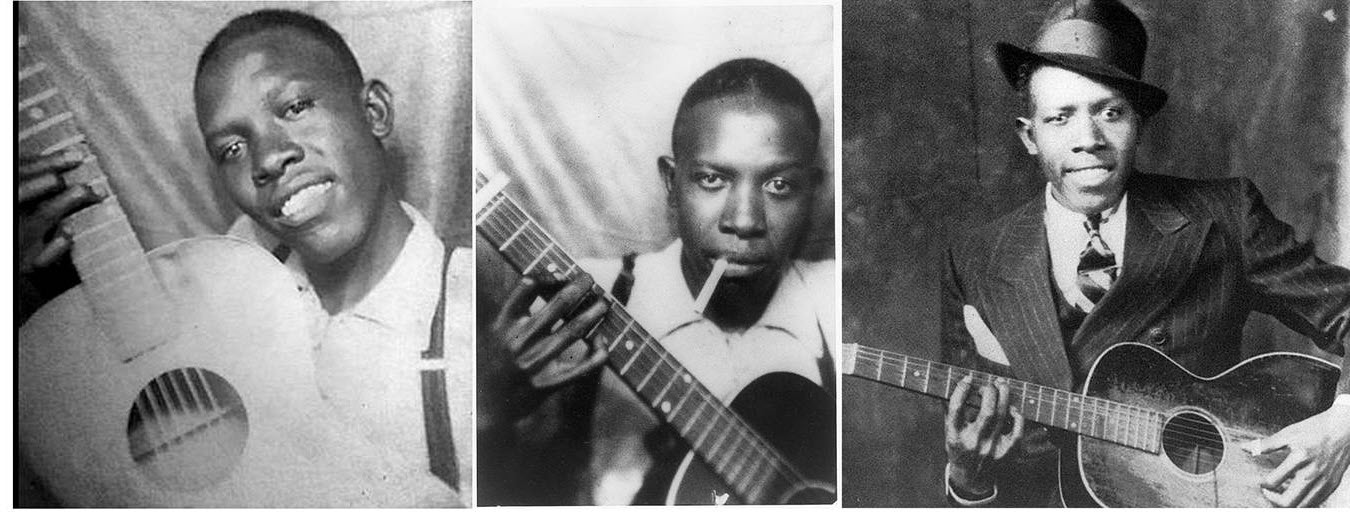
Step into the world of blues legend Robert Johnson, a musical pioneer whose haunting melodies and profound lyrics continue to resonate through the ages. Born in 1911, Johnson’s brief but impactful career laid the foundation for countless artists across genres, from rock to jazz. His enigmatic life story, rife with tales of crossroads deals and supernatural mastery, adds to the mystique surrounding his music.
In this article, we delve into the top 10 most popular Robert Johnson songs, each a gem that showcases his unparalleled guitar skills and emotive storytelling. From the heart-wrenching “Love in Vain” to the electrifying “Cross Road Blues,” Johnson’s tracks are imbued with raw emotion and a sense of longing that captivates listeners even today. His innovative blend of Delta blues and personal experience not only transformed the genre but also influenced legendary musicians like Eric Clapton and The Rolling Stones.
Join us as we explore the timeless brilliance of Robert Johnson, celebrating the songs that have secured his place as a cornerstone of American music. Get ready to rediscover the magic of the man who famously “sold his soul to the devil,” and find out which tracks made our top 10 list!
1. Cross Road Blues (1936)
“Cross Road Blues” is more than just a foundational blues track—it’s a mythic journey into the soul of Robert Johnson. Recorded in 1936, the song uses the image of a lonely crossroads as a metaphor for life’s defining decisions, spiritual conflict, and even mortality. Johnson’s sparse but gripping slide guitar work provides an eerie backdrop to his anguished voice, drawing the listener into a world filled with uncertainty and longing. His vocals carry a raw intensity that speaks of being lost, seeking direction, and bargaining for something greater—possibly even with the devil, a theme that later shaped the legend around him. The crossroads, in Johnson’s hands, becomes a deeply symbolic place where fear, hope, and fate collide. It’s a song drenched in mystery and emotion, and its haunting mood continues to fascinate musicians and scholars alike. “Cross Road Blues” laid the groundwork for countless blues and rock artists, from Eric Clapton to the Rolling Stones, each drawn to its timeless story and evocative power. It endures not only because of its craftsmanship but because it taps into something universal—the human desire for meaning at the turning points of life.
2. Hellhound on My Trail (1937)
“Hellhound on My Trail” is a chilling dive into fear, paranoia, and relentless pursuit. Released in 1937, it’s one of Robert Johnson’s most haunting pieces, capturing a sense of dread that feels almost supernatural. With lyrics that speak of being hunted—literally and spiritually—by unseen forces, Johnson creates a visceral experience. The “hellhound” becomes a metaphor for inescapable sorrow, guilt, or fate itself. His singing is raw, almost trembling at times, as if he’s not just telling a story but reliving it with every word. His guitar playing is eerie and hypnotic, mirroring the creeping tension of the lyrics. Johnson weaves a narrative where even the open road offers no refuge, and the past is always close behind. It’s blues at its most existential, a song that doesn’t just express emotion—it immerses the listener in it. This track has long been a touchstone for blues aficionados and rock musicians alike, admired for its lyrical depth and emotional honesty. “Hellhound on My Trail” stands as a powerful example of the blues as both art and confession, revealing Johnson’s genius for turning inner torment into unforgettable music.
3. Sweet Home Chicago (1936)
“Sweet Home Chicago” is Robert Johnson’s joyful and infectious ode to the allure of escape and new beginnings. Recorded in 1936, this song became one of the most enduring blues anthems of all time. With its upbeat tempo and rolling guitar riffs, it instantly pulls you into its celebratory rhythm. Johnson’s lyrics speak of leaving troubles behind and heading to Chicago—a symbol of opportunity, freedom, and the promise of a better life. The song’s call-and-response style adds to its communal feel, making it a staple at live performances and jam sessions across generations. While the tune is lighthearted on the surface, there’s also an undercurrent of longing, a desire to find a place where things finally fall into place. The imagery of travel and movement echoes the themes of the Great Migration, resonating with countless African Americans seeking new lives up North. Musically, “Sweet Home Chicago” blends country blues with urban flair, laying the groundwork for electric blues in the decades to come. Johnson’s version set the standard, but countless artists—from Magic Sam to Eric Clapton—have kept it alive, each one drawn to its timeless groove and hopeful spirit.
4. Love in Vain (1937)
“Love in Vain” is a soul-wrenching ballad that reveals Robert Johnson at his most vulnerable. Recorded in 1937, it’s a slow, mournful reflection on unrequited love and emotional devastation. Johnson’s plaintive vocals carry a quiet desperation, and his guitar work—gentle, yet full of nuance—matches the aching sorrow in every line. The lyrics are stark but evocative: watching a lover depart on a train, Johnson captures the stillness and helplessness that comes with heartbreak. There’s a sense of resignation in his voice, as if he knows the love he’s chasing is already gone. Unlike some of his other, more defiant tracks, “Love in Vain” feels stripped down to pure emotional truth. It’s blues in its most distilled form—an honest cry from the soul. The song became even more famous when the Rolling Stones covered it decades later, introducing Johnson’s emotional genius to a new generation. But it’s the original that holds the deepest power, a quiet storm of longing and pain. “Love in Vain” is a masterclass in emotional expression, showing how Johnson could make even the simplest phrases resonate with heartbreaking depth.
5. Stop Breakin’ Down Blues (1937)
“Stop Breakin’ Down Blues” is Robert Johnson’s fierce, foot-stomping declaration of frustration, infusing the blues with raw energy and swagger. Recorded in 1937, the song captures the weariness and irritation of a man pushed to the brink, pleading for peace and understanding. Johnson’s voice has a bite to it here—sharp, urgent, and undeniably commanding. His guitar work is both rhythmic and aggressive, with tight, percussive picking that gives the song its propulsive drive. Lyrically, Johnson speaks directly and unfiltered, venting his emotions with lines that cut through pretense. There’s anger, yes, but also resilience—the kind that comes from surviving hardship and refusing to be broken. What makes this track especially memorable is its groove; it’s impossible not to move along with it. Over the years, “Stop Breakin’ Down Blues” has become a favorite for reinterpretation, with artists like The Rolling Stones giving it their own electric spin. Yet Johnson’s original remains the gold standard, its intensity and authenticity still unmatched. This is blues as catharsis—gritty, honest, and alive with fire—and it stands as one of Johnson’s most enduring declarations of strength through struggle.
6. Ramblin’ on My Mind (1936)
“Ramblin’ on My Mind” captures the essence of the wandering bluesman, and Robert Johnson embodies that spirit with remarkable emotional depth. Recorded in 1936, this was actually Johnson’s first recording, and it already reveals his gift for turning personal sorrow into universal poetry. The song paints a portrait of a restless heart, weighed down by heartache and driven to keep moving. Johnson’s guitar work is fluid and elegant, dancing beneath his vocals like footsteps on a dusty road. His lyrics tell of a man haunted by love lost, unsure of where he’s going, but compelled to keep going anyway. There’s a lonesome beauty in this song—a feeling that the journey is just as important as the destination. Johnson’s performance is both reflective and full of yearning, perfectly balancing technical skill with raw emotion. “Ramblin’ on My Mind” has become a foundational piece in blues history, covered and revered by legends like Eric Clapton. Its themes of longing, heartbreak, and the call of the open road are timeless, resonating with anyone who’s ever felt the need to leave it all behind and chase something just out of reach.
7. Terraplane Blues (1936)
“Terraplane Blues” is Robert Johnson at his most clever and charismatic. Released in 1936, it became his first hit and showcases his ability to use metaphor in playful yet meaningful ways. On the surface, it’s a song about a malfunctioning Terraplane car—a popular vehicle of the time. But listen closely, and it becomes clear that Johnson is using car trouble as a stand-in for romantic betrayal. The double meanings are rich with innuendo, but Johnson delivers them with such wit and swagger that it feels more cheeky than bitter. His slide guitar work is vibrant and expressive, keeping the rhythm tight and the energy high. Vocally, Johnson blends humor with frustration, making the song both entertaining and emotionally nuanced. “Terraplane Blues” became a favorite among fans and musicians alike, proving that the blues could be just as clever as it was soulful. It also helped Johnson establish his voice as a songwriter unafraid to be both vulnerable and bold. The track stands out in his catalog as a masterful blend of storytelling, musicianship, and sly wit—an early glimpse into the brilliance that would define his too-short career.
8. Come On in My Kitchen (1936)
“Come On in My Kitchen” is a tender, melancholic blues ballad that invites listeners into a world of vulnerability and longing. Recorded in 1936, the song is often considered one of Robert Johnson’s most emotionally resonant performances. With delicate fingerpicking and a slow, moody rhythm, Johnson creates an intimate soundscape that feels almost like a whispered conversation. The lyrics are both an invitation and a lament, as he pleads for companionship during life’s coldest and loneliest moments. There’s a quiet desperation in his voice, not overly dramatic, but deeply felt. He conveys the feeling of a man who knows how quickly love can vanish and how harsh the world can be without it. His guitar work is subtle and hypnotic, perfectly complementing the introspective mood of the song. “Come On in My Kitchen” transcends its time, offering a timeless message about the need for warmth and connection in a world that can often feel cold and unforgiving. It’s blues at its most personal, revealing the soft underbelly of a man known for his mythic legend, and reminding us why Johnson’s work remains so powerful.
9. Me and the Devil Blues (1937)
“Me and the Devil Blues” is one of Robert Johnson’s darkest and most intense songs, steeped in imagery of temptation, rebellion, and spiritual conflict. Recorded in 1937, the track tells the haunting tale of a man who wakes up to find the devil knocking at his door—a metaphor for the internal battles that plague the human soul. Johnson’s voice is haunting, delivered with a grim resignation, while his guitar snarls and moans, almost like a second voice echoing his torment. The lyrics speak of defiance in the face of damnation, with a raw honesty that makes the supernatural feel deeply personal. Whether seen as a literal or symbolic story, the song reflects a man grappling with his choices, his fate, and the forces beyond his control. Its eerie tone and gripping storytelling have made it one of Johnson’s most analyzed and reinterpreted works. “Me and the Devil Blues” walks a fine line between confession and curse, showcasing the blues as a vehicle for both expression and exorcism. It’s a fearless dive into darkness—and proof that Johnson wasn’t just a great musician, but a profound storyteller of the human condition.
10. Dust My Broom (1936)
“Dust My Broom” is an energetic, liberating anthem that showcases Robert Johnson’s flair for rhythm and defiance. Recorded in 1936, the song captures a moment of finality—a man brushing off the dust of disappointment and walking away for good. With lyrics that declare independence and a clean break from a toxic relationship, Johnson’s voice is full of determination. His guitar work is sharp and relentless, driven by a boogie-style riff that would later become iconic in blues and rock circles. The line “I believe I’ll dust my broom” has since become a powerful expression of moving on and reclaiming control. Johnson’s confidence shines through in this track, and there’s an undercurrent of pride in his refusal to be dragged down by heartache. This song gained even greater popularity when Elmore James reimagined it with a screaming slide guitar in the 1950s, turning it into a cornerstone of electric blues. Yet Johnson’s original version remains raw and unfiltered—a declaration of freedom that still feels empowering nearly a century later. “Dust My Broom” is a perfect blend of attitude, rhythm, and storytelling, and one of the most enduring songs in blues history.

Edward Tomlin is a frequent contributor to Singers Room. Since 2005, Singersroom has been the voice of R&B around the world. Connect with us via social media below.









