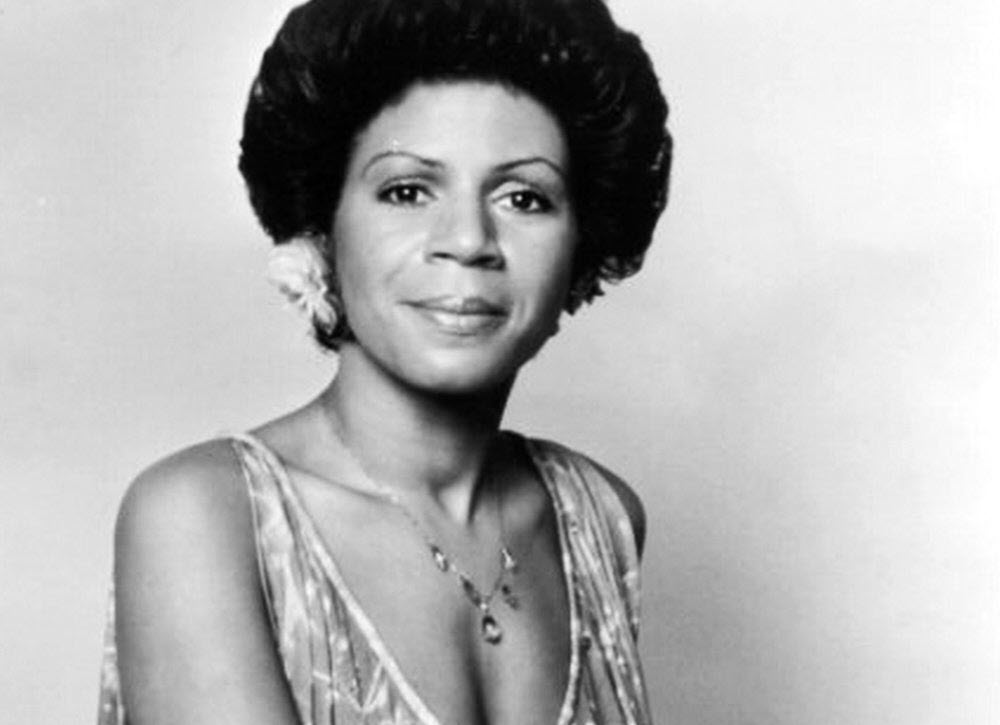
When you hear the name Minnie Riperton, one word instantly comes to mind: angelic. With a five-octave vocal range and a heavenly whistle register that could send chills down your spine, Riperton wasn’t just a singer—she was a vocal phenomenon. Best known for her timeless, ethereal hit “Lovin’ You,” Minnie brought a unique blend of soul, R&B, jazz, and pop to her music, all wrapped in a warmth and vulnerability that made every note feel deeply personal. Her voice could float like a feather or soar like a comet, and every performance was pure magic.
This list of the top 10 most popular Minnie Riperton songs of all time is a tribute to the unforgettable artistry of a woman who left us far too soon but whose music continues to shine brighter with each passing year. These tracks are filled with soul, love, and an emotional honesty that transcends time. Whether you’re rediscovering her catalog or falling in love with her sound for the first time, these songs showcase why Minnie Riperton remains a beloved icon in the world of music.
So sit back, press play, and let Minnie’s extraordinary voice lift you into a dreamscape of beauty, passion, and pure vocal brilliance.
1. “Inside My Love” (1975)
From her 1975 album Adventures in Paradise, “Inside My Love” is a bold and sensual dive into emotional and physical intimacy. While it didn’t top charts like “Lovin’ You”, it has earned critical acclaim for its lyrical depth and daring subject matter. Co-written with Leon Ware and Richard Rudolph, the song cleverly plays with double meanings, inviting listeners to explore vulnerability and connection. Riperton’s voice floats effortlessly over lush instrumentation—string swells, jazzy rhythms, and warm keys—building to a crescendo that’s both tender and powerful. The track was ahead of its time, blending soul, jazz, and R&B in a way that would later influence neo-soul artists. Riperton’s delivery is intimate without being indulgent, making “Inside My Love” a standout in her discography and a testament to her ability to balance subtlety with emotional force.
2. “Lovin’ You” (1975)
“Lovin’ You” is not just Minnie Riperton’s most iconic track—it’s a masterclass in minimalism and emotional purity. Released in 1975 on her Perfect Angel album, the song became a global sensation, soaring to No. 1 on the Billboard Hot 100. Co-written with her husband Richard Rudolph and famously produced by Stevie Wonder under the pseudonym El Toro Negro, the track features little more than electric piano, soft birdsong, and Riperton’s angelic voice. Her use of the whistle register, especially in the outro, became her signature, captivating listeners with its otherworldly beauty. The song was originally a lullaby for her daughter Maya (who later became actress Maya Rudolph), and that sincerity radiates from every note. Its stripped-down production lets the melody breathe, making it timeless. “Lovin’ You” isn’t just a love song—it’s a sonic caress.
3. “Perfect Angel” (1974)
The title track from her breakthrough album Perfect Angel, this 1974 gem showcases Riperton’s versatility. Co-produced by Stevie Wonder, the song blends folk-pop charm with soulful warmth. “Perfect Angel” feels like a sunny afternoon—easygoing, melodic, and full of heart. The lyrics celebrate a beloved partner who stands out from the crowd, and Riperton’s delivery is full of admiration and wide-eyed affection. Her vocal range is on full display, but it’s the emotional nuance that steals the show. The song straddles genres in a way that was uncommon at the time, with hints of soft rock, R&B, and singer-songwriter introspection. It didn’t achieve the commercial success of “Lovin’ You”, but it remains a fan favorite and a shining example of her ability to turn simple sentiments into something musically profound.
4. “Memory Lane” (1979)
Released in 1979 on her final studio album Minnie, “Memory Lane” is a hauntingly beautiful farewell from an artist who knew her time was limited. Diagnosed with terminal breast cancer just a few years earlier, Riperton poured her soul into this reflective ballad. The song opens with soft piano and swells into an emotional landscape of longing, nostalgia, and quiet resilience. Her voice, though slightly more fragile than in earlier years, is imbued with a raw sincerity that cuts deep. Lyrically, “Memory Lane” feels like a letter to the past—reminiscent but not regretful, wistful yet aware. It’s a song that invites listeners to pause and reflect, not just on love but on life’s fleeting nature. The emotional weight is amplified by the knowledge of her illness, and yet Riperton never sounds defeated—only deeply human. It’s one of her most moving works.
5. “Reasons” (1975)
“Reasons” from Adventures in Paradise (1975) is a soulful confession of romantic doubt and desire. The song walks a delicate line between vulnerability and strength, with Riperton questioning the motives behind her love, yet ultimately surrendering to the power of emotion. Her voice soars over jazzy chord changes and a subtly driving rhythm section, creating a lush, melancholic atmosphere. The lyrics are intimate and contemplative, addressing the very human tendency to overthink love. Riperton’s vocal control is impeccable here—she delivers each line with clarity and grace, making even the quietest moments feel grand. While not a major chart hit, “Reasons” has become a favorite among fans who appreciate the deeper emotional layers of her work. It’s a song that rewards close listening and emotional openness.
6. “Les Fleurs” (1970)
“Les Fleurs” is a transcendent opener to Riperton’s debut solo album Come to My Garden, released in 1970. Produced by Charles Stepney, the track is a psychedelic soul masterpiece that merges orchestral grandeur with spiritual undertones. From the moment the strings swell and the choral background rises, listeners are transported into a lush, sonic garden. Riperton sings of growth, rebirth, and transformation, her voice gliding effortlessly over intricate arrangements. The song is both cosmic and grounded, a piece that defies genre and era. Though it wasn’t a commercial hit at the time, “Les Fleurs” has gained cult status over the decades, sampled and celebrated by artists across genres. It’s Riperton at her most experimental and ethereal—a bold artistic statement that still sounds revolutionary today.
7. “Young, Willing and Able” (1977)
“Young, Willing and Able” marked a stylistic shift for Riperton when it was released in 1977 as the lead track from Stay in Love. Embracing the disco and funk trends of the mid-’70s, the song showcases Riperton’s ability to adapt without compromising her artistry. The groove is infectious, driven by a tight rhythm section and layered production. Lyrically, it’s a bold statement of confidence and agency—Riperton sings of readiness for love on her own terms. Her voice is sultry and commanding, a perfect match for the song’s upbeat energy. It’s a far cry from the ethereal ballads she’s best known for, but it works beautifully, showing that Riperton could bring fire as easily as she brought softness. It’s a vibrant anthem that deserves more mainstream recognition.
8. “Take a Little Trip” (1970)
Also from Come to My Garden (1970), “Take a Little Trip” invites listeners on a dreamy voyage through sound. The song blends jazz, soul, and orchestral elements, with Riperton’s voice serving as the guide. There’s a gentle psychedelia to the track—enhanced by Charles Stepney’s lush arrangements—that makes it feel like a sonic daydream. The lyrics encourage escape and exploration, both literal and metaphorical. Riperton’s delivery is light and playful, yet filled with underlying emotion. What makes the song special is its sense of wonder; it captures the spirit of the late ’60s and early ’70s optimism without sounding dated. Though it was never a single, it’s considered a hidden gem in her catalog, often rediscovered by crate-diggers and music lovers looking for something truly unique.
9. “Back Down Memory Lane” (1979)
“Back Down Memory Lane” is a tender and nostalgic standout from Minnie (1979). The song feels like a cinematic flashback, with Riperton guiding listeners through moments of love, loss, and reflection. The arrangement is warm and understated, allowing her voice to take center stage as she reminisces with bittersweet clarity. There’s a maturity to both the lyrics and the performance—this isn’t just a trip through the past, but a meditation on how those memories shape who we are. The chorus is instantly memorable, and the emotional resonance is undeniable. Released just months before her passing, the song feels like a soft goodbye, filled with grace and gratitude. It’s a perfect closing chapter in the story of one of soul music’s most unforgettable voices.
10. “Can You Feel What I’m Saying?” (1977)
Also from Stay in Love, “Can You Feel What I’m Saying?” continues the album’s exploration of funk-infused soul. Released in 1977, the track is a rhythmic, danceable number that highlights Riperton’s playful side. The lyrics are flirtatious without being cliche, and the groove is undeniable. What sets this song apart is its blend of sophistication and swagger—Riperton’s delivery is both smooth and assertive. The production features tight horn sections, funky bass lines, and a sense of joyful urgency. It’s a hidden gem that reflects the era’s musical trends while still sounding distinctly like Minnie. Though it didn’t chart widely, it has become a fan favorite for those who appreciate her more upbeat and adventurous side.

Samuel Moore is a frequent contributor to Singers Room. Since 2005, Singersroom has been the voice of R&B around the world. Connect with us via social media below.









