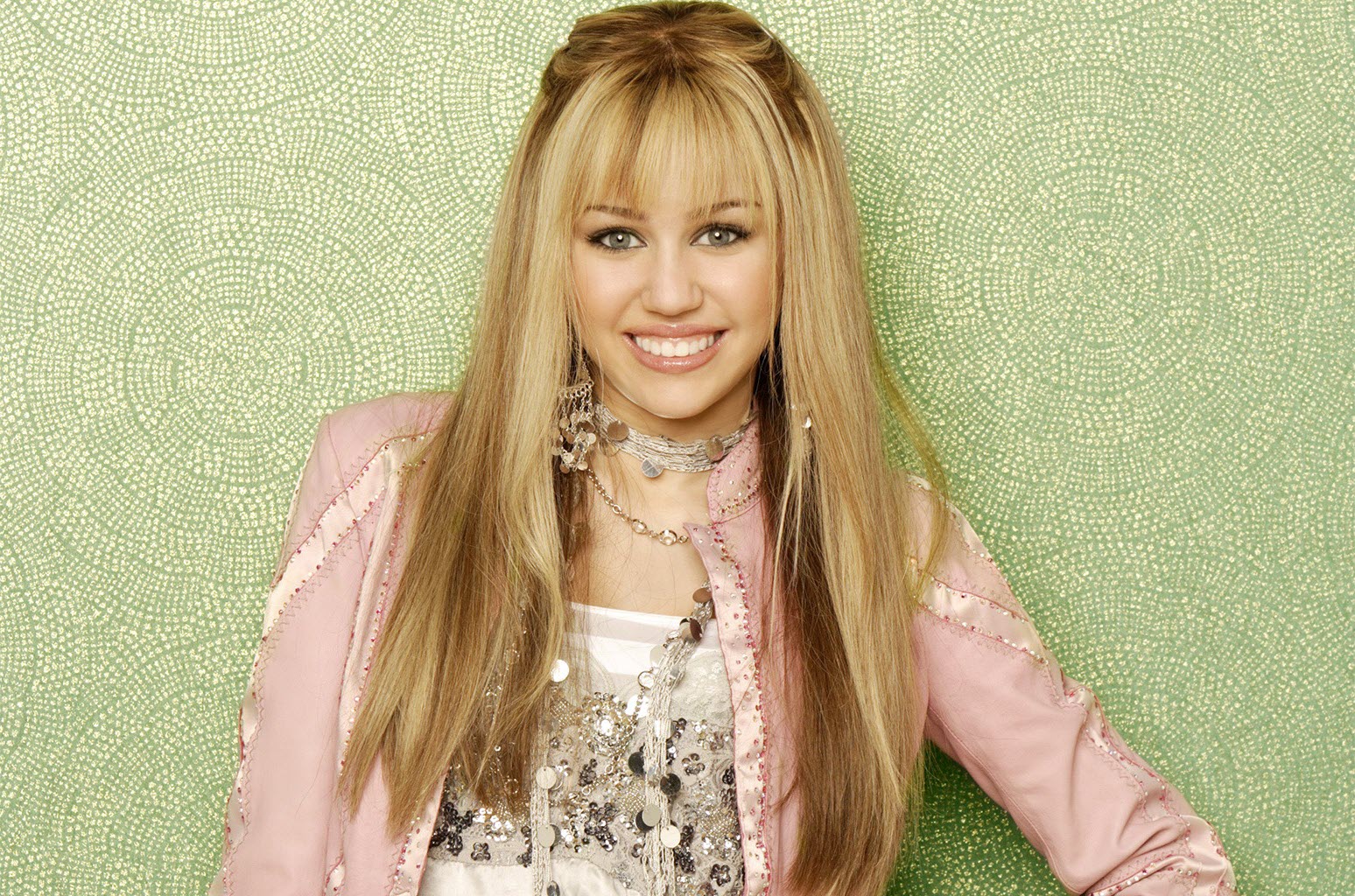
From Disney Channel sweetheart to bold pop provocateur, Miley Cyrus has carved one of the most dynamic and unpredictable careers in modern music. With a voice that can soar through country ballads, rock anthems, and glittering pop hits, she’s proven time and again that reinvention is her superpower. Whether she’s swinging from a wrecking ball or strumming a guitar under Malibu skies, Miley doesn’t just perform—she commands attention, emotion, and conversation. Her discography is a rollercoaster of heartbreak, rebellion, self-love, and raw vulnerability, capturing every era of her ever-evolving identity. Over the years, she’s delivered chart-topping singles, viral moments, and deeply personal tracks that have solidified her status as a generational icon. But which of her songs truly stand above the rest? In this list, we’re counting down the Top 10 Most Popular Miley Cyrus Songs of All Time—the hits that defined her journey, broke records, and captured the hearts of millions around the world. Whether you’ve followed her since the Hannah Montana days or jumped on board during her Plastic Hearts renaissance, this list is a celebration of Miley at her most unforgettable. So turn up the volume—these are the songs that made Miley Cyrus a global musical force.
1. “Wrecking Ball” (2013)
Miley Cyrus’s “Wrecking Ball” wasn’t just a hit—it was a cultural thunderclap. Released in 2013 as the second single from her Bangerz album, the song marked a dramatic evolution in her career, shedding the remnants of her Disney past in favor of emotional rawness and adult vulnerability. Produced by Dr. Luke and Cirkut, “Wrecking Ball” is a power ballad that lays bare the devastation of a broken relationship. Cyrus’s vocals soar and ache as she sings about loving hard and falling harder, capturing the pain of emotional collapse with a visceral punch. While the music video—featuring her famously swinging nude on a wrecking ball—sparked controversy and countless headlines, it was the intensity of her performance that truly resonated. The track shot to No. 1 on the Billboard Hot 100, becoming her first chart-topping single and solidifying her place as a risk-taking pop powerhouse. More than a spectacle, “Wrecking Ball” is a timeless heartbreak anthem—unapologetically bold, painfully honest, and emotionally unforgettable.
2. “Party in the U.S.A.” (2009)
“Party in the U.S.A.” arrived in 2009 like a burst of sunshine and youthful excitement. Originally written by Jessie J, Claude Kelly, and Dr. Luke, the song was passed to Miley Cyrus, whose down-to-earth charm and Southern accent gave it a fresh, relatable spin. Though she later admitted the lyrics weren’t drawn from her personal experiences, Cyrus delivered them with such sincerity that fans instantly connected. The song tells the story of a young woman stepping off a plane in Los Angeles, nervous but comforted by the familiar sounds of her favorite artists on the radio. Its feel-good melody, bright production, and catchy chorus made it an instant radio staple. The track peaked at No. 2 on the Billboard Hot 100 and quickly became an anthem of celebration, played at parties, school dances, and national events. More than a decade later, it continues to reappear on the charts during times of patriotic spirit, proving its status as a pop classic. “Party in the U.S.A.” remains one of Miley’s most enduring songs—a reminder of her early ability to captivate with pure pop joy.
3. “Flowers” (2023)
Miley Cyrus kicked off 2023 with a bang through her empowering anthem “Flowers,” the lead single from her Endless Summer Vacation album. Released in January, the track quickly gained momentum and shattered records, debuting at No. 1 on the Billboard Hot 100 and dominating global charts for weeks. With a groovy, disco-inflected beat and a sleek production style, “Flowers” became an instant self-love anthem. Cyrus’s vocals radiate confidence as she declares her independence and resilience, singing lines like, “I can buy myself flowers,” with a sense of triumph that resonated across generations. While many speculated the song was inspired by her breakup with ex-husband Liam Hemsworth, it stood tall on its own as a universal message of empowerment and growth. The song broke Spotify records for the most streams in a week and solidified Miley’s reputation for reinvention. Its retro flair paired with modern polish gave it timeless appeal, while its empowering lyrics turned it into a cultural moment. “Flowers” isn’t just a hit—it’s a personal manifesto, a celebration of self-worth, and one of the most defining tracks of Miley’s career to date.
4. “The Climb” (2009)
Released in 2009 as part of the Hannah Montana: The Movie soundtrack, “The Climb” signaled a pivotal moment in Miley Cyrus’s musical journey. Written by Jessi Alexander and Jon Mabe, the ballad showcased a more serious, introspective side of Cyrus that had previously been overshadowed by her Disney persona. The song is built around a universal message: life is about the journey, not just the destination. With lines like, “There’s always gonna be another mountain,” Cyrus delivers an inspirational message about perseverance and personal growth. Her passionate, heartfelt vocals added emotional weight, helping the track resonate with listeners across all ages. “The Climb” reached the Top 10 in several countries and earned a Grammy nomination for Best Female Pop Vocal Performance. It quickly became an anthem for graduations, life transitions, and moments of reflection. More than a commercial success, it was a declaration that Miley had something meaningful to say—and the voice to say it. Even years later, “The Climb” remains one of her most cherished songs, representing resilience, optimism, and the power of believing in yourself.
5. “Midnight Sky” (2020)
“Midnight Sky,” released in 2020, saw Miley Cyrus step into her rock goddess era with swagger and confidence. Drawing heavy inspiration from 1980s glam rock icons like Joan Jett and Stevie Nicks, the song fused synth-pop energy with a fierce declaration of independence. As the lead single from her Plastic Hearts album, “Midnight Sky” showcased a grittier, more mature Miley reclaiming her narrative after a series of high-profile personal changes. The lyrics—“I was born to run, I don’t belong to anyone”—aren’t just catchy; they’re a mission statement. Her husky, sultry vocals paired with shimmering synths and a driving beat created a vibe that felt simultaneously retro and fresh. Cyrus also directed the song’s dazzling, neon-drenched music video, emphasizing her creative control and evolving artistry. While the track didn’t hit No. 1 on the charts, it was critically acclaimed and deeply embraced by fans for its bold sound and empowering message. “Midnight Sky” cemented Miley’s position as an artist unafraid to evolve and blaze her own trail, delivering a timeless anthem for freedom and self-discovery.
6. “We Can’t Stop” (2013)
Miley Cyrus broke away from her squeaky-clean image in spectacular fashion with “We Can’t Stop,” released in the summer of 2013. This moody, mid-tempo anthem, produced by Mike WiLL Made-It, was more than just a pop song—it was a full-blown declaration of freedom. With lyrics like “It’s our party, we can do what we want,” the track tapped into a rebellious spirit and spoke directly to a generation craving authenticity and self-expression. The hypnotic beat, paired with Cyrus’s laid-back yet assertive vocals, created a vibe that was equal parts chill and confrontational. The music video, filled with surreal, wild imagery, stirred up controversy and solidified her break from the Disney mold. Despite mixed critical reception, the song resonated with fans and climbed to No. 2 on the Billboard Hot 100. “We Can’t Stop” was more than a party track—it was a turning point that announced the arrival of a fearless, provocative new Miley Cyrus, ready to take risks and shake up the status quo.
7. “Malibu” (2017)
“Malibu” marked a surprising and serene shift in Miley Cyrus’s career when it dropped in 2017. Known for her edgy and provocative transformations, Miley peeled back the layers for this heartfelt, folk-pop ballad, revealing a softer, more grounded side of herself. Written about her rekindled romance with Liam Hemsworth, “Malibu” radiates peace and vulnerability, capturing the bliss of finding calm after chaos. The track’s breezy acoustic guitars, gentle melodies, and light-handed production by Oren Yoel offered a perfect backdrop for her emotional lyrics and pure vocal tone. Gone were the loud visuals and bold statements—in their place was an artist reconnecting with nature, love, and her roots. “Malibu” climbed into the Top 10 on the Billboard Hot 100 and resonated with audiences looking for something authentic and hopeful. It wasn’t just a love song; it was a reintroduction, showing that Miley didn’t need shock value to command attention. With “Malibu,” she proved that her artistry could be just as compelling in quiet moments as in wild reinventions.
8. “Slide Away” (2019)
Released in the emotional aftermath of her split from Liam Hemsworth, “Slide Away” offered a raw, stripped-back glimpse into Miley Cyrus’s heart. Arriving in August 2019, the song felt like a breakup letter written in real-time, echoing the melancholy of a love that had faded with maturity and time. Lines like “Move on, we’re not 17, I’m not who I used to be” captured a clarity and weariness that’s rare in pop music. The production, helmed by Andrew Wyatt and Mike WiLL Made-It, is dreamlike and subdued, combining soft strings with atmospheric electronics that give the track a sense of floating detachment. Miley’s vocal performance is restrained but deeply affecting, conveying grief without melodrama. While “Slide Away” didn’t dominate the charts, it was critically lauded for its emotional honesty and introspective tone. It stands out in her discography as a moment of quiet reflection—a grown-up ballad about knowing when to let go. For fans, it’s a haunting reminder of the pain behind public personas and the maturity that comes from truly moving on.
9. “See You Again” (2007)
“See You Again,” released in late 2007, was Miley Cyrus’s first breakout solo hit and a clear sign that she was more than just Hannah Montana. Taken from her Meet Miley Cyrus debut album, the song combined the catchy hooks of teen pop with a rock-infused energy that gave it a fresh, edgy twist. With a pounding beat, relatable lyrics about butterflies and teenage infatuation, and a killer chorus, the track became an instant fan favorite. Miley’s raspy vocal delivery added personality and grit, helping her stand out from her pop peers. The song eventually peaked at No. 10 on the Billboard Hot 100, proving her ability to cross over into mainstream success outside of her TV persona. “See You Again” remains a nostalgic anthem for many fans who grew up with Miley, and it showcased the early seeds of the versatile, risk-taking artist she would later become. It’s a snapshot of youthful crushes and electric first encounters, wrapped in a chorus that still hits like a spark.
10. “Nothing Breaks Like a Heart” (feat. Mark Ronson) (2018)
In 2018, Miley Cyrus teamed up with producer Mark Ronson for the genre-defying “Nothing Breaks Like a Heart”—a shimmering fusion of country soul, disco-pop, and heartbreak. Opening with a mournful guitar line reminiscent of a southern ballad, the track quickly morphs into something more danceable yet deeply emotional. Cyrus’s smoky, expressive vocals carry the song’s melancholy weight, as she sings about love lost and the emotional fallout that follows. The lyric “This world can hurt you, it cuts you deep and leaves a scar” hits with brutal honesty, and her delivery strikes the perfect balance between vulnerable and defiant. The music video, which portrays Miley in a high-speed police chase through a media-fueled frenzy, added layers of symbolism about fame, tragedy, and resilience. Though the track didn’t top the Billboard charts, it became an international hit and earned praise for its bold, genre-blending style. “Nothing Breaks Like a Heart” is a powerful reminder of Miley’s ability to surprise and reinvent, turning heartache into something cinematic, stylish, and enduring.

Samuel Moore is a frequent contributor to Singers Room. Since 2005, Singersroom has been the voice of R&B around the world. Connect with us via social media below.









