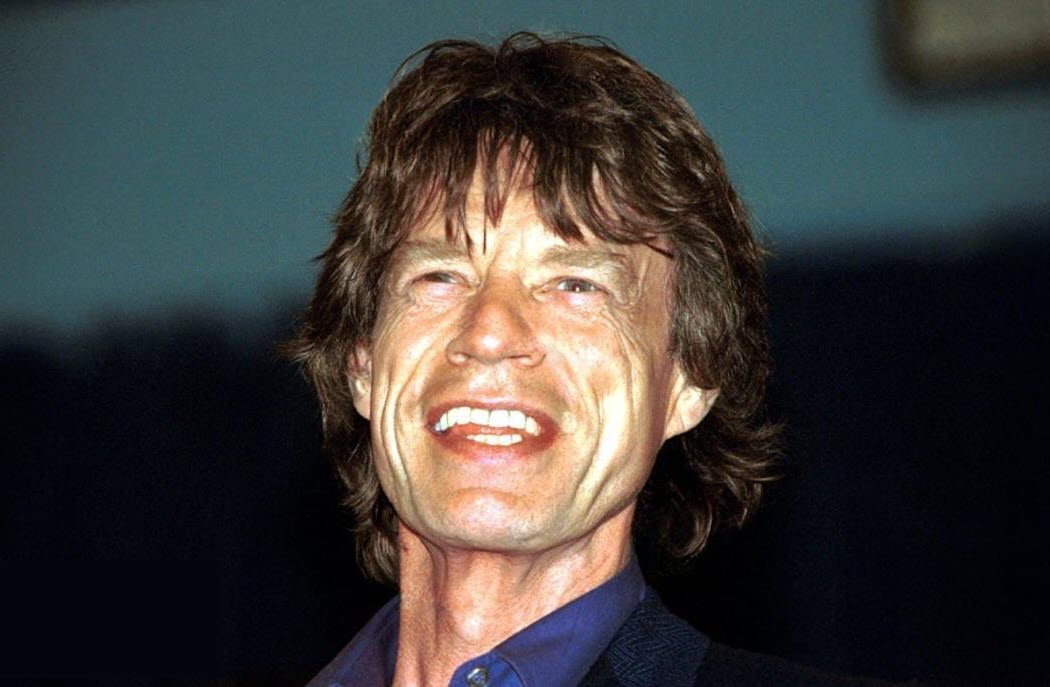
Mick Jagger, the charismatic frontman of The Rolling Stones, has left an indelible mark on rock music with his electrifying performances and iconic songwriting. For over six decades, Jagger has captivated audiences around the world, blending raw energy with lyrical depth. His unique voice and magnetic stage presence have made him a symbol of rock ‘n’ roll itself.
In this article, we dive into the ten most popular Mick Jagger songs of all time, celebrating his remarkable ability to weave together stories of love, rebellion, and the human experience. From timeless classics that defined a generation to lesser-known gems that deserve recognition, this list showcases Jagger’s versatility as an artist.
Whether you’re a lifelong fan or new to his music, prepare to relive the magic that has made Jagger a legend. Each song reflects a different facet of his artistry, demonstrating why he remains a powerful force in the music industry. Join us as we explore the tracks that have resonated through the years, solidifying Mick Jagger’s status as one of the greatest rock icons of all time. Get ready to rock and roll through this unforgettable journey!
1. “(I Can’t Get No) Satisfaction”
Released in 1965, “(I Can’t Get No) Satisfaction” quickly became more than just a hit single—it was a cultural lightning rod. Powered by Keith Richards’ instantly recognizable fuzz-tone guitar riff and Mick Jagger’s fiery, frustrated vocal delivery, the song captured the angst and disillusionment of a generation. Its lyrics tackle themes of consumerism, sexual frustration, and the general emptiness of modern life, making it both deeply personal and broadly relatable. At a time when pop music often stayed on the surface, this track cut straight to the heart of discontent, and people around the world felt it. The raw, unpolished feel of the track added to its rebellious edge, aligning perfectly with the rise of the counterculture in the 1960s. It wasn’t just about not getting satisfaction—it was about questioning a system that promised it but never delivered. The Rolling Stones found their voice with this song, and in doing so, they gave voice to millions who were starting to question the status quo. Over the decades, “Satisfaction” has remained a staple of their concerts and a benchmark of rock music’s potential to stir something deep, primal, and real.
2. “Paint It Black”
“Paint It Black,” released in 1966, is one of the Rolling Stones’ darkest and most haunting tracks. It marked a bold departure from their bluesy rock roots, incorporating a sitar-driven melody courtesy of Brian Jones that gave the song a distinctive, almost psychedelic feel. The lyrics paint a bleak emotional landscape, with Mick Jagger’s voice filled with grief, detachment, and sorrow. He pleads for everything to turn black—a desperate metaphor for a world consumed by loss. Many listeners interpret the song as a reaction to the death of a loved one or the emotional aftermath of war, particularly the Vietnam era, during which it resonated deeply. The rhythmic urgency of Charlie Watts’ drumming and the moody guitar work amplify the song’s intensity, creating a sense of spiraling despair. Despite its heaviness, “Paint It Black” struck a chord with audiences and became a major hit, showing the band’s willingness to explore darker emotional terrain. It remains a highlight in their catalog, blending innovation with raw emotion. Even today, it’s a go-to song when people want to feel seen in their sadness or reflect on the complexity of grief.
3. “Jumpin’ Jack Flash”
“Jumpin’ Jack Flash” came crashing onto the scene in 1968 like a jolt of adrenaline. It was the Rolling Stones getting back to their gritty, blues-rock roots after experimenting with psychedelic sounds. From the opening riff, Keith Richards lays down one of rock’s most iconic guitar lines, instantly energizing the track. Mick Jagger’s vocal is all attitude—defiant, brash, and bursting with confidence. The lyrics tell the story of a hard-knock life turned triumphant, full of imagery that suggests resilience and survival through chaos. The character of Jack Flash feels like an avatar for the band itself—rising from the ashes with swagger and style. It’s also a song built for the stage; its infectious rhythm and thunderous momentum make it a guaranteed crowd-pleaser. For fans, it’s not just a song—it’s a feeling, a punch of excitement that never fades no matter how many times it’s played. “Jumpin’ Jack Flash” signaled that the Stones were back in full force, louder and tougher than ever. It’s pure rock ‘n’ roll bravado and one of the reasons why the band earned their reputation as one of the most electrifying acts in music history.
4. “Brown Sugar”
Released in 1971, “Brown Sugar” is one of the Rolling Stones’ most recognizable and controversial songs. Built on an irresistible guitar riff and a pounding beat, the song bursts with raw energy and swagger. Mick Jagger’s vocals ride the groove effortlessly, delivering lyrics that, while catchy and rhythmic, delve into themes of race, slavery, and sexuality. It’s this combination of provocative subject matter and infectious rhythm that has sparked debate for decades. The track opens with a slashing guitar intro from Keith Richards that immediately sets the tone—gritty, bold, and unapologetic. The horn section adds an extra layer of punch, while Charlie Watts’ drumming anchors the entire piece with perfect timing. Despite—or perhaps because of—its lyrical complexity and controversy, “Brown Sugar” has remained a fan favorite and a live staple. It captures the band’s fearless spirit and their willingness to challenge societal norms, musically and lyrically. Whether one sees it as provocative art or problematic expression, there’s no denying its impact and staying power. It’s the kind of song that shows just how much power the Rolling Stones wielded in shaping rock’s rebellious identity during the 1970s.
5. “Angie”
“Angie,” released in 1973, is a tender ballad that reveals a softer, more emotional side of the Rolling Stones. In contrast to their usual high-octane rock anthems, this track is stripped down and intimate, led by acoustic guitar and gentle piano. Mick Jagger delivers a deeply heartfelt vocal performance, filled with melancholy and resignation. The lyrics suggest the painful end of a relationship, but they’re vague enough to allow multiple interpretations—some hear it as a romantic farewell, others as a metaphor for change and loss. Keith Richards’ guitar work is beautifully understated, providing a delicate backdrop for the emotional weight of the song. The haunting string arrangements further heighten the sense of sorrow and longing. “Angie” quickly became a commercial success and resonated with fans who had never seen this vulnerable side of the band before. It demonstrated their ability to write songs that weren’t just loud or rebellious, but also deeply human and moving. Over the years, “Angie” has become a staple in their catalog for moments of reflection and emotional depth. It’s the kind of song that lingers with you, long after the final note fades.
6. “You Can’t Always Get What You Want”
Released in 1969, “You Can’t Always Get What You Want” stands as one of the Rolling Stones’ most powerful and philosophical songs. Opening with a majestic choir and rich acoustic textures, the track sets a reflective tone before gradually building into a sweeping rock anthem. The lyrics, delivered by Mick Jagger with warmth and sincerity, offer a sobering truth: life often denies us what we desire, but it has a way of giving us what we need. The chorus has become iconic, resonating with listeners as a message of acceptance and resilience. From its orchestral arrangement to its gospel undertones, the song showcases the band’s creative ambition and emotional depth. It balances melancholy with hope, weaving a narrative that feels personal yet universal. Whether played at political rallies, weddings, or moments of farewell, the song has a unique ability to comfort and uplift. “You Can’t Always Get What You Want” is more than just a rock ballad—it’s a reflection on the human condition, wrapped in the Stones’ signature style. It remains one of their most enduring tracks, cherished by fans for its heart, honesty, and sweeping musicality.
7. “Start Me Up”
“Start Me Up,” released in 1981, is a jolt of pure energy that reignited the Rolling Stones’ presence in the new decade. With a riff that’s instantly recognizable, the song charges ahead with the swagger and power of a band that knows how to command a stadium. Originally intended as a reggae track, it eventually found its stride as a straight-up rock anthem—one that continues to ignite crowds and sporting events worldwide. Mick Jagger delivers the lyrics with cheeky charm, full of double entendres and playful bravado. It’s a celebration of momentum, desire, and unrelenting drive, both literally and metaphorically. The simplicity of the chord progression, combined with Charlie Watts’ steady drumming and Richards’ sharp guitar licks, proves that sometimes less really is more. “Start Me Up” became one of the Stones’ biggest hits of the 1980s, even gaining a second life as a Windows 95 theme song. Yet it never lost its rock edge or cultural clout. The track is a testament to the band’s ability to evolve without losing their core identity. Decades later, “Start Me Up” still does exactly what its title promises—it kicks things into high gear and doesn’t let go.
8. “Miss You”
Released in 1978 during the height of the disco era, “Miss You” showcases the Rolling Stones’ remarkable ability to stay relevant by blending styles while staying true to their roots. Built around a pulsing bassline and a sleek groove, the song incorporates elements of disco, funk, and rock, resulting in a sound that’s both danceable and emotionally resonant. Mick Jagger’s lyrics express longing and isolation, painting a vivid picture of romantic separation and late-night loneliness. His vocal delivery, half-spoken and full of yearning, captures the mood perfectly. While the song was clearly influenced by the club scene of the time, it doesn’t feel like a sellout. Instead, “Miss You” feels like a natural extension of the band’s musical curiosity. The interplay between Jagger and the band is tight and stylish, with saxophone flourishes and bluesy harmonica licks giving it a unique texture. The song became a massive hit, topping the Billboard Hot 100 and introducing the Stones to a new generation of listeners. Even now, “Miss You” continues to get people moving, proving that the Stones could adapt to changing times without sacrificing the emotional core that made their music timeless.
9. “Wild Horses”
“Wild Horses,” released in 1971, is one of the most emotionally raw and beautifully composed songs in the Rolling Stones’ catalog. It’s a slow, aching ballad that captures the pain of love, separation, and the pull of devotion. From the opening chords, the song sets a reflective tone, and as Mick Jagger’s voice enters—gentle, weary, and full of longing—it’s impossible not to feel the emotional weight. The lyrics suggest a deep personal loss or sacrifice, perhaps inspired by relationships strained by fame and distance. Keith Richards’ delicate guitar work and the song’s subtle arrangement lend it a quiet power that builds without ever becoming overpowering. “Wild Horses” isn’t just about heartbreak; it’s about the enduring strength of love even in the face of parting. Its title refrain, “Wild horses couldn’t drag me away,” has become one of rock’s most iconic lines, resonating with anyone who’s ever tried to hold on to something that’s slipping away. Over the years, the song has been covered by countless artists, yet the Stones’ original version remains unmatched in its emotional resonance. “Wild Horses” is more than a song—it’s a heartfelt meditation on love’s complexities and endurance.
10. “It’s Only Rock ‘n’ Roll (But I Like It)”
Released in 1974, “It’s Only Rock ‘n’ Roll (But I Like It)” is the Rolling Stones at their most self-aware and tongue-in-cheek. The song is both a defense of their musical style and a cheeky anthem that embraces the pure, unpretentious joy of rock music. From the get-go, it delivers a catchy, sing-along chorus backed by a lively groove, making it one of the band’s most infectious tracks. The lyrics playfully push back against critics and expectations, with Mick Jagger suggesting that no matter how the band is judged, rock ‘n’ roll will always be what they love—and they’re not apologizing for it. The track features a raw, almost garage-band feel, complete with chugging guitars and loose, energetic drumming. It’s less polished than some of their earlier studio work, but that’s part of its charm. It celebrates the messy, rebellious heart of rock without trying to be profound. Over the years, the song has become a kind of mission statement for the band, summing up their approach to music and fame. At its core, “It’s Only Rock ‘n’ Roll (But I Like It)” reminds us that joy and rebellion often go hand in hand—and sometimes, that’s enough.

Edward Tomlin is a frequent contributor to Singers Room. Since 2005, Singersroom has been the voice of R&B around the world. Connect with us via social media below.









