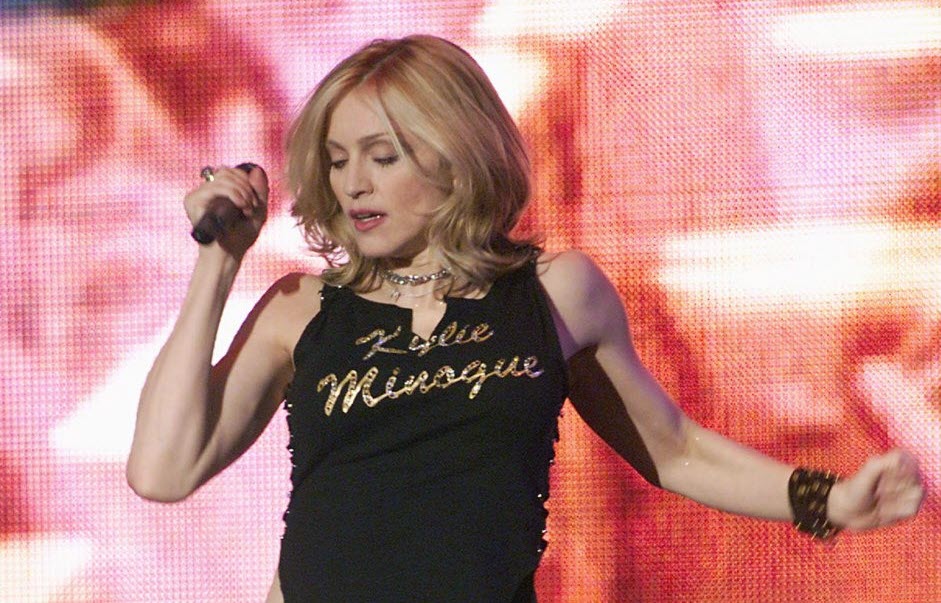
Madonna, the Queen of Pop, has been a defining force in the music industry for over four decades, captivating audiences with her groundbreaking sound, provocative lyrics, and unforgettable performances. From her humble beginnings in the early ’80s to her status as a global icon, Madonna has consistently pushed the boundaries of music and culture. Her ability to reinvent herself with each album and era has not only solidified her place in pop history but has also inspired countless artists across generations.
In this article, we’ll take you on a nostalgic journey through the top 10 most popular Madonna songs of all time. These tracks have not only topped charts worldwide but have also left an indelible mark on pop culture. From dance anthems that made us move to ballads that tug at the heartstrings, each song tells a story of love, rebellion, and empowerment. Join us as we celebrate the timeless hits that have defined not just a career, but an entire era. Whether you’re a lifelong fan or a newcomer to her music, get ready to relive the magic of Madonna’s most iconic hits that continue to resonate today!
1. Like a Virgin (1984)
“Like a Virgin” exploded onto the scene in 1984 and immediately shifted the pop music landscape. With its bouncy rhythm, synth-heavy production, and cheeky lyrics, the track captured a blend of innocence and seduction that was groundbreaking at the time. Madonna’s breathy, flirtatious vocals played perfectly into the provocative theme of rediscovery and emotional renewal. While the phrase “like a virgin” grabbed headlines, the heart of the song is about the transformative power of love—feeling new again after past heartbreak. Its accompanying music video, set against the dreamy backdrop of Venice and featuring Madonna in a wedding dress, became instantly iconic and controversial, reinforcing her image as a fearless provocateur. The song topped the Billboard Hot 100 and catapulted her into superstardom, defining her as not just a singer, but a cultural force. “Like a Virgin” wasn’t just a pop hit—it was a statement, a conversation starter, and a redefining moment in how female artists presented themselves. Its legacy endures as a quintessential ’80s anthem and a cornerstone of Madonna’s career, representing her boldness, savvy reinvention, and knack for pushing boundaries while still delivering unforgettable pop hooks.
2. Material Girl (1984)
“Material Girl” is one of Madonna’s most iconic tracks, blending playful commentary with pop perfection. Released in 1984, it quickly became synonymous with her image—so much so that the nickname “Material Girl” followed her for decades. With its bouncy, synth-driven melody and tongue-in-cheek lyrics, the song presents a savvy, modern woman who isn’t afraid to admit she values financial stability and the finer things in life. Yet beneath the glam, the song winks at the listener, hinting that Madonna is well aware of the game she’s playing. The music video, inspired by Marilyn Monroe’s performance of “Diamonds Are a Girl’s Best Friend,” featured Madonna in pink satin, dancing amidst tuxedoed men, parodying the very image she was often accused of embodying. It blurred the lines between satire and self-branding in a way that was both clever and culturally resonant. “Material Girl” is more than a catchy pop single—it’s a sharp critique wrapped in glitz and charm, showcasing Madonna’s brilliance at using image and sound to provoke, entertain, and empower. The song remains a defining artifact of the 1980s, still relevant in discussions about fame, femininity, and consumer culture.
3. Vogue (1990)
“Vogue” is a shimmering anthem of self-expression and glamor that defined a generation. Released in 1990, it introduced mainstream audiences to the underground ballroom culture of New York, where “voguing” was both an art form and a lifeline for marginalized communities. Madonna’s pulsing track, with its hypnotic beat and iconic rap listing golden-age Hollywood stars, invites everyone to find their spotlight and strike a pose. At its core, “Vogue” is about empowerment—encouraging people to celebrate their uniqueness and own their space, especially those often ignored by the mainstream. The black-and-white music video, directed by David Fincher, featured elegant choreography and high-fashion imagery that turned dance into a statement of pride and identity. The song’s fusion of house music with pop sensibilities pushed genre boundaries and expanded what mainstream audiences were used to hearing. “Vogue” wasn’t just a hit; it was a cultural turning point. It topped charts globally and has remained a staple of dance floors and pride parades ever since. With “Vogue,” Madonna didn’t just entertain—she educated, uplifted, and gave voice to a movement, all while delivering one of the most unforgettable tracks in pop history.
4. Holiday (1983)
“Holiday” was the song that introduced the world to Madonna’s infectious charm and unstoppable energy. Released in 1983 as her first mainstream hit, this vibrant anthem invited everyone to pause their worries and just celebrate life. With its upbeat tempo, joyful synths, and feel-good lyrics, “Holiday” quickly became a dance floor favorite and a staple of the emerging ’80s pop sound. The song’s universal message—taking a break and finding joy—is what helped it connect with listeners around the globe. Madonna’s performance is spirited and carefree, establishing the tone for much of her early career: fun, rebellious, and utterly magnetic. While the track doesn’t dive into heavy themes, its simplicity is its strength. It captures the mood of liberation, dancing away troubles, and making the most out of the moment. Paired with her early fashion statements—lace gloves, layered accessories, and wild curls—”Holiday” solidified Madonna’s image as a bold new voice in pop. It was the first hint of her ability to blend music, style, and attitude into something uniquely powerful. Even decades later, “Holiday” still brings the party wherever it’s played, reminding us all to let go and celebrate.
5. Like a Prayer (1989)
“Like a Prayer” is perhaps Madonna’s most daring and emotionally charged song, released in 1989 at the height of her artistic evolution. Blending elements of gospel, pop, and rock, the track is an introspective exploration of love, faith, and spiritual awakening. The stirring choral background adds a heavenly dimension, while Madonna’s passionate vocals deliver a heartfelt narrative that blurs the lines between the sacred and the sensual. The lyrics delve into complex emotions—longing, redemption, and divine connection—making it one of her most layered and personal songs. The music video, however, sparked enormous controversy, featuring powerful religious imagery including burning crosses and saintly figures, which provoked both praise and backlash. Despite the uproar, or perhaps because of it, “Like a Prayer” became a cultural phenomenon, challenging societal norms and igniting conversations around art, religion, and female expression. The song topped charts worldwide and solidified Madonna’s status as an artist who wasn’t afraid to push boundaries. Today, “Like a Prayer” is viewed not just as a pop classic, but as a fearless work of art that melds spirituality with human emotion in a way few songs ever have.
6. La Isla Bonita (1987)
“La Isla Bonita” is one of Madonna’s most enchanting tracks, released in 1987 as a standout single from her True Blue album. With its breezy, Latin-inspired rhythm and lush instrumentation, the song paints a vivid portrait of a tropical paradise that lives in memory and longing. Sung partly in Spanish, Madonna captures the romance and magic of a place that symbolizes escape, beauty, and love. Her vocals carry a soft, wistful tone, perfectly matching the song’s imagery of San Pedro, warm breezes, and sun-drenched streets. What makes “La Isla Bonita” especially captivating is how it weaves cultural influences into a mainstream pop framework, something Madonna would continue to explore throughout her career. The music video, filled with colorful costumes and flamenco-inspired visuals, helped cement the song’s exotic and dreamlike aesthetic. More than just a love song, it’s a celebration of multicultural sounds and the power of imagination. “La Isla Bonita” remains a beloved favorite among fans and a key example of Madonna’s versatility. It shows how she could experiment with style while still delivering music that connects emotionally and universally.
7. Into the Groove (1985)
“Into the Groove” is a quintessential dance anthem that captures the unfiltered joy of losing yourself in music. Released in 1985 as part of the soundtrack for Desperately Seeking Susan, the track became a defining moment for Madonna’s rise as a pop icon. The song pulses with infectious energy—synth-driven beats, irresistible hooks, and lyrics that celebrate freedom on the dance floor. Madonna’s vocals are playful and confident, inviting listeners to forget their worries and just move. It’s more than a party song—it’s an ode to self-expression, independence, and pure fun. The accompanying visuals from the film only amplified the track’s cool factor, presenting Madonna as a downtown New York rebel with unmatched charisma. Though originally only available on the soundtrack and later international versions of her album, “Into the Groove” became one of her biggest hits. It topped charts around the world and remains a staple of her live performances. The song’s euphoric spirit has ensured its lasting appeal, and it continues to inspire people to dance like no one’s watching. For many, it’s the ultimate expression of ’80s pop—fun, fearless, and totally unforgettable.
8. Express Yourself (1989)
“Express Yourself,” released in 1989, is a bold and empowering declaration of self-worth and independence, especially for women. With its thunderous production and commanding vocal performance, Madonna urges listeners not to settle for anything less than respect and true love. The song’s message is clear: know your value and don’t be afraid to demand what you deserve. Produced by Stephen Bray, the track’s fusion of funk, pop, and dance elements gives it a powerful, anthemic quality. Its iconic music video, directed by David Fincher, is a visual spectacle of futuristic glam and feminist symbolism. Inspired by the film Metropolis, the video features Madonna in a sleek power suit, flipping traditional gender roles and presenting herself as both sensual and in control. The visuals and lyrics together created a cultural moment that helped shape conversations around female agency in both relationships and society. “Express Yourself” became more than a chart hit—it was a feminist anthem long before such messages were commonplace in mainstream pop. Its legacy endures not just in Madonna’s catalog, but in its influence on generations of artists who followed her lead in speaking up and standing strong.
9. Hung Up (2005)
“Hung Up,” released in 2005, marked a dazzling return to form for Madonna, fusing her pop prowess with pulsating dance beats and a brilliant sample of ABBA’s “Gimme! Gimme! Gimme! (A Man After Midnight).” The track reinvents disco for a modern audience, offering a sound that’s both nostalgic and freshly invigorating. Madonna’s vocals radiate urgency and vulnerability as she sings about waiting for love and the passage of time. The ticking-clock motif underscores the emotional tension, making the song relatable to anyone who’s ever longed for connection. Its high-energy production, courtesy of Stuart Price, transforms that tension into pure club euphoria. The music video, featuring Madonna in a pink leotard and executing energetic choreography, became instantly iconic, proving she could still captivate audiences decades into her career. “Hung Up” topped charts in over 40 countries, reaffirming her status as the queen of reinvention. It bridged the gap between eras, resonating with both longtime fans and a new generation discovering her for the first time. With its blend of infectious rhythm and emotional depth, “Hung Up” remains one of her most successful and enduring dance hits.
10. Sorry (2005)
“Sorry,” released in 2005 as the follow-up to “Hung Up,” is a sleek and addictive dance track that delves into the themes of apology, regret, and emotional self-protection. Built on a thumping electro-pop beat and an irresistible hook, the song finds Madonna turning the tables—this time, she’s not the one begging for forgiveness. Her voice, cool and assertive, cuts through the synth-heavy production as she delivers lines in multiple languages, reinforcing a universal message: words alone aren’t enough. The track’s confidence is what makes it stand out; it’s a breakup song that refuses to wallow in sadness. Instead, it’s all about reclaiming one’s strength and dignity. The music video continues the high-energy, neon-lit aesthetic of her Confessions on a Dance Floor era, featuring tight choreography and bold fashion. “Sorry” was a commercial success, particularly in Europe, and added another layer to Madonna’s already dynamic discography. It’s proof that even after decades in the industry, she could still dominate the charts, own the dance floor, and deliver messages of empowerment wrapped in pop perfection.

Edward Tomlin is a frequent contributor to Singers Room. Since 2005, Singersroom has been the voice of R&B around the world. Connect with us via social media below.









