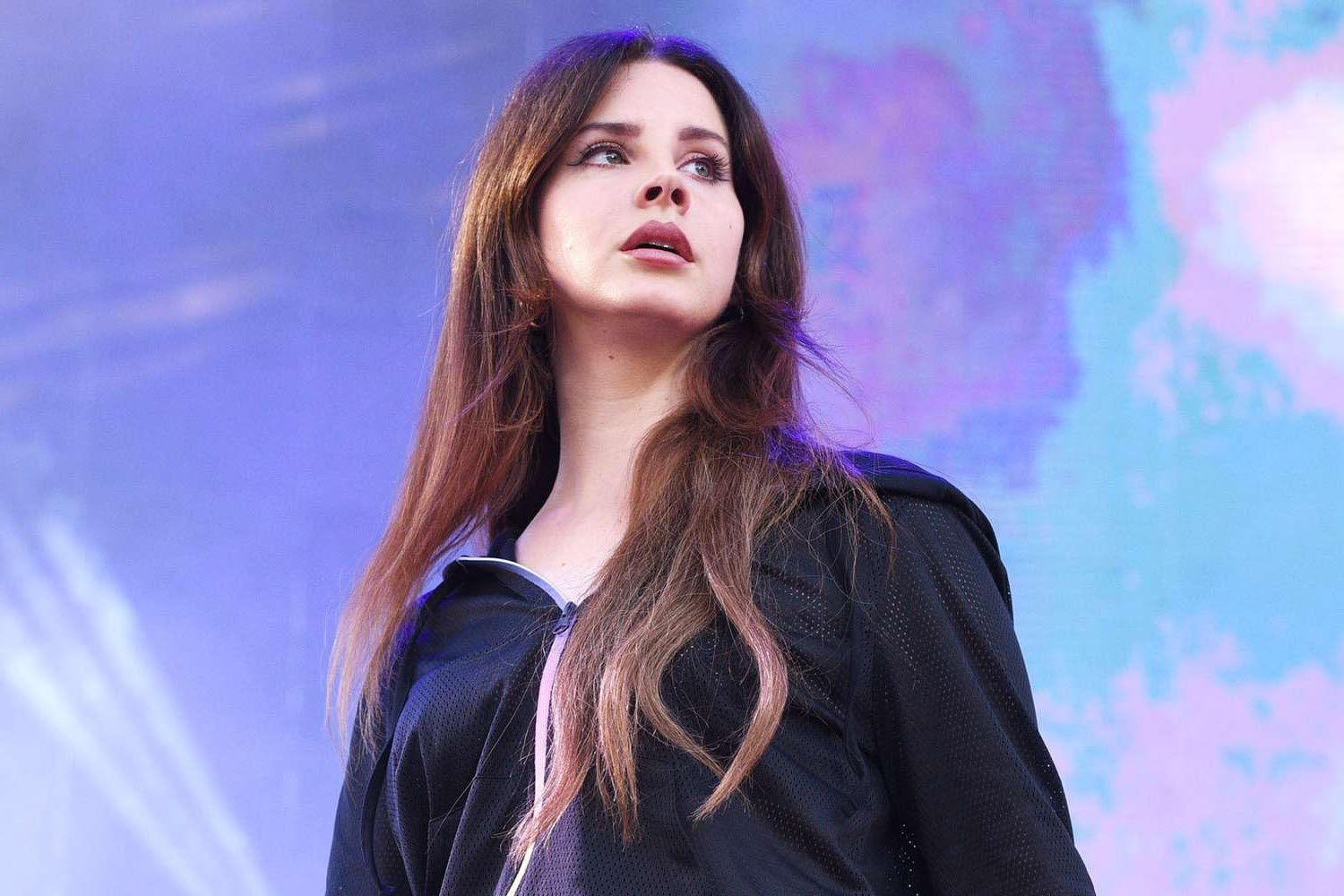
Lana Del Rey, the enchanting queen of melancholic pop, has captivated audiences around the globe with her haunting melodies and evocative lyrics. Since bursting onto the scene with her breakout hit “Video Games,” she has become a cultural phenomenon, intertwining themes of love, loss, and nostalgia into her music. With a unique blend of cinematic soundscapes and vintage aesthetics, Del Rey’s artistry transcends generations, making her one of the most influential artists of our time.
In this article, we delve into the top 10 most popular Lana Del Rey songs of all time, exploring the tracks that have defined her career and resonated deeply with fans. From the atmospheric ballads that tug at your heartstrings to the upbeat anthems that invite you to escape reality, each song tells a story that lingers long after the last note fades. Whether you’re a die-hard fan or a newcomer to her ethereal world, join us on a journey through her most iconic tracks, celebrating the artistry that has solidified Lana Del Rey’s place in music history. Get ready to experience the magic that is Lana Del Rey!
1. Video Games (2011)
“Video Games” is the song that introduced the world to Lana Del Rey’s haunting, cinematic universe. Released in 2011, it became an unexpected hit and helped define her signature style: melancholic glamour infused with a sense of tragic romance. The track is built on minimal instrumentation—slow piano chords, subtle strings, and soft harp flourishes—which leaves space for Lana’s ethereal vocals to shine. Her delivery feels both fragile and hypnotic, giving weight to every word. The lyrics paint a picture of a woman deeply in love, even to the point of losing herself, as she waits for her partner to play “video games” and offers her devotion with aching vulnerability. It’s about unreciprocated affection, the quiet sadness of feeling invisible, and the longing to be seen and adored. Despite its emotional heaviness, the song has a strange, delicate beauty. It resonated with many who felt disillusioned by love, and it quickly became an anthem for heartache and obsession. “Video Games” isn’t just a song—it’s a mood, a world unto itself, and a bold artistic statement that announced Lana Del Rey as a singular voice in pop music, forever changing its tone and texture.
2. Born to Die (2012)
“Born to Die,” the title track from Lana Del Rey’s breakthrough album, is an epic, sweeping ballad that dives headfirst into the beautiful chaos of doomed love. Released in 2012, the song opens with grandiose orchestral swells, blending classical instrumentation with contemporary trip-hop beats. Lana’s sultry, haunting vocals guide us through a lyrical landscape of heartbreak, fatalism, and devotion. She sings with both fragility and defiance, capturing that complicated place between surrender and strength. “Come and take a walk on the wild side / Let me kiss you hard in the pouring rain” are the kinds of lines that stick with you—not just for their poetry, but for how much they reveal about Lana’s romantic philosophy. Love, for her, is all-consuming, a beautiful risk worth taking even if it leads to pain. The music video, with its regal imagery and tragic themes, further elevates the song into a cinematic experience. “Born to Die” stands as a cornerstone of Lana’s artistic identity. It’s lush, theatrical, and deeply vulnerable. More than just a pop song, it’s a grand elegy for love at its most intense and ephemeral, making it one of her most iconic and enduring works.
3. Summertime Sadness (2012)
“Summertime Sadness” captures the contradiction that lies at the heart of Lana Del Rey’s music—the blending of beauty and despair, light and darkness. Released in 2012, the song became a sleeper hit, gaining even more popularity after a remix by Cedric Gervais turned it into a dancefloor staple. But even in its original form, it stands out as one of Lana’s most emotionally complex tracks. The song pairs dreamy production and soaring strings with lyrics about loss, longing, and fleeting joy. Lana’s voice drips with nostalgia as she sings of red dresses, summer skies, and the ache of a love that feels as temporary as the season itself. There’s an undercurrent of grief running through the song, hinting at separation or perhaps something more final. The chorus—“I’ve got that summertime, summertime sadness”—turns a pop hook into a poetic refrain. It’s both catchy and devastating. What makes this song resonate is how it captures a very specific emotional state: the joy of love tinged with the fear of losing it. “Summertime Sadness” became a cultural phenomenon because it gives people permission to feel deeply—even in the middle of a beautiful day.
4. West Coast (2014)
“West Coast,” released in 2014, marked a bold departure from Lana Del Rey’s earlier works. It’s a song full of contrasts—tempo shifts, changing moods, and a restless energy that mirrors the emotional turbulence of its lyrics. Opening with a smoky, slow-burning guitar riff, it lulls the listener into a dreamy haze before abruptly shifting into a faster, pulsating rhythm. These changes aren’t just stylistic flourishes—they represent the push and pull of desire, the way love can simultaneously seduce and unsettle. Lana sings about falling under the spell of someone and a place, evoking the shimmering beaches and neon nightlife of California. “Down on the West Coast, they got a sayin’,” she croons, playing into the mythology of freedom, rebellion, and sensuality that defines the region. The production is more experimental, blending soft rock, psychedelia, and pop in a way that felt fresh and daring. Lana’s vocals are more elusive here—sometimes detached, sometimes breathless with longing. “West Coast” isn’t just a song; it’s a hypnotic experience, capturing the electric tension between comfort and chaos. It signaled a shift in her artistry, proving that she could evolve without losing her signature mystique.
5. Young and Beautiful (2013)
“Young and Beautiful,” released in 2013 as part of The Great Gatsby soundtrack, is a haunting meditation on beauty, love, and mortality. The song perfectly echoes the film’s themes of fleeting youth and tragic romance, but it also stands alone as one of Lana Del Rey’s most poignant tracks. Her voice floats through a lush orchestral arrangement with aching vulnerability, asking the devastating question: “Will you still love me when I’m no longer young and beautiful?” It’s a line that resonates far beyond its cinematic context, speaking to a universal fear of aging and losing one’s allure. The orchestration, filled with swelling strings and subtle piano, creates a grand, almost vintage Hollywood atmosphere, but the lyrics are deeply personal and introspective. Lana’s performance is restrained yet powerful, capturing the fragility of a woman who wants to be loved for more than just her appearance. The track blends timeless themes with modern melancholy, offering both glamour and existential dread. It’s a rare song that feels like a question whispered in the dark, and one that lingers long after the music fades. “Young and Beautiful” is a stunning showcase of Lana’s emotional depth and cinematic sensibility.
6. Blue Jeans (2012)
“Blue Jeans,” released in 2012, is a moody and seductive ballad that tells the story of an intense, possibly doomed love affair. The track blends noir-inspired imagery with modern production, creating a unique blend of old-school glamour and contemporary angst. Lana Del Rey’s smoky vocals drip with longing as she sings about a man who’s both irresistible and unreliable. “I will love you ‘til the end of time,” she pledges, even as she acknowledges he might never stay. The minimalist beat, punctuated by deep bass and soft echoes, lets the lyrics take center stage. It’s a slow burn—aching and sultry, like a black-and-white romance that plays out in slow motion. The lyrics are vivid, painting pictures of tattoos, fast cars, and a love that’s as consuming as it is painful. What makes “Blue Jeans” resonate so deeply is its sense of emotional vulnerability—it’s about loving someone who isn’t good for you, but being unable to walk away. This track exemplifies Lana’s strength as a storyteller, capturing the kind of devotion that endures even when it’s not returned. It remains one of her most evocative and compelling love songs.
7. Love (2017)
“Love,” released in 2017, feels like a warm embrace—a gentle reminder that being young and in love is still something magical in a chaotic world. From the very first notes, the song wraps you in a dreamy, vintage haze. Lana Del Rey’s voice is tender and wistful, delivering lyrics that reflect the beauty of everyday romance. “You’re part of the past, but now you’re the future,” she sings, tapping into both nostalgia and hope. The song’s instrumentation is subtle, featuring soft drums, airy guitar, and distant echoes that give it a timeless, almost otherworldly feel. But what really makes “Love” stand out is its message: it celebrates the quiet, glowing moments of being in love—not in a dramatic or tragic way, but in a way that feels sincere and affirming. Lana isn’t lamenting lost love here; she’s cherishing what’s right in front of her. “Love” marked a shift in tone for her, one that leaned more toward optimism and light. It’s a rare song that feels at once modern and classic, personal and universal. In a catalog filled with heartbreak and longing, “Love” offers something rare—hope.
8. Lust for Life (2017)
“Lust for Life,” the title track from Lana Del Rey’s 2017 album, is a radiant celebration of living in the moment and embracing love without fear. Featuring The Weeknd, the track finds a beautiful balance between Lana’s ethereal melancholy and Abel’s sleek, smooth vocals. Their voices intertwine effortlessly, adding dimension to a song that feels both dreamlike and grounded. The lyrics reflect a newfound sense of joy—Lana sings about climbing the “H” of the Hollywood sign, a metaphor for boldness, freedom, and risk. It’s a stark contrast to her earlier, more fatalistic material. There’s a sense of empowerment in this song, a declaration that life is worth living fully, even with all its uncertainties. The production is lush, filled with layered harmonies, shimmering synths, and just enough retro flair to stay rooted in her vintage aesthetic. “Lust for Life” isn’t just about romantic passion—it’s about choosing vitality, choosing light. It stands as a turning point in Lana’s discography, signaling a shift toward brighter emotional landscapes while still maintaining the poetic, cinematic feel that defines her work. It’s a breath of fresh air and a standout collaboration in her evolving career.
9. National Anthem (2012)
“National Anthem,” released in 2012, is one of Lana Del Rey’s boldest and most playful songs. It’s a satirical yet sincere exploration of fame, money, and the illusion of the American Dream. Blending hip-hop beats with orchestral flourishes, the track is a dizzying mix of glamour and critique. Lana takes on the persona of a modern-day Marilyn Monroe or Jackie O, singing about wealth, power, and longing with a wink and a pout. “Money is the anthem of success,” she declares in the opening lines, setting the tone for a song that revels in surface-level beauty while hinting at deeper disillusionment. The chorus is infectiously catchy, but there’s always an undercurrent of irony—she’s not just celebrating materialism; she’s commenting on it. The accompanying video, which features Lana reenacting scenes from JFK’s life, adds another layer of provocative nostalgia. “National Anthem” stands out in her discography for its mix of satire and sincerity, seduction and skepticism. It’s a glamorous, fast-paced anthem that critiques the very culture it mimics, making it one of Lana’s most complex and memorable tracks.
10. Cherry (2017)
“Cherry,” from Lana Del Rey’s 2017 album Lust for Life, is a slow, sensual descent into emotional vulnerability. The track is steeped in themes of desire, jealousy, and heartbreak, wrapped in Lana’s signature dreamy atmosphere. The production is minimal and moody, with a haunting bass line and distant, reverb-drenched guitar strums that set a late-night tone. Lana’s vocals are intimate—sometimes soft and sweet, other times raw and aching. Her lyrics are both poetic and piercing: “Love, I said real love is like feeling no fear when you’re standing in the face of danger.” She captures the intensity of love that hurts, the kind that lingers like a bruise. There’s an almost stream-of-consciousness flow to the song, making it feel like a private confession whispered into the dark. The addition of spoken-word elements and sudden shifts in vocal tone only heighten the emotional rawness. “Cherry” is not just a love song—it’s a storm of feelings: passion, possessiveness, longing, and pain. It shows Lana at her most exposed and fearless, diving into the messiness of relationships without apology. It’s a haunting, deeply personal highlight in her body of work.

Edward Tomlin is a frequent contributor to Singers Room. Since 2005, Singersroom has been the voice of R&B around the world. Connect with us via social media below.









