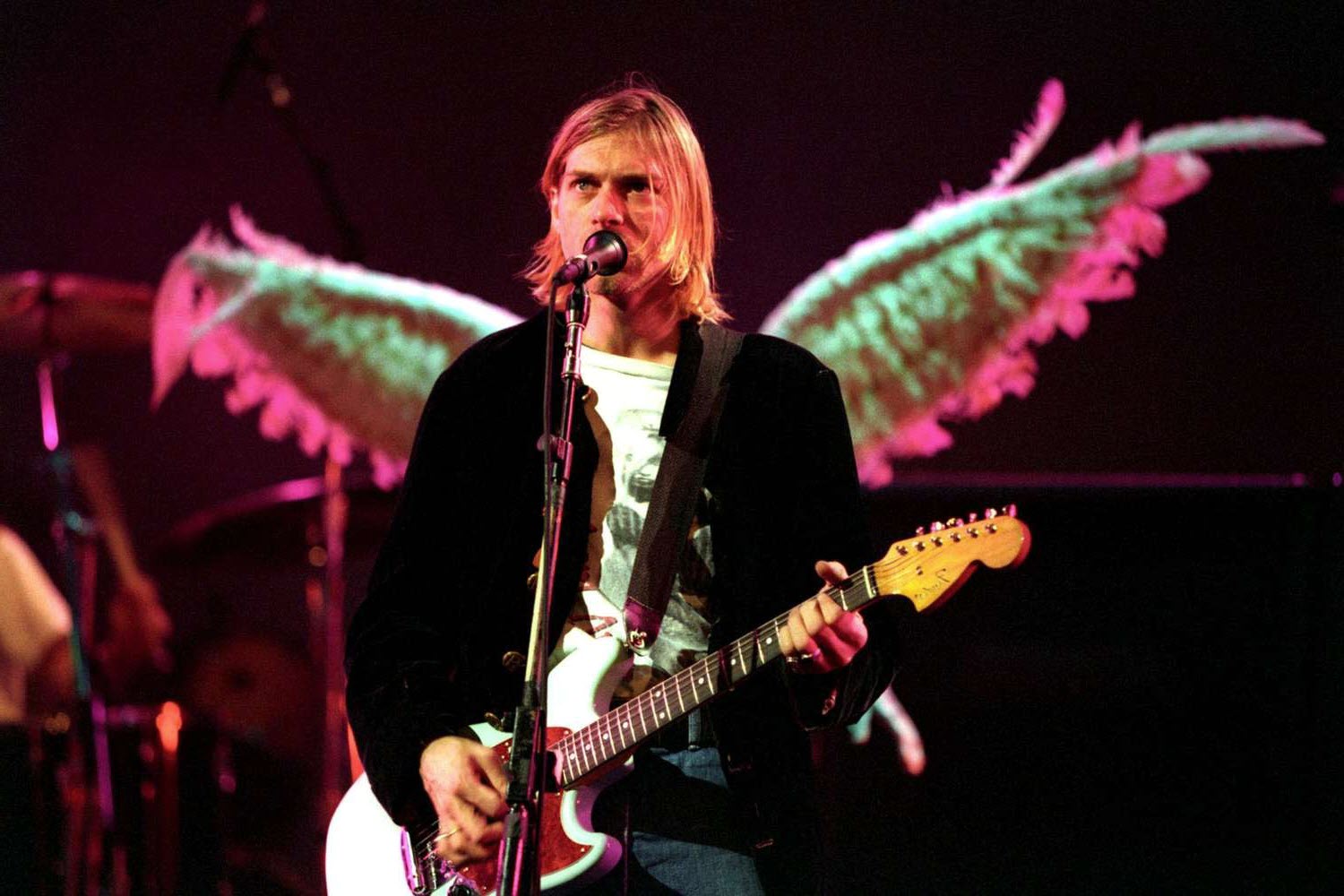
Kurt Cobain, the enigmatic frontman of Nirvana, revolutionized the music scene in the early ’90s with his raw, emotional lyrics and distinctive sound. His artistry captured the spirit of a generation, blending punk rock’s rebellious edge with haunting melodies that resonated deeply with fans. As the voice of a movement, Cobain’s music not only defined an era but also left an indelible mark on the landscape of rock and alternative music.
In this article, we dive into the top 10 most popular songs by Kurt Cobain, celebrating the tracks that solidified his legacy as one of the most influential musicians of all time. From the anthemic “Smells Like Teen Spirit,” which ignited a cultural phenomenon, to the introspective beauty of “Come As You Are,” each song showcases Cobain’s unparalleled ability to convey profound emotions through simple yet poignant lyrics. Join us as we explore the stories behind these iconic tracks, their impact on fans and music alike, and why they continue to resonate with listeners today. Whether you’re a lifelong fan or new to his music, this countdown promises to evoke nostalgia and appreciation for the genius of Kurt Cobain.
1. Smells Like Teen Spirit (1991)
When Nirvana released “Smells Like Teen Spirit” in 1991, they unintentionally launched a cultural revolution. With its gritty power chords, pounding drums, and Kurt Cobain’s anguished vocals, the song became an instant anthem for disillusioned youth. It wasn’t just a hit—it was a wake-up call. From the first sludgy riff, listeners were drawn into a world of frustration, restlessness, and raw rebellion. Cobain’s lyrics were famously cryptic, but their energy and emotion spoke volumes. The line “Here we are now, entertain us” became a rallying cry for a generation that felt ignored and misunderstood. The music video, featuring a chaotic high school pep rally that descends into mayhem, perfectly captured the track’s anti-establishment spirit. Despite—or because of—its resistance to mainstream polish, the song propelled Nirvana into the spotlight, bringing grunge out of Seattle’s underground and into the global mainstream. “Smells Like Teen Spirit” marked a seismic shift in popular music, dethroning polished pop in favor of something raw and real. Even decades later, it’s a song that still pulses with adrenaline, angst, and authenticity, symbolizing the moment when alternative rock took over the airwaves.
2. Come As You Are (1992)
“Come As You Are,” released in 1992, is a haunting, hypnotic invitation into Nirvana’s world of contradictions. Anchored by one of the band’s most recognizable riffs, the track moves with a moody, underwater-like flow that sets it apart from the band’s heavier offerings. Cobain’s lyrics—“Take your time, hurry up, the choice is yours, don’t be late”—highlight the duality and confusion that defined both his personal struggles and the ethos of Generation X. It’s a song that invites listeners to embrace themselves fully, even as it questions what that really means. The melody feels laid-back, but there’s a sense of unease just beneath the surface. That tension makes “Come As You Are” deeply compelling. It’s introspective without being overly sentimental, brooding but accessible. As the second single from Nevermind, the song helped cement Nirvana’s place in the mainstream while proving that grunge wasn’t just about aggression—it was also about reflection and emotional complexity. With its eerie vibe and subtle power, “Come As You Are” continues to resonate with anyone who’s ever felt unsure of their place in the world but dared to show up anyway.
3. Heart-Shaped Box (1993)
“Heart-Shaped Box” marked a turning point for Nirvana in 1993, unveiling a darker, more intricate side to their artistry. As the lead single from In Utero, the song dives into themes of obsession, vulnerability, and emotional entrapment. Cobain’s vocals waver between soft resignation and anguished cries, embodying a deep inner conflict that feels both intimate and overwhelming. Musically, it’s dense and layered—the guitar tones are distorted and murky, reflecting the song’s emotional intensity. The lyrics, cryptic yet vivid, are open to interpretation, with lines like “I’ve been locked inside your heart-shaped box for weeks” suggesting both love and imprisonment. The accompanying music video, filled with surreal and unsettling imagery, complements the song’s psychological weight and was a stark departure from the slick visuals of mainstream music at the time. “Heart-Shaped Box” demonstrated Cobain’s evolution as a songwriter—unafraid to explore the uncomfortable corners of the human experience. It’s a song that lingers long after it ends, a testament to Nirvana’s ability to channel beauty through dissonance. More than just a hit, it’s an emotional landscape in song form, capturing the messy, painful complexities of love, identity, and self-awareness.
4. Lithium (1992)
“Lithium” is a masterclass in musical mood swings, capturing the emotional rollercoaster of mental health struggles with brutal honesty and surprising catchiness. Released in 1992 as the third single from Nevermind, the song is built around the concept of manic depression, with Cobain channeling the unpredictable highs and lows into the track’s structure. It begins with a quiet, almost resigned tone—“I’m so happy ‘cause today I found my friends, they’re in my head”—before exploding into gritty, screaming choruses that shake the listener awake. That sharp contrast mirrors the emotional instability at the heart of the song. Cobain’s vocal delivery feels painfully real, swinging from subdued to unhinged in seconds. Despite the heavy subject matter, the track’s driving rhythm and simple structure make it strangely accessible—almost singable. That’s Nirvana’s genius: wrapping deeply personal, uncomfortable truths in melodies that stick with you. “Lithium” doesn’t try to offer easy answers; instead, it invites listeners into the chaos, offering solidarity to anyone who’s ever felt emotionally out of control. It’s a raw, cathartic release that balances anguish with an odd sort of hope, making it one of Nirvana’s most unforgettable songs.
5. In Bloom (1992)
“In Bloom” is Nirvana’s sardonic wink at their newfound fame, cleverly critiquing the very people who embraced them without truly understanding them. Released in 1992 as a single from Nevermind, the track features one of the band’s most addictive melodies, paired with lyrics that are both playful and pointed. Cobain sings about a guy who “likes all our pretty songs and he likes to sing along,” but “he knows not what it means.” It’s a biting observation of how the mainstream often misinterprets counterculture. Musically, the song has a poppy, almost cheery feel with power-chord-driven choruses and clean, precise drums. But beneath the surface, it’s dripping with irony and subtle contempt. The juxtaposition between the upbeat sound and the subversive lyrics is part of what makes the song so brilliant. The accompanying music video, parodying 1960s television performances, adds another layer of mockery. “In Bloom” captures Cobain’s complicated relationship with fame—grateful for the platform, but wary of the audience that came with it. It’s both a celebration and a critique, showing how Nirvana could be self-aware and biting, even as they dominated the charts.
6. All Apologies (1993)
Released in 1993 as part of Nirvana’s In Utero, “All Apologies” is a haunting meditation on identity, guilt, and acceptance. Stripped down and emotionally raw, the song features a subdued acoustic guitar and cello that create an atmosphere of intimate vulnerability. Cobain’s voice sounds distant yet emotionally present, as if he’s singing from a place of inner exhaustion. The refrain “All in all is all we are” echoes like a quiet surrender, a mantra of self-effacement that lingers long after the song ends. Lyrically, it’s both confessional and cryptic—Cobain never gives us a clear story, but rather fragmented feelings that float through themes of regret, detachment, and longing. Unlike the explosive energy of earlier tracks, “All Apologies” showcases the band’s softer, more introspective side. The MTV Unplugged version, recorded shortly before Cobain’s death, is especially poignant, heightening the song’s sense of melancholy and finality. It feels like a farewell without trying to be one. “All Apologies” is not just a standout in Nirvana’s catalog—it’s one of their most emotionally resonant pieces, proof that even in simplicity, Cobain could communicate something profoundly complex. It remains a quiet masterpiece, balancing sorrow with a fragile kind of peace.
7. About a Girl (1989)
“About a Girl,” featured on Nirvana’s 1989 debut album Bleach, reveals Kurt Cobain’s gift for fusing grunge grit with pop sensibility. Unlike the heavier, more abrasive tracks on the record, this song stands out for its clean guitar line and Beatles-inspired melody. Written about a troubled relationship, possibly with then-girlfriend Tracy Marander, the song carries an emotional undercurrent masked by its catchy structure. Cobain was reportedly nervous about including such a melodic song on the album, fearing it might be too “pop” for their early fans—but it would ultimately foreshadow the balance Nirvana would master on Nevermind. The lyrics, “I need an easy friend,” suggest a yearning for connection and simplicity amid emotional chaos. It’s honest, understated, and charmingly awkward in its vulnerability. When Nirvana revisited “About a Girl” for their MTV Unplugged in New York performance, the acoustic version gained a new level of poignancy. It’s a song that proved from the start that Cobain could craft accessible, memorable music without compromising his authenticity. “About a Girl” remains an essential chapter in Nirvana’s story, capturing the raw charm and emotional depth that would come to define their sound.
8. The Man Who Sold the World (1993)
When Nirvana covered David Bowie’s “The Man Who Sold the World” during their iconic MTV Unplugged performance in 1993, they did more than reinterpret a classic—they redefined it. Cobain’s haunting, stripped-down version introduced a new generation to Bowie’s eerie meditation on identity and self-alienation. Gone were the glam-rock theatrics of the original; in their place was a bare-bones arrangement that felt ghostly and immediate. Cobain’s voice, filled with quiet tension and mystery, gave the song a raw emotional edge. The minimalist acoustic guitar and subtle touches from the rest of the band amplified the sense of introspection, making it feel less like a cover and more like a rediscovery. The performance gave the song a second life and solidified it as a fan favorite in Nirvana’s live catalog. Cobain seemed to identify deeply with the song’s themes of inner conflict and fractured identity, giving the performance an almost autobiographical weight. In the years since, Nirvana’s version has stood alongside Bowie’s as equally definitive. It’s a perfect example of how Cobain could take someone else’s song, strip it down to its emotional core, and make it resonate with his own truth.
9. Something in the Way (1991)
“Something in the Way,” the final track on Nirvana’s Nevermind, is one of the band’s most haunting and introspective songs. With its slow, dirge-like pace and minimalist instrumentation, it paints a bleak picture of isolation and despair. Cobain’s whispery vocals sound barely alive, as if he’s singing from beneath the weight of depression. The lyrics—“Underneath the bridge, the tarp has sprung a leak”—evoke imagery of homelessness and abandonment, possibly referencing a mythicized period of Cobain’s life when he claimed to have lived under a bridge. Whether literal or symbolic, the song communicates a crushing sense of alienation and hopelessness. A droning cello adds an eerie tension that makes the track even more unsettling. It’s a stark contrast to the high-energy hits that define much of Nevermind, serving as a quiet, devastating exhale at the end of a powerful album. The song’s emotional rawness resonated so deeply that it found new life decades later, notably featured in the 2022 film The Batman, introducing it to a fresh audience. “Something in the Way” remains a chilling testament to Cobain’s ability to express pain in its purest, most stripped-down form.
10. Drain You (1991)
“Drain You,” a standout from Nevermind, is one of Nirvana’s most explosive and underrated tracks. With its frantic pace and jagged guitar work, the song captures the chaotic, codependent nature of love and human connection. Cobain described it as one of his favorite Nirvana songs, and it’s easy to see why. The lyrics are bizarre and visceral—“Chew your meat for you, pass it back and forth”—yet they express a twisted kind of intimacy, where boundaries blur and emotional entanglement becomes overwhelming. The middle section breaks into a cacophony of noise—squealing feedback, random effects, and tension-building repetition—that perfectly mirrors the theme of psychological unraveling. Cobain’s vocals oscillate between tender and manic, pulling the listener into the emotional turbulence. It’s that push and pull, that tension between affection and madness, that makes “Drain You” so compelling. The band often used the song as a highlight during live performances, stretching the middle section into a hypnotic storm of noise. It’s a reminder of Nirvana’s experimental edge and Cobain’s fearless vulnerability. “Drain You” may not be as well-known as “Smells Like Teen Spirit,” but it’s every bit as powerful, showcasing the band at their most intense and unfiltered.

Edward Tomlin is a frequent contributor to Singers Room. Since 2005, Singersroom has been the voice of R&B around the world. Connect with us via social media below.









