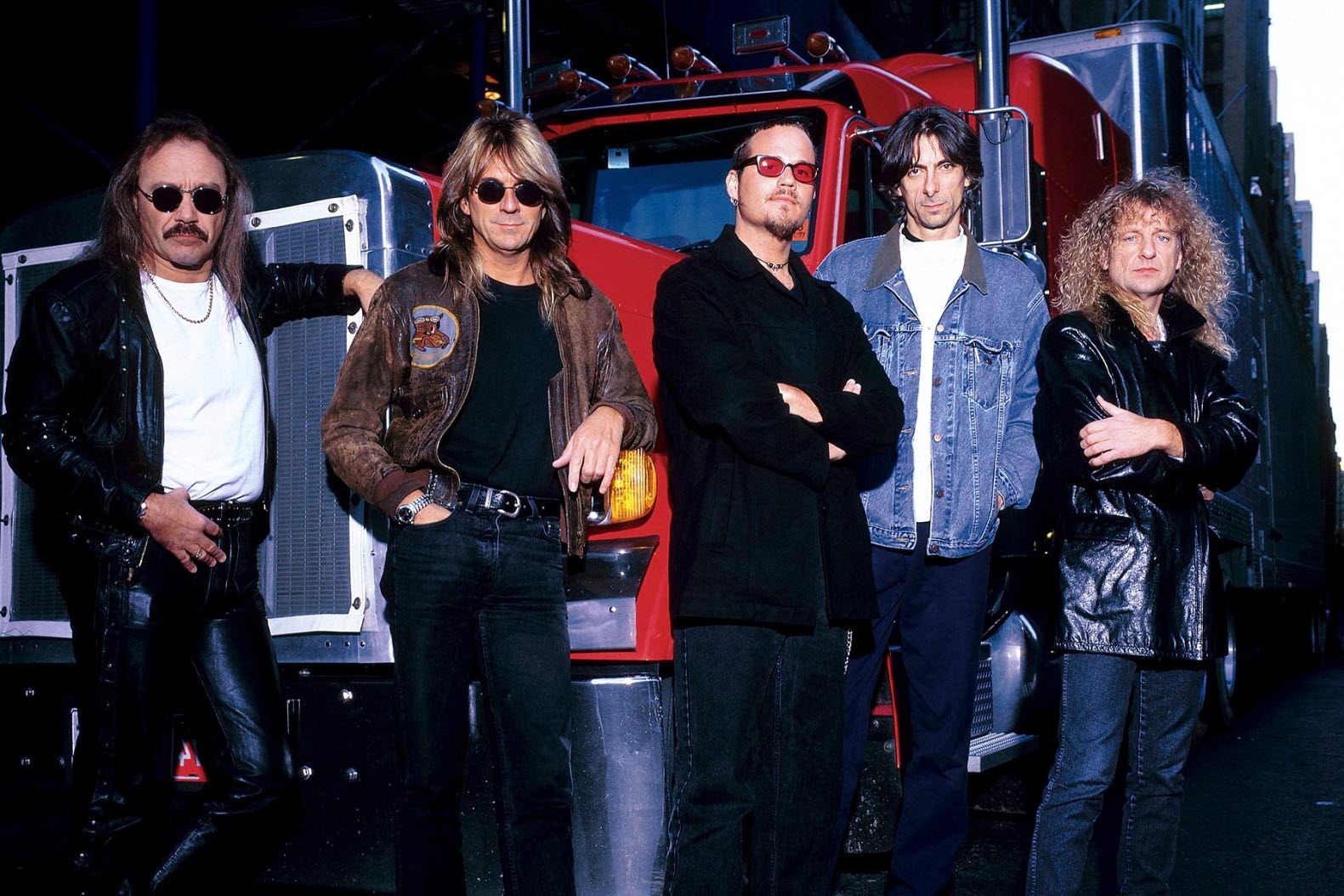
When it comes to heavy metal, few bands have left as indelible a mark as Judas Priest. With their leather-clad image, blistering guitar riffs, and soaring vocals, they’ve crafted anthems that resonate across generations. Formed in 1969, the British rockers have been at the forefront of the genre, influencing countless musicians and fans alike. Their sound, a perfect blend of melodic hooks and aggressive power, has earned them a devoted following and a legacy that is hard to match.
In this article, we’ll explore the top 10 most popular Judas Priest songs of all time, diving into the tracks that defined their career and solidified their status as metal legends. From the heart-pounding energy of “Hell Bent for Leather” to the epic storytelling of “Beyond the Realms of Death,” each song showcases the band’s extraordinary talent and innovation. Whether you’re a lifelong fan or new to the Priest experience, these tracks are essential listening. So, grab your air guitar and get ready to rock as we count down the songs that have made Judas Priest a household name in the world of heavy metal!
1. Breaking the Law (1980)
“Breaking the Law” is one of Judas Priest’s most iconic tracks, pulsing with defiance and raw emotion. Released in 1980 as part of their landmark British Steel album, the song became a rebellious anthem for disillusioned youth. With its instantly recognizable opening riff and pounding rhythm, it doesn’t waste a second grabbing your attention. Lyrically, it tells the story of someone driven to desperation—someone who’s lost everything and finds solace in rebellion. Rob Halford’s delivery captures that sense of urgency and frustration, his voice snarling with conviction. The simplicity of the track is part of its genius—there’s no flash, just pure attitude and memorable hooks that have stood the test of time. In just over two minutes, Judas Priest encapsulates the anger and alienation of a generation. The music video, featuring the band storming a bank with guitars as weapons, added to the song’s legend. “Breaking the Law” has remained a staple of their live shows, always igniting a surge of energy in the crowd. It’s not just a song—it’s a rallying cry for anyone who’s ever felt backed into a corner, and it perfectly exemplifies the band’s ability to channel rebellion into a powerful musical force.
2. Painkiller (1990)
“Painkiller” is Judas Priest at their most ferocious and theatrical. Released in 1990 as the title track of their twelfth studio album, this song signaled a triumphant return to their metal roots—faster, heavier, and more intense than ever. From the thunderous double-kick drumming of Scott Travis in the opening seconds to the blistering twin guitar solos of Glenn Tipton and K.K. Downing, “Painkiller” is a relentless sonic assault. Rob Halford delivers one of his most jaw-dropping vocal performances, screaming with such power and range that it feels almost superhuman. The lyrics depict a mythical savior descending from the skies to rescue humanity from destruction—an apocalyptic figure forged in metal. With its futuristic theme and unyielding pace, the song elevated the band’s legend and helped redefine what heavy metal could be in the ’90s. Its technical complexity and sheer adrenaline have made it a fan favorite and a showcase of each member’s prowess. “Painkiller” doesn’t just hit hard—it demolishes everything in its path, leaving a trail of scorched earth and awe-struck listeners. It remains a cornerstone of the band’s legacy, widely regarded as one of the greatest heavy metal songs of all time.
3. Living After Midnight (1980)
“Living After Midnight” is a celebration of rock ‘n’ roll freedom and the unfiltered joy of living life on your own terms. Released in 1980 on the British Steel album, it’s one of Judas Priest’s most accessible and upbeat tracks, showcasing their ability to blend heavy riffs with catchy, sing-along choruses. Written after a late-night jam session, the song captures the essence of partying into the early hours, reveling in the energy of the night. Rob Halford’s vocals are crisp and confident, carrying a sense of fun and rebellion that’s instantly infectious. The guitar work is tight, groovy, and memorable, especially the main riff that kicks off the track—it’s simple yet incredibly effective. Lyrically, it’s about breaking free from routine and embracing the thrill of nightlife, a theme that resonated with fans all over the world. “Living After Midnight” became a radio hit and remains a fixture in the band’s live performances, often turning crowds into a sea of fists and voices raised high. It’s a song that proves heavy metal doesn’t always have to be dark or aggressive—it can also be a celebration. In short, it’s Judas Priest’s party anthem, pure and unapologetic.
4. Hell Bent for Leather (1978)
“Hell Bent for Leather” is the sonic embodiment of speed, rebellion, and high-octane rock. Released in 1978 on the Killing Machine album (retitled Hell Bent for Leather in the U.S.), the song encapsulates Judas Priest’s image and energy during their rise to metal stardom. It’s a track that roars like a motorcycle engine—fast, furious, and unrelenting. The lyrics paint the picture of a lone rider blazing down the highway, fearless and free, and the metaphor of being “hell bent for leather” perfectly captures the band’s aggressive, leather-clad persona. Musically, the track is tight and focused, built around a chugging riff and Halford’s commanding vocals that scream confidence. His delivery is sharp and theatrical, urging listeners to embrace danger and individuality. It’s not just a song—it’s a mission statement. During live shows, Halford often rides his Harley Davidson onstage to the opening notes, cementing the song’s legacy in metal lore. “Hell Bent for Leather” remains a symbol of unshackled freedom and continues to ignite crowds decades later. With its electrifying pace and iconic chorus, it’s one of the purest expressions of Judas Priest’s impact on heavy metal culture.
5. You’ve Got Another Thing Comin’ (1982)
“You’ve Got Another Thing Comin’” is more than a song—it’s an anthem of defiance and personal strength. Released in 1982 on the Screaming for Vengeance album, it became one of Judas Priest’s biggest hits, bridging the gap between hard rock and heavy metal with a sound that’s both heavy and accessible. The track starts with a punchy riff and a steady beat, building toward a chorus that’s impossible not to shout along to. Lyrically, it’s a message of resilience—if life knocks you down, you come back swinging. Rob Halford’s vocals are confident and assertive, striking the perfect balance between melodic and gritty. The guitar duo of Tipton and Downing shines with precise, punchy riffs and a fiery solo that lifts the track to another level. Over the years, this song has become a rallying cry, not just for fans of metal, but for anyone who’s faced adversity with determination. Whether in stadiums, clubs, or car stereos, “You’ve Got Another Thing Comin’” continues to resonate, offering empowerment in musical form. It’s a timeless track that proves heavy metal can be both hard-hitting and hopeful.
6. Electric Eye (1982)
“Electric Eye” is a fierce blend of science fiction themes and razor-sharp metal, making it one of Judas Priest’s most intellectually intriguing songs. Opening with the instrumental intro “The Hellion,” the track erupts into a storm of guitars and mechanical precision. Released in 1982 on the Screaming for Vengeance album, it presents a dystopian vision of constant surveillance, with the “Electric Eye” watching everything, everywhere. The lyrics feel eerily prophetic, reflecting on privacy, control, and the power of technology—a subject that feels even more relevant today. Musically, the song is relentless: the guitar riffs are tight and menacing, the drumming intense, and Halford’s vocals shift between sinister and soaring. His delivery brings a sense of paranoia and urgency that fits the theme perfectly. The high-speed soloing and mechanical rhythm add a futuristic edge that helps it stand out in the band’s catalog. “Electric Eye” is a fan favorite and a staple of Judas Priest’s live shows, often paired with “The Hellion” to electrify audiences right from the start. It’s not just a metal song—it’s a glimpse into a digital nightmare, wrapped in a sound that demands attention.
7. Beyond the Realms of Death (1978)
“Beyond the Realms of Death” is one of Judas Priest’s most emotionally profound songs, revealing the band’s introspective side. Released in 1978 on the Stained Class album, this powerful ballad dives into themes of isolation, mental anguish, and escape. It begins with a soft, melancholic guitar intro and subdued vocals from Halford, setting a somber and reflective tone. As the song progresses, it crescendos into soaring choruses and blistering guitar solos that convey both anguish and transcendence. The lyrics explore the story of someone who has mentally checked out of a world that no longer offers hope or connection, seeking solace in a place “beyond the realms of death.” Halford’s performance is deeply moving—his voice shifts from fragile to mighty, embodying both pain and liberation. Musically, the contrast between calm verses and powerful instrumental breaks creates a dynamic that keeps the listener emotionally engaged. The guitar solos are particularly moving, offering a cathartic release that complements the lyrical themes. Over time, the song has become a fan favorite for its depth and vulnerability. “Beyond the Realms of Death” isn’t just a ballad—it’s a soul-searching journey that showcases the emotional breadth of heavy metal.
8. The Sentinel (1984)
“The Sentinel” is an epic tale of justice, vengeance, and heroism, brought to life through Judas Priest’s signature blend of metal storytelling and masterful musicianship. Featured on the 1984 album Defenders of the Faith, the song launches into battle with a powerful, chugging riff that sets the tone for the showdown to come. The lyrics tell the story of a lone guardian—the Sentinel—who watches over a desolate battlefield, delivering justice to the wicked with merciless precision. Rob Halford’s vocals are fierce and commanding, driving the narrative with a tone of righteous fury. The music matches the theme perfectly: the guitar work by Tipton and Downing is aggressive yet melodic, with solos that feel like they’re slicing through the air. There’s a sense of cinematic grandeur to the song—it builds tension, delivers action, and leaves a lasting impression. “The Sentinel” is one of Judas Priest’s most underrated masterpieces, showcasing their ability to craft a full story within the confines of a five-minute metal song. It’s a standout track that demonstrates their power not only as musicians, but as mythmakers in the heavy metal realm.
9. Turbo Lover (1986)
“Turbo Lover” marked a bold and unexpected turn in Judas Priest’s sound, incorporating sleek synthesizers and a more polished production style that leaned into the glam-infused sounds of the mid-1980s. Released on the Turbo album in 1986, the song is a sensual, futuristic ode to passion and speed. The title itself is a double entendre, blending the thrill of high-powered machines with physical desire. The synth-heavy intro gives way to a pulsing rhythm and catchy guitar lines, creating a sonic atmosphere that’s both seductive and powerful. Halford’s vocals are smoother and more restrained than usual, matching the song’s sleek vibe, but he still delivers every line with control and intensity. The chorus—“I’m your turbo lover / Tell me there’s no other”—is undeniably catchy and has become a defining hook in their catalog. While the song initially divided fans due to its more commercial sound, it has since become a beloved staple in Judas Priest’s live performances. “Turbo Lover” is proof of the band’s willingness to experiment and adapt while still maintaining their identity. It’s a track that pulses with energy, attitude, and metallic allure.
10. A Touch of Evil (1990)
“A Touch of Evil” is a haunting and seductive metal ballad that dives into the darker corners of desire and temptation. Released on the Painkiller album in 1990, the track balances heavy metal power with a slow-burning, eerie atmosphere that sets it apart from the album’s more aggressive offerings. The song opens with a brooding keyboard line that immediately casts a shadow, creating a sense of mystery before the guitars kick in with thick, sludgy riffs. Lyrically, it explores the overwhelming pull of forbidden attraction—an invisible force that both captivates and consumes. Rob Halford’s vocals are commanding and dramatic, shifting seamlessly between smooth crooning and intense wails. His performance is full of emotional weight, delivering each line with a sense of haunted seduction. The guitar solos by Tipton and Downing are rich with texture and emotion, elevating the song’s sense of tension and release. “A Touch of Evil” stands as a reminder that Judas Priest is as adept at exploring mood and nuance as they are at unleashing metal fury. It’s a song that lingers in the mind, offering a slow, shadowy thrill with every listen.

Edward Tomlin is a frequent contributor to Singers Room. Since 2005, Singersroom has been the voice of R&B around the world. Connect with us via social media below.









