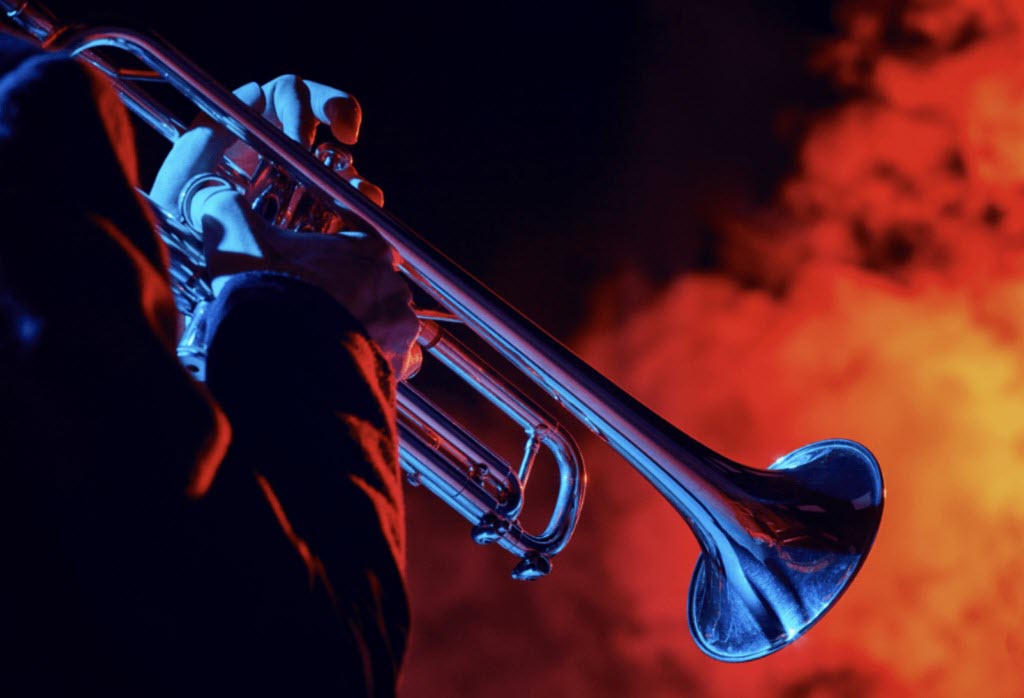
Jazz isn’t just music—it’s emotion, innovation, and rebellion wrapped in rhythm and melody. From smoky clubs in Harlem to legendary stages around the world, jazz has shaped the soundscape of the 20th century and beyond. It’s a genre that celebrates freedom and improvisation, where every note tells a story and every performance is a unique moment in time. Whether it’s the wistful whisper of a ballad or the electric pulse of a big band swing, jazz has given us some of the most iconic songs in music history. In this curated list, we dive into the Top 15 Most Popular Jazz Songs of All Time—timeless tracks that have defined eras, broken barriers, and inspired generations of musicians and fans alike. These aren’t just songs—they’re cultural milestones, each with its own soul and legacy. From the cool sophistication of Miles Davis to the raw emotion of Billie Holiday, prepare to journey through a soundscape that is as rich and diverse as jazz itself. Whether you’re a lifelong aficionado or a curious newcomer, this list is your ticket to the heart and soul of jazz. Let the swing, soul, and syncopation begin!
1. “Take Five” – Dave Brubeck Quartet (1959)
“Take Five,” released in 1959 on the Dave Brubeck Quartet’s landmark album Time Out, is more than just a jazz hit—it’s a cultural phenomenon. Composed by alto saxophonist Paul Desmond, the track broke the mold with its daring 5/4 time signature, something almost unheard of in popular music at the time. Yet somehow, it swings effortlessly. Joe Morello’s mesmerizing drum solo, Desmond’s silky saxophone lines, and Brubeck’s steady piano vamp come together to create a piece that’s at once complex and catchy. The unusual rhythm could have alienated listeners, but instead, “Take Five” became the first jazz single to sell over a million copies, proving that innovation and accessibility can go hand in hand. Its hypnotic groove has kept it alive in everything from movie soundtracks to commercials, and it remains a staple in jazz education and live performance. This track didn’t just put the Dave Brubeck Quartet on the map—it expanded the map entirely. “Take Five” continues to be a gateway for new listeners discovering jazz, offering a taste of sophistication without losing its soul.
2. “So What” – Miles Davis (1959)
Opening Miles Davis’s Kind of Blue, “So What” is a revolution disguised as a relaxed conversation. Recorded in 1959, this track introduced the world to modal jazz—a style that favors mood and scale over complex chord changes. Built around just two chords, “So What” creates an enormous sense of space and freedom. Davis begins with a muted trumpet statement that’s both cool and haunting, followed by improvisations from John Coltrane and Cannonball Adderley that stretch across emotional and tonal landscapes. The rhythm section—Bill Evans on piano, Paul Chambers on bass, and Jimmy Cobb on drums—lays down a shimmering bed of subtle swing. What makes “So What” enduring isn’t its technical complexity but its philosophical simplicity. It invites the listener to lean in, breathe, and reflect. Despite its minimal framework, the piece feels endlessly deep, each soloist adding layers of nuance. “So What” wasn’t just the start of an album; it was the start of a new way of thinking about jazz. It redefined what improvisation could sound like and gave future generations a new blueprint for musical exploration.
3. “My Favorite Things” – John Coltrane (1961)
When John Coltrane released his version of “My Favorite Things” in 1961, he transformed a familiar Broadway show tune into something transcendent. Swapping out the traditional vocals for his soprano saxophone, Coltrane stretched the song into a 14-minute modal odyssey. The familiar waltz rhythm stayed intact, but everything else was reinvented. McCoy Tyner’s shimmering piano chords, Steve Davis’s grounding bass, and Elvin Jones’s polyrhythmic drumming created a dreamy, swirling backdrop for Coltrane’s improvisations. The soprano sax brought a brightness and intensity to the melody, making it feel both ethereal and emotionally urgent. More than just a cover, “My Favorite Things” was Coltrane’s declaration of artistic freedom and spiritual curiosity. It became his first big commercial hit and marked a turning point in his career, as he fully embraced modal jazz and pushed toward more avant-garde and deeply personal expressions. Even listeners unfamiliar with jazz are often drawn in by the piece’s hypnotic quality. It’s proof that great music can elevate even the most well-worn melodies into something new, profound, and endlessly listenable.
4. “’Round Midnight” – Thelonious Monk (1944)
“’Round Midnight” is Thelonious Monk’s most famous composition, and arguably one of the most hauntingly beautiful ballads in jazz history. Written around 1943 and recorded the following year, the piece is steeped in late-night melancholy and quiet introspection. Monk’s approach to melody and harmony was anything but conventional—his chords are jagged and his phrasing slightly askew—but in “’Round Midnight,” everything fits together in an oddly perfect way. The tune quickly became a jazz standard, with notable renditions by Miles Davis, Cootie Williams, and Dizzy Gillespie. Still, no one plays it quite like Monk himself. His own performances shimmer with fragile tension and emotional depth, balancing darkness and elegance. The composition became so emblematic of jazz’s mysterious allure that it inspired the title of the 1986 film Round Midnight, a love letter to the genre. At its core, “’Round Midnight” captures that quiet moment of solitude when the world slows down and emotions rise to the surface. It’s jazz at its most poetic—both broken and beautiful, cerebral and soulful.
5. “Strange Fruit” – Billie Holiday (1939)
“Strange Fruit” is not just a song—it’s a searing indictment of racism and a defining moment in American music history. Recorded by Billie Holiday in 1939, the track was based on a poem by teacher Abel Meeropol that described the horrific practice of lynching in the American South. Holiday’s performance is restrained yet devastating. She doesn’t over-sing; instead, her voice trembles with sorrow and barely contained anger, allowing the brutal imagery—“Black bodies swinging in the Southern breeze”—to speak for itself. The stark arrangement, often featuring just piano or muted horns, strips the song to its emotional core. Released in an era when speaking out about racial injustice could destroy careers, “Strange Fruit” was banned by many radio stations. Still, it found its audience and has endured for generations. Holiday’s rendition turned a protest into a personal, spiritual cry—equal parts lament and resistance. It solidified her legacy not just as a great jazz vocalist, but as a fearless artist who used her voice to confront cruelty and demand change. Even today, “Strange Fruit” remains one of the most haunting and powerful songs ever recorded.
6. “All Blues” – Miles Davis (1959)
“All Blues” is a masterclass in subtle transformation. Released in 1959 on Kind of Blue, the track takes the 12-bar blues structure—something deeply rooted in jazz tradition—and filters it through the modal lens Miles Davis was pioneering. The result is a composition that feels at once timeless and utterly fresh. Played in 6/8 time, “All Blues” rolls with a gentle swing that opens space for introspection. Bill Evans’s piano chords shimmer quietly, while Paul Chambers’s bass line keeps everything grounded. Each soloist—John Coltrane, Cannonball Adderley, and Davis himself—adds a unique color to the palette, weaving in and out of the modal framework with lyrical ease. There’s no flashiness here, just a deep, simmering groove that rewards patience. What makes “All Blues” special is how approachable it is, even for listeners new to jazz. It’s both meditative and emotionally resonant, inviting you to sink in and float along. This piece epitomizes Miles Davis’s genius: the ability to create music that’s simple in structure but endlessly rich in feeling.
7. “A Love Supreme, Pt. I: Acknowledgement” – John Coltrane (1964)
The opening movement of John Coltrane’s A Love Supreme, “Acknowledgement” is not just a jazz performance—it’s a spiritual experience. Released in 1964, the track begins with a gong and a mantra-like bass riff from Jimmy Garrison that forms the foundation for everything that follows. Coltrane’s saxophone enters softly, gradually building into a declaration of spiritual awakening. His repeated musical motif is eventually vocalized in a chant: “A Love Supreme.” That moment—brief, raw, and reverent—transforms the track into something sacred. Inspired by Coltrane’s personal journey from addiction to enlightenment, “Acknowledgement” reflects a soul searching for—and finding—grace. Elvin Jones on drums and McCoy Tyner on piano form a spiritual engine, driving Coltrane’s improvisation with a mix of intensity and restraint. The entire suite is regarded as one of jazz’s most profound achievements, and this first part sets the tone with sincerity and depth. It’s a reminder that jazz, at its best, is more than entertainment—it’s expression, prayer, and truth. “Acknowledgement” continues to inspire musicians and listeners alike as a sonic testament to healing and transcendence.
8. “Sing, Sing, Sing” – Benny Goodman (1937)
When “Sing, Sing, Sing” roared onto the scene in 1937, it did more than get people dancing—it electrified an entire era. Though composed by Louis Prima, it was Benny Goodman’s version that turned the track into a swing-era sensation. The recording, especially the historic performance at Carnegie Hall in 1938, is a tour de force of big band energy. From Gene Krupa’s driving tom-tom drumming to Goodman’s fiery clarinet solos, the song builds like a freight train of rhythm and brass. Unlike most songs of its time, “Sing, Sing, Sing” was long, loud, and unapologetically wild—closer in spirit to a rock concert than a ballroom dance. Its extended instrumental breaks gave soloists room to shine and the audience a taste of improvisational jazz at its most exuberant. The track became Goodman’s signature closer and helped solidify his title as the “King of Swing.” More than 80 years later, “Sing, Sing, Sing” still pulses with energy. It’s the sound of an era discovering its voice—and having a damn good time doing it.
9. “Misty” – Erroll Garner (1954)
Erroll Garner’s “Misty,” recorded in 1954, is one of those rare songs that seems to float in from another world. With its lush, romantic melody and emotional depth, the track has become a timeless classic—beloved in jazz circles and beyond. The song begins with Garner’s signature unaccompanied rubato intro, where his piano seems to drift freely through time, setting a dreamlike mood. Then, he settles into the main theme—a delicate, swaying ballad that feels both intimate and grand. Garner’s style is unique: he plays with orchestral richness, blending rhythm and melody with elegant fluidity. “Misty” quickly became a hit, especially after Johnny Mathis’s vocal version helped bring it to the pop charts. But even with countless covers by artists like Sarah Vaughan and Ella Fitzgerald, Garner’s original remains definitive. It’s more than just a beautiful tune—it’s a mood, a moment, a memory in sound. Whether heard over a quiet dinner or in the solitude of night, “Misty” wraps around you like a warm breeze, reminding us that music doesn’t have to shout to leave a lasting impression.
10. In a Sentimental Mood – Duke Ellington (1935)
Composed by Duke Ellington in 1935, “In a Sentimental Mood” is a quintessential jazz ballad that drips with elegance, longing, and melodic grace. Legend has it that Ellington wrote the song backstage in a matter of minutes to soothe tensions at a party—yet what emerged is one of the most emotionally resonant pieces in jazz history. Its gentle, descending melody casts a spell of wistful reflection, a kind of musical sigh that speaks volumes without raising its voice. The piece quickly became one of Ellington’s signature works, recorded and reinterpreted by generations of artists. Among the most celebrated versions is the 1962 collaboration between Ellington and John Coltrane, a sublime meeting of eras and minds. That rendition fused Ellington’s sophisticated swing with Coltrane’s modal mysticism, creating a version that feels both timeless and transcendent. Even in its original form, though, “In a Sentimental Mood” captures the quiet poetry of Ellington’s genius. It’s the sound of twilight—subtle, shadowed, and achingly beautiful. Whether heard in a smoky club or a quiet evening at home, this song has the uncanny ability to evoke memory and emotion in its purest, most elegant form.
11. Birdland – Weather Report (1977)
“Birdland,” released in 1977 by jazz fusion giants Weather Report, is a jubilant homage to the iconic New York nightclub where jazz legends like Charlie Parker and Miles Davis once reigned. Composed by Joe Zawinul and featured on the album Heavy Weather, this track defied expectations by becoming both a critical and commercial success—a rare feat in the jazz world. Built on a catchy, buoyant melody and layered with electric textures, “Birdland” is a sonic party. Jaco Pastorius’s bass playing is nothing short of electric—both technically jaw-dropping and irresistibly funky—while Zawinul’s synth work dances across the track with joyful abandon. Unlike the dense and sometimes impenetrable jazz fusion of the era, “Birdland” is bright, rhythmic, and downright fun, making it accessible even to casual listeners. Its infectious spirit earned it Grammy nods and a second life through vocal versions by groups like The Manhattan Transfer. More than just a tribute, “Birdland” is a celebration of jazz’s legacy and future, merging tradition with innovation. It’s the rare instrumental that can make you smile, groove, and marvel at the musical prowess behind every note. Nearly five decades later, it still feels fresh and alive.
12. Maiden Voyage – Herbie Hancock (1965)
“Maiden Voyage,” the title track from Herbie Hancock’s 1965 Blue Note album, is more than a jazz composition—it’s a meditative journey across uncharted musical waters. Designed to evoke the feeling of a ship setting out to sea, the piece begins with a gentle, wave-like piano motif that creates a sense of fluidity and motion. From there, Hancock and his stellar band—Freddie Hubbard on trumpet, George Coleman on saxophone, Ron Carter on bass, and Tony Williams on drums—build an atmosphere that’s simultaneously tranquil and exploratory. Harmonically, the piece leans on suspended chords and modal forms, giving it a floating, ethereal quality that was groundbreaking at the time. What makes “Maiden Voyage” so enduring is its balance of compositional structure and improvisational space. Each musician is given room to navigate the harmonic seas, resulting in a performance that’s cohesive yet full of personal expression. The track has since become a jazz standard, beloved by musicians for its melodic beauty and harmonic richness. But more than anything, “Maiden Voyage” captures the essence of discovery—the quiet thrill of stepping into the unknown, both musically and emotionally. It remains one of Hancock’s most lyrical and evocative masterpieces.
13. God Bless the Child – Billie Holiday (1941)
Co-written by Billie Holiday and lyricist Arthur Herzog Jr., “God Bless the Child” is more than just a song—it’s a personal testament to independence and inner strength. Recorded in 1941, the track was reportedly inspired by a painful dispute between Holiday and her mother over money. Out of that emotional conflict came one of her most enduring and powerful songs. Built on a blues-gospel framework, the lyrics offer a quiet but pointed commentary on economic inequality and self-reliance: “Them that’s got shall get, them that’s not shall lose.” Holiday’s vocal performance is subdued but resolute, filled with the kind of lived-in emotion that made her one of jazz’s most compelling storytellers. The instrumentation is sparse, allowing every nuance of her phrasing to shine through. Over the years, “God Bless the Child” has been covered by artists across genres—from Blood, Sweat & Tears to Diana Ross—but none match the raw intimacy of Holiday’s original. It’s a masterclass in restraint and emotional truth, a ballad that resonates as deeply today as it did over 80 years ago. More than a jazz standard, it’s a soul-deep declaration of dignity in the face of hardship.
14. Stolen Moments – Oliver Nelson (1961)
“Stolen Moments,” the opening track of Oliver Nelson’s 1961 album The Blues and the Abstract Truth, is a cool, blues-infused gem that has become one of modern jazz’s most iconic compositions. With its haunting, minor-key melody and slow-burning groove, the tune immediately draws listeners into its smoky, mysterious world. Unlike the conventional 12-bar blues, Nelson constructs this piece around a 16-bar form, offering fresh harmonic territory for improvisation while retaining that deep bluesy essence. The arrangement features an all-star lineup—Freddie Hubbard on trumpet, Eric Dolphy on alto sax, Bill Evans on piano, and others—each delivering thoughtful, expressive solos that feel more like conversations than showcases. Nelson’s arrangement is masterfully balanced: complex yet inviting, sophisticated yet soulful. The tune’s subtle tension and release, paired with its melodic grace, make it endlessly replayable and emotionally resonant. “Stolen Moments” has since become a staple in jazz education and performance, praised for its seamless blend of form and feeling. It’s the kind of piece that reveals new depths with every listen—a moment stolen from time, filled with elegance, introspection, and quiet brilliance.
15. Cantaloupe Island – Herbie Hancock (1964)
Herbie Hancock’s 1964 classic “Cantaloupe Island” is one of the most irresistible grooves in jazz history. Taken from his Empyrean Isles album, the tune features a simple, churning piano riff that immediately grabs the listener—a riff that’s equal parts blues, bop, and funk. That core idea drives the whole piece, creating a laid-back but infectious energy that has made the track a go-to jam for generations. Trumpeter Freddie Hubbard brings fiery precision, while Tony Williams’s drumming injects a restless momentum beneath the cool surface. Hancock’s playing is rhythmic and minimalist, proving that less can indeed be more. Though rooted in hard bop, “Cantaloupe Island” hints at the funkier directions jazz would soon explore, making it a precursor to the jazz-funk and fusion movements of the late ’60s and ’70s. Its legacy was further cemented when hip-hop group Us3 sampled it for their 1993 hit “Cantaloop (Flip Fantasia),” introducing Hancock’s groove to a whole new generation. Accessible, funky, and endlessly replayable, “Cantaloupe Island” is proof that jazz can be both musically sophisticated and unapologetically cool—a track that makes you move and think all at once.

Samuel Moore is a frequent contributor to Singers Room. Since 2005, Singersroom has been the voice of R&B around the world. Connect with us via social media below.









