Jazz, a genre born from the rich tapestry of African American culture, has captivated audiences for over a century with its improvisational brilliance and emotive depth. It is a musical journey that transcends time, blending elements of blues, ragtime, and swing into a vibrant expression of human experience. In this article, we celebrate the top 15 best jazz artists of all time—visionaries who have shaped the genre and left an indelible mark on the world of music.
From the soul-stirring trumpet of Louis Armstrong to the innovative genius of Miles Davis, these artists have not only defined jazz but have also influenced countless musicians across various genres. Their unique styles and groundbreaking techniques have pushed the boundaries of what jazz can be, creating timeless masterpieces that continue to resonate with audiences today.
Join us as we explore the lives and legacies of these legendary figures, each contributing their own distinct voice to the jazz narrative. Whether you’re a lifelong fan or a newcomer to the genre, this journey through the world of jazz promises to inspire and enlighten, showcasing the unparalleled artistry that has made these musicians icons of their craft.
1. Louis Armstrong
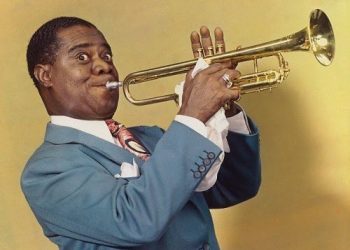
Louis Armstrong, affectionately called “Satchmo,” stands as one of the most important figures in the history of jazz and American music as a whole. His unforgettable gravelly voice and dazzling trumpet solos helped bring jazz into the mainstream during the 20th century. Armstrong wasn’t just a brilliant musician—he was a magnetic performer with a contagious smile and presence that transcended the stage. Songs like “What a Wonderful World,” “Hello, Dolly!,” and “When the Saints Go Marching In” became timeless because of his unique delivery and heartfelt expression. He revolutionized the art of solo improvisation in jazz, shifting the spotlight from group arrangements to individual artistry. Armstrong’s work set the foundation for modern jazz, and his phrasing, tone, and timing have inspired generations of vocalists and instrumentalists alike. Beyond his musical gifts, he broke racial barriers in the entertainment world and became a global ambassador for jazz, touring internationally at a time when few Black artists could. His joy for life and deep love for music shine through in every performance, making Louis Armstrong not just a jazz legend, but a cultural icon whose legacy still echoes through the world of music today.
2. Duke Ellington
Duke Ellington was not only one of jazz’s greatest bandleaders, but also one of its most prolific and sophisticated composers. With a career that spanned over 50 years, Ellington elevated jazz from nightclub entertainment to an art form worthy of concert halls. His compositions, including classics like “Mood Indigo,” “Sophisticated Lady,” and “It Don’t Mean a Thing (If It Ain’t Got That Swing),” blended elegance with raw swing, often weaving in rich harmonies and evocative textures. Ellington’s orchestra was a breeding ground for talent, showcasing legendary musicians like Johnny Hodges and Cootie Williams, and his writing often played to their unique strengths. He wasn’t afraid to experiment, composing extended suites such as “Black, Brown and Beige” that reflected the African American experience. Ellington’s brilliance lay in his ability to constantly evolve while maintaining a distinct sound—refined, yet emotionally resonant. Whether performing at the Cotton Club or Carnegie Hall, he carried himself with grace, intelligence, and charisma. His contribution to music transcended genres and changed how the world saw jazz. To this day, Duke Ellington’s influence continues to shape modern jazz, and his body of work stands as a towering achievement in American music history.
3. Charlie Parker
Charlie Parker, nicknamed “Bird,” was a towering genius in the world of jazz whose innovations helped birth the bebop movement. A master of the alto saxophone, Parker played with breathtaking speed and imagination, reshaping how jazz musicians approached harmony, rhythm, and improvisation. His compositions like “Ornithology,” “Ko-Ko,” and “Confirmation” showcased not just technical brilliance but emotional depth, often blending rapid-fire runs with hauntingly lyrical phrases. Bird’s artistry was revolutionary—he turned jazz from a danceable genre into a sophisticated art form that demanded close listening. Alongside fellow pioneers like Dizzy Gillespie, he introduced complex chord changes and fast-paced solos that laid the groundwork for modern jazz. Despite a turbulent personal life marked by addiction and hardship, Parker’s influence was undeniable. Musicians across all genres have studied and revered his work, and his recordings remain essential listening for jazz students and lovers. His genius redefined the role of the soloist and expanded the possibilities of improvisation. Though his life was tragically short, his impact is enduring. Charlie Parker didn’t just play jazz—he transformed it, pushing its boundaries and forever changing its sound and soul. His music remains a beacon for those seeking artistic innovation and expressive freedom.
4. John Coltrane
John Coltrane was more than just a saxophonist—he was a spiritual seeker whose music became a vessel for profound emotion and transcendent expression. Known for his intense and deeply personal playing style, Coltrane’s work explored the outer reaches of jazz, especially through his ventures into modal and avant-garde territory. Albums like *A Love Supreme*, *Blue Train*, and *Giant Steps* are hailed as masterpieces, each showcasing his technical command and fearless improvisation. *A Love Supreme* in particular stands out as a musical prayer, a declaration of faith and gratitude that continues to touch listeners’ souls. Coltrane’s relentless drive for artistic growth was matched by a powerful spiritual journey, which often manifested in the soaring, passionate sound of his saxophone. He was constantly evolving, never content to stay in one place creatively, and he inspired countless musicians to pursue authenticity over commercial success. Even decades after his death, his music remains a touchstone for those who see jazz as a form of spiritual exploration. Whether in quiet introspection or volcanic outpourings, Coltrane’s sound carries a message of searching, love, and freedom. His legacy isn’t just musical—it’s philosophical, emotional, and deeply human.
5. Billie Holiday
Billie Holiday
Billie Holiday, often remembered as “Lady Day,” brought something raw, haunting, and beautifully human to every song she sang. Her voice wasn’t the loudest or the most technically perfect, but it was unmistakably real—etched with experience, pain, and soul. Songs like *Strange Fruit* and *God Bless the Child* weren’t just performances; they were stories, testimonies of a life marked by both hardship and resilience. *Strange Fruit* in particular stands as one of the most powerful protest songs ever recorded, confronting the horrors of racism with unflinching bravery. Holiday had a unique way of bending phrases and sliding between notes that made even the simplest lyric feel deeply personal. She didn’t just sing a song—she lived it. Her music was an emotional experience, filled with longing, heartbreak, and fleeting joy. Despite a turbulent life, her artistry never faltered. Billie Holiday redefined what it meant to be a jazz singer, bringing emotional honesty to the forefront. She opened the door for future artists to use their voice not just as an instrument, but as a channel for truth. Her influence spans genres, and her legacy continues to inspire those who dare to sing from the soul.
6. Miles Davis
Miles Davis was the embodiment of change in jazz. With a career that spanned over five decades, he constantly reinvented himself and the music around him. Davis was not afraid to take risks or go against the grain—he lived to explore new sounds. From the cool elegance of *Kind of Blue*, one of the best-selling jazz albums of all time, to the electric fusion of *Bitches Brew*, Davis shattered expectations and reshaped the landscape of jazz. His trumpet playing was subtle yet expressive, always finding the perfect note or silence to say what words couldn’t. Collaborating with legends like John Coltrane, Bill Evans, and Herbie Hancock, Davis nurtured talent and drove innovation. He embraced everything from bebop to funk, rock, and even hip-hop influences later in life. More than just a musician, Miles Davis was a cultural icon whose style and attitude influenced fashion, film, and modern music. His ability to stay ahead of the curve made him a true visionary. For Miles, music was never static—it was alive, evolving, and boundless. That spirit of fearless creativity is what continues to make him a towering figure in the world of jazz and beyond.
7. Ella Fitzgerald
Ella Fitzgerald, often called the “First Lady of Song,” remains one of the most beloved and respected jazz vocalists in history. Her voice had a purity, warmth, and playfulness that could make any song come alive. Known for her impeccable diction, crystal-clear tone, and unmatched scat singing, Fitzgerald possessed an extraordinary vocal range and an instinct for melody that made her interpretations truly special. With songs like *Summertime*, *Dream a Little Dream of Me*, and her many collaborations with Louis Armstrong, she brought elegance and joy to the world of jazz. Over her six-decade career, she recorded countless standards, often drawn from the Great American Songbook, making these songs accessible and unforgettable to new generations. Fitzgerald’s ability to swing, improvise, and emotionally connect with her audience set her apart. Despite facing racial and gender barriers in her time, she rose to international fame and earned widespread acclaim, including 13 Grammy Awards. Her charm and humility made her not only an icon but also a role model. Whether performing in intimate clubs or grand concert halls, Ella Fitzgerald delivered performances full of heart, leaving an indelible mark on music history that still resonates today.
8. Ornette Coleman
Ornette Coleman was a revolutionary figure in jazz who broke down barriers and redefined how music could be structured and felt. Known for pioneering the free jazz movement, Coleman challenged traditional notions of harmony, rhythm, and form. His landmark album *The Shape of Jazz to Come* was a bold declaration—raw, emotive, and unbound by convention. Rather than following chord progressions, Coleman focused on pure expression, letting melody and emotion drive the music forward. This liberated approach allowed his musicians to interact with each other in spontaneous and surprising ways. While controversial at first, Coleman’s work eventually gained widespread recognition for its daring creativity and honesty. He played the alto saxophone with a voice that was often unpredictable yet deeply human, capable of both joyous bursts and aching vulnerability. His influence reached beyond jazz into classical and avant-garde music, and his fearless experimentation inspired countless musicians to embrace innovation. Coleman’s philosophy was that music should reflect freedom, not just in structure but in spirit. By removing the rules, he gave birth to a whole new language in jazz. Today, Ornette Coleman is celebrated as a visionary who changed the possibilities of what music could be.
9. Herbie Hancock
Herbie Hancock is one of the most versatile and forward-thinking artists in jazz history. Known for constantly reinventing himself, Hancock has explored a wide range of styles—from classic post-bop to funk, electronic fusion, and beyond. His early work as a member of the Miles Davis Quintet helped shape the sound of modern jazz, contributing compositions like “Maiden Voyage” and “Cantaloupe Island” that became standards. But Hancock didn’t stop there. With his groundbreaking album *Head Hunters*, he introduced a whole new level of groove to jazz, blending synthesizers and funk rhythms in a way that made jazz more accessible to younger audiences. His curiosity and openness to new sounds led him to collaborate with artists across genres, from jazz legends to hip-hop innovators. Tracks like “Chameleon” and “Rockit” demonstrate not only his technical brilliance on the keys but also his flair for innovation. What sets Hancock apart is his fearless creativity—he’s always reaching forward, never content with past achievements. Despite his experimental nature, his music always maintains emotional clarity and rhythmic appeal. Herbie Hancock isn’t just a jazz musician—he’s a musical explorer whose work continues to challenge, excite, and inspire listeners around the world.
10. Chick Corea
Chick Corea was a master pianist and composer whose vast body of work touched nearly every corner of the jazz universe. From straight-ahead acoustic sets to electric jazz fusion, Corea always approached music with both playfulness and precision. He rose to prominence playing with Miles Davis during the late ’60s, contributing to the groundbreaking fusion recordings like *In a Silent Way* and *Bitches Brew*. But it was with his own projects—particularly the band Return to Forever—that Corea made his most lasting impact. Albums like *Spain* and *Light as a Feather* revealed his extraordinary range as both a composer and improviser. His classical influences often shone through in his jazz playing, resulting in intricate, expressive performances that were as intellectually satisfying as they were emotionally rich. Corea’s chemistry with other musicians was second to none; he thrived in duo settings with artists like Gary Burton and Herbie Hancock. He approached every collaboration with enthusiasm and humility, always eager to learn and grow. Chick Corea’s legacy lives on not just in his recordings, but in the spirit of exploration and joy he brought to everything he touched. He remains one of the most influential voices in modern jazz piano.
11. Count Basie
Count Basie brought swing to life with a signature sound that balanced simplicity with irresistible rhythm. As a bandleader and pianist, he created one of the most iconic big bands in jazz history, one that didn’t just play music—it swung with style. His group’s tight arrangements, strong rhythm section, and blues-infused charm helped define the big band era of the 1930s and 1940s. Tunes like *One O’Clock Jump* and *April in Paris* became jazz standards thanks to their infectious groove and vibrant horn sections. What made Basie’s band so distinctive was its ability to combine power with finesse—each musician had room to shine, but everything still clicked like a well-oiled machine. Basie himself was never flashy on the piano; his understated, minimalist approach let the band breathe and emphasized the rhythm, often with just a few perfectly placed notes. Beyond his musical talent, he was a brilliant leader who knew how to bring out the best in his players. He worked with legends like Lester Young, Billie Holiday, and Frank Sinatra, leaving a legacy of collaborations that elevated jazz’s popularity. Count Basie made jazz danceable, joyful, and timeless—and his swing still makes people tap their feet today.
12. Sarah Vaughan
Sarah Vaughan, affectionately known as “Sassy,” possessed one of the most powerful and richly expressive voices in jazz history. Her vocal range was astounding—effortlessly spanning multiple octaves—and her tone was smooth, lush, and commanding. More than just vocal ability, though, Vaughan had a remarkable sense of phrasing and dynamics. She could turn a simple lyric into a breathtaking emotional journey. Songs like *Misty*, *Tenderly*, and *Send in the Clowns* showcased her ability to move seamlessly between genres, blending classical technique with jazz improvisation. Vaughan’s background in both pop and jazz allowed her to connect with wide audiences, while still earning deep respect from fellow musicians. She could swing with ease, bend notes with finesse, and inject drama into every performance. Despite her virtuosic talent, Vaughan never came off as overly showy; instead, she used her skills to serve the song. Her recordings remain some of the finest examples of vocal jazz, filled with warmth, sophistication, and emotional resonance. Sarah Vaughan didn’t just sing jazz—she elevated it to new heights, paving the way for future generations of vocalists to follow. Her voice, once heard, is never forgotten.
13. Wayne Shorter
Wayne Shorter was one of the most imaginative and innovative saxophonists and composers in jazz, with a career that spanned more than six decades. Known for his work with Art Blakey’s Jazz Messengers and the second Miles Davis Quintet, Shorter contributed some of the most complex and intriguing compositions in jazz, including classics like *Footprints*, *Speak No Evil*, and *Nefertiti*. His music often explored the unknown—filled with unexpected turns, mysterious harmonies, and deep emotional layers. Shorter’s tone on the tenor and soprano saxophones was distinctively lyrical and searching, always hinting at something just beyond the horizon. As a founding member of Weather Report, he helped shape the jazz fusion movement, blending elements of rock, funk, and world music. Throughout his life, Shorter maintained a philosophical approach to music, often saying that he wanted his playing to reflect life’s unpredictability and wonder. He was not only a player but a poet of sound, deeply respected for both his intellect and imagination. Wayne Shorter wasn’t afraid to take risks or embrace silence, and his work continues to challenge and inspire musicians. His legacy is one of boundless creativity and spiritual exploration through the language of jazz.
14. Max Roach
Max Roach was more than just a drummer—he was a revolutionary who transformed the role of rhythm in jazz. With astonishing creativity and technical prowess, Roach elevated the drums from a background timekeeper to a front-line instrument of expression. Early in his career, he played a key role in the development of bebop alongside legends like Charlie Parker and Dizzy Gillespie. But Roach’s impact didn’t stop there. He pushed the boundaries of what jazz drums could do, using them to communicate melody, emotion, and political messages. Albums like *We Insist! Freedom Now Suite*, recorded with vocalist Abbey Lincoln, were bold statements against racial injustice and highlighted Roach’s belief that music could be a force for social change. His playing was both cerebral and visceral—complex yet deeply grooving. Roach could create a thunderous roar or a whisper with his kit, and his sense of timing and space influenced generations of drummers. He constantly sought new ways to innovate, incorporating elements from classical music and global rhythms into his work. Max Roach redefined the possibilities of jazz percussion, making him not only a musical icon but also a powerful voice for freedom and equality.
15. Keith Jarrett
Keith Jarrett is one of the most gifted and expressive pianists in modern music, known for his remarkable improvisational ability and genre-defying performances. His 1975 recording *The Köln Concert* remains one of the most beloved solo piano albums of all time, capturing an entirely improvised performance filled with beauty, lyricism, and spontaneity. Jarrett has a unique way of channeling emotion into every note, often vocalizing or humming along as he plays—an expression of total immersion in the music. He has effortlessly moved between jazz and classical music throughout his career, performing Bach and Mozart with the same dedication as his jazz improvisations. Whether leading his acclaimed Standards Trio or performing solo, Jarrett brings a deep spiritual energy to his playing. His concerts feel more like intimate conversations than performances, with each piece unfolding naturally as if being discovered in real time. Jarrett is known for his exacting standards and intense personality, but that same passion has driven him to create some of the most heartfelt and profound music in recent memory. He invites listeners into a deeply personal space, where music becomes a form of communion. Keith Jarrett’s artistry is a testament to the transformative power of improvisation.

Edward Tomlin is a frequent contributor to Singers Room. Since 2005, Singersroom has been the voice of R&B around the world. Connect with us via social media below.