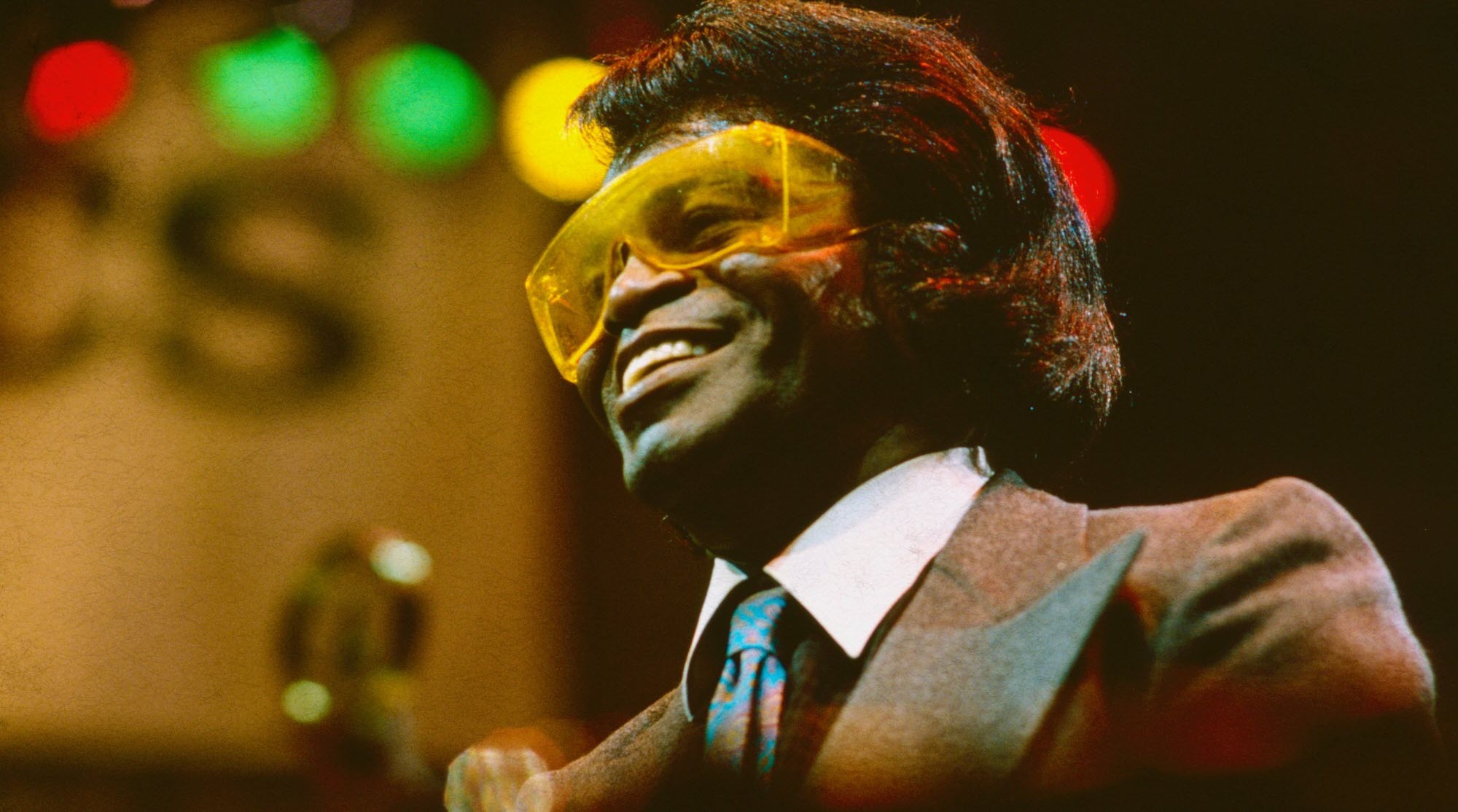
Few artists have ignited the stage, the radio, and the very soul of music quite like James Brown, the undisputed Godfather of Soul. With a career spanning over half a century, Brown transformed rhythm and blues into a powerhouse of sound, energy, and attitude that would lay the foundation for funk, influence hip-hop, and change the course of popular music forever. His voice was electric, his moves legendary, and his grooves — unstoppable. Whether he was shouting “Get up offa that thing!” or commanding the beat with a single scream, James Brown didn’t just perform music — he was the music.
In this article, we dive into the 10 most iconic James Brown songs of all time — the tracks that shook radio waves, tore up dance floors, and inspired generations of artists across genres. From explosive funk anthems to soul-stirring ballads, each song on this list showcases Brown’s unmatched charisma, raw talent, and revolutionary sound. These aren’t just hits — they’re milestones in music history. So tighten your laces and get ready to groove as we count down the greatest tracks from the hardest working man in show business. James Brown didn’t just make music — he made moments that still move us today.
1. “Smells Like Teen Spirit” – Nirvana (1991)
When Nirvana unleashed “Smells Like Teen Spirit” in 1991, it didn’t just change the sound of rock—it shifted the cultural landscape. With its distorted opening riff, Cobain’s gritty vocals, and an explosive chorus that became a generational war cry, the song embodied the angst and disillusionment of early ‘90s youth. It was loud, raw, and unapologetically messy—everything that polished ‘80s glam rock wasn’t. Written by Kurt Cobain, Krist Novoselic, and Dave Grohl, the track captured the spirit of grunge with themes of apathy, rebellion, and teenage confusion. “Teen Spirit” was the lead single from Nevermind, and though no one expected it to become a mainstream hit, it did just that—propelling Nirvana to worldwide fame and effectively killing off hair metal’s reign. The song’s anti-establishment tone resonated deeply, while the chaotic high school-themed music video became instantly iconic. It wasn’t just a track you listened to—it was a feeling, a movement. More than 30 years later, “Smells Like Teen Spirit” still holds up as a rallying cry for nonconformity and a defining anthem of Generation X.
2. “Billie Jean” – Michael Jackson (1983)
“Billie Jean,” released in early 1983, was the moment Michael Jackson transcended pop stardom and entered the realm of legend. From its hypnotic bassline to its crisply layered production, the song was a sonic revelation. Built on a tight groove and an air of mystery, it tells a story of obsession and false accusations, a cautionary tale wrapped in funk and R&B. Jackson’s vocals are electrifying—sharp, urgent, and filled with emotion. Produced by Quincy Jones and Michael himself, every element is deliberately placed, from the steady drum beat to the haunting synth lines. What really etched “Billie Jean” into music history, however, was Jackson’s iconic performance of the song during the Motown 25 television special—complete with the debut of the moonwalk. That moment fused music and movement into one unforgettable cultural milestone. The song spent seven weeks at No. 1 on the Billboard Hot 100 and helped catapult Thriller to unprecedented commercial success. Even now, “Billie Jean” remains a benchmark for pop perfection—its influence echoed across decades in music, dance, and visual storytelling. It’s not just a song; it’s a turning point in music history.
3. “Bohemian Rhapsody” – Queen (1975)
When Queen released “Bohemian Rhapsody” in 1975, the world didn’t quite know what to make of it. A six-minute rock opera with no chorus and multiple stylistic shifts? It defied every radio format rule. But Freddie Mercury’s bold vision, blending rock, opera, and balladry into one dramatic masterpiece, proved irresistible. It opens with a somber piano ballad, transitions into an elaborate operatic middle section complete with multi-tracked harmonies, and crescendos into a blazing hard rock finale. Brian May’s guitar work is both melodic and soaring, Roger Taylor’s drums thunder with precision, and John Deacon anchors the chaos with subtle basslines. Mercury’s vocal performance, shifting from delicate falsettos to commanding belts, remains unmatched. Despite initial skepticism, the song topped charts around the world and became Queen’s defining moment. Its resurgence in the film Wayne’s World in 1992 gave it a second life, introducing it to a new generation. “Bohemian Rhapsody” isn’t just a song—it’s a full-blown musical experience that invites listeners to marvel at its ambition and artistry. Decades later, it continues to mystify and mesmerize, proving that sometimes, breaking the rules is exactly what makes a classic.
4. “Like a Rolling Stone” – Bob Dylan (1965)
Bob Dylan’s “Like a Rolling Stone,” released in 1965, wasn’t just a song—it was a revelation. At over six minutes long, it defied the radio norms of the time and demanded to be heard in full. With its sneering vocals and poetic, biting lyrics, Dylan dismantled the image of the privileged elite through the story of a socialite who’s fallen from grace. The song’s now-famous opening line—“Once upon a time, you dressed so fine…”—launches into a lyrical barrage that blends personal narrative with social critique. Musically, it’s driven by Al Kooper’s accidental but unforgettable organ riff and Mike Bloomfield’s expressive blues guitar. Dylan’s transition from acoustic folk troubadour to electric rock poet was solidified here, shocking purists but influencing a generation of musicians. The track peaked at No. 2 on the Billboard Hot 100 and has since been hailed as one of the greatest rock songs of all time. Its raw honesty, sprawling structure, and unfiltered emotion expanded the possibilities of what a rock song could be. “Like a Rolling Stone” didn’t just break the mold—it rebuilt it from the ground up.
5. “Hey Jude” – The Beatles (1968)
“Hey Jude,” released in August 1968, is The Beatles at their most intimate and universally moving. Written by Paul McCartney as a gesture of comfort for Julian Lennon during his parents’ divorce, the song’s message of reassurance and resilience resonates from the opening piano chords. McCartney’s voice carries both tenderness and strength, slowly building in emotional power as the song unfolds. Clocking in at over seven minutes, it was groundbreaking not just for its length, but for the way it evolves—culminating in an unforgettable four-minute “na-na-na” coda that invites everyone to sing along. The orchestral swell and layered harmonies transform a personal ballad into a communal catharsis. Released under the Beatles’ newly formed Apple Records, “Hey Jude” topped charts worldwide and became one of the band’s biggest commercial successes. It was more than just another hit—it was a shared emotional release during a turbulent era. Even today, it remains a favorite at concerts, singalongs, and memorials, beloved for its warmth and humanity. “Hey Jude” isn’t just a song you listen to—it’s a song you feel.
6. “Hotel California” – Eagles (1976)
Released in December 1976, “Hotel California” stands as the Eagles’ most iconic and mysterious track—a haunting allegory wrapped in lush harmonies and unforgettable guitar work. The song opens with Don Felder’s instantly recognizable 12-string guitar intro, setting a dreamy yet ominous tone. Don Henley’s evocative vocals pull listeners into a surreal narrative about arriving at a luxurious hotel that turns out to be a gilded trap. With lines like “You can check out any time you like, but you can never leave,” the lyrics have sparked endless interpretation, often seen as commentary on the excess and moral decay of the American Dream. Joe Walsh’s and Felder’s dueling guitar solos in the outro are legendary, weaving together a rich tapestry of rock, country, and blues influences. The song became the title track of the Hotel California album, which went on to become one of the best-selling records of all time. It won the Grammy for Record of the Year in 1978 and remains a staple of classic rock radio. “Hotel California” isn’t just a song—it’s a cinematic journey through illusion, temptation, and disillusionment that continues to captivate listeners decades later.
7. “Imagine” – John Lennon (1971)
John Lennon’s “Imagine,” released in 1971, is a song that transcends time, language, and politics. With just a few piano chords and heartfelt lyrics, Lennon managed to articulate one of the most universal desires in human history: peace. Co-produced by Phil Spector and Yoko Ono, the track’s sparse arrangement allows its message to breathe. Lennon asks listeners to envision a world free from divisions—no countries, no possessions, no religion—only humanity living as one. While its idealism drew some criticism, many embraced its vision as both a protest and a prayer. Released during a period marked by war, inequality, and unrest, “Imagine” struck a chord across the globe. It climbed the charts and remained a defining song of the decade. After Lennon’s tragic death in 1980, it soared to No. 1 in the UK, becoming a posthumous anthem for peace. Today, it’s performed at rallies, memorials, and global events, continuing to inspire hope and unity. “Imagine” isn’t just a song—it’s a mission statement for a better world, reminding us of what’s possible if we dare to dream together.
8. “Superstition” – Stevie Wonder (1972)
“Superstition,” released in 1972, signaled a new era for Stevie Wonder—one where he took full creative control and forged his own unmistakable sound. Driven by a slamming Clavinet riff that feels both jagged and hypnotic, the track bursts with funky energy and lyrical urgency. Wonder’s voice—passionate and gritty—warns against blind belief and cultural myths, spinning a cautionary tale through danceable grooves. The track was originally written with Jeff Beck in mind, but Wonder kept it for himself, recognizing its explosive potential. It became the lead single from his groundbreaking Talking Book album and shot straight to No. 1 on the Billboard Hot 100. “Superstition” wasn’t just a funk hit; it was a genre-bending masterpiece that pulled in elements of soul, R&B, and rock. The combination of razor-sharp horns, tight drums, and Wonder’s electric energy created a sound that felt futuristic yet grounded in grit. The song’s influence is immeasurable—sampled, covered, and revered by artists across decades. Even now, when that funky riff hits, it’s impossible not to move. “Superstition” remains one of Stevie Wonder’s most definitive works—an irresistible groove with a timeless warning.
9. “What’s Going On” – Marvin Gaye (1971)
When Marvin Gaye released “What’s Going On” in 1971, he shattered the mold of the Motown love song and redefined what soul music could express. Inspired by letters from his brother serving in Vietnam and the social turmoil of the era, Gaye stepped away from romance and turned toward revolution. The song opens with ambient street chatter and layered vocals that immediately immerse the listener. From there, Gaye’s silky yet urgent voice pleads for compassion, understanding, and peace in a world full of violence and division. With jazz-infused rhythms, smooth basslines, and lush orchestration, “What’s Going On” is both beautiful and deeply affecting. Motown head Berry Gordy initially resisted releasing the track, fearing it was too political, but its success proved otherwise—it reached No. 2 on the Billboard Hot 100 and became the title track of Gaye’s magnum opus. The song and its parent album tackled poverty, racism, war, and environmental decay with stunning musicality and emotional power. More than 50 years later, “What’s Going On” is still profoundly relevant. It remains one of the most powerful musical statements ever recorded—a cry for change wrapped in soulful elegance.
10. “London Calling” – The Clash (1979)
“London Calling,” the title track of The Clash’s groundbreaking 1979 double album, is a ferocious call to arms delivered with punk swagger and genre-defying ambition. From the ominous, echoing guitar intro to Joe Strummer’s commanding bark of a vocal, the song throws you straight into a state of emergency. The lyrics touch on nuclear fears, climate catastrophe, political disillusionment, and media manipulation—all delivered with prophetic intensity. Yet amid the chaos, the song pulses with urgency and resilience. Paul Simonon’s insistent bassline drives the track forward like a warning siren, while Mick Jones’ guitar slashes through with clarity and conviction. Drawing influences from punk, reggae, ska, and rockabilly, “London Calling” was a sonic rebellion against the establishment and the state of the world. Though it didn’t crack the Top 10 in the UK or U.S. initially, its influence exploded over time, becoming a rallying cry for disaffected youth everywhere. The album cover, echoing Elvis Presley’s debut, reinforced The Clash’s intent to shake up rock tradition. “London Calling” remains one of the most important punk songs ever recorded—an anthem of defiance that still feels like a wake-up call.

Samuel Moore is a frequent contributor to Singers Room. Since 2005, Singersroom has been the voice of R&B around the world. Connect with us via social media below.









