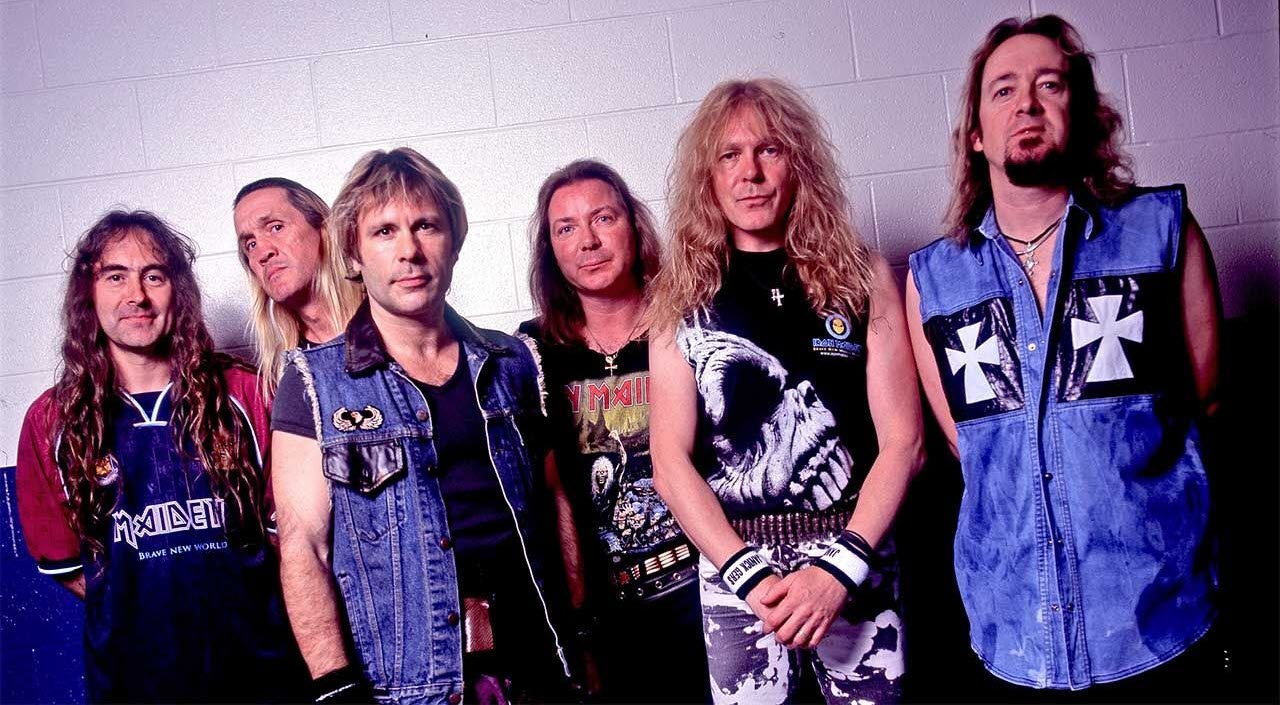
Iron Maiden, the legendary heavy metal band that emerged from the gritty streets of London in the late 1970s, has captivated millions with their iconic sound and powerful storytelling. With their signature blend of galloping rhythms, soaring vocals, and intricate guitar harmonies, they have forged a musical legacy that transcends generations. As pioneers of the genre, Iron Maiden’s influence can be felt in the music of countless bands that followed, making them a cornerstone of heavy metal culture.
In this article, we delve into the top 10 most popular Iron Maiden songs of all time, celebrating the anthems that have defined their career and resonated with fans worldwide. From epic narratives steeped in history and mythology to heart-pounding tracks that showcase their technical prowess, each song has left an indelible mark on the hearts of listeners. Whether you’re a die-hard fan or a newcomer to their music, prepare to embark on a thrilling journey through the powerful riffs and unforgettable lyrics that have solidified Iron Maiden’s place in rock history. Get ready to crank up the volume as we count down the tracks that have made Iron Maiden a timeless legend!
1. “Hallowed Be Thy Name” (1982)
“Hallowed Be Thy Name” stands as one of Iron Maiden’s most powerful and enduring songs, a true epic in every sense. Featured on the groundbreaking album The Number of the Beast, the track tells the story of a man awaiting his execution, wrestling with his mortality and the unknown that lies beyond death. From its solemn opening notes to its explosive crescendo, the song is a rollercoaster of emotion and intensity. Bruce Dickinson’s voice soars with dramatic flair, capturing every ounce of fear, defiance, and reflection in the protagonist’s thoughts. The song’s structure is masterfully layered, building tension with its haunting intro and peaking with dual guitar solos that ignite like lightning strikes. Lyrically, it touches on themes of fate, judgment, and spiritual struggle, making it more than just a metal anthem—it’s a deep, existential journey. It has become a fan favorite and a staple of Iron Maiden’s live shows, often closing out concerts with an unforgettable punch. With its poetic storytelling and intricate musicianship, “Hallowed Be Thy Name” is not only a highlight of the band’s catalog but a defining moment in heavy metal history.
2. “The Trooper” (1983)
Based on the infamous Charge of the Light Brigade during the Crimean War, “The Trooper” is Iron Maiden’s thundering salute to the madness and valor of battle. From the first blistering guitar riff, the listener is thrown straight into the chaos of war, with galloping rhythms and tight drum work mimicking the sounds of charging horses and clashing sabers. Bruce Dickinson delivers a fierce vocal performance, channeling both the pride and desperation of a soldier caught in the fury of combat. The twin guitars of Dave Murray and Adrian Smith cut through the song like bayonets, intertwining melody and aggression with astonishing precision. Lyrically, it’s both a history lesson and a brutal reminder of the cost of blind orders and patriotic fervor. The chorus is an adrenaline-charged rallying cry that’s impossible not to chant along with. Since its release on the Piece of Mind album, “The Trooper” has become one of Iron Maiden’s most iconic tracks, performed at nearly every show and often accompanied by dramatic stage visuals and Dickinson waving a Union Jack. It’s a perfect fusion of storytelling, musicianship, and raw energy, proving Iron Maiden’s unmatched ability to turn historical events into headbanging anthems.
3. “Fear of the Dark” (1992)
“Fear of the Dark” taps into one of humanity’s most primal emotions—the terror of what lies unseen in the shadows. As the title track of their 1992 album, it marked a high point during a period of transition for Iron Maiden. The song opens with a slow, eerie acoustic guitar that immediately sets a foreboding mood, drawing listeners into the narrator’s growing paranoia. As the tempo picks up, the full band explodes into action, blending galloping rhythms, soaring guitars, and Bruce Dickinson’s dramatic vocal delivery. The lyrics describe the all-too-relatable experience of feeling watched or followed when alone in the dark, turning a simple fear into a cinematic and emotionally gripping piece. “Fear of the Dark” quickly became a fan favorite, particularly during live performances where crowds passionately chant along to the chorus, creating an almost spiritual atmosphere. The song’s dynamic shifts between soft tension and explosive release mirror the way fear builds and subsides in real life. It’s both introspective and anthemic—a perfect representation of Iron Maiden’s ability to turn personal emotions into stadium-shaking rock epics. “Fear of the Dark” continues to resonate with fans across generations, earning its place as a modern Maiden classic.
4. “Aces High” (1984)
“Aces High” launches with all the intensity of a fighter jet taking off, capturing the heart-pounding thrill of World War II aerial combat. Released as the opening track on Powerslave, the song is a tribute to the brave Royal Air Force pilots who defended Britain during the Battle of Britain. The music mirrors the chaos of the skies with blistering guitar riffs, relentless drums, and Bruce Dickinson’s electrifying vocals leading the charge. His soaring high notes evoke the fearlessness and desperation of flying into near-certain death. The song wastes no time—it grabs you from the very beginning and doesn’t let go. Lyrically, “Aces High” is both historical and heroic, placing listeners directly in the cockpit as bullets fly and engines roar. It’s more than just a war song; it’s a salute to courage under fire and the adrenaline of facing impossible odds. Live, it’s a fan favorite, often introduced with Winston Churchill’s famous “We shall fight on the beaches” speech, adding gravitas to the performance. “Aces High” is the kind of song that gets your heart racing and fists pumping—a relentless, high-flying celebration of valor and heavy metal at its finest.
5. “Run to the Hills” (1982)
“Run to the Hills” is one of Iron Maiden’s most recognizable and impactful songs, tackling the historical conflict between Native Americans and European settlers with unflinching intensity. Featured on The Number of the Beast, the track combines fast-paced instrumentation with a compelling narrative told from both sides of the violent encounter. Bruce Dickinson’s powerful vocals switch perspectives between the oppressed and the oppressors, giving emotional weight to a story often oversimplified or overlooked. The galloping rhythm and dueling guitar harmonies give the song a sense of urgency and chaos, echoing the violence and displacement at the heart of the lyrics. Musically, it’s catchy and energetic, yet the subject matter is sobering, creating a contrast that makes the song even more powerful. “Run to the Hills” became a defining hit for Iron Maiden, showcasing their ability to blend hard rock with meaningful commentary. It’s a protest song wrapped in a heavy metal anthem, and it still resonates with audiences today as a reminder of the darker chapters of history. Whether you’re drawn in by the unforgettable chorus or the social commentary, “Run to the Hills” stands as one of Maiden’s most essential and enduring tracks.
6. “2 Minutes to Midnight” (1984)
“2 Minutes to Midnight” is Iron Maiden’s searing critique of war, politics, and humanity’s self-destructive tendencies. Released on the Powerslave album, the song draws its title from the Doomsday Clock—a symbolic representation of how close the world is to global catastrophe. With that chilling reference, Maiden dives headfirst into themes of militarism, nuclear annihilation, and political greed. The track opens with a gritty, menacing guitar riff that sets a foreboding tone, before launching into a full-throttle assault powered by Bruce Dickinson’s biting vocals. The lyrics paint vivid, disturbing images of bloodshed and corporate indifference, making it one of the band’s most politically charged tracks. Adrian Smith and Dave Murray trade scorching solos, weaving melody with menace in a way that underscores the track’s urgency. Despite its grim subject matter, the song is wildly energetic and incredibly catchy, with a chorus that’s hard not to shout along to. “2 Minutes to Midnight” became a live favorite and a radio staple, showing that Maiden could mix social commentary with pure metal adrenaline. It remains a hauntingly relevant anthem, a warning cry that still echoes in a world constantly on the brink.
7. “Iron Maiden” (1980)
“Iron Maiden” is the track that introduced the world to the band’s raw energy, rebellious spirit, and unmistakable sound. As the closing song on their self-titled debut album, it serves as both a mission statement and a thunderous curtain call. Everything that defines Iron Maiden is right here: pounding drums, aggressive bass lines, relentless guitar work, and a fearless attitude that demands attention. With Paul Di’Anno on vocals, the song delivers a punchy, almost punk-like edge that differs from the Bruce Dickinson era, yet still captures the essence of the band’s early sound. Lyrically, it’s bold and brash—almost a declaration of war against the norms of mainstream music. The chorus is unforgettable, with the band chanting their own name, practically daring listeners to forget them. Over the years, “Iron Maiden” has become a fan-favorite closer at live shows, often accompanied by theatrical pyrotechnics and the towering appearance of Eddie, the band’s iconic mascot. It’s not just a song; it’s an anthem of identity, declaring who they are and what they stand for. “Iron Maiden” set the tone for everything that followed, announcing the arrival of a band that would soon become legends.
8. “Wasted Years” (1986)
“Wasted Years” is one of Iron Maiden’s most emotionally resonant songs, a heartfelt reflection on time, regret, and the fleeting nature of life. Released as a single from the Somewhere in Time album, it was written by guitarist Adrian Smith during a period of exhaustion and homesickness while on tour. From the very first shimmering guitar riff, the song establishes a mood of both longing and introspection. Unlike many of Maiden’s war- or fantasy-themed tracks, “Wasted Years” is deeply personal and grounded in real human emotion. Bruce Dickinson delivers a powerful and sincere vocal performance, capturing the ache of looking back and realizing how quickly time passes. The lyrics are a gentle reminder to live in the present and not let the past steal your joy. The chorus, with its iconic line, “Don’t waste your time always searching for those wasted years,” has become an inspirational mantra for many fans. Musically, the song strikes a perfect balance between melody and metal, with Smith’s lead guitar work shining brightly. “Wasted Years” is proof that Iron Maiden can be just as impactful when they trade battle cries for heartfelt wisdom.
9. “The Number of the Beast” (1982)
“The Number of the Beast” is one of the most iconic and controversial songs in Iron Maiden’s catalog. Released as the title track of their 1982 album, the song dives into dark, apocalyptic imagery inspired by nightmares, religious texts, and horror films. It opens with a spine-chilling spoken word passage referencing the Book of Revelation, immediately setting a sinister tone. Then, all hell breaks loose. Bruce Dickinson unleashes one of his most theatrical and powerful vocal performances, narrating a terrifying vision of evil rising in the world. The guitars, played with blazing intensity by Dave Murray and Adrian Smith, drive the song forward with relentless energy. Lyrically, it’s not an endorsement of Satanism—as some critics once feared—but rather a dramatic piece of storytelling that uses Biblical allegory to explore fear and chaos. The chorus, with its unforgettable chant of “Six, six, six—the number of the beast,” became an anthem that stirred both admiration and controversy. Despite (or because of) the backlash, the song helped catapult Iron Maiden to global fame. “The Number of the Beast” remains a quintessential heavy metal track—bold, theatrical, and endlessly thrilling.
10. “Phantom of the Opera” (1980)
“Phantom of the Opera” is a showcase of Iron Maiden’s early ambition and progressive spirit. Featured on their debut album, this nearly seven-minute track is a whirlwind of shifting tempos, soaring melodies, and intricate instrumental passages. Inspired by Gaston Leroux’s classic novel, the song transforms the haunting story of obsession and secrecy into a full-blown metal opera. Paul Di’Anno’s gritty vocals add a sense of raw emotion, while the twin guitars of Dave Murray and Dennis Stratton race through complex riffs and harmonized sections that keep listeners on the edge of their seats. Musically, the song is constantly evolving, with moments of speed, suspense, and grandeur woven seamlessly together. Steve Harris’s bass lines take a leading role, adding melodic drive and rhythmic urgency throughout. It’s not just a song—it’s an experience that pulls you deep into its narrative world. “Phantom of the Opera” became a live favorite early on and continues to be celebrated for its daring composition and inventive style. It’s a perfect example of Iron Maiden’s ability to take bold creative risks, even in their early days, and it remains a fan-favorite for its theatrical flair and musical complexity.

Edward Tomlin is a frequent contributor to Singers Room. Since 2005, Singersroom has been the voice of R&B around the world. Connect with us via social media below.









