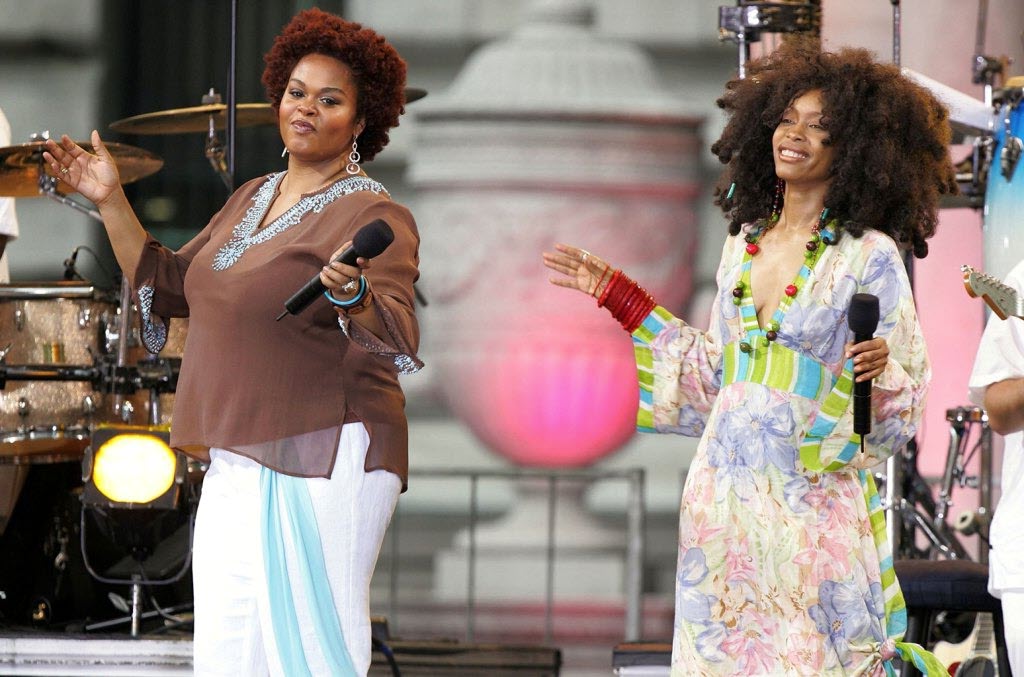
Erykah Badu, the queen of neo-soul, has captivated audiences for decades with her unique blend of soulful melodies, thought-provoking lyrics, and an unmistakable style that transcends genres. From her groundbreaking debut album, Baduizm, to her eclectic collaborations and innovative soundscapes, Badu has carved a niche that resonates deeply with fans around the globe. But what makes her music so timeless? Is it her ability to weave personal narratives into universal themes, or perhaps her enchanting voice that seems to channel the very essence of love, heartbreak, and self-discovery?
In this article, we explore the top 10 most popular Erykah Badu songs of all time, diving into the tracks that not only defined her career but also influenced a generation of artists. Each song on this list showcases her artistic evolution and the emotional depth that has made her a beloved figure in music. Whether you’re a lifelong fan or new to her sound, prepare to journey through the rich tapestry of Erykah Badu’s discography, celebrating the magic and mastery that have solidified her status as an icon. Let’s turn up the volume and rediscover the songs that continue to inspire and uplift!
1. On & On (1997)
“On & On” marked a powerful debut for Erykah Badu in 1997, introducing her distinct sound and poetic voice to the world. With its hypnotic blend of neo-soul, jazz, and hip-hop rhythms, the track immediately stood out as something entirely fresh and genre-defining. Badu’s vocals float effortlessly over the laid-back groove, her tone both confident and mystical. Lyrically, the song explores themes of spiritual growth, karma, and the ever-turning cycle of life. “I was born underwater, with three dollars and six dimes,” she sings cryptically, setting the tone for the layered introspection that follows. The song doesn’t just tell a story—it invites listeners into a meditative space. Badu’s philosophical musings and playful cadence make the track both intellectually stimulating and sonically relaxing. It’s the kind of song that continues to reveal new meaning with each listen. “On & On” became an instant classic, establishing Badu as a pioneering voice in neo-soul and paving the way for artists who followed in her footsteps. With this track, she didn’t just release a debut single—she introduced a whole new paradigm of what soul music could be.
2. Tyrone (1997)
“Tyrone,” released in 1997, is one of Erykah Badu’s most iconic and empowering songs, even though it was initially performed live rather than recorded in a studio. Delivered with raw emotion, wit, and a touch of sass, the song is essentially a musical mic drop—Badu calling out an ungrateful partner and reclaiming her peace. The song’s brilliance lies in its simplicity: smooth instrumentation, a bluesy groove, and Badu’s searing, soulful voice taking center stage. As she addresses her fed-up frustrations, she famously tells her ex to “call Tyrone” if he needs help moving his stuff out. That line alone became a cultural catchphrase, symbolizing self-respect and setting boundaries. But beyond the humor and the catchy hook, “Tyrone” is a bold commentary on relationship dynamics, emotional labor, and self-worth. Badu’s delivery is flawless—fiery yet composed, humorous yet deeply real. It’s the kind of performance that resonates especially with women who’ve had to put their foot down. The song remains a highlight in her live shows, where audience participation turns it into a collective anthem. “Tyrone” isn’t just a song—it’s a moment, a message, and a movement all wrapped into one unforgettable track.
3. Bag Lady (2003)
“Bag Lady,” released in 2003, is a beautiful, soul-stirring anthem about healing and emotional liberation. Over a breezy, mellow groove that blends soul, R&B, and touches of hip-hop, Erykah Badu delivers one of her most heartfelt messages. The song uses the metaphor of a woman carrying bags—emotional burdens from past relationships, fears, and trauma—to encourage listeners to let go and move forward. Badu’s gentle yet firm voice wraps around the melody with care, sounding like both a friend and a wise guide offering support. “Bag lady, you gon’ hurt your back / Dragging all them bags like that,” she sings, her words resonating deeply with anyone who’s ever held on too tightly to pain. The production is laid-back and soothing, reinforcing the idea of finding peace through release. “Bag Lady” isn’t just about relationships—it’s about self-care, growth, and the courage to travel lighter through life. The song became a major hit and solidified Badu’s place as both a spiritual and cultural voice. It remains one of her most enduring tracks, reminding us all that in order to truly love and live, we sometimes have to let the past go.
4. Next Lifetime (1997)
“Next Lifetime,” from Erykah Badu’s 1997 debut album, is a haunting meditation on love, timing, and emotional conflict. It tells the story of a woman who meets someone she deeply connects with—only to realize they’ve both arrived too late. Over a slow, dreamy beat laced with soul and jazz, Badu unfolds the narrative with vulnerability and restraint. “I guess I’ll see you next lifetime,” she sings, her voice laced with both longing and resolve. It’s not just a love song—it’s a philosophical reflection on destiny, desire, and moral boundaries. The instrumentation is soft and ethereal, allowing Badu’s voice and lyrics to take the forefront. She doesn’t offer easy answers, only the raw emotions that come with wanting something you can’t have. Her performance is introspective and honest, revealing the maturity and complexity she brings to her songwriting. “Next Lifetime” feels like a confession whispered in the dark, intimate and sincere. It’s one of those songs that lingers long after it ends, touching listeners who’ve ever faced complicated feelings of love. Badu captures the beauty and pain of missed connections with grace, making this track one of the most emotionally resonant in her catalog.
5. Love of My Life (2002)
Released in 2002, “Love of My Life (An Ode to Hip-Hop)” is both a romantic love song and a nostalgic tribute to the culture that helped shape Erykah Badu’s artistry. Featuring rapper Common, the track artfully personifies hip-hop as a cherished lover—someone who’s been there through all the stages of life. Badu’s smooth, expressive vocals glide over a rich, soulful beat, blending classic R&B with just the right touch of funk and hip-hop rhythm. Her lyrics trace the relationship from youthful infatuation to grown-up appreciation, capturing the emotional depth that music—and especially hip-hop—can bring to a person’s journey. “Love of My Life” isn’t just about romance; it’s about the roots of identity, memory, and passion. Common’s verse adds lyrical texture, creating a back-and-forth that feels intimate and conversational. Together, they build a song that feels like a warm reflection and a celebration rolled into one. This track became a hit not just because of its groove, but because of its message—music, like love, is a powerful force that shapes who we are. “Love of My Life” stands as one of Badu’s most iconic collaborations and a timeless ode to the genre that raised her.
6. Honey (2008)
Released in 2008 as the lead single from her album New Amerykah Part One (4th World War), “Honey” is a vibrant and infectious track that highlights Erykah Badu’s playful side. The song’s groove-heavy production leans into funk and soul influences, layered with swirling synths, warm basslines, and crisp drums that keep things feeling both retro and futuristic. Lyrically, “Honey” is a celebration of attraction and romantic chemistry. Badu sings about a love interest who’s got her completely enchanted—she calls him “so sweet” that she can’t help but want more. Her delivery is flirtatious yet smooth, dancing through the rhythm with effortless charm.
Beyond the music, the track’s music video became a fan favorite, creatively paying homage to iconic album covers from artists like Funkadelic and Diana Ross, further cementing Badu’s reverence for musical history. “Honey” proves Badu’s ability to craft songs that are not only meaningful but incredibly fun to listen to. It’s a reminder that while she often dives deep into spirituality and social commentary, she also knows how to let loose and groove. The song remains a standout from her catalog, filled with joy, warmth, and irresistible rhythm that still gets fans moving today.
7. Window Seat (2010)
“Window Seat,” released in 2010, is one of Erykah Badu’s most introspective and provocative songs. With its minimalistic production—a simple yet haunting drumbeat, understated keys, and a smooth bass line—the song places Badu’s voice and message front and center. Lyrically, it explores the craving for escape, privacy, and emotional clarity. “I need you to want me,” she sings with aching vulnerability, addressing a longing for genuine connection and the space to be her true self without judgment.
The song’s quiet intensity was amplified by its now-famous music video, in which Badu walks the streets of Dallas gradually stripping down, symbolizing her desire to shed layers of societal expectations. The video ends with the word “groupthink” written on the pavement, urging listeners to reflect on conformity and personal freedom. “Window Seat” is both a protest and a plea—soft in sound but sharp in meaning.
Badu’s performance here is raw and honest, revealing her deep emotional intelligence and fearless artistic spirit. The song stands as a modern soul anthem about vulnerability, self-exploration, and the cost of individuality. It’s a powerful reminder that sometimes the quietest songs carry the loudest truths.
8. The Other Side of the Game (2010)
“The Other Side of the Game,” originally featured on Erykah Badu’s 1997 debut Baduizm but still resonating deeply by 2010 and beyond, is a moody, jazz-infused ballad that showcases her storytelling brilliance. The song tells the complicated tale of a woman deeply in love with a man caught up in illegal dealings. Through her soulful vocals, Badu portrays the emotional tug-of-war between devotion and disillusionment. “What ya gonna do when they come for you?” she asks, voicing the fear and uncertainty that lingers beneath the surface of their relationship.
Musically, the track is smoky and languid, built on a slow groove and subtle instrumentation that creates an atmosphere of late-night reflection. It feels like a confessional whispered under dim lights, every word heavy with feeling. Badu doesn’t judge or moralize—she simply paints the picture with empathy and grace, allowing the listener to step into the shoes of a woman trying to hold onto love amid chaos.
This track captures Badu’s unique gift for merging personal narrative with broader social realities. It’s more than just a love song—it’s a deep dive into loyalty, survival, and the gray areas that define real-life relationships.
9. Green Eyes (1997)
“Green Eyes,” from Erykah Badu’s debut album Mama’s Gun, is an epic three-part composition that stretches over ten minutes and offers one of the most emotionally raw performances in her entire discography. With its jazz-laden arrangements, abrupt tempo changes, and theatrical flair, the song is a rollercoaster of heartbreak, jealousy, and self-discovery. At its core, “Green Eyes” explores the vulnerability that comes with unrequited love and the complex emotions that follow a breakup.
Badu’s voice flows from soft and trembling to bold and defiant, reflecting each stage of emotional evolution. She begins with denial—“My eyes are green ’cause I eat a lot of vegetables,” she sings, masking jealousy behind humor. But as the track unfolds, the façade crumbles. We witness her grief, anger, and eventual acceptance. The instrumental backdrop shifts alongside her feelings, from gentle piano riffs to swelling orchestral strings.
This track isn’t just a song—it’s a confessional, a jazz opera, a journey through the stages of emotional healing. “Green Eyes” solidified Badu’s reputation as a fearless and genre-defying artist, unafraid to show the full spectrum of human emotion. It remains a fan favorite and a stunning showcase of her artistry and depth.
10. Southern Girl (2008)
“Southern Girl,” released in 2008, is a heartfelt and celebratory nod to Erykah Badu’s Southern roots. With a warm blend of soul, funk, and hip-hop influences, the song paints a vibrant picture of Southern life from a woman’s perspective. Through playful lyrics and a laid-back groove, Badu captures the essence of strength, beauty, and resilience that defines the women of the South. It’s a love letter not just to geography but to culture, community, and heritage.
The track’s production is rich yet relaxed, driven by a bouncy bassline and layered harmonies that create an atmosphere of familiarity and joy. Badu’s vocals are smooth and full of personality as she sings about everything from Southern charm to home-cooked meals and long-standing traditions. But beneath the playfulness lies a deeper message: an affirmation of identity and pride in where one comes from.
“Southern Girl” resonates as both a celebration and a statement. It uplifts and empowers, reminding listeners of the value in embracing their roots and honoring their background. For Badu, being a Southern girl is more than a title—it’s a way of life, and through this song, she invites everyone to appreciate it with her.

Edward Tomlin is a frequent contributor to Singers Room. Since 2005, Singersroom has been the voice of R&B around the world. Connect with us via social media below.









