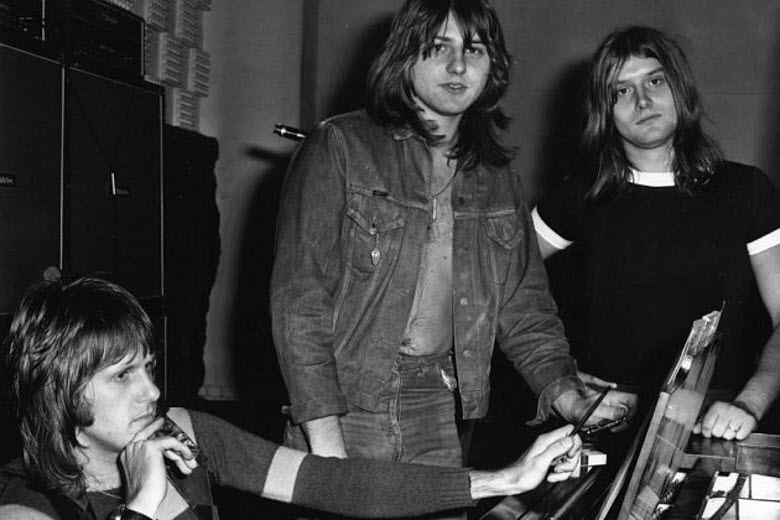
In the realm of progressive rock, few bands have left an indelible mark like Emerson, Lake & Palmer (ELP). Formed in 1970, this iconic trio—comprised of virtuoso keyboardist Keith Emerson, powerhouse vocalist and bassist Greg Lake, and innovative drummer Carl Palmer—redefined musical boundaries with their eclectic sound and theatrical performances. Blending rock, classical, and jazz influences, ELP captivated audiences worldwide while pushing the envelope of what rock music could achieve.
As we dive into the top 10 most popular Emerson, Lake & Palmer songs of all time, prepare to embark on a journey through their most unforgettable melodies and groundbreaking compositions. From the grandiose arrangements of “Karn Evil 9” to the haunting beauty of “Lucky Man,” each track showcases the band’s unparalleled musicianship and creative vision. Whether you’re a lifelong fan or a newcomer to their music, this exploration celebrates the genius of ELP and the timeless appeal of their artistry. Join us as we revisit the songs that not only defined an era but continue to inspire generations of musicians and fans alike.
1. Lucky Man (1970)
“Lucky Man” is one of Emerson, Lake & Palmer’s most enduring and beloved songs, featured on their self-titled debut album. The track opens with a simple yet captivating acoustic guitar line, immediately setting a reflective tone. Greg Lake’s warm, emotive vocals tell the story of a man who has lived a fortunate life, reflecting on his successes and blessings with a bittersweet sense of gratitude. What makes this song particularly memorable is the iconic Moog synthesizer solo by Keith Emerson, which was groundbreaking at the time and adds a haunting, ethereal quality that elevates the entire piece. The blend of folk, rock, and early electronic elements creates a sound that feels both intimate and expansive. “Lucky Man” resonates deeply with listeners, partly because of its universal themes of fate and fortune, and partly because of its beautifully crafted musical layers. Over the decades, it has become a timeless classic that captures the essence of ELP’s innovative spirit and musicianship, standing as a gentle yet powerful statement on life’s unpredictable journey.
2. Karn Evil 9 (1973)
“Karn Evil 9” is an ambitious and sprawling multi-part suite that epitomizes Emerson, Lake & Palmer’s bold approach to progressive rock. Featured on their album Brain Salad Surgery, this nearly 30-minute epic combines elements of rock, jazz, and classical music, weaving them into a complex and futuristic narrative. Keith Emerson’s virtuosic keyboard playing drives the piece with dazzling synth and organ solos, supported by Greg Lake’s commanding vocals and Carl Palmer’s dynamic drumming. The suite is divided into three “impressions,” each exploring a dystopian vision of a technological future filled with intrigue, humanity’s struggle, and the collision between man and machine. Its sophisticated musical architecture and thematic depth make “Karn Evil 9” a landmark in the prog rock genre. The piece challenges listeners with its intricate time signatures, rapid shifts in mood, and impressive instrumental passages. It stands as a testament to ELP’s willingness to push musical boundaries and create an immersive experience that demands attention and rewards repeated listening.
3. Fanfare for the Common Man (1977)
“Fanfare for the Common Man” is Emerson, Lake & Palmer’s electrifying adaptation of Aaron Copland’s iconic orchestral piece. Released on their Works Volume 1 album, the song transforms the original fanfare into a powerful rock anthem through dramatic synthesizer layers and a commanding rhythm section. Keith Emerson’s synths create a grand, almost majestic atmosphere, while Carl Palmer’s percussion adds weight and momentum, turning the piece into a celebration of everyday heroes and the dignity of the common man. This track goes beyond just being a cover; it’s a bold reinterpretation that captures the spirit of resilience and pride. Its soaring melodies and expansive soundscapes make it a stirring and inspirational anthem that resonates with listeners on a profound level. Over the years, it has been used in various contexts celebrating courage and determination, further solidifying its status as one of ELP’s most memorable and meaningful compositions.
4. From the Beginning (1972)
“From the Beginning” stands out in Emerson, Lake & Palmer’s catalog as a beautifully crafted ballad that highlights Greg Lake’s acoustic guitar skills and heartfelt songwriting. Featured on the album Trilogy, the song opens with delicate, fingerpicked guitar and builds slowly into a lush arrangement that perfectly complements Lake’s warm and expressive vocals. The lyrics reflect themes of love, vulnerability, and self-reflection, creating an intimate and emotional atmosphere that draws listeners in. Unlike the band’s often complex and high-energy pieces, “From the Beginning” takes a more understated approach, focusing on melody and mood. The interplay between acoustic guitar, subtle electric instrumentation, and restrained percussion showcases the band’s versatility and sensitivity. It’s a song that feels timeless, capable of resonating with anyone who’s experienced the complexities of relationships and personal growth. “From the Beginning” remains a fan favorite for its sincere emotional depth and melodic beauty.
5. Toccata (1972)
“Toccata” is Emerson, Lake & Palmer’s electrifying rock adaptation of a classical piece by Johann Sebastian Bach. Featured on the album Trilogy, this track perfectly captures the band’s genius in blending classical music with the energy and attitude of rock. The song bursts out with Keith Emerson’s lightning-fast synthesizer and organ work, mimicking the intricate baroque melodies of Bach’s original while injecting a modern, edgy drive. Carl Palmer’s powerful drumming and Greg Lake’s bass and vocals add a thrilling intensity, turning the classical composition into a high-octane progressive rock anthem. “Toccata” is a showcase of technical skill and adventurous spirit, demonstrating how ELP pushed musical boundaries in the early 1970s. The piece’s relentless pace and complexity create a thrilling listening experience, making it a standout track that highlights the band’s virtuosic musicianship and bold creativity. It’s a powerful reminder of how rock music can intersect with classical traditions in exciting, innovative ways.
6. Jerusalem (1973)
“Jerusalem” is Emerson, Lake & Palmer’s grand and stirring reinterpretation of the hymn composed by Hubert Parry, based on William Blake’s poem. Featured on the album Brain Salad Surgery, the song is imbued with the band’s signature blend of classical grandeur and rock intensity. Keith Emerson’s expansive keyboard arrangements add a sweeping, orchestral feel, while Greg Lake’s vocals deliver the hymn’s lyrics with passion and conviction. The track evokes a deep sense of nationalism, pride, and spiritual yearning, capturing the spirit of England’s cultural heritage while also feeling universally inspiring. ELP’s version transforms the traditional hymn into a powerful anthem that resonates both emotionally and musically, making it one of their most memorable and ambitious works. The song’s rich textures and uplifting melodies showcase the band’s ability to merge rock with classical influences in a way that feels both respectful and bold, solidifying “Jerusalem” as a standout piece in their repertoire.
7. Still… You Turn Me On (1972)
“Still… You Turn Me On” is a tender and introspective ballad from Emerson, Lake & Palmer’s Trilogy album that beautifully highlights Greg Lake’s soulful voice and songwriting. The song opens with a gentle, melodic acoustic guitar that sets an intimate and reflective mood. Lake’s lyrics explore themes of love, desire, and vulnerability, creating a deeply personal and emotional atmosphere. Unlike the band’s more complex and bombastic tracks, this song embraces simplicity and warmth, allowing the melodic richness to shine through. The subtle instrumental arrangement supports the heartfelt vocals without overpowering them, making it a perfect expression of quiet passion and longing. “Still… You Turn Me On” has long been a fan favorite for its sincere lyricism and melodic charm, showcasing a softer, more romantic side of ELP’s musical range. Its timeless appeal lies in its ability to connect with listeners on an emotional level, making it a beautiful testament to enduring love.
8. Nutrocker (1972)
“Nutrocker” is a playful and energetic instrumental track that showcases Emerson, Lake & Palmer’s virtuosity and creativity. Inspired by Tchaikovsky’s famous ballet The Nutcracker, the band transforms the classical piece into a rock extravaganza filled with vibrant keyboard riffs, dynamic rhythms, and electrifying energy. Keith Emerson’s bold synthesizer and piano work dominate the track, weaving the familiar melodies with rapid-fire runs and inventive improvisation. Carl Palmer’s precise and energetic drumming drives the momentum, while the rest of the band adds layers of texture and excitement. This arrangement perfectly captures the festive and whimsical spirit of the original ballet, yet with a bold rock twist that makes it distinctly ELP. “Nutrocker” has become a staple of their live shows and a fan favorite, celebrated for its fun, adventurous spirit and technical brilliance. It’s a joyful fusion of classical music and rock that highlights the band’s ability to surprise and delight their audience.
9. Hoedown (1972)
“Hoedown” is a fast-paced, exhilarating track that combines the energy of rock with the vibrant spirit of classical music. Based on Aaron Copland’s Rodeo ballet, Emerson, Lake & Palmer’s rendition is a thrilling display of musicianship and creativity. The piece bursts out with rapid piano runs and driving rhythms that create an infectious sense of excitement and movement. Keith Emerson’s keyboard wizardry is on full display, seamlessly blending classical motifs with a rock sensibility. The song’s playful spirit and relentless tempo make it one of the band’s most exhilarating and memorable instrumentals. Carl Palmer’s precise drumming and Greg Lake’s solid bass provide a tight foundation that propels the track forward with unstoppable energy. “Hoedown” captures the joy and exuberance of American folk and classical traditions while transforming it into a fresh, modern sound. It remains a highlight of ELP’s catalog, celebrated for its infectious energy and innovative fusion of styles.
10. The Barbarian (1970)
“The Barbarian” is the fierce and dramatic opening track from Emerson, Lake & Palmer’s debut album, immediately announcing the band’s arrival on the progressive rock scene. The piece is an intense adaptation of a classical composition by Béla Bartók, infused with a raw, hard rock edge that reflects the band’s adventurous spirit. Keith Emerson’s aggressive keyboard playing dominates the track, combining jagged riffs with swirling synth textures that create a sense of urgency and power. Carl Palmer’s dynamic drumming adds to the relentless energy, while Greg Lake’s bass and occasional vocals ground the piece. “The Barbarian” sets the tone for the album, showcasing the band’s bold willingness to push musical boundaries by fusing classical music with rock intensity. Its dark, dramatic atmosphere and powerful instrumentation make it a compelling introduction to ELP’s unique sound and musical vision, capturing the listener’s attention from the very first note.

Edward Tomlin is a frequent contributor to Singers Room. Since 2005, Singersroom has been the voice of R&B around the world. Connect with us via social media below.









