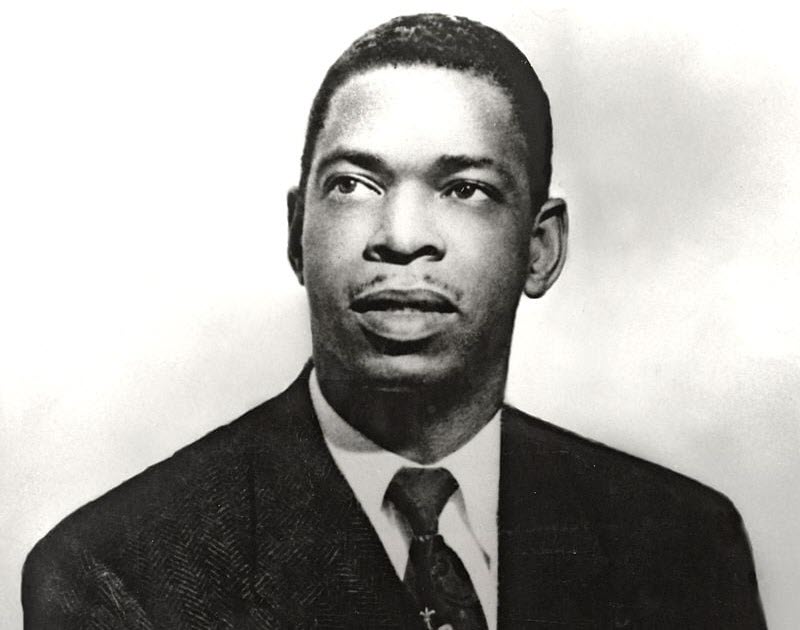
Elmore James, often hailed as the “King of the Slide Guitar,” revolutionized the blues genre with his electrifying sound and passionate performances. Born in 1918 in Mississippi, James infused his music with raw emotion, making his mark as a pivotal figure in the post-war blues scene. His unique style, characterized by his signature slide guitar technique and soulful vocals, has influenced countless musicians across genres, from rock to blues and beyond.
In this article, we delve into the top 10 most popular Elmore James songs of all time—tracks that not only showcase his extraordinary talent but also capture the essence of the blues. From heart-wrenching ballads to foot-stomping anthems, these songs highlight why James remains an enduring icon in music history. Whether you’re a lifelong fan or a newcomer to his work, join us as we explore the timeless rhythms and powerful lyrics that continue to resonate with listeners today. Get ready to be transported back in time to an era where the blues reigned supreme, and experience the magic of Elmore James like never before!
1. “Dust My Broom” (1951)
“Dust My Broom” is the definitive Elmore James anthem—the song that catapulted him into blues legend status. With its unmistakable opening slide guitar riff, this track introduced a raw and electrifying energy to the post-war blues scene. James’s take on the Robert Johnson original turned it into a driving, almost rock-like powerhouse, thanks to his fiery slide technique and relentless rhythm. But beyond the riff, the song tells a story of moving on—of packing up and hitting the road after a love gone wrong. His gritty vocals convey a sense of determination, frustration, and resilience all at once. The lyrics are deceptively simple but universal in their theme: the end of a relationship, the pain that lingers, and the decision to leave it all behind. “Dust My Broom” isn’t just a breakup song—it’s a declaration of independence, set to one of the most recognizable guitar lines in blues history. Countless artists, from Fleetwood Mac to ZZ Top, have drawn inspiration from this very track, proving its lasting influence. With this song, Elmore James didn’t just cover a blues classic—he transformed it, electrified it, and made it his own.
2. “The Sky Is Crying” (1959)
Few blues songs are as achingly beautiful as “The Sky Is Crying.” Elmore James pours his soul into every word and slide note, creating a song that feels like it was born from heartbreak itself. The imagery of the sky crying is a perfect metaphor for sorrow that feels so immense, it spills out into the world around you. James’s vocals are gentle yet full of emotional weight, balancing vulnerability and strength with a rare touch. His signature slide guitar work weaves through the song like a mournful echo, enhancing the mood without overpowering it. Unlike his more high-energy tracks, this one moves at a slower, more deliberate pace, giving each lyric and guitar phrase room to breathe. It’s the kind of song that doesn’t just tell you about sadness—it makes you feel it. This ballad has since become one of the most covered and cherished blues standards, interpreted by legends like Stevie Ray Vaughan and Eric Clapton. Yet it’s Elmore James’s version that remains definitive. “The Sky Is Crying” stands as a masterclass in musical expression, a timeless track that proves blues isn’t just about guitar licks—it’s about conveying the deepest parts of the human heart.
3. “Shake Your Moneymaker” (1961)
“Shake Your Moneymaker” is Elmore James at his most fun-loving and infectious. From the very first beat, it demands that you move. With its driving rhythm, playful lyrics, and raucous energy, the song delivers a dose of pure blues joy. James swaps the melancholy for celebration here, creating a tune that feels like a party in progress. His slide guitar work is fast, flashy, and unrelenting, while his vocals brim with charisma. The lyrics are simple but effective, encouraging listeners to dance and let loose, embodying the spirit of juke joints and sweaty Saturday nights. “Shake Your Moneymaker” became one of James’s most popular songs and has been covered by everyone from George Thorogood to the Black Crowes. It’s a prime example of how blues can be just as uplifting and energetic as it is emotional. This track showcases James’s versatility—not only could he make you cry with his ballads, but he could just as easily make you forget your troubles and dance. It’s blues with a smile, a groove, and a whole lot of swagger. Even decades later, it still gets feet tapping and hips swaying, proving the timeless appeal of James’s musical spirit.
4. “It Hurts Me Too” (1957)
“It Hurts Me Too” is one of those blues songs that seems to speak directly to your soul. In this deeply emotional track, Elmore James channels quiet agony into a heartfelt confession of empathy and pain. His delivery is soft but soaked with feeling, as he sings about loving someone who’s hurting—so much so that their pain becomes his own. The lyrics are simple yet profound, conveying a universal truth about compassion and heartbreak in relationships. James’s slide guitar glides like a cry through the air, echoing the song’s themes of sorrow and connection. The pace is slow, deliberate, allowing each phrase to resonate. This isn’t just a song about heartbreak—it’s about selfless love, the kind that suffers quietly and unconditionally. Elmore’s version became one of the most loved renditions of the song, cementing its place as a blues staple. Artists like Eric Clapton and B.B. King would go on to cover it, but James’s rendition remains especially raw and authentic. “It Hurts Me Too” shows a more tender side of Elmore James, highlighting his ability to tap into deep emotional spaces while still showcasing his masterful guitar work.
5. “One Way Out” (1960)
“One Way Out” is a blues tale of suspense, adrenaline, and quick-thinking escape—delivered with Elmore James’s signature fire and swagger. The narrative plays like a short thriller: a man trapped in a lover’s home when her jealous husband comes knocking. There’s only “one way out,” and the urgency pulses through every beat of the track. Elmore’s slide guitar crackles with intensity, mimicking the racing heartbeat of someone trying to make a quick getaway. His vocals are lively and expressive, capturing the panic and thrill of the moment. While the storyline is humorous, even cheeky, the musicianship is anything but lighthearted. The rhythm section keeps the tension taut, making sure listeners stay on edge with every bar. This song became a staple of blues and rock alike, famously covered by the Allman Brothers Band in their high-octane live performances. But Elmore’s original retains a rawness and authenticity that can’t be matched. “One Way Out” is a reminder that blues can tell stories that are not just about love and loss but also danger, drama, and human cunning. It’s gripping, fun, and musically thrilling—a standout gem in Elmore James’s powerful catalog.
6. “Goodbye Baby” (1959)
“Goodbye Baby” is a deeply emotional blues farewell, capturing the raw feeling of parting ways with someone you once held close. Elmore James pours his soul into the track, his vocals rich with anguish and tenderness. The lyrics may be brief, but their impact is lasting: a mix of resignation and heartache, as if every word is weighed down with the burden of letting go. His slide guitar cries alongside him, echoing the sorrow embedded in his voice. This isn’t just a breakup song—it’s a goodbye that feels final, almost like a eulogy for a relationship that once held promise. James doesn’t shout or wail; instead, he delivers the performance with a calm sorrow that somehow makes it even more haunting. The melody is smooth, understated, and lingers long after the last note. “Goodbye Baby” may not be his most well-known track, but it’s one of his most affecting. It speaks to anyone who’s ever had to walk away when they didn’t want to, making it one of the most relatable songs in James’s catalog. This song proves that blues isn’t always about volume—it’s about truth, and James delivers it with quiet, heartbreaking honesty.
7. “I Can’t Hold Out Much Longer” (1959)
“I Can’t Hold Out Much Longer” is Elmore James in high gear—urgent, passionate, and emotionally charged. From the first note, the track jumps out with a steady rhythm and a sense of pleading that grows more intense with each verse. The title says it all: James is at the end of his rope, hanging onto love that seems to be slipping away. His voice is strained with desire and desperation, giving the song a deeply personal edge. His slide guitar, as always, mirrors his emotion perfectly—fast, sharp, and expressive, like a conversation happening alongside the lyrics. The energy in the song is infectious, pulling the listener into that same state of emotional restlessness. Whether he’s singing about heartbreak, frustration, or longing, James knows how to make you feel it. “I Can’t Hold Out Much Longer” is a great example of how he combined musical skill with emotional storytelling. It’s got the groove to make you move and the depth to make you think. The track serves as both a cry for help and a testament to endurance, capturing the true heart of the blues: pushing through pain with rhythm and soul.
8. “Crossroad Blues” (1936)
Originally written and recorded by Robert Johnson in 1936, “Crossroad Blues” is one of the most mythic and influential songs in all of blues history. When Elmore James put his spin on it, he didn’t just cover it—he reimagined it with his electrifying slide guitar and impassioned delivery. James’s version keeps the spiritual and emotional weight of Johnson’s original while adding a new level of intensity. The idea of standing at a crossroads—literal or metaphorical—has long symbolized life-altering decisions, internal struggles, and even supernatural bargains. Elmore leans into that narrative, his voice full of grit and urgency, as if he’s pleading with the universe for clarity or salvation. His slide guitar work injects the track with a sense of movement and mystery, swirling around the vocals like a storm brewing in the distance. What makes this rendition special is how James honors the original’s haunting quality while making it unmistakably his own. It’s blues history meeting blues evolution—raw, spiritual, and thrilling all at once. James’s “Crossroad Blues” is more than a cover; it’s a dialogue across generations of bluesmen, and a powerful reminder of the genre’s enduring soul.
9. “Rollin’ and Tumblin'” (1959)
“Rollin’ and Tumblin'” is a high-octane blues track that captures the unfiltered energy of Elmore James in full performance mode. Though originally recorded by Hambone Willie Newbern and later made famous by Muddy Waters, James brings a unique fire to the song with his driving slide guitar and commanding vocal delivery. The beat is relentless, pushing forward like a freight train, and James rides that momentum with unmatched confidence. His vocals have a raw, shouted quality, giving the song a feeling of spontaneity, like it was born in a juke joint in the middle of a dance-filled night. Lyrically, it’s a cry of frustration and emotional chaos—he’s been hurt, he’s been wronged, and now he’s just trying to survive the fallout. James’s version of “Rollin’ and Tumblin’” isn’t polished or delicate, and that’s exactly what makes it great. It feels alive, unpredictable, and full of grit. This track reminds listeners that the blues isn’t always about slow-burning sadness—it can also be loud, wild, and cathartic. It’s a perfect showcase of James’s raw talent and stage power, delivering pure blues adrenaline that still hits hard more than six decades later.
10. “Look On Yonder Wall” (1959)
“Look On Yonder Wall” is a perfect blend of storytelling, groove, and blues attitude. Elmore James brings the narrative to life with a smooth yet commanding vocal performance, telling the tale of a man observing his surroundings with suspicion—and maybe a bit of jealousy—as he watches what’s happening “on yonder wall.” There’s a simmering tension in the lyrics, suggesting betrayal, loneliness, or possibly fear, and James captures that with every line he sings. The groove is relaxed but deliberate, giving the track a cool, laid-back swing. His slide guitar doesn’t scream this time—it sings gently, adding texture and soul rather than stealing the spotlight. This balance between narrative and instrumentation makes “Look On Yonder Wall” one of James’s most subtly powerful tracks. It’s not about grand declarations but about quiet reflection and emotional nuance. The melody is haunting, and the song leaves a lingering feeling long after it ends. Over time, this song has become a favorite among blues purists and musicians alike, often covered in blues circles for its depth and tone. With this track, Elmore James proves once again that he was not just a master guitarist but a nuanced storyteller of the blues.

Edward Tomlin is a frequent contributor to Singers Room. Since 2005, Singersroom has been the voice of R&B around the world. Connect with us via social media below.









