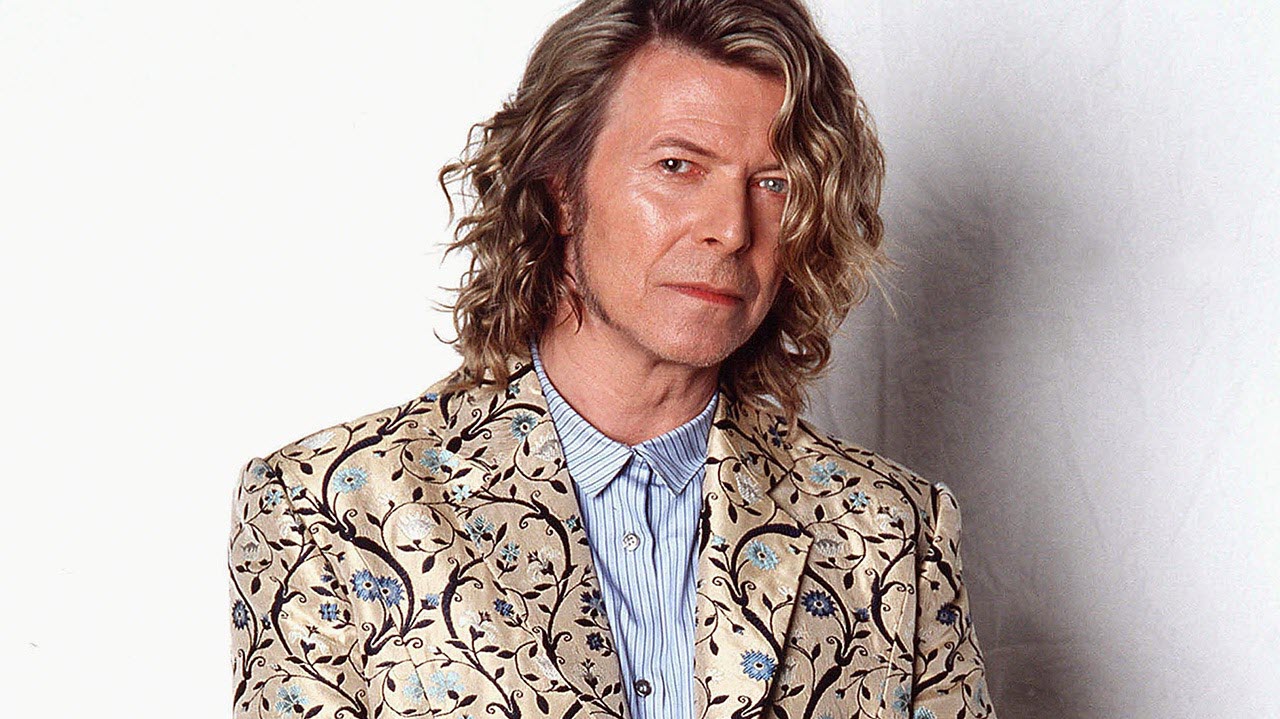
David Bowie, the chameleon of rock, redefined music and culture with his eclectic style and innovative sound. From the glittering glam of the 1970s to the haunting melodies of the 1980s, Bowie transcended genres, leaving an indelible mark on the music landscape. His ability to reinvent himself and explore complex themes of identity, love, and alienation captivated audiences worldwide. With a career spanning over five decades, Bowie gifted us an array of unforgettable tracks that still resonate today.
In this article, we dive into the top 10 most popular David Bowie songs of all time, celebrating the anthems that have shaped generations. Each song not only showcases his unique artistry but also reflects the zeitgeist of its era, making Bowie a timeless icon. From the infectious beat of “Let’s Dance” to the poignant lyrics of “Space Oddity,” these tracks encapsulate the brilliance of a man who was never afraid to challenge the status quo. Join us as we explore the magic behind these legendary songs, their impact on music history, and why they continue to inspire new artists and fans alike. Prepare for a journey through the captivating world of David Bowie!
1. Space Oddity (1969)
“Space Oddity” isn’t just a song—it’s a cinematic moment in sound. Released just nine days before the Apollo 11 moon landing, it introduces us to Major Tom, an astronaut venturing into space and slowly drifting out of contact. Bowie paints a vivid, almost dreamlike picture of this journey, blending wonder and loneliness with haunting beauty. The track’s otherworldly atmosphere is achieved through its minimalist guitar, haunting Mellotron, and the eerie stylophone, giving it an ethereal, floating feel. As Major Tom loses communication with ground control, the song shifts from celebration to isolation, reflecting deeper human fears about disconnect and the unknown. Bowie uses space not just as a literal setting, but as a metaphor for existential detachment and emotional distance. His gentle vocal delivery draws listeners in, making us feel the vastness and vulnerability that come with venturing into the unknown—whether in outer space or within ourselves. “Space Oddity” remains a haunting classic that transcends its time, forever tethered to the excitement of the space age and the emotional weight of human isolation. It’s a defining Bowie moment that continues to resonate with dreamers, loners, and explorers alike.
2. Changes (1971)
“Changes” is David Bowie at his most self-reflective, offering a personal yet universally relatable meditation on growth, reinvention, and the passage of time. Opening with that instantly recognizable stuttering piano riff, the song quickly sets the tone for what would become a recurring theme throughout Bowie’s career—transformation. Released in the early 1970s, “Changes” captured the restless energy of a generation caught between tradition and a fast-approaching future. Bowie’s lyrics acknowledge the discomfort that comes with change, but also celebrate the opportunities it brings. Lines like “Time may change me, but I can’t trace time” speak to the mystery of personal evolution, and his delivery is both intimate and philosophical. What makes the track enduring is Bowie’s refusal to settle into one identity—something that became his trademark. Musically, it’s a perfect blend of pop accessibility and artistic depth, driven by a playful melody and thoughtful lyrics. Though it wasn’t an immediate hit, “Changes” grew in stature as Bowie’s career evolved, eventually becoming one of his most quoted and beloved songs. It’s a timeless anthem for anyone standing at a crossroads, daring to reinvent themselves despite uncertainty.
3. Life on Mars? (1971)
“Life on Mars?” is one of Bowie’s most lyrically complex and emotionally resonant songs, a surreal and theatrical commentary on disillusionment and escapism. At first listen, the lyrics seem abstract, jumping from Mickey Mouse to lawmen beating up the wrong guy. But beneath the chaos is a story of a young girl retreating into fantasy to escape a dreary and disappointing reality. Set against a sweeping orchestral arrangement—thanks to Rick Wakeman’s majestic piano and Mick Ronson’s string arrangements—the song takes on a cinematic quality that enhances its emotional weight. Bowie’s vocal performance is one of his finest, effortlessly gliding from subdued introspection to powerful crescendos. He sings like he’s both mocking and mourning the broken promises of pop culture and society. “Life on Mars?” balances whimsy with biting social critique, making it a masterclass in blending art and commentary. Over time, it has become one of Bowie’s most critically acclaimed songs, admired for its layered meanings and soaring drama. Whether you interpret it as satire, poetry, or science fiction, it’s a song that demands—and rewards—multiple listens. A brilliant piece that captures the bewilderment of modern life with elegance and irony.
4. Starman (1972)
“Starman” is the track that catapulted David Bowie into true stardom—and with good reason. It’s a vibrant, cosmic message of hope wrapped in a glam rock package, introducing listeners to the alien alter-ego Ziggy Stardust. At its heart, “Starman” is about connection: a mysterious alien reaches out to Earth’s disaffected youth through the radio waves, telling them they’re not alone and that something better is coming. The song brims with energy, from the glittering guitar licks to the irresistibly catchy chorus that practically begs to be sung aloud. Bowie’s voice soars as he delivers lines like “There’s a starman waiting in the sky,” infusing them with both wonder and comfort. The song became iconic after Bowie’s performance on Top of the Pops, where his colorful appearance and confident persona gave voice to those who felt like outsiders. Musically, it’s upbeat and melodic, but lyrically, it touches on alienation, yearning, and the promise of salvation. “Starman” marked a defining moment in Bowie’s career and in glam rock history. It’s not just a song—it’s a cosmic lifeline, a celebration of being different, and a call to look beyond the mundane and believe in something more.
5. Rebel Rebel (1974)
“Rebel Rebel” is one of David Bowie’s most straightforward rock anthems, and yet it carries a powerful message about identity and defiance. From the very first chord, the track bursts with attitude, anchored by one of the most iconic guitar riffs of the 1970s. Lyrically, the song is a celebration of nonconformity, especially when it comes to gender and self-expression. With lines like “You’ve got your mother in a whirl, she’s not sure if you’re a boy or a girl,” Bowie pushes against societal expectations, offering a confident, unapologetic voice for anyone who doesn’t fit into a box. Unlike the more theatrical or conceptual pieces in his catalog, “Rebel Rebel” stands on raw energy and infectious charisma. Bowie’s vocal delivery is cheeky and cool, radiating rock star bravado while still maintaining a rebellious, underground edge. The song quickly became an anthem for those challenging norms, from fashion to identity to politics. Though it marked the end of his glam rock phase, it’s a perfect sendoff—bold, catchy, and fearless. Even decades later, “Rebel Rebel” remains a rallying cry for anyone who dares to be different and loud about it.
6. Heroes (1977)
“Heroes” is one of David Bowie’s most emotionally powerful songs—a soaring anthem about love, resilience, and defiance in the face of overwhelming odds. Inspired by the image of a couple kissing beside the Berlin Wall, the song transforms a fleeting moment into something epic and eternal. With his passionate delivery, Bowie turns a simple declaration—“We can be heroes, just for one day”—into a deeply moving affirmation of hope. Musically, the track is layered and hypnotic, driven by a steady rhythm, shimmering guitars by Robert Fripp, and Brian Eno’s atmospheric synth textures. As the song builds, Bowie’s voice grows increasingly intense, nearly breaking with emotion by the final chorus. It’s a rare combination of vulnerability and strength that captures the human spirit at its most defiant. “Heroes” wasn’t a huge hit upon release, but it’s since become one of his most beloved and enduring works. It speaks to anyone who’s ever dared to believe in something greater, even if just for a fleeting moment. Whether interpreted as a political metaphor, a love story, or a personal triumph, “Heroes” continues to resonate as a bold, beautiful statement of what it means to stand tall in difficult times.
7. Ashes to Ashes (1980)
“Ashes to Ashes” is both a return and a reinvention. Bowie revisits Major Tom, the fictional astronaut from “Space Oddity,” but this time through a much darker and more introspective lens. Rather than the wide-eyed explorer lost in space, Major Tom is now a fallen figure—possibly a metaphor for Bowie himself grappling with fame, addiction, and the ghosts of his past. The song’s sound is distinctly modern for its time, blending moody synthesizers, layered production, and a bouncy yet eerie bassline that became a hallmark of the emerging new wave scene. Bowie’s vocals are haunting and detached, reinforcing the song’s sense of emotional distance. The lyrics are cryptic and loaded with symbolism, filled with lines that invite interpretation, such as “My mother said to get things done, you better not mess with Major Tom.” The accompanying music video—surreal, stylized, and iconic—was groundbreaking and helped usher in the MTV era. “Ashes to Ashes” isn’t just a continuation of a story; it’s a self-examination wrapped in art-pop perfection. It marks a turning point in Bowie’s career, showing that he could reflect on his own mythology while continuing to push forward into new artistic territory.
8. Let’s Dance (1983)
“Let’s Dance” is the sound of David Bowie stepping into the spotlight with bold confidence and a whole new energy. Released in 1983, it marked a sharp departure from the art rock and experimental sounds of his previous work. Teaming up with producer Nile Rodgers of Chic, Bowie created a sleek, danceable track that married funk, pop, and rock with irresistible flair. The groove is infectious from the very first beat, and the rhythm guitar work—especially from a young Stevie Ray Vaughan—adds an edgy, bluesy undertone to the glossy production. But beneath the upbeat surface, “Let’s Dance” carries subtle layers of meaning. Bowie sings about connection and vulnerability, using the act of dancing as a metaphor for love and trust. Lines like “Put on your red shoes and dance the blues” invite listeners to confront pain with joy and movement. The song became a massive global hit, catapulting Bowie to new commercial heights and introducing him to an entirely new generation of fans. “Let’s Dance” is more than just a party anthem; it’s a masterful blend of style, soul, and sophistication. It remains one of his most popular—and accessible—tracks, proving that Bowie could dominate the dance floor as effortlessly as the avant-garde.
9. Under Pressure (1981)
“Under Pressure” is a legendary collaboration between David Bowie and Queen that feels as raw and urgent today as it did when it first hit the airwaves. Centered around one of the most iconic basslines in music history, the song is a heart-pounding meditation on stress, compassion, and the need for human connection. Bowie and Freddie Mercury trade vocals with incredible intensity, each bringing their unique emotional range to the track. Their voices rise and fall in a kind of musical conversation, sometimes clashing and sometimes harmonizing in perfect unity. The lyrics highlight the pressure we face in modern life—from personal struggles to societal pressures—and call for empathy and love as the antidote. The song’s emotional crescendo is unforgettable, culminating in Mercury’s powerful plea: “Why can’t we give love one more chance?” It’s a moment of pure catharsis that speaks directly to the soul. “Under Pressure” wasn’t just a hit—it became a cultural touchstone and one of rock’s most powerful duets. Its enduring legacy lies in its ability to take something as universal as stress and turn it into a call for unity and kindness. Few songs have ever blended energy and emotion so perfectly.
10. Fame (1975)
“Fame” is Bowie’s funky, biting takedown of celebrity culture—ironic, given that it also became his first number-one hit in the U.S. Co-written with John Lennon and guitarist Carlos Alomar, the track fuses funk and soul with a sharp-edged critique of the very industry that made Bowie a star. The groove is irresistible, built around a tight, syncopated riff and a slinky rhythm that keeps the track moving with swagger. But the lyrics paint a darker picture, exposing the emptiness, manipulation, and disillusionment behind the glitz and glamor. “Fame, what you like is in the limo / Fame, what you get is no tomorrow”—these lines hit hard, reflecting Bowie’s own frustrations with the fame machine. His vocal performance drips with sarcasm and weariness, giving the song a cool detachment that only amplifies its message. John Lennon’s presence adds an extra layer of depth and credibility, making “Fame” feel both spontaneous and calculated. This track stands out as one of Bowie’s most cynical, yet danceable, creations. It captures a unique moment in his career when he was balancing superstardom with deep self-awareness. “Fame” isn’t just a hit—it’s a brilliantly crafted warning disguised as a funky good time.

Edward Tomlin is a frequent contributor to Singers Room. Since 2005, Singersroom has been the voice of R&B around the world. Connect with us via social media below.









