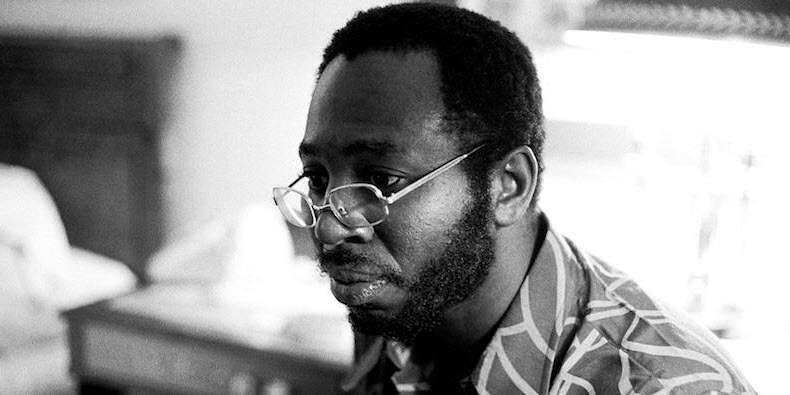
Few artists in music history have blended soul, funk, and social consciousness as seamlessly—and powerfully—as Curtis Mayfield. From the streets of Chicago to the heights of international acclaim, Mayfield carved out a legacy not just as a singer, but as a visionary. Whether he was crafting velvet-smooth ballads with The Impressions or delivering razor-sharp commentary in his solo work, his music always had a message. And that message hit hard. With a falsetto that could soothe and lyrics that could stir revolutions, Mayfield became the poetic voice of the Civil Rights Movement, the pulse of urban struggle, and the soundtrack to resilience.
In this countdown, we’re diving into the top 10 most popular Curtis Mayfield songs of all time—the tracks that defined his career, reshaped soul music, and left an indelible mark on culture. These songs are more than just hits; they’re time capsules of hope, heartbreak, resistance, and triumph. Whether you’re a lifelong fan or just discovering his genius, this list will take you on a soulful journey through one of music’s most influential catalogs. So turn up the volume and prepare to be moved—Curtis Mayfield’s greatest songs still speak louder than ever.
1. “Move On Up” (1970)
Released in 1970 on his groundbreaking solo debut Curtis, “Move On Up” is Curtis Mayfield’s uplifting anthem of resilience, empowerment, and determination. At over eight minutes long in its full version, the track is a masterclass in soul and funk, powered by a dynamic horn section, brisk percussion, and Mayfield’s radiant falsetto. His voice gently but firmly urges listeners to keep striving, no matter the obstacles. While it didn’t make a huge commercial splash in the U.S. upon release, its legacy only grew over time, especially in the UK where it eventually charted and became a beloved classic. The song’s message of hope and upward momentum has made it a perennial favorite, often sampled and referenced in pop culture—including Kanye West’s “Touch the Sky.” “Move On Up” captures the essence of Mayfield’s artistic vision: socially aware, musically rich, and spiritually uplifting. It’s more than just a feel-good tune; it’s a call to action, a source of strength, and a shining example of how soul music can inspire real change. Decades later, its joyous energy and unwavering optimism continue to resonate with audiences worldwide.
2. “People Get Ready” (1965)
“People Get Ready,” released in 1965 with The Impressions, stands as one of Curtis Mayfield’s most timeless and transcendent compositions. Steeped in gospel influence, the song radiates spiritual warmth and quiet conviction. Mayfield wrote it as both a message of faith and a metaphorical rallying cry during the Civil Rights Movement, using the image of a train bound for redemption and justice. Its arrangement is delicate—gentle guitar chords and lush vocal harmonies support lyrics that speak of hope, unity, and preparation for better days ahead. Though it only saw modest chart success at the time, its cultural impact has been profound. The song became an unofficial anthem for the Civil Rights era and was even cited by Dr. Martin Luther King Jr. as one of his favorites. Over the years, “People Get Ready” has been covered by dozens of artists and honored by institutions like the Grammy Hall of Fame and Rolling Stone, which ranked it among the greatest songs of all time. More than just a tune, it’s a spiritual and social beacon—a testament to Mayfield’s power to fuse faith and activism into music that still comforts and challenges us today.
3. “Superfly” (1972)
The title track of the Super Fly soundtrack, “Superfly” is a landmark moment in Curtis Mayfield’s career and a defining piece of the blaxploitation era. Released in 1972, the song tells the story of a streetwise hustler with cool charisma and moral complexity, painting a picture far more nuanced than the films it accompanied. Musically, it’s a funky explosion of wah-wah guitar, deep bass grooves, and sharp horn lines, all anchored by Mayfield’s signature falsetto and poignant lyrics. Unlike many soundtracks of the time, “Superfly” doesn’t glorify the criminal lifestyle—it critiques the system that creates it. The song became a major hit, climbing to No. 8 on the Billboard Hot 100 and No. 5 on the R&B chart, and helped elevate the Super Fly soundtrack into legendary status. Mayfield’s fusion of street realism with soul sophistication made “Superfly” a bold, intelligent commentary wrapped in irresistible grooves. It proved that music tied to film could still carry artistic and social weight. Even today, it remains a cultural touchstone—a statement as much as a song, and a high point in the evolution of socially conscious soul music.
4. “Freddie’s Dead” (1972)
“Freddie’s Dead,” also from the Super Fly soundtrack, is one of Curtis Mayfield’s most searing and unforgettable tracks. Released in 1972, the song tells the story of Freddie, a doomed character from the film, who represents countless marginalized individuals lost to the cycles of poverty, addiction, and systemic failure. Mayfield’s lyrics are blunt and heartbreaking—“Everybody’s misused him, ripped him off and abused him”—delivering a powerful critique of societal neglect. The music juxtaposes that heavy message with an infectious funk groove, blending driving rhythms, haunting string arrangements, and Mayfield’s mournful falsetto into a striking contrast. The track resonated deeply with audiences, peaking at No. 4 on the Billboard Hot 100 and earning a Grammy nomination. “Freddie’s Dead” stands as a brilliant example of how Mayfield could craft songs that were both socially conscious and commercially appealing. It’s more than just a soundtrack cut—it’s a tragic, soulful narrative that still hits hard today, reminding us of music’s capacity to shine a light on injustice while still making us move.
5. “Pusherman” (1972)
“Pusherman,” one of the standout tracks from the Super Fly soundtrack, is a daring and provocative exploration of the drug trade from the dealer’s perspective. Released in 1972, the song immerses listeners in the mindset of a street hustler, revealing the seductive power and complex morality of life on the margins. Over a hypnotic mix of slinky basslines, wah-wah guitar, and Latin-influenced percussion, Curtis Mayfield delivers his lines in a smooth, falsetto tone that’s both alluring and unsettling. The song doesn’t glorify the character—it dissects the societal forces that create him, from economic desperation to systemic neglect. Though “Pusherman” wasn’t released as a commercial single, it’s become one of Mayfield’s most enduring and influential tracks. Its unique perspective and infectious groove have made it a favorite among hip-hop artists, filmmakers, and fans of socially aware music. “Pusherman” shows how Mayfield could wrap sharp, challenging truths in a seductive soundscape, making his message resonate without ever preaching. It remains a chilling, captivating piece of musical storytelling that challenges listeners to consider the bigger picture behind the choices people make.
6. “(Don’t Worry) If There’s a Hell Below, We’re All Going to Go” (1970)
Bold, apocalyptic, and fiercely political, “(Don’t Worry) If There’s a Hell Below, We’re All Going to Go” is the fiery opening track of Curtis Mayfield’s solo debut Curtis, released in 1970. The song kicks off with a jarring spoken-word warning, name-checking racial and social groups before diving into a chaotic mix of fuzzed-out bass, urgent percussion, and psychedelic soul. Mayfield uses his falsetto not to soothe, but to warn—a prophet declaring that if society continues down its path of racism, injustice, and division, we’ll all share the consequences. The song’s title alone is a stark indictment, and its frantic energy mirrors the political tension of the times. While it only reached No. 29 on the Billboard Hot 100, its influence far exceeds its chart position. The track has been sampled in hip-hop and revered by generations of artists for its fearless commentary. Unlike his more uplifting songs, “Don’t Worry” is pure defiance, a stark reminder that Mayfield wasn’t afraid to confront hard truths. It remains one of his most experimental and urgent works—still unnervingly relevant decades later.
7. “Keep On Keeping On” (1971)
“Keep On Keeping On,” from Curtis Mayfield’s 1971 album Roots, is a soulful affirmation of perseverance and inner strength. Unlike some of his more overtly political tracks, this song delivers its message through a gentle, personal lens. With a warm, mid-tempo groove and smooth instrumentation, Mayfield offers words of encouragement to anyone facing hardship. His signature falsetto glides over a comforting melody, turning the phrase “keep on keeping on” into a mantra for survival. While it didn’t chart or become a mainstream hit, the song has grown into one of Mayfield’s most cherished fan favorites. Its enduring appeal lies in its universality—whether you’re navigating racial injustice, personal setbacks, or everyday struggles, this track reminds you that persistence is power. Artists from John Legend to Tupac have referenced its message, underscoring its lasting influence. “Keep On Keeping On” is the kind of song that quietly builds strength in the listener—a reminder that even in the face of adversity, there’s grace in simply continuing forward.
8. “We the People Who Are Darker Than Blue” (1970)
From his landmark solo debut Curtis, “We the People Who Are Darker Than Blue” is Curtis Mayfield at his most introspective and poetic. Released in 1970, the song addresses Black identity, unity, and the urgent need for self-reflection within the African American community. Mayfield challenges his listeners to rise above internal divisions and colorism, calling for unity and self-respect in a world that constantly devalues them. The arrangement is sparse but evocative—strings and subtle instrumentation create a somber, contemplative mood that allows the weight of his lyrics to shine. Mayfield’s voice carries the quiet authority of a mentor or prophet, urging not through anger, but through love and wisdom. Though never released as a single, the track has gained immense respect for its emotional depth and social insight. It has been covered and sampled by numerous artists, a testament to its enduring relevance. “We the People Who Are Darker Than Blue” is not just a song—it’s a soulful sermon on unity, dignity, and the long road toward self-empowerment.
9. “Gypsy Woman” (1961)
“Gypsy Woman,” released in 1961 by The Impressions, marks Curtis Mayfield’s first major hit as both lead vocalist and songwriter. A romantic and whimsical track, it captures the image of a mysterious woman dancing under the stars, captivating the narrator with her grace and allure. With its doo-wop harmonies and soft rhythm, “Gypsy Woman” blends early ’60s soul with folk-like storytelling, offering a glimpse into Mayfield’s lyrical imagination and musical charm. The song climbed to No. 2 on the R&B charts and No. 20 on the Billboard Hot 100, helping to establish The Impressions as a rising force in soul music. While it lacks the political edge of Mayfield’s later work, “Gypsy Woman” showcases his versatility and keen melodic sense. It’s a tender and enchanting tune that still feels fresh decades later. The song’s gentle rhythm and dreamy imagery make it a standout in the early days of Mayfield’s career—a reminder that before he became a voice of social change, he was already a master of mood and melody.
10. “Choice of Colors” (1969)
Released in 1969 with The Impressions, “Choice of Colors” is a quietly powerful ballad that confronts racism with compassion and courage. Written by Curtis Mayfield, the song asks a poignant question: “If you had a choice of colors, which one would you choose, my brothers?” In doing so, it forces listeners to reflect on racial identity, equality, and the world they want to build. The musical arrangement is simple but emotionally resonant—just enough instrumentation to support Mayfield’s tender vocals and thought-provoking lyrics. The song reached No. 1 on the R&B charts and No. 21 on the pop charts, proving that deeply meaningful music could still find commercial success. “Choice of Colors” captures a unique moment in history, when soul music was evolving into a vehicle for activism and awareness. It’s both a product of its time and a timeless call for understanding and justice. Even now, it stands as one of Mayfield’s most insightful and compassionate works—a song that continues to ask the hard questions while holding onto hope.

Samuel Moore is a frequent contributor to Singers Room. Since 2005, Singersroom has been the voice of R&B around the world. Connect with us via social media below.









