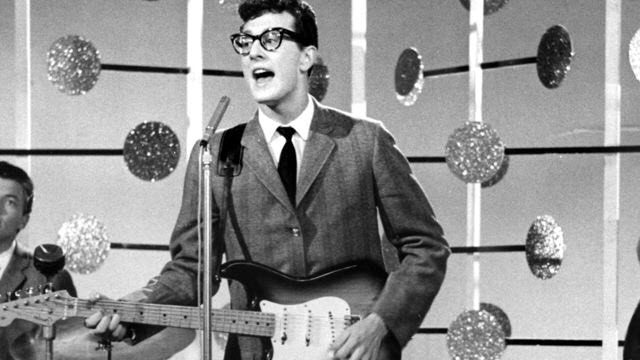
Buddy Holly, a pioneering figure in rock and roll, left an indelible mark on the music world with his innovative sound and timeless hits. Despite his brief career, which was tragically cut short in 1959, Holly’s influence lives on, inspiring countless artists across generations. His unique blend of rock, pop, and country elements created a fresh sound that captivated audiences and reshaped the landscape of popular music.
In this article, we explore the top 10 most popular Buddy Holly songs of all time—an eclectic mix that showcases his extraordinary talent and enduring legacy. From exuberant anthems to heartfelt ballads, each track reflects the essence of Holly’s musical genius. Whether you’re a lifelong fan or discovering his music for the first time, these songs are sure to resonate with you. Join us as we delve into the melodies and lyrics that have stood the test of time, revealing why Buddy Holly remains a beloved icon in the pantheon of rock. Get ready to tap your feet and sing along as we celebrate the unforgettable tunes that continue to inspire and entertain listeners around the world!
1. “That’ll Be the Day” (1957)
Released in 1957, “That’ll Be the Day” marked a turning point in rock history and firmly established Buddy Holly as a voice for a new generation. With its infectious rhythm and rebellious attitude, the song became a defining anthem of teen spirit in the late ’50s. Holly’s unique vocal style—equal parts charm and confidence—blends beautifully with the rhythmic guitar work and driving beat. The phrase “That’ll be the day when I die” might sound morbid at first, but in context, it’s delivered with a wink and a smirk. It’s not despair—it’s defiance. The lyrics speak to heartbreak and disappointment, yet they’re wrapped in an upbeat, rollicking package that feels empowering.
The track was inspired by a line John Wayne delivered in a film, and Holly’s interpretation gave it new life as a catchy, unforgettable hook. Its success helped open doors for other rock and roll pioneers and laid the foundation for the British Invasion, with The Beatles famously citing Holly as a major influence. “That’ll Be the Day” is more than a hit—it’s a piece of cultural history, capturing the hopes and heartaches of youth with undeniable style and swagger.
2. “Peggy Sue” (1957)
When “Peggy Sue” hit the airwaves in 1957, it became an instant classic—an ode to teenage infatuation that was both simple and revolutionary. The track stands out not only for its catchy, rolling rhythm but also for Buddy Holly’s vocal performance, which ranges from playful to pleading. The lyrics are straightforward: a boy pining for a girl named Peggy Sue. But what elevates it is Holly’s unique phrasing, the infectious beat, and Jerry Allison’s innovative drumming, which adds a heartbeat-like pulse to the song’s emotional core.
Originally titled “Cindy Lou” (after Holly’s niece), the song was renamed to honor the drummer’s girlfriend—and later, wife—Peggy Sue Gerron. That personal touch adds another layer to the track’s charm. It’s not just a pop song; it’s a love letter, full of genuine affection and musical ingenuity. The guitar work, while deceptively simple, drives the song forward with energy and style.
“Peggy Sue” solidified Holly’s place in the rock ‘n’ roll pantheon and became one of his most recognizable tunes. Its legacy is not just in its melody, but in its ability to encapsulate the sweet rush of young love in under three minutes.
3. “Everyday” (1957)
“Everyday,” released in 1957, is one of Buddy Holly’s most tender and enduring songs. Unlike the high-energy rockers that defined much of his catalog, this track embraces a softer, more introspective tone. The celesta—played by producer Norman Petty’s wife—gives the song its signature bell-like sound, adding a whimsical charm that perfectly complements the simplicity of the lyrics. “Everyday, it’s a-gettin’ closer,” Holly sings with gentle optimism, his voice radiating warmth and sincerity.
The song’s magic lies in its honesty. It doesn’t try to be flashy or dramatic. Instead, it quietly celebrates the anticipation of love, that feeling of something beautiful slowly unfolding. Holly’s vocal delivery is restrained yet heartfelt, and the subtle handclaps that carry the rhythm feel like they’re happening right beside you.
“Everyday” has been covered many times, but few renditions capture the original’s delicate balance of sweetness and hope. It’s the kind of song that sneaks up on you—unassuming at first, but deeply affecting. In just a few short verses, Buddy Holly created a timeless reminder that love, in all its simplicity, is something worth waiting for.
4. “Oh, Boy!” (1957)
“Oh, Boy!” bursts with youthful energy and uncontainable excitement. Released in 1957, this rock ‘n’ roll gem captures the giddy feeling of falling head over heels in love. From the moment Buddy Holly belts out the opening line, it’s clear this song is all about joy, desire, and celebration. The driving rhythm, catchy chorus, and vibrant guitar work make it nearly impossible to sit still while listening.
The lyrics are uncomplicated but effective: “All my love, all my kissin’ / You don’t know what you’ve been a-missin’.” Holly’s voice exudes confidence and pure happiness, turning a simple love song into a full-blown rock ‘n’ roll anthem. The Crickets’ backing harmonies add to the song’s layered charm, giving it an almost choral exuberance that enhances its infectious spirit.
“Oh, Boy!” is a shining example of Holly’s ability to turn everyday emotions into something universally resonant. It’s not just a song—it’s an emotional snapshot of young love at its most exhilarating. Decades later, it still crackles with the same sense of fun and promise, proving that good music—and good feelings—never go out of style.
5. “Not Fade Away” (1957)
“Not Fade Away,” released in 1957, is a rhythmic powerhouse that showcases Buddy Holly’s knack for innovation within the rock ‘n’ roll framework. Driven by a Bo Diddley-inspired beat and propelled by clapping rhythms, the song’s minimal instrumentation only enhances its raw energy. The lyrics are a bold declaration of devotion, with Holly promising that his love “is real, not fade away”—a message that cuts straight to the heart with sincerity and rhythm.
What sets “Not Fade Away” apart is its pulse. The beat is primal and unrelenting, giving the track a sense of momentum that was groundbreaking for its time. Holly’s delivery is confident yet endearing, perfectly balancing the swagger of rock with the warmth of genuine feeling. It’s easy to see why this song became a favorite not just among fans but among musicians too.
Famously covered by The Rolling Stones in 1964, “Not Fade Away” helped bridge American rock ‘n’ roll with the emerging British sound. Holly’s influence on that generation—and many others—is palpable in every note. The song’s title proves prophetic in more ways than one: not only does the love in the lyrics endure, but so does the legacy of Buddy Holly himself.
6. “Rave On” (1958)
Released in 1958, “Rave On” is a shot of adrenaline wrapped in under two minutes of pure rock ‘n’ roll bliss. The title itself captures the spirit of the song—it’s all about passion, excitement, and the uncontrollable rush of being in love. Buddy Holly wastes no time, jumping right in with a bold exclamation and then launching into a whirlwind of vibrant guitar licks and rollicking rhythm. His voice carries urgency, as if the feelings he’s expressing are just too powerful to keep inside.
What makes “Rave On” such a standout is its infectious energy. The track races forward with an unrelenting tempo, and every instrument feels locked into a groove that won’t quit. The lyrics are short and sweet, yet packed with intensity: Holly’s love is so overwhelming, all he can do is rave on about it.
It’s this kind of exuberance that made Holly a pioneer. He didn’t just play rock ‘n’ roll—he felt it, and you can hear that feeling in every beat of this song. “Rave On” remains a vibrant snapshot of youthful exuberance, capturing what it feels like to be young, infatuated, and totally swept up in the moment.
7. “True Love Ways” (1958)
“True Love Ways,” released posthumously in 1958, reveals a different side of Buddy Holly—one that’s softer, more romantic, and deeply introspective. This lush ballad features orchestral arrangements that were a significant departure from his typical rock-driven sound, proving Holly’s versatility as an artist. The string section glides gently beneath his vocals, giving the song a timeless, almost cinematic quality.
The lyrics are simple and sincere: “Just you know why / Why you and I / Will by and by / Know true love ways.” It’s a quiet, confident promise of lasting love, free of irony or pretense. Holly’s voice is warm and intimate, delivering every line with vulnerability and devotion. This wasn’t a song crafted to climb the charts—it was a heartfelt message, reportedly written for his wife, Maria Elena.
In “True Love Ways,” Holly traded the high-octane thrill of teen romance for something deeper and more enduring. The result is a moving, soulful ballad that continues to resonate with listeners of all ages. It’s a testament not only to his talent but also to his emotional range, and it remains one of the most touching entries in his remarkable catalog.
8. “It Doesn’t Matter Anymore” (1959)
“It Doesn’t Matter Anymore,” released in 1959 shortly before Buddy Holly’s tragic death, carries a bittersweet weight that has only grown with time. Written by Paul Anka specifically for Holly, the song blends melancholy lyrics with a surprisingly upbeat, orchestral arrangement. That contrast—between the emotional heaviness of a breakup and the light, almost breezy melody—makes the song especially powerful.
Holly’s vocal performance is nuanced, combining sadness, resignation, and a touch of irony. He’s not pleading or lamenting—he’s letting go. “There’ll be no more blue tomorrows / Only memories,” he sings with a kind of graceful finality. The song’s theme of acceptance in the face of heartache speaks volumes, especially in hindsight, given Holly’s untimely passing.
Musically, the lush orchestration adds sophistication to the arrangement, signaling Holly’s evolving artistry and willingness to explore beyond the boundaries of early rock ‘n’ roll. It’s a glimpse of what could have been—a sign of the mature songwriter and performer he was becoming.
“It Doesn’t Matter Anymore” endures not just as a farewell, but as a reminder of Buddy Holly’s range, sensitivity, and potential. It’s one of those rare songs that can break your heart while making you smile at the same time.
9. “Words of Love” (1957)
“Words of Love,” released in 1957, is a delicate gem in Buddy Holly’s discography, showcasing his quieter, more reflective side. Unlike his more raucous hits, this song relies on gentle harmonies and a dreamy rhythm to convey its message. The track’s simplicity is its greatest strength—there’s no rush, no loud declarations, just a soft and sincere expression of affection.
Holly’s guitar work is subtle but effective, creating a warm backdrop that perfectly complements his soothing vocal delivery. He harmonizes with himself using overdubbing, a technique that was still relatively new at the time, giving the song a layered and intimate feel. The lyrics encourage openness and honesty in love, urging the listener to “tell me dear, are you sincere?”
“Words of Love” didn’t make a huge splash commercially when it first came out, but its influence was far-reaching. The Beatles famously covered it on their 1964 album Beatles for Sale, further cementing Holly’s impact on the next wave of rock ‘n’ roll.
Today, the song stands as a quiet reminder of Holly’s emotional intelligence as a songwriter. It’s a love song for those who prefer whispers over shouts—an understated, heartfelt ballad that has stood the test of time.
10. “Maybe Baby” (1957)
“Maybe Baby,” released in 1957, is a playful and infectious tune that captures the rollercoaster emotions of young love. The title says it all—it’s a song about uncertainty, hope, and the sweet anticipation that comes with waiting for someone to feel the same way. Buddy Holly’s vocals strike the perfect balance between confidence and vulnerability, making the lyrics feel personal and genuine.
The song’s rhythm bounces along with an easy charm, supported by a steady drumbeat and Holly’s signature guitar strumming. The Crickets’ harmonies add another layer of warmth, turning the track into a sing-along favorite. “Maybe baby, I’ll have you / Maybe baby, you’ll be true”—the lines are simple, but they carry a relatable sense of longing and optimism.
What makes “Maybe Baby” so enduring is its emotional honesty. It doesn’t wallow in sadness or soar with triumph; it lingers in that in-between space where so many of us have found ourselves—waiting, hoping, wondering. It’s catchy, heartfelt, and full of charm, reminding listeners that even in uncertainty, there’s joy to be found. As with many of Holly’s hits, it’s a snapshot of youth set to a melody that still sticks in your head decades later.

Edward Tomlin is a frequent contributor to Singers Room. Since 2005, Singersroom has been the voice of R&B around the world. Connect with us via social media below.









