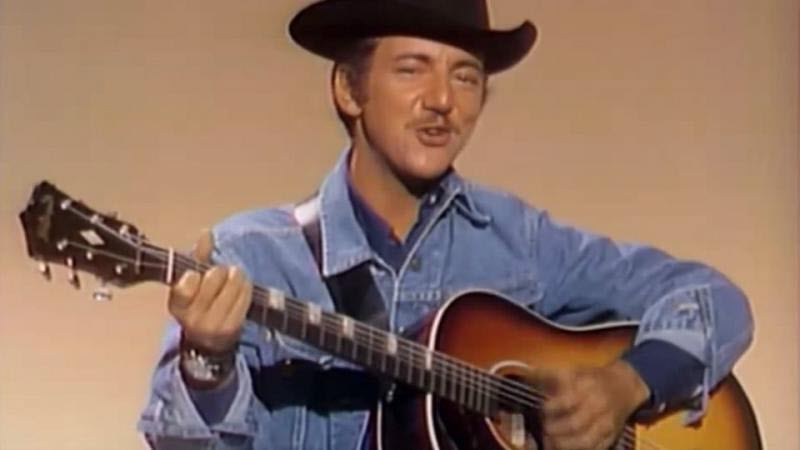
Few artists in music history have mastered the art of reinvention quite like Bobby Darin. From his early days as a rock-and-roll heartthrob to his suave swing era and later folk-inspired introspection, Darin was a genre-defying force with a voice that could melt hearts, raise eyebrows, and bring down the house—all in the same set. Bursting onto the scene in the late 1950s, he quickly proved he wasn’t just another teen idol; he was a creative powerhouse with a rare blend of charisma, talent, and fearlessness. Whether crooning about love, belting out jazzy standards, or tackling socially conscious ballads, Darin left an indelible mark on American music. His songs didn’t just climb the charts—they became timeless staples that still resonate today. In this article, we’re diving into the Top 10 Most Popular Bobby Darin Songs of All Time, each one a standout moment in a career that never stopped evolving. These tracks showcase the brilliance, versatility, and unforgettable voice that made Bobby Darin a legend. So turn up the volume, snap your fingers, and take a musical journey through the hits that defined his legacy—because when it comes to Bobby Darin, every song tells a story worth hearing.
1. Mack the Knife (1959)
Bobby Darin’s 1959 rendition of “Mack the Knife” is not only one of the most recognizable recordings of his career—it’s a defining moment in pop music history. Originally written by Kurt Weill and Bertolt Brecht for the 1928 German play The Threepenny Opera, the song was a dark, jazzy tale of a charming yet deadly criminal. But Darin flipped the script. With his smooth voice, effortless cool, and a swinging big-band arrangement, he transformed the eerie narrative into a stylish, toe-tapping hit. What made Darin’s version so compelling was the way he danced between menace and charisma, never fully revealing just how dangerous the titular “Mack” really is. The result? A massive crossover success. “Mack the Knife” soared to No. 1 on the Billboard Hot 100 and stayed there for an impressive nine weeks. It also earned Darin a Grammy for Record of the Year in 1960. The performance marked a pivotal turning point—no longer just a teen idol, Darin proved he was an artist with range, charm, and sharp instincts. His take on “Mack the Knife” remains a gold standard for reinterpretation, turning a theatrical murder ballad into a jazz-pop masterpiece.
2. Beyond the Sea (1960)
With “Beyond the Sea,” Bobby Darin didn’t just cover a song—he gave it new life. Based on Charles Trenet’s French classic “La Mer,” this 1960 release trades the original’s impressionistic imagery for something more romantic and accessible to American audiences. Thanks to English lyrics by Jack Lawrence, Darin’s version tells a vivid tale of longing and love, painting a cinematic picture of someone yearning for a distant sweetheart across the ocean. From the first brassy swell of the orchestra, it’s clear Darin means to sweep the listener away. His vocal performance is rich and soaring, striking a perfect balance between elegance and swing. The arrangement is lush, with sweeping strings and a crisp rhythm section that evokes glamour and timeless sophistication. Though it didn’t achieve the chart-topping success of “Mack the Knife,” “Beyond the Sea” became one of Darin’s most beloved recordings—frequently used in films, commercials, and nostalgic retrospectives. It’s a song that captures a kind of old-world romance, where love is grand, distances are vast, and dreams sail effortlessly on ocean breezes. Darin’s interpretation continues to resonate as a classic example of how to blend European roots with American style.
3. Dream Lover (1959)
“Dream Lover,” released in April 1959, marked a critical turning point for Bobby Darin as he stepped beyond novelty rock and into the realm of serious pop artistry. Written entirely by Darin, the song reveals a more introspective and emotionally nuanced side of the young performer. With a gently rolling piano intro, soft background harmonies, and a polished arrangement, “Dream Lover” tells the simple but universal story of someone longing for a soulmate. The lyrics are heartfelt without being overly sentimental, and Darin’s vocal delivery adds just the right amount of yearning to make it all feel genuine. Audiences responded enthusiastically—the single climbed to No. 2 on the Billboard Hot 100 and sold over a million copies, cementing his status as more than just a one-hit wonder. “Dream Lover” showed that Darin had songwriting chops and the emotional range to match. It’s a beautifully crafted slice of late-’50s pop that still strikes a chord today, reminding us of those dreamy hopes we’ve all had for a perfect, lasting love. For many, this is the song that first revealed Darin’s depth beneath the charm.
4. Splish Splash (1958)
“Splish Splash” may have started as a joke—but it ended up launching Bobby Darin’s career into the stratosphere. Released in May 1958, the song was co-written with DJ Murray the K as the result of a playful bet to write a song that started with the words “Splish Splash, I was takin’ a bath.” What emerged was an irresistible rock-and-roll romp about a guy whose quiet bath turns into a surprise dance party. With its rollicking piano lines, bouncing beat, and Darin’s gleeful delivery, the song became an instant hit. It reached No. 3 on the Billboard Hot 100 and quickly sold over a million copies. “Splish Splash” captured the youthful exuberance of the 1950s, channeling a carefree attitude that made it perfect for teenagers of the era—and still makes it fun today. The song’s success proved that Darin had crossover potential and set the stage for his genre-hopping career. While he would go on to explore jazz, folk, and pop standards, “Splish Splash” remains a beloved example of his early energy and charisma. It’s lighthearted, catchy, and endlessly fun—the perfect introduction to a star in the making.
5. Things (1962)
“Things,” released in July 1962, showcases Bobby Darin at his most relatable and relaxed. Unlike the big-band bravado of his earlier hits, this track opts for a more stripped-down, country-tinged pop sound. Written by Darin himself, “Things” is both catchy and bittersweet, using a simple melody to tell a story of heartbreak and reflection. The lyrics list all the “things” the singer used to do with a now-absent lover—playful on the surface but tinged with genuine melancholy. Darin’s performance walks the line perfectly: charming and light, but with an emotional undercurrent that gives it real staying power. The instrumentation—featuring acoustic guitar, piano, and handclaps—adds to the intimate feel. The song climbed to No. 3 on the Billboard Hot 100 and became a favorite for fans who appreciated Darin’s versatility. It proved he didn’t need a full orchestra to shine—just a good melody, honest lyrics, and his unmistakable voice. “Things” continues to resonate because of its conversational tone and universal theme. It’s Darin at his most human, reminding listeners that even stars get sentimental about the past.
6. Clementine (1960)
With “Clementine,” released in 1960, Bobby Darin took a dark old folk tune and turned it on its head with a burst of manic energy and wicked humor. A clever reimagining of “Oh My Darling, Clementine,” the song trades in the original’s mournful tone for a rollicking jazz arrangement and an irreverent take on the story. In Darin’s version, Clementine becomes more caricature than tragic figure, and her demise is treated with a wink rather than a wail. The tempo is brisk, the horns are punchy, and Darin’s delivery is delightfully tongue-in-cheek—almost vaudevillian in its playfulness. Though it wasn’t one of his biggest hits, “Clementine” has become something of a cult classic, particularly among fans who appreciate Darin’s risk-taking and theatrical flair. It’s a reminder that he wasn’t afraid to poke fun at traditional material or subvert expectations. Whether you find it hilarious, irreverent, or just plain weird, “Clementine” stands as a quirky, bold entry in Darin’s discography that proves he didn’t take himself too seriously—and that sometimes, musical mischief is part of the magic.
7. You Must Have Been a Beautiful Baby (1961)
Bobby Darin’s 1961 rendition of “You Must Have Been a Beautiful Baby” is a shining example of his talent for breathing new life into old standards. Originally written by Johnny Mercer and Harry Warren in 1938, the song had been performed by many, but Darin’s version gave it a fresh, modern swing. His arrangement is crisp and brassy, full of punchy horns and toe-tapping rhythms, turning the tune into a jubilant celebration rather than just a sweet serenade. Darin’s vocal performance is bursting with personality—playful, flirtatious, and full of that classic showbiz charm that made him a favorite on stage and screen. You can almost hear him smiling through the lyrics, teasing his way through each line with confidence. The song landed in the Top 20 on the Billboard charts and solidified Darin’s status as a premier interpreter of the American songbook. What could’ve been a nostalgia piece instead feels fresh and exciting, thanks to Darin’s irresistible charisma. “You Must Have Been a Beautiful Baby” is proof that with the right performer, even the most familiar tunes can feel brand new.
8. If I Were a Carpenter (1966)
“If I Were a Carpenter” marked a bold and introspective turn for Bobby Darin when it was released in 1966. Moving away from the polished pop and jazz stylings that had defined his earlier work, this song found him stepping into the world of folk-rock with grace and conviction. Originally written by Tim Hardin, the song poses a simple yet powerful question: would love still exist if material wealth and status were stripped away? Darin’s stripped-down arrangement—featuring acoustic guitar and minimal accompaniment—lets the vulnerability of the lyrics take center stage. His voice, once known for its bravado and swing, is subdued here, imbued with sincerity and emotional depth. The performance earned Darin a Grammy nomination and critical praise for reinventing himself during a time when music—and the world—was rapidly changing. “If I Were a Carpenter” became one of his most respected recordings, showing that Darin was more than a performer—he was an artist willing to evolve. The song remains a standout not just for its message, but for the way Darin delivered it: with honesty, humility, and a desire to connect on a deeper level.
9. Lazy River (1961)
Bobby Darin’s 1961 take on “Lazy River” is anything but lazy. Originally composed by Hoagy Carmichael and Sidney Arodin in the 1920s, this jazz standard had already been a staple for decades, but Darin gave it a refreshing jolt of energy. With a big-band swing arrangement and his signature vocal flair, Darin made the river flow with style and swagger. The tempo is breezy, the horns are lively, and his performance is perfectly timed—casual yet crisp, cool yet inviting. While the song didn’t top the charts, it became a favorite in his live shows, where Darin used it to show off his effortless control and love for jazz-inflected pop. “Lazy River” is a testament to his ability to take well-worn standards and make them feel fresh, fun, and completely his own. It’s also a reminder of how Darin straddled the line between tradition and innovation, honoring the past while infusing it with modern energy. Whether you’re a jazz aficionado or just love a good tune, Darin’s “Lazy River” flows smooth and easy—just the way it should.
10. Artificial Flowers (1960)
“Artificial Flowers,” released in 1960, is one of Bobby Darin’s most daring and theatrical recordings. Adapted from the Broadway musical Tenderloin, the song tells a bleak story—a young girl, forced into child labor making artificial flowers, dies in poverty. But rather than deliver it as a ballad soaked in sorrow, Darin took an unexpected approach. He infused the song with a bouncy melody, peppy rhythm, and cheerful orchestration, creating a jarring contrast between the upbeat sound and the tragic subject matter. The result is darkly humorous, satirical, and incredibly memorable. Darin’s delivery walks a razor-thin line between sincerity and irony, forcing listeners to pay closer attention to the story behind the seemingly happy tune. It’s a bold artistic choice that few pop stars of the era would have attempted, let alone pulled off. “Artificial Flowers” wasn’t his biggest hit, but it has endured as one of his most unique and compelling works. It showcases not only Darin’s theatrical instincts but also his willingness to take creative risks. It’s a song that makes you smile—then think—and that’s exactly the kind of impact Darin loved to make.

Samuel Moore is a frequent contributor to Singers Room. Since 2005, Singersroom has been the voice of R&B around the world. Connect with us via social media below.









