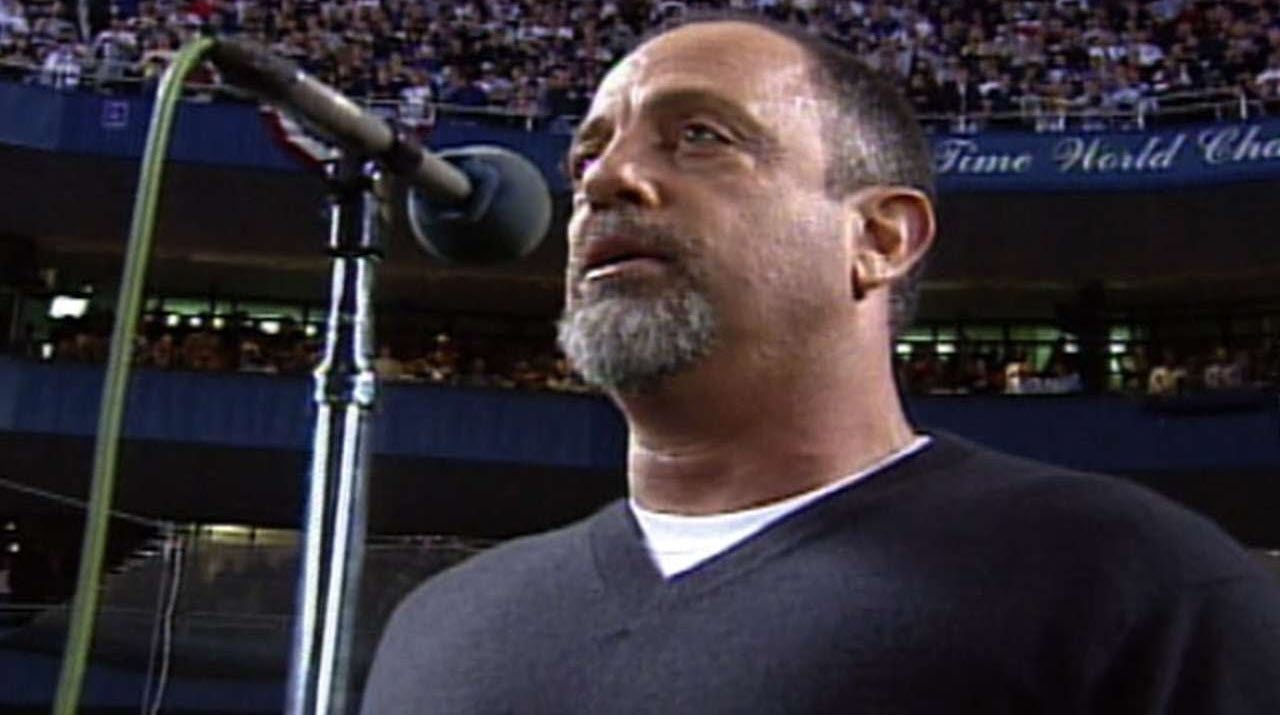
Few artists have captured the soul of a generation quite like Billy Joel. With a career spanning over five decades, the “Piano Man” himself has penned some of the most iconic, heartfelt, and enduring songs in pop and rock history. From smoky bar ballads to upbeat anthems and razor-sharp social commentary, Joel’s music is a masterclass in storytelling, musicianship, and emotional resonance. Whether you’re a lifelong fan or just discovering his magic, his songs have a way of sticking with you — echoing through time, memory, and melody.
In this countdown of the Top 10 Most Popular Billy Joel Songs of All Time, we dive into the tracks that have defined his legacy. These are the songs that filled stadiums, topped charts, won awards, and etched themselves into the cultural consciousness. But more than that, they’re the songs that made us laugh, cry, sing, and think. Each one tells a story — of love, struggle, rebellion, or nostalgia — all wrapped in unforgettable melodies and Joel’s unmistakable voice.
So grab a bottle of red (or a bottle of white), sit back, and take a journey through the hits that turned a kid from Long Island into a global legend.
1. Piano Man (1973)
Released in 1973, “Piano Man” introduced the world to Billy Joel’s unmatched gift for storytelling through song. Loosely autobiographical, it was inspired by Joel’s time playing piano at a small bar in Los Angeles called the Executive Room, where he observed and befriended a cast of lonely patrons. Through vivid characters like the “real estate novelist” and “Davy who’s still in the Navy,” Joel captured a world full of quiet dreams and quiet desperation. The song’s waltz-like 3/4 time signature and harmonica-accompanied intro evoke the warm, bittersweet feel of a barroom singalong. Though it wasn’t an immediate smash on the charts—peaking at No. 25 on the Billboard Hot 100—it slowly grew into one of Joel’s most iconic works. Over time, “Piano Man” became more than just a song; it became an anthem for the unsung, a communal moment shared by audiences at every concert, often with the crowd belting every word. It’s equal parts nostalgia, melancholy, and camaraderie, all wrapped in Joel’s signature blend of melody and lyrical poignancy. Today, “Piano Man” is more than a hit—it’s the unofficial theme song for barroom philosophers everywhere.
2. Uptown Girl (1983)
When Billy Joel released “Uptown Girl” in 1983, it was an unexpected and infectious departure from his usual style. Channeling the energy of 1950s doo-wop and Frankie Valli’s falsetto-driven charm, Joel created a buoyant, romantic hit that instantly lit up the airwaves. Inspired by his relationship with supermodel Christie Brinkley, who later became his wife, the song tells the timeless tale of a working-class man smitten with a sophisticated, upper-crust woman. Its upbeat piano, snappy rhythm, and joyful harmonies made “Uptown Girl” an earworm that dominated pop radio. The accompanying music video—starring Brinkley herself—added a visual flair straight out of a jukebox musical, cementing the song as a cultural snapshot of the early ’80s. It reached No. 3 on the U.S. Billboard Hot 100 and soared to No. 1 in the U.K., becoming one of Joel’s biggest international successes. “Uptown Girl” wasn’t just a playful throwback; it was a testament to Joel’s versatility and his knack for crafting tunes that feel both nostalgic and fresh. Decades later, it remains a feel-good favorite, beloved for its charm, melody, and irresistible optimism.
3. Just the Way You Are (1977)
“Just the Way You Are” marked a turning point in Billy Joel’s career when it was released in 1977 on The Stranger. This smooth, jazz-inflected ballad was a heartfelt dedication to his then-wife Elizabeth Weber, expressing a deeply personal message of unconditional love and acceptance. Joel’s restrained vocal delivery, paired with Phil Woods’ beautiful saxophone solo, lent the song an elegant, timeless quality that stood out in an era dominated by disco and arena rock. Interestingly, Joel initially didn’t want the song on the album, feeling it was too soft—but producer Phil Ramone convinced him otherwise. The gamble paid off: the song became Joel’s first major hit and earned two Grammy Awards in 1979 for Record of the Year and Song of the Year. Its tender, honest lyrics and understated arrangement made it a wedding staple and an enduring love song that transcends generations. “Just the Way You Are” showcases Joel’s skill in writing emotionally resonant music without overstatement, and it continues to be one of his most beloved and enduring pieces. For many, it’s the musical equivalent of a warm, reassuring embrace.
4. We Didn’t Start the Fire (1989)
Released in 1989, “We Didn’t Start the Fire” is Billy Joel’s whirlwind journey through four decades of history, delivered in rapid-fire lyrical bursts. The song lists over 100 events, figures, and cultural touchstones from 1949 (the year of Joel’s birth) through to the late ’80s, creating a kind of sonic timeline. What began as a rebuttal to a young fan’s claim that “nothing ever happens anymore” turned into a chart-topping phenomenon. Despite its relatively simple musical arrangement, the song’s impact lies in its encyclopedic scope and relentless energy. With each verse, Joel highlights the ever-churning pace of world events—wars, scandals, triumphs, and tragedies—all underscored by the refrain “we didn’t start the fire,” suggesting that generational turmoil is inherited, not invented. The song reached No. 1 on the Billboard Hot 100 and has since become a classroom favorite, endlessly analyzed and parodied. Though Joel himself has joked that it’s not among his favorite compositions musically, its cultural significance is undeniable. “We Didn’t Start the Fire” stands as a testament to the power of pop music to capture, reflect, and even challenge historical memory.
5. New York State of Mind (1976)
“New York State of Mind,” released in 1976 on Turnstiles, is Billy Joel’s soulful love letter to the city that shaped him. Written after his brief time living in Los Angeles, the song captures the moment Joel realized he belonged back in New York, a place filled with grit, energy, and realness. With its rich, jazzy piano chords and an evocative saxophone solo, the track oozes lounge-laden sophistication and heartfelt nostalgia. Joel’s lyrics are both personal and universal, painting images of Greyhound buses, Hudson River views, and a deep emotional connection to the city. Though never released as a single, “New York State of Mind” became one of Joel’s most enduring works, often performed live and covered by countless artists. Its emotional depth and timeless quality have made it something of an unofficial anthem for the city, resonating with natives and dreamers alike. For Joel, it’s more than just a song—it’s a declaration of identity. For listeners, it’s a warm, jazzy refuge that captures the heart of a metropolis in just a few perfectly chosen words.
6. My Life (1978)
Released in 1978 as the lead single from 52nd Street, “My Life” is Billy Joel’s bold declaration of personal freedom and self-determination. The track opens with a memorable piano riff that immediately sets a confident tone, and from there, Joel dives into lyrics that assert his independence with sharp clarity. “I don’t care what you say anymore, this is my life” became an anthem for anyone fed up with judgment or interference. The song’s infectious chorus and punchy rhythm made it a natural fit for radio, and it climbed to No. 3 on the Billboard Hot 100. Featuring backing vocals by Peter Cetera and Donnie Dacus from the band Chicago, the song blends pop-rock sensibilities with just enough attitude to make it feel rebellious without losing its mass appeal. Though catchy and fun on the surface, “My Life” carries an empowering message about standing your ground and living authentically—something that clearly resonated with listeners. It also doubled as the theme song for the TV series Bosom Buddies, further embedding it in pop culture. Decades later, it still feels like a defiant shout of individuality, delivered with Joel’s trademark melodic flair.
7. Scenes from an Italian Restaurant (1977)
“Scenes from an Italian Restaurant,” released in 1977 on The Stranger, is one of Billy Joel’s most ambitious and beloved compositions. More than just a song, it’s a seven-minute mini-epic that blends three distinct musical sections into one cohesive story. It opens softly, with Joel singing about catching up over wine at a quiet Italian restaurant, before shifting into a lively Dixieland-style interlude and eventually launching into the energetic saga of Brenda and Eddie, two high school sweethearts whose dreams fall apart in adulthood. Joel masterfully weaves together piano balladry, jazz-inflected horns, and rock flourishes, showcasing his genre-blending versatility. Though never released as a single, the track became a staple of his live performances and a fan favorite thanks to its vivid storytelling and musical complexity. It captures everything that makes Billy Joel unique—his keen eye for everyday narratives, his theatrical flair, and his ability to turn a dinner conversation into an emotionally resonant journey. “Scenes from an Italian Restaurant” isn’t just a song—it’s a time capsule of youthful hope, adult disillusionment, and the enduring power of memory, all served up with a bottle of red, a bottle of white, and a side of musical brilliance.
8. Only the Good Die Young (1978)
“Only the Good Die Young,” released in 1978 on The Stranger, is one of Billy Joel’s most provocative and enduring songs. With its upbeat rhythm, lively piano, and reggae-tinged arrangement, the track sounds like pure fun—yet beneath its sunny surface lies a cheeky, rebellious narrative. The lyrics center around a young man trying to convince a Catholic girl to give in to temptation and abandon her strict upbringing. The line “I’d rather laugh with the sinners than cry with the saints” stirred controversy, particularly among religious groups, and led to the song being banned on some radio stations. Ironically, the censorship only fueled its popularity, turning it into a rock ‘n’ roll anthem of youthful defiance. Joel has since clarified that the song isn’t meant to attack religion, but rather to celebrate freedom and the recklessness of youth. Musically, it’s irresistibly catchy, with Joel’s vocal energy and piano-driven arrangement carrying the message with playful conviction. Over time, “Only the Good Die Young” has become a classic—both for its infectious melody and its audacious lyrics. It’s a testament to Joel’s ability to stir controversy and joy in the same breath, all while keeping audiences tapping their feet.
9. Movin’ Out (Anthony’s Song) (1977)
“Movin’ Out (Anthony’s Song),” from 1977’s The Stranger, is Billy Joel’s sharp critique of materialism and the misguided pursuit of the American Dream. Told through the story of Anthony—a blue-collar worker under pressure from his parents to chase status symbols and career success—the song questions the value of working hard for a life that may not bring real happiness. Joel’s biting lyrics and punchy delivery drive home the message: “It seems such a waste of time, if that’s what it’s all about.” The song’s syncopated rhythm and edgy piano riff give it a sense of urgency, while the sound of a motorcycle revving at the end adds a final flourish of rebellion. Though it wasn’t one of Joel’s highest-charting singles, it struck a chord with fans who related to its themes of personal authenticity versus societal expectation. Years later, the song would inspire the Broadway musical Movin’ Out, further proving its enduring relevance. Smart, sarcastic, and sonically tight, “Movin’ Out” is Joel at his narrative best—unpacking big ideas through the lens of everyday life, and turning the frustrations of working-class America into unforgettable music.
10. She’s Always a Woman (1977)
“She’s Always a Woman,” released in 1977 on The Stranger, is one of Billy Joel’s most delicate and emotionally layered songs. A tender acoustic ballad, it paints a nuanced portrait of a woman who is both strong and enigmatic—someone who doesn’t fit neatly into society’s expectations. With its soft, fingerpicked guitar, understated piano, and Joel’s vulnerable vocal delivery, the song draws listeners in with its quiet intensity. The lyrics walk a fine line, describing a woman who “can kill with a smile” and “steal like a thief,” yet remains deeply loved and admired. Inspired by Joel’s then-wife Elizabeth Weber, who managed his career with assertiveness and savvy, the song was a personal tribute to her complexity. While it didn’t top the U.S. charts upon release, it grew steadily in popularity and has since become a staple of Joel’s live shows and greatest hits collections. Its emotional honesty and poetic wordplay continue to resonate, especially with listeners who appreciate songs that honor depth and imperfection in relationships. “She’s Always a Woman” is a quiet powerhouse—a song that doesn’t shout to be heard but leaves a lasting impression with its graceful honesty.

Samuel Moore is a frequent contributor to Singers Room. Since 2005, Singersroom has been the voice of R&B around the world. Connect with us via social media below.









