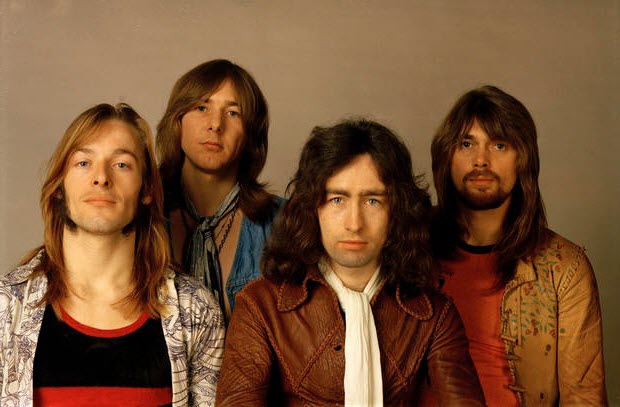
When it comes to classic rock, few bands have left as indelible a mark as Bad Company. Formed in the early ’70s, this British supergroup quickly captured the hearts of music lovers with their raw energy, powerful vocals, and unforgettable melodies. With hits that have become anthems of a generation, Bad Company’s sound blends bluesy rock with a touch of soul, creating a timeless appeal that resonates even today.
From the thunderous guitar riffs of “Feel Like Makin’ Love” to the poignant storytelling in “Shooting Star,” their catalog is a treasure trove of musical gems. Each song is a testament to the band’s ability to craft tracks that are both catchy and profound, leaving listeners singing along long after the last note fades.
In this article, we’ll dive into the top 10 most popular Bad Company songs of all time. Whether you’re a lifelong fan or a newcomer eager to explore their legacy, you’re in for a thrilling ride through the soundtracks of your life. Get ready to relive the magic of Bad Company as we rank their most iconic tracks that continue to inspire and energize audiences worldwide!
1. Feel Like Makin’ Love (1975)
“Feel Like Makin’ Love” is one of Bad Company’s most iconic ballads, known for its ability to blend rugged rock elements with a slow-burning, romantic groove. Released in 1975, the track stands out for its emotional intensity and dynamic contrast between quiet verses and explosive choruses. Paul Rodgers delivers the lyrics with raw passion, singing about the deep pull of desire in a way that feels both intimate and universal. The song’s signature guitar riff, alternating between acoustic gentleness and electric grit, builds a dramatic tension that perfectly mirrors the feelings expressed in the lyrics. It’s the kind of song that brings to mind long drives, late-night reflections, and longing that hits you deep. Whether you’re in love or just remembering someone who made your heart race, “Feel Like Makin’ Love” connects on a visceral level. It’s not just about physical desire—it’s about that all-consuming emotion that comes with truly wanting to be close to someone. This track helped define Bad Company’s sound and remains a staple in their live performances. Over time, it’s earned its place as one of the great classic rock ballads, timeless in its ability to stir the heart.
2. Bad Company (1974)
“Bad Company,” the title track from their 1974 debut album, is more than just a song—it’s the band’s bold declaration of identity. With its haunting piano intro, slow-building intensity, and dramatic storytelling, this track captures the rugged spirit of the outlaw, the rebel, and the loner. Paul Rodgers delivers the vocals with a solemn power, singing from the perspective of a drifter shaped by a hard life. The lyrics—“Rebel souls, deserters we are called”—echo with a mythic quality, painting the band as rock ‘n’ roll antiheroes. Musically, the song’s steady, deliberate pace gives it a cinematic feel, while the moody instrumentation underscores the loneliness and strength at its core. It’s a powerful blend of bluesy grit and emotional depth, establishing Bad Company’s signature sound right from the start. For fans, this song represents the band’s raw essence—defiant, unpolished, and full of soul. “Bad Company” has since become an anthem for those who walk their own path, and it remains one of the most compelling songs in the band’s catalog. It’s a defining track that still resonates with listeners who find beauty in rebellion and strength in solitude.
3. Shooting Star (1975)
“Shooting Star” is one of Bad Company’s most poignant and narrative-driven songs, telling the cautionary tale of Johnny, a young man who dreams of becoming a rock star. Released in 1975, the song traces his rise to fame and eventual tragic downfall, creating a powerful commentary on the dangers of success and excess. Paul Rodgers’ vocals carry a gentle melancholy, bringing emotion and sincerity to every verse. The song begins with a soft acoustic backdrop that gradually intensifies, mirroring Johnny’s journey from innocence to stardom to demise. “Don’t you know that you are a shooting star,” Rodgers sings, delivering the line like a lament. The guitar solos add emotional weight, capturing both the allure and cost of chasing fame. “Shooting Star” stands out not just for its storytelling but for its reflective tone—it doesn’t glorify the rock lifestyle but instead offers a sobering look at what can be lost along the way. It’s become a fan favorite over the years, often interpreted as a tribute to fallen artists. In its sadness, there’s also beauty, and that’s what makes “Shooting Star” an enduring classic in Bad Company’s repertoire.
4. Can’t Get Enough (1974)
“Can’t Get Enough” bursts out of the gate with infectious energy, making it one of the most recognizable and enduring songs in Bad Company’s catalog. Released in 1974 as the band’s debut single, it’s a classic rock staple that captures the thrill of obsession and desire. The opening guitar riff is instantly catchy, driving the song forward with a sense of urgency that never lets up. Paul Rodgers’ vocals are raw and confident, delivering lines like “Well, I take whatever I want / And baby, I want you” with a mix of swagger and sincerity. The track’s upbeat tempo and tight arrangement make it an instant crowd-pleaser—perfect for blasting from a car radio or getting a live audience to its feet. What makes “Can’t Get Enough” so memorable is how effortlessly it marries blues-rock roots with irresistible hooks. It’s bold, straightforward, and completely unapologetic in its lustful enthusiasm. The track helped catapult Bad Company into rock stardom and remains a signature song that fans love to sing along to. Even decades later, it still feels fresh and alive, reminding us of the electric charge that comes with falling head over heels.
5. Rock and Roll Fantasy (1979)
“Rock and Roll Fantasy” is a celebration of dreams and the escapist power of music, wrapped in an irresistibly catchy rock package. Released in 1979, the song taps into the longing so many feel for a life beyond the ordinary—a fantasy built on guitar riffs, bright lights, and big crowds. From the first beat, it pulls you in with its punchy rhythm and singable chorus. Paul Rodgers delivers the vocals with passion and flair, capturing the essence of chasing something bigger. “Gonna play you my song,” he sings, echoing the universal desire to be heard and understood through music. The track is energetic but polished, showing a more radio-friendly side of Bad Company without losing their rock ‘n’ roll edge. It’s the kind of song that makes you want to roll down the windows and shout along. Beyond its surface fun, “Rock and Roll Fantasy” also reflects on the connection between artists and their fans—how music becomes a shared dream. It’s uplifting and empowering, making it a staple not only in the band’s setlists but also in the hearts of listeners who’ve ever lost themselves in a rock concert.
6. Movin’ On (1974)
“Movin’ On” is a song about pushing forward and embracing the road ahead, wrapped in the soulful grit that defines Bad Company’s early sound. Released in 1974, the track channels the spirit of a restless traveler, someone who refuses to be tied down. Right from the opening guitar line, there’s a sense of motion that propels the listener forward. Paul Rodgers’ vocals are both commanding and emotional as he sings about the need to keep moving, both literally and metaphorically. “I’m getting out, I’m leaving,” he declares with conviction, and you can feel the urgency in every word. The music is tight and punchy, with a driving rhythm that captures the thrill of change and the freedom that comes with leaving the past behind. “Movin’ On” resonates with anyone who’s ever felt stuck and needed to break free—it’s a musical push toward reinvention. The track has become a fan favorite for its anthemic quality and relatable message, often inspiring singalongs at live shows. It’s not just a song—it’s a reminder that sometimes the only way forward is to pack up and keep going, no matter what.
7. Seagull (1974)
“Seagull” is one of Bad Company’s most introspective and delicate tracks, showcasing the band’s ability to step away from their hard rock sound and embrace something more acoustic and contemplative. Released in 1974, the song is built around a simple but moving guitar melody, creating a quiet atmosphere that feels almost spiritual. Paul Rodgers delivers a haunting vocal performance, singing lyrics that touch on themes of solitude, freedom, and the search for meaning. The imagery of a seagull—often a symbol of isolation or wandering—adds a poetic layer to the song. “Fly across the sky,” Rodgers sings, as if he’s reaching for something just out of grasp. It’s a meditative track, offering a moment of stillness and depth within the band’s otherwise high-energy catalog. “Seagull” remains a fan favorite not just for its beauty, but for its vulnerability. It shows a different side of Bad Company—a band capable of stripping things down to their emotional core. For listeners, it’s a song that invites reflection and brings comfort, proving that sometimes the softest moments carry the greatest emotional weight.
8. Ready for Love (1975)
“Ready for Love” is a heartfelt ballad that captures the vulnerability of longing and the hope of emotional connection. Originally written by Mick Ralphs during his time with Mott the Hoople, the song found new life when Bad Company re-recorded it for their 1975 album. In this version, Paul Rodgers brings a deep sense of soul and yearning to the vocals, turning the track into something truly special. The lyrics speak to the ache of wanting to be with someone—open and exposed, yet hopeful. “I’m ready for love, oh baby I’m ready for love,” Rodgers croons, and it’s impossible not to feel the sincerity in every word. The arrangement combines lush acoustic guitars with electric flourishes, building a rich, layered sound that adds to the song’s emotional pull. “Ready for Love” is more than just a slow song—it’s a confession, a moment of honesty that many listeners have connected with over the years. It remains a standout in the band’s discography for its timeless expression of desire and readiness to open one’s heart. It’s a reminder that love often begins with simply saying, “I’m ready.”
9. Electricland (1982)
“Electricland” marked a shift in Bad Company’s musical direction when it was released in 1982, blending their classic rock roots with an early ’80s vibe. The song opens with a pulsing rhythm and shimmering guitar licks, immediately setting a mood that’s a little darker, a little sleeker. Paul Rodgers’ voice cuts through with urgency as he paints a picture of excitement, chaos, and temptation in a neon-lit world. “I’ve been drifting, drifting too long,” he sings, echoing the disorientation of a man caught up in a fast-paced, electric dreamscape. The lyrics hint at both the thrill and danger of the nightlife scene, making “Electricland” feel like a journey through both fantasy and reality. There’s a slightly synthetic edge to the production that gives the track a modern twist for its time, while still retaining the band’s rock foundation. It’s a song that shows Bad Company experimenting and adapting, proving they could evolve without losing their essence. Fans appreciated the shift, and the track has since become a cult favorite for those who enjoy the band’s later period. “Electricland” is a vivid, moody ride—and one of the band’s most underrated gems.
10. One Night (1990)
“One Night,” released in 1990, is a track that captures the emotional weight of fleeting romance and the longing it can leave behind. With a sound that blends melodic rock with a touch of adult contemporary polish, the song highlights the band’s ability to grow with the times while still delivering heartfelt music. Paul Rodgers’ vocals are as strong as ever, filled with warmth and ache as he sings about a love that lasted just one night but left a lasting impression. The lyrics are reflective, exploring how a single moment can carry emotional significance far beyond its duration. “I’ll remember you for one night,” Rodgers croons, and you feel the bittersweet truth in every syllable. The arrangement features tasteful guitar work and a steady rhythm that supports the song’s emotional core without overwhelming it. “One Night” stands out in Bad Company’s later catalog as a mature, thoughtful piece that showcases their continued depth and musicality. It’s a reminder that even brief encounters can leave permanent marks—and that good songwriting is timeless, no matter what era it’s from.

Edward Tomlin is a frequent contributor to Singers Room. Since 2005, Singersroom has been the voice of R&B around the world. Connect with us via social media below.









