Louisiana isn’t just famous for its spicy cuisine and vibrant Mardi Gras parades—it’s a musical melting pot that’s given the world some of its most iconic voices. From the soulful streets of New Orleans to the quiet corners of small-town bayous, this southern state has birthed legends who’ve reshaped the soundscape of jazz, pop, hip-hop, country, gospel, and rock. The cultural richness of Louisiana pulses through every note, every lyric, every stage performance. Whether it’s a raspy trumpet solo that echoes through the French Quarter or a chart-topping anthem that dominates global airwaves, the artists from this region don’t just make music—they make history. In this article, we’re diving into the top 10 most popular and influential singers from Louisiana—a powerhouse list of voices that have defined generations, broken barriers, and set new standards in their genres. These artists aren’t just entertainers; they’re storytellers, pioneers, and cultural icons. So get ready to explore the passion, grit, and genius behind the melodies, the voices that echo Louisiana’s unique soul across the world. Whether you’re a lifelong fan or just discovering these names, this list is a celebration of the musical greatness that only Louisiana could produce. Let the rhythm take you home. 🎶
1. Louis Armstrong
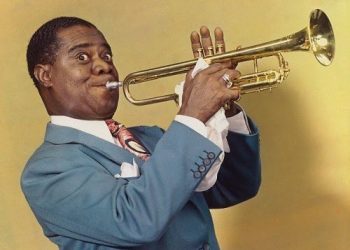
Louis Armstrong stands as one of the most influential figures in American music history. Born in 1901 in New Orleans, Armstrong overcame a rough childhood in poverty to become a world-renowned trumpeter and singer, forever transforming the sound and spirit of jazz. With his unmistakable gravelly voice and dazzling trumpet solos, Armstrong brought an emotional depth and technical brilliance to every performance. Classics like “What a Wonderful World,” “Hello, Dolly!” and “When the Saints Go Marching In” became timeless standards, beloved across generations. But it wasn’t just his musical talent that made Armstrong a legend—it was his radiant charisma, infectious smile, and magnetic presence that won over audiences of all backgrounds. In a deeply segregated America, Armstrong broke barriers, becoming one of the first Black entertainers to achieve mainstream popularity with integrated audiences. His improvisational genius helped shape the foundations of modern jazz and influenced countless artists across genres. Whether performing on stage, film, or television, he exuded warmth and joy that transcended borders and politics. Armstrong wasn’t just a musician; he was a cultural ambassador and a symbol of resilience. Decades after his passing, his legacy continues to echo through jazz, pop, and American culture at large.
2. Britney Spears
Britney Spears didn’t simply enter the pop music scene—she redefined it. Born in Kentwood, Louisiana, Britney rose from humble beginnings to global superstardom seemingly overnight. Her 1998 debut single, “…Baby One More Time,” wasn’t just a hit—it was a seismic event that launched a new era of pop music and solidified her as a teen icon. With her infectious melodies, commanding stage presence, and unforgettable dance routines, she quickly became the face of a new generation of pop. Albums like Oops!… I Did It Again and In the Zone delivered hit after hit, blending catchy hooks with emotional depth and showing off her versatility as a performer. But Britney’s story is more than just chart-topping success—it’s one of resilience and reinvention. Her personal struggles unfolded in the public eye, yet she remained a symbol of strength and vulnerability, sparking important conversations about mental health and the cost of fame. Through it all, her influence never faded. She shaped the careers of countless artists and continues to be revered as a pop culture pioneer. Britney Spears is more than a performer—she’s an icon, a survivor, and a voice that helped define an entire era of music.
3. Fats Domino
Fats Domino was a foundational figure in American music, helping to shape the early sound of rock and roll with the joyful rhythms of New Orleans R&B. Born Antoine Domino Jr. in the Lower Ninth Ward of New Orleans, his piano-driven style and warm vocals made him a beloved figure far beyond the Big Easy. Songs like “Blueberry Hill,” “Ain’t That a Shame,” and “I’m Walkin’” became massive hits, and Domino quickly rose to become one of the best-selling Black artists of the 1950s and early 1960s. His signature sound—infectious piano boogie riffs paired with an easygoing vocal delivery—captured the hearts of fans across racial and geographic lines. He remained deeply rooted in New Orleans, even at the height of his fame, and never lost the humble demeanor that made him so relatable. Artists like Elvis Presley, The Beatles, and countless others credited Domino as a major influence. Despite the seismic impact of his music, he remained quietly revolutionary, breaking racial barriers through the sheer power of his talent. Fats Domino didn’t chase the spotlight—he let his music speak for itself, and in doing so, he helped usher in the rock and roll era with a smile and a groove.
4. Lil Wayne
Lil Wayne, born Dwayne Michael Carter Jr. in New Orleans, is a lyrical powerhouse whose influence on hip-hop is both undeniable and far-reaching. Starting his career as a teenage prodigy with the Hot Boys under Cash Money Records, Wayne quickly emerged as a solo artist with an unmatched work ethic and unique voice. His 2008 album Tha Carter III, featuring smashes like “Lollipop” and “A Milli,” propelled him to global stardom and marked a turning point in modern rap. Wayne’s style—full of clever metaphors, inventive flows, and off-the-wall punchlines—redefined what it meant to be a modern MC. He released a torrent of mixtapes, collaborations, and albums, earning a reputation for both prolific output and boundary-pushing creativity. Beyond music, he became a trendsetter in fashion and culture, and a mentor to future stars like Drake and Nicki Minaj. Wayne’s authenticity, raw vulnerability, and resilience—shaped by a tough upbringing and personal struggles—gave his lyrics emotional depth. Whether freestyling over trap beats or experimenting with Auto-Tune, he remained unpredictable and original. Lil Wayne isn’t just a rapper—he’s a game-changer who continues to evolve while leaving an indelible mark on every corner of the music world.
5. Tim McGraw
Tim McGraw is one of country music’s most enduring and beloved figures, blending heartfelt storytelling with crossover appeal. Raised in the small town of Delhi, Louisiana, McGraw burst onto the country scene in the early 1990s with a rich baritone and relatable lyrics that resonated with everyday Americans. Hits like “Don’t Take the Girl,” “I Like It, I Love It,” and “Live Like You Were Dying” showcased his knack for balancing emotional depth with mass appeal. Over the years, McGraw has crafted a career that bridges traditional country roots with pop-influenced polish, creating a sound that’s both authentic and radio-friendly. His live shows are electric, and his long-standing partnership—both musical and personal—with Faith Hill only adds to his legend. Offstage, he’s known for his commitment to fitness, philanthropy, and family values. With more than 80 million records sold and countless awards, McGraw’s influence stretches far beyond country music. His Louisiana roots are ever-present in his work, grounding his stardom in a sense of humility and heart. Through decades of evolving trends, Tim McGraw has remained a constant—a voice of sincerity, a storyteller of life’s highs and lows, and a true icon of American music.
6. Mahalia Jackson
Mahalia Jackson was the unparalleled voice of gospel music—powerful, soaring, and deeply spiritual. Born in New Orleans in 1911, she grew up immersed in the rich traditions of the Black church. Her voice, resonant with emotional depth and thunderous range, captivated audiences worldwide. Jackson wasn’t merely a singer; she was a movement. Her recordings of “Move On Up a Little Higher” and “How I Got Over” helped bring gospel into mainstream consciousness and laid a foundation for soul and R&B. Beyond music, she was a close ally of Dr. Martin Luther King Jr., singing at civil rights rallies and famously before his “I Have a Dream” speech in 1963. Using her gift for spiritual uplift, Mahalia refused to sing secular music, believing her voice was meant to inspire hope and healing. She shattered racial barriers and influenced generations of artists, including Aretha Franklin and Mavis Staples. In a noisy world, Mahalia Jackson’s voice cut through with clarity and soul—reminding us all of music’s power to heal and unite.
7. Dr. John
Dr. John, the Night Tripper, was a mystical fusion of voodoo funk, psychedelic blues, and New Orleans soul. Born Mac Rebennack in New Orleans, he started as a session musician before crafting the flamboyant Dr. John persona inspired by hoodoo lore and Mardi Gras magic. His 1968 debut Gris-Gris was a swampy, hypnotic journey unlike anything else. Over decades, he became a revered elder statesman of New Orleans music, blending funk, jazz, R&B, and rock on albums like In the Right Place and Locked Down. Known for his gravelly voice, funky piano, and enigmatic presence, Dr. John embodied the eccentric soul of his city. He played with legends like The Rolling Stones and Eric Clapton, earned multiple Grammys, and entered the Rock and Roll Hall of Fame. More than awards, his music was a visceral experience—a midnight stroll through New Orleans’ spirit and rhythm. Every note was a ritual, conjuring raw emotion and the magic of the Crescent City.
8. Aaron Neville
Aaron Neville’s voice is instantly recognizable—an angelic falsetto that feels like a whispered prayer. A native of New Orleans and member of the famed Neville Brothers, Aaron carved a solo path marked by emotional depth and genre versatility. His 1966 hit “Tell It Like It Is” revealed his vocal purity and soulful style, while later works like his Grammy-winning duet “Don’t Know Much” with Linda Ronstadt showcased his crossover appeal. Rooted in R&B and soul, Neville’s music also embraces gospel, pop, and country influences. His life has been one of resilience, overcoming hardships with grace and strength. Deeply spiritual and family-oriented, his music reflects these core values. Whether performing solo or with his brothers, Aaron’s voice carries an emotional intimacy few can match. He is not just a singer but a vessel of feeling, whose gentle soul and timeless sound uplift and heal. From New Orleans streets to global stages, Aaron Neville’s legacy is one of beauty, authenticity, and enduring spirit.
9. Hank Williams Jr.
Hank Williams Jr. is country music royalty with a rock ‘n’ roll edge. Born in Shreveport, Louisiana, he inherited a monumental legacy as the son of Hank Williams but forged his own identity by blending Southern rock, blues, and outlaw country. In the ’70s, he broke away from covering his father’s songs, creating a gritty, rebellious sound that resonated with fans. Hits like “Family Tradition,” “Whiskey Bent and Hell Bound,” and “A Country Boy Can Survive” became anthems of authenticity and Southern pride. Known for his rowdy persona and politically charged lyrics, Hank Jr. never shied from controversy. Beneath the bravado is a survivor—he overcame a near-fatal mountain climbing accident to return stronger than ever. With more than 70 albums and a decades-long career, Hank Williams Jr. has proven he’s not living in his father’s shadow but blazing his own trail, carving a unique and lasting legend in country music history.
10. Juvenile
Juvenile is a New Orleans rap legend and a pioneer of Southern hip-hop. Emerging from the Magnolia Projects, he became a foundational artist for Cash Money Records in the late ’90s. With his distinctive drawl, street-smart lyrics, and infectious energy, Juvenile helped popularize bounce music beyond regional limits. His 1998 album 400 Degreez was a cultural milestone, anchored by the enduring hit “Back That Azz Up,” which remains a party anthem decades later. Juvenile’s music captured New Orleans’ raw, vibrant spirit, blending gritty realism with compelling beats. More than a rapper, he’s a storyteller and trendsetter who paved the way for artists like Lil Wayne and the wider Southern rap movement. Even as the industry changed, Juvenile stayed rooted in his hometown’s swagger, continuing to release music and collaborate with new talent. Whether on stage or in intimate settings, he remains a powerful voice of New Orleans’ unmatched musical culture.

Samuel Moore is a frequent contributor to Singers Room. Since 2005, Singersroom has been the voice of R&B around the world. Connect with us via social media below.