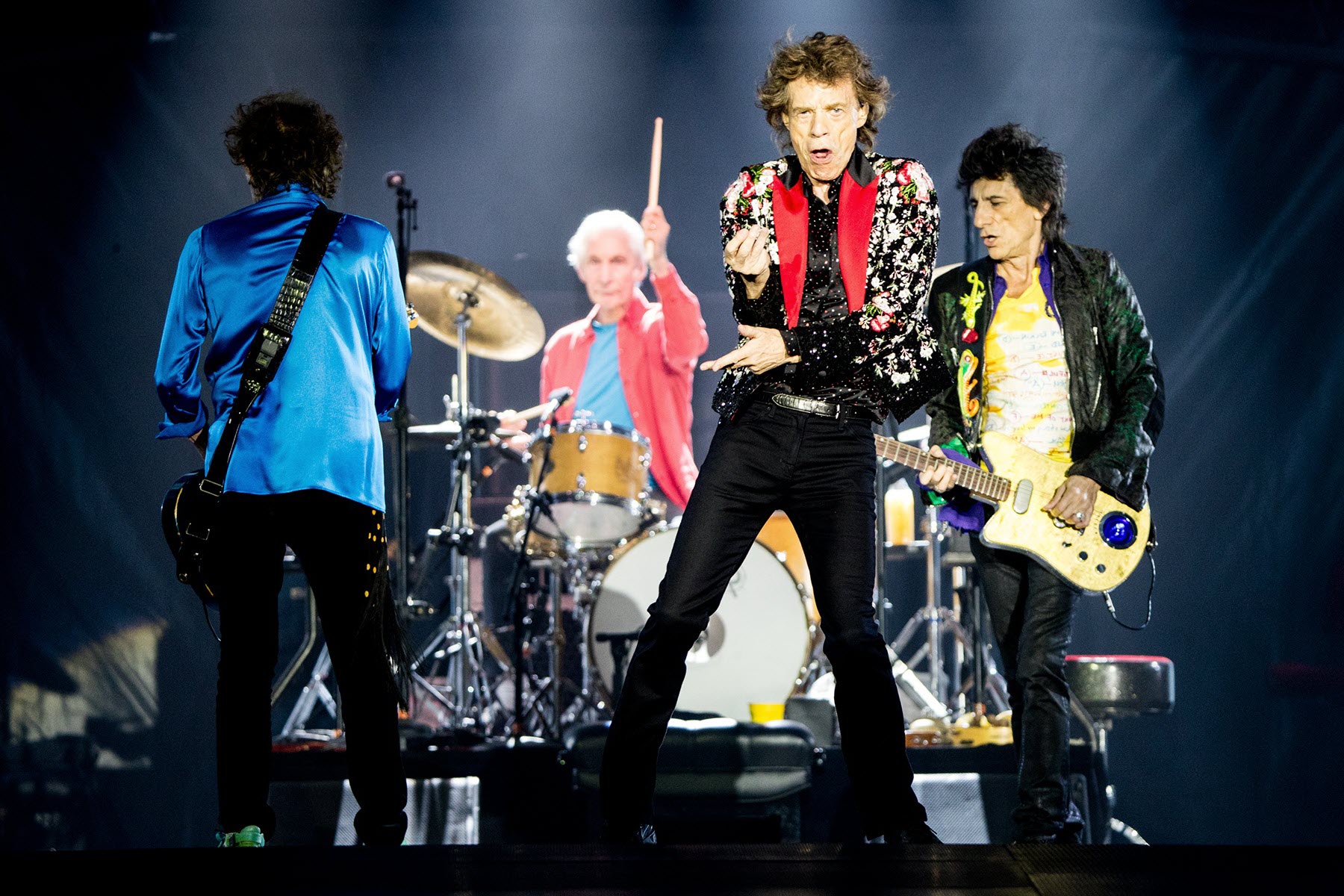
Few bands have defined rock ‘n’ roll quite like The Rolling Stones. With a career spanning over six decades, the Stones have delivered anthems that echo across generations, blending raw blues, swaggering rock, and cultural rebellion into a sound unmistakably their own. From the fuzzed-out riffs that sparked a youth revolution to the haunting ballads that revealed unexpected vulnerability, their music has not only topped charts but shaped the very soul of rock music. Whether you’re a lifelong fan or just discovering their legendary catalog, these songs are more than hits—they’re milestones in music history. In this countdown, we’re diving into the 10 most popular Rolling Stones songs of all time, ranked not just by charts, but by impact, legacy, and the undeniable feeling they deliver every time that needle drops or the speaker thunders. These are the tracks that lit the fire, moved the masses, and proved that rock ‘n’ roll isn’t just a genre—it’s a way of life. So crank the volume, cue the swagger, and let’s take a thrilling ride through the timeless power of The Rolling Stones’ greatest hits. Satisfaction? Guaranteed.
1. (I Can’t Get No) Satisfaction – 1965
When “(I Can’t Get No) Satisfaction” hit the airwaves in 1965, it didn’t just top charts—it exploded like a cultural bomb. With its fuzz-soaked guitar riff, famously dreamed up by Keith Richards in the middle of the night, and Mick Jagger’s defiant snarl, the track became an anthem for a restless generation fed up with commercialism and conformity. It perfectly captured the frustration and rebellion brewing in the youth of the 1960s. Beyond the infectious groove and unforgettable hook, “Satisfaction” was a statement—raw, loud, and unapologetically bold. It shot to number one in the U.S., marking the band’s first chart-topping single in America, and stayed there for weeks. The song’s gritty energy and controversial edge stirred plenty of debate, especially with its thinly veiled references to sexual dissatisfaction and consumer fatigue. But instead of dialing it back, the Stones leaned in, helping to redefine what rock music could say—and how loudly it could say it. Today, “Satisfaction” is more than a song; it’s a symbol of rock’s power to shake things up. It launched the Stones into global superstardom and remains one of the most iconic and influential tracks in rock history.
2. Paint It, Black – 1966
When “Paint It, Black” arrived in 1966, it was clear The Rolling Stones weren’t afraid to take rock music into darker, more daring territory. The song opens with a swirling sitar riff—played by Brian Jones—that immediately sets a haunting, exotic tone. This wasn’t your typical pop song; it was something far more intense and introspective. The lyrics, steeped in grief, despair, and existential dread, tapped into the emotional undercurrent of a world grappling with war, death, and rapid social change. Jagger’s voice is urgent and hollow, reflecting the emptiness the narrator feels after losing someone he loves. The sitar’s droning quality and the pounding rhythm section create a relentless drive that pulls you into its bleak narrative. “Paint It, Black” became the first rock hit to feature a sitar, topping charts in both the U.S. and the U.K. It was groundbreaking not just musically but emotionally—a bold expression of inner turmoil at a time when such themes were rarely explored in mainstream music. Over the decades, it’s remained a fan favorite and a staple of film and TV soundtracks, proving that its emotional intensity and innovative sound still strike a powerful chord today.
3. Sympathy for the Devil – 1968
“Sympathy for the Devil,” released in 1968 on Beggars Banquet, was a bold and provocative move by The Rolling Stones that proved just how far they were willing to push boundaries. Framed by a samba rhythm and layered with rhythmic hand percussion, the song invites listeners into a seductive yet unsettling world narrated by none other than the Devil himself. Jagger’s portrayal of Lucifer isn’t cartoonish—it’s intelligent, charismatic, and eerily calm as he recounts some of history’s darkest moments. It’s a chilling narrative device that forces listeners to confront humanity’s own role in evil. Musically, the song builds slowly but steadily into a fiery climax, with Keith Richards delivering one of his most searing guitar solos. The call-and-response backing vocals add a ritualistic quality that intensifies the track’s dark mystique. Unsurprisingly, it stirred controversy, especially among conservative audiences, but it also cemented the Stones’ reputation as rock’s most fearless provocateurs. “Sympathy for the Devil” isn’t just a song—it’s a masterclass in lyrical audacity and musical innovation. It expanded what rock could talk about and how it could sound. More than 50 years later, it still feels as bold, dangerous, and brilliant as ever.
4. Gimme Shelter – 1969
“Gimme Shelter,” released in 1969 on Let It Bleed, is the Rolling Stones at their most urgent, cinematic, and emotionally raw. From the opening notes—Keith Richards’ eerily tremoloed guitar—it’s clear this isn’t just a song, but a warning. It arrived at the tail end of a tumultuous decade marked by war, civil unrest, and social upheaval, and it captured that chaos perfectly. The track unfolds like a storm on the horizon: dark, slow-building, and ominous. Mick Jagger’s vocal performance is gripping, but it’s Merry Clayton’s explosive guest appearance that steals the spotlight. Her chilling, gospel-infused delivery of the line “rape, murder—it’s just a shot away” is one of the most powerful moments in rock history, famously recorded during a spontaneous late-night session. The desperation and fear in her voice cracked the microphone—and left a permanent mark on the song’s legacy. “Gimme Shelter” isn’t just a protest song; it’s a sonic embodiment of fear, anger, and desperation. Yet, it’s also strangely comforting in its honesty. It remains a cornerstone of the Stones’ catalog, frequently cited as one of their greatest achievements and a song that defined the mood of a world on the edge.
5. Angie – 1973
When “Angie” was released in 1973, it showed a different side of The Rolling Stones—softer, more introspective, and deeply emotional. Coming off a string of hard-rocking hits, this acoustic ballad from the Goats Head Soup album took fans by surprise with its tender vulnerability. Driven by delicate guitar work and a subtle string arrangement, “Angie” strips things down to the essentials: heartbreak, regret, and the slow fade of a once-passionate love. Mick Jagger’s vocal delivery is filled with ache and longing, his performance unusually gentle and sincere. The mystery surrounding the identity of “Angie” only added to the song’s allure—was it David Bowie’s wife? Keith Richards’ daughter? Or just a fictional muse? The band never confirmed, and maybe that’s part of the magic. Regardless, the emotional core of the song resonated widely, sending “Angie” to number one in the U.S. and charting high across the globe. It remains one of the Stones’ most beloved ballads—a reminder that even rock legends can wear their hearts on their sleeves. “Angie” endures not because of who it might be about, but because of how deeply it connects with anyone who’s loved and lost.
6. Jumpin’ Jack Flash – 1968
“Jumpin’ Jack Flash” marked a thunderous return to form for The Rolling Stones in 1968. After dabbling in psychedelia with Their Satanic Majesties Request, the band reconnected with their gritty blues roots—and it paid off in a big way. From the moment that slashing guitar riff hits, the track radiates raw power and swagger. Richards and Jagger wrote the song during a period of creative rejuvenation, with the lyrics drawing on metaphor and bravado to conjure a character who’s risen from hardship with renewed strength. Jagger’s iconic line, “I was born in a crossfire hurricane,” became a rock mantra for resilience. The rhythm section is locked in tight, giving the song a relentless, stomping energy that makes it irresistible on stage. “Jumpin’ Jack Flash” didn’t just climb the charts—it became a cornerstone of the band’s identity. Decades later, it’s still a staple of their live shows and a fan favorite, its electrifying force undiminished by time. More than just a great rock song, it was a declaration: The Stones were back, and they were here to shake the ground beneath your feet.
7. Start Me Up – 1981
By 1981, many bands from the ’60s were fading—but The Rolling Stones proved they still had plenty of fire left with “Start Me Up.” Originally conceived as a reggae track, the song evolved into a hard-hitting stadium rocker that became an instant classic. From the first chord, Keith Richards’ riff slices through the air, unmistakably sharp and energetic. Jagger’s vocals are cheeky and seductive, filled with double entendre and confidence that ooze rock-star bravado. The song became the lead single from Tattoo You and was a huge commercial success, helping to usher the band into the MTV era with style. Its infectious beat and sing-along chorus made it a sports anthem and a concert highlight, proof that The Stones could still connect with newer audiences without compromising their identity. The song’s slick production and timeless energy gave it a lasting place in pop culture—from Super Bowl commercials to Microsoft campaigns. “Start Me Up” isn’t just a late-career hit—it’s a reaffirmation of the band’s enduring charisma and knack for making rock ‘n’ roll feel vital, sexy, and fun. Decades later, it still revs the engine like few songs can.
8. You Can’t Always Get What You Want – 1969
Closing out Let It Bleed in 1969, “You Can’t Always Get What You Want” stands as one of The Rolling Stones’ most ambitious and emotionally layered compositions. The song begins with the soaring voices of the London Bach Choir, immediately elevating it into a realm that blends rock, gospel, and classical influences. From there, it unfolds into a philosophical meditation on life’s disappointments and the unexpected joys that can come from them. Jagger’s lyrics are thoughtful and ironic, offering a message that feels both timeless and deeply human: we don’t always get our way, but sometimes what we receive instead is exactly what we need. The instrumentation is rich—French horn, piano, acoustic guitar—all perfectly arranged to build toward a triumphant crescendo. Richards’ harmonies add warmth and grounding to Jagger’s soulful delivery. The song became an instant classic, played at countless events and covered by artists across genres. It’s the kind of track that transcends its era, speaking to generations with its mix of realism and hope. “You Can’t Always Get What You Want” remains a masterpiece of songwriting and arrangement, capturing the bittersweet truths of life with beauty and grace.
9. Wild Horses – 1971
“Wild Horses,” released in 1971 on the Sticky Fingers album, is a stunning example of The Rolling Stones at their most tender and emotionally vulnerable. A gentle blend of country-rock and balladry, the song strips away the band’s usual swagger to reveal a core of aching sincerity. The acoustic guitar work is soft and melancholic, perfectly complementing Mick Jagger’s heartfelt vocals, which speak of love, loss, and the desire to hold on despite the pain. The phrase “wild horses couldn’t drag me away” is simple yet deeply powerful, a declaration of love that’s as universal as it is poetic. Keith Richards’ harmonies add a warm, almost brotherly layer to the track, reinforcing the emotional weight of the lyrics. Inspired in part by the band members’ personal struggles, including family separation and substance use, “Wild Horses” carries a quiet strength. It’s been covered countless times and remains one of their most beloved and enduring songs. Unlike many of their hits, it doesn’t demand your attention—it invites you in gently and stays with you long after. “Wild Horses” proves the Stones didn’t just master rock—they understood the power of vulnerability, too.
10. Brown Sugar – 1971
“Brown Sugar” came crashing out of the gates in 1971 as the opening track of Sticky Fingers, immediately letting fans know The Rolling Stones were back in their gritty, groove-laden prime. From the first dirty, swaggering guitar riff, the song is a pure shot of adrenaline. Keith Richards delivers one of his most iconic licks, while Charlie Watts lays down a stomping backbeat that refuses to quit. Mick Jagger’s vocal performance is fiery and full of attitude, dripping with the kind of wild charisma only he could pull off. Lyrically, the song is controversial—it explores themes that mix race, sex, and power in ways that have sparked debate for decades. While the content is undeniably provocative, the delivery is all raw energy and Southern-rock flair. Drawing on blues, rock, and soul, “Brown Sugar” feels like a celebration of rhythm and rebellion. It topped charts and became one of the band’s most recognizable and enduring tracks. Whether loved or criticized, “Brown Sugar” is impossible to ignore. It captures the Stones’ unapologetic edge at full force—gritty, sexy, and steeped in the rebellious spirit that made them legends.

Samuel Moore is a frequent contributor to Singers Room. Since 2005, Singersroom has been the voice of R&B around the world. Connect with us via social media below.









